Robles Kelly E, Roberts Michelle, Viengkham Catherine, Smith Julian H, Rowland Conor, Moslehi Saba, Stadlober Sabrina, Lesjak Anastasija, Lesjak Martin, Taylor Richard P, Spehar Branka, Sereno Margaret E
Integrative Perception Lab, Department of Psychology, University of Oregon, Eugene, OR, United States.
Perception and Aesthetics Lab, School of Psychology, UNSW Sydney, Sydney, NSW, Australia.
Front Psychol. 2021 Aug 17;12:699962. doi: 10.3389/fpsyg.2021.699962. eCollection 2021.
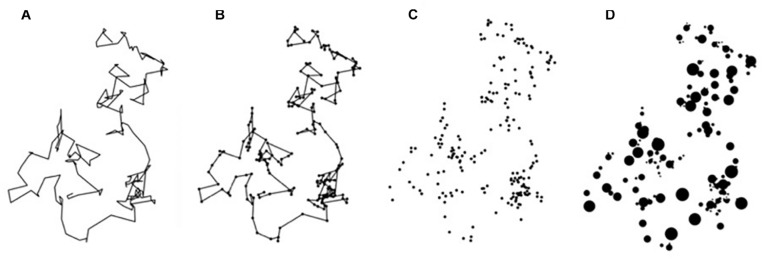
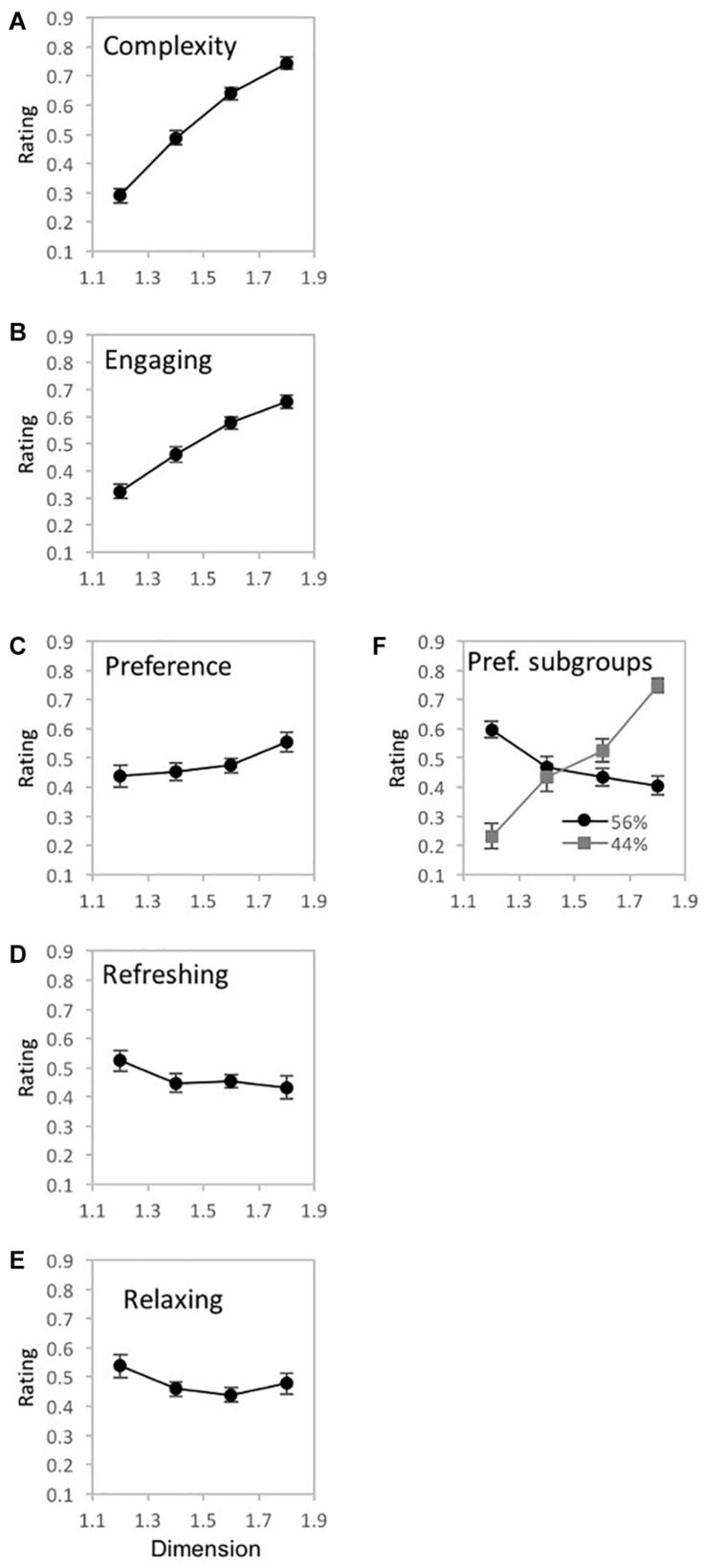
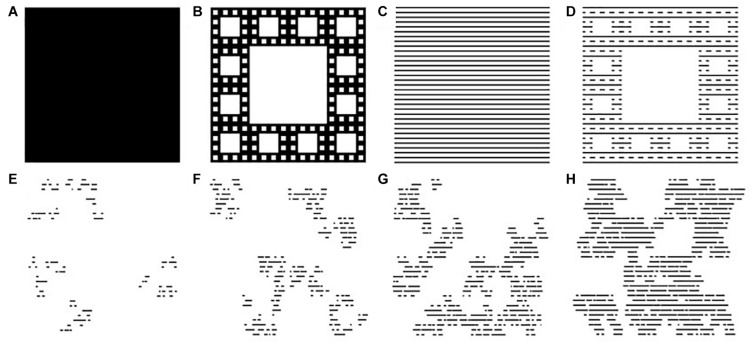
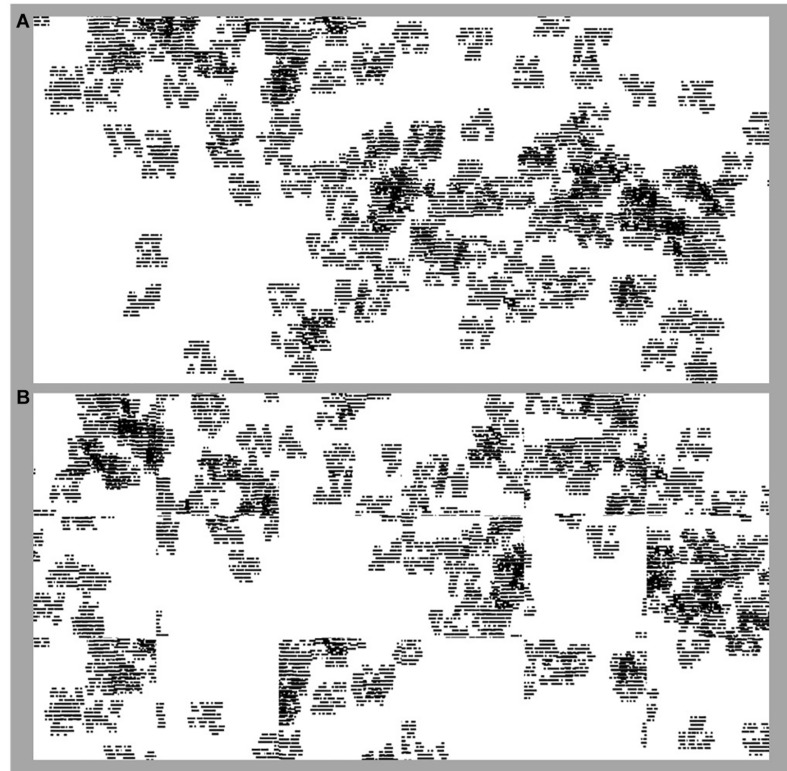
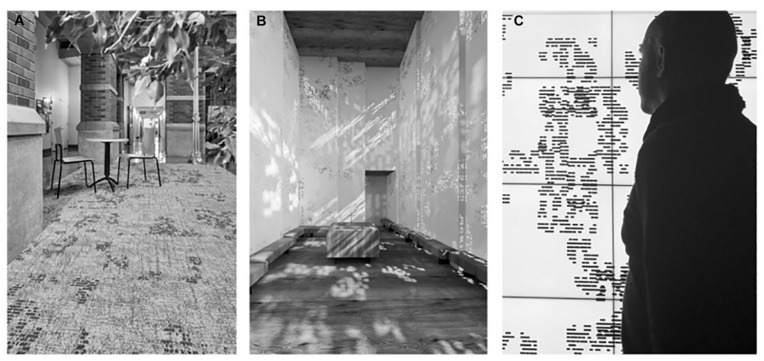
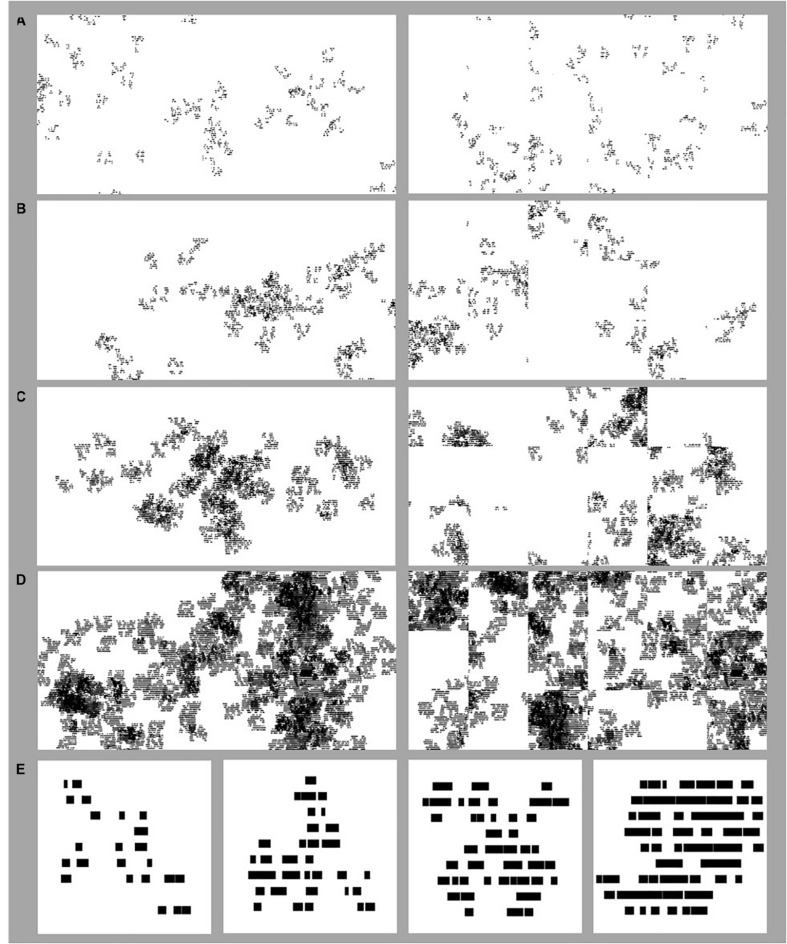
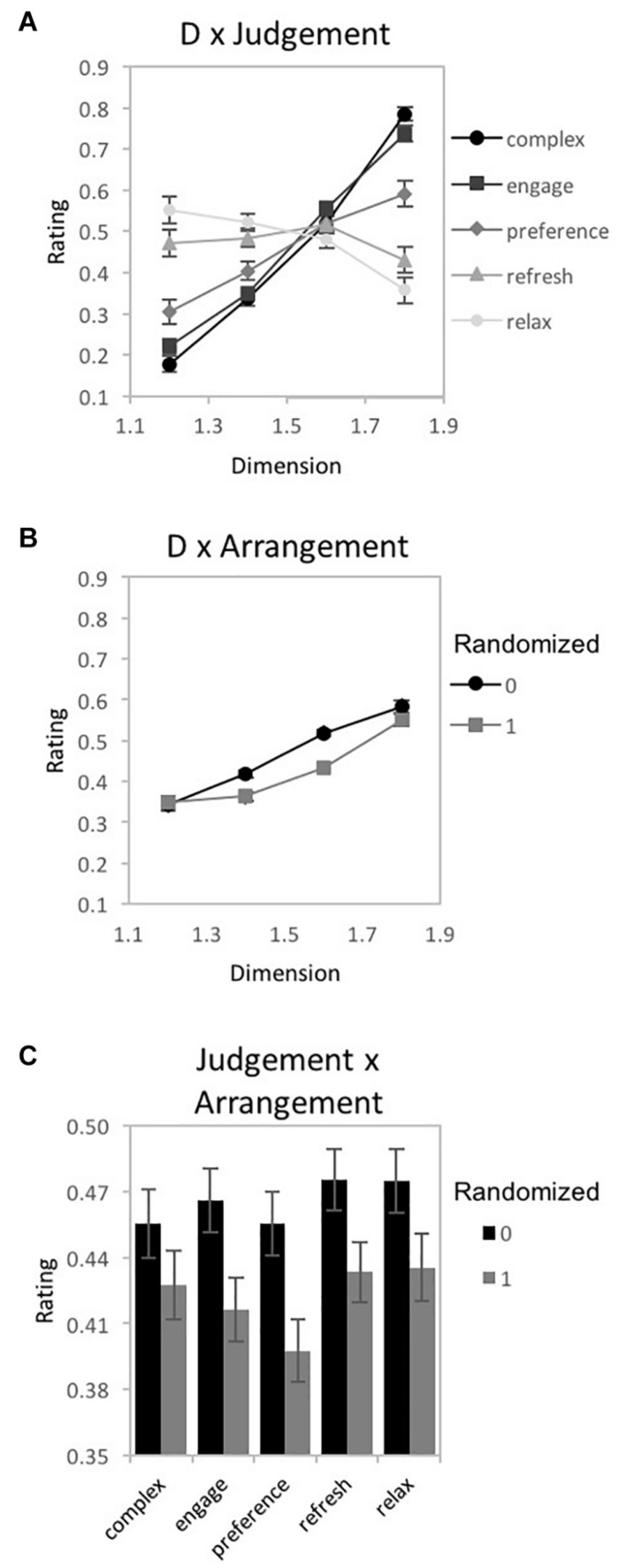
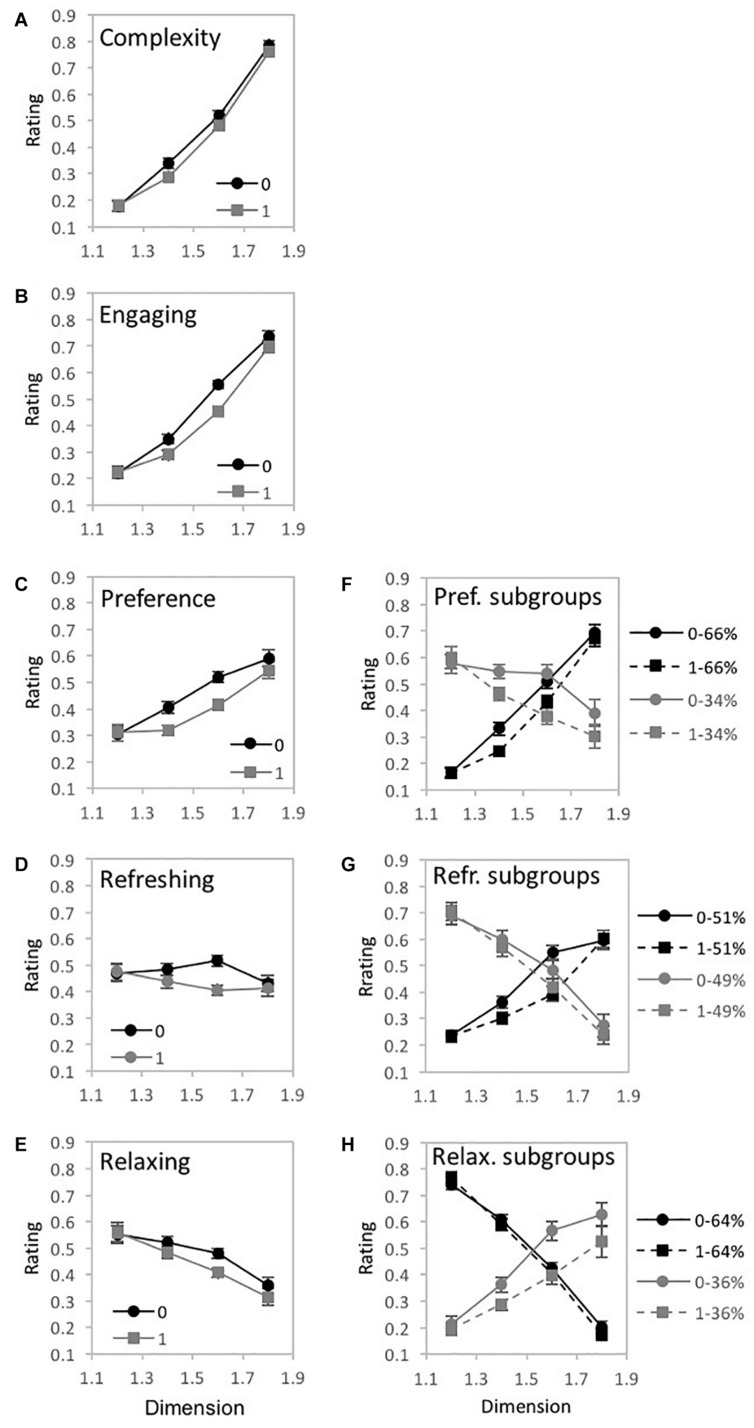
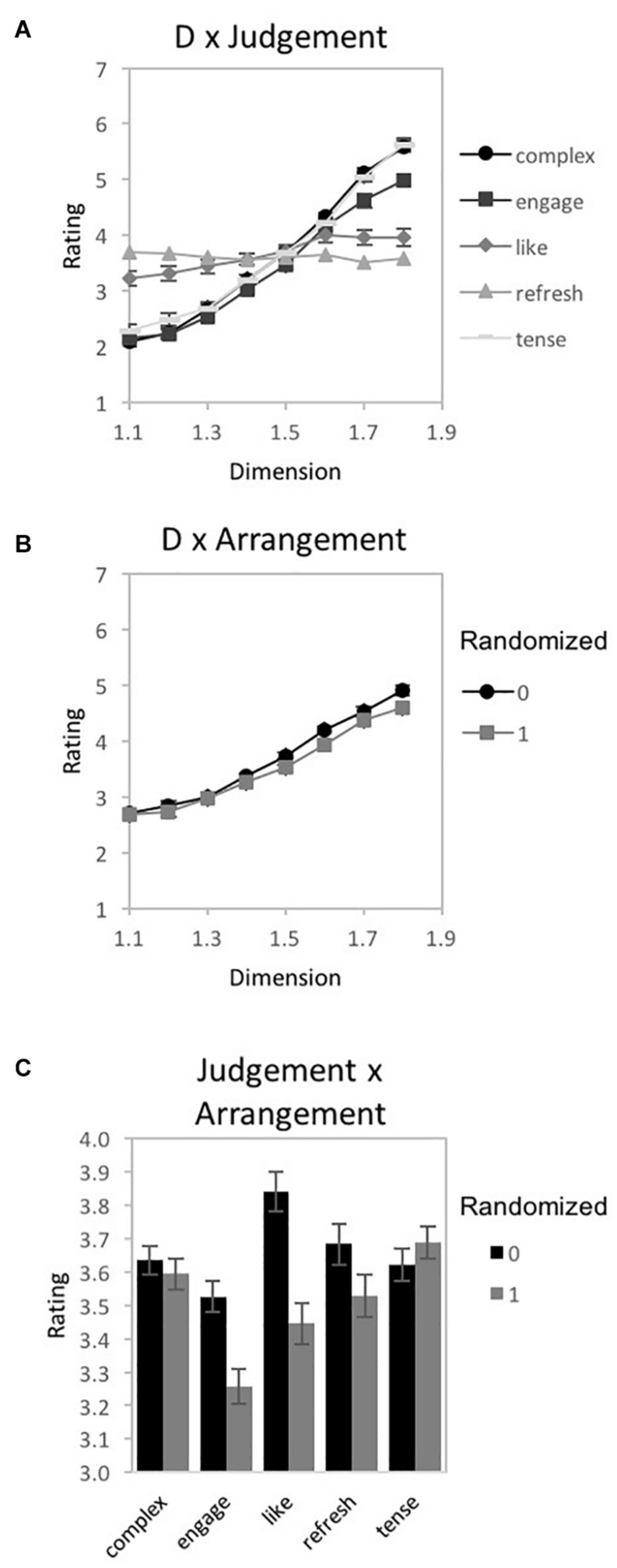
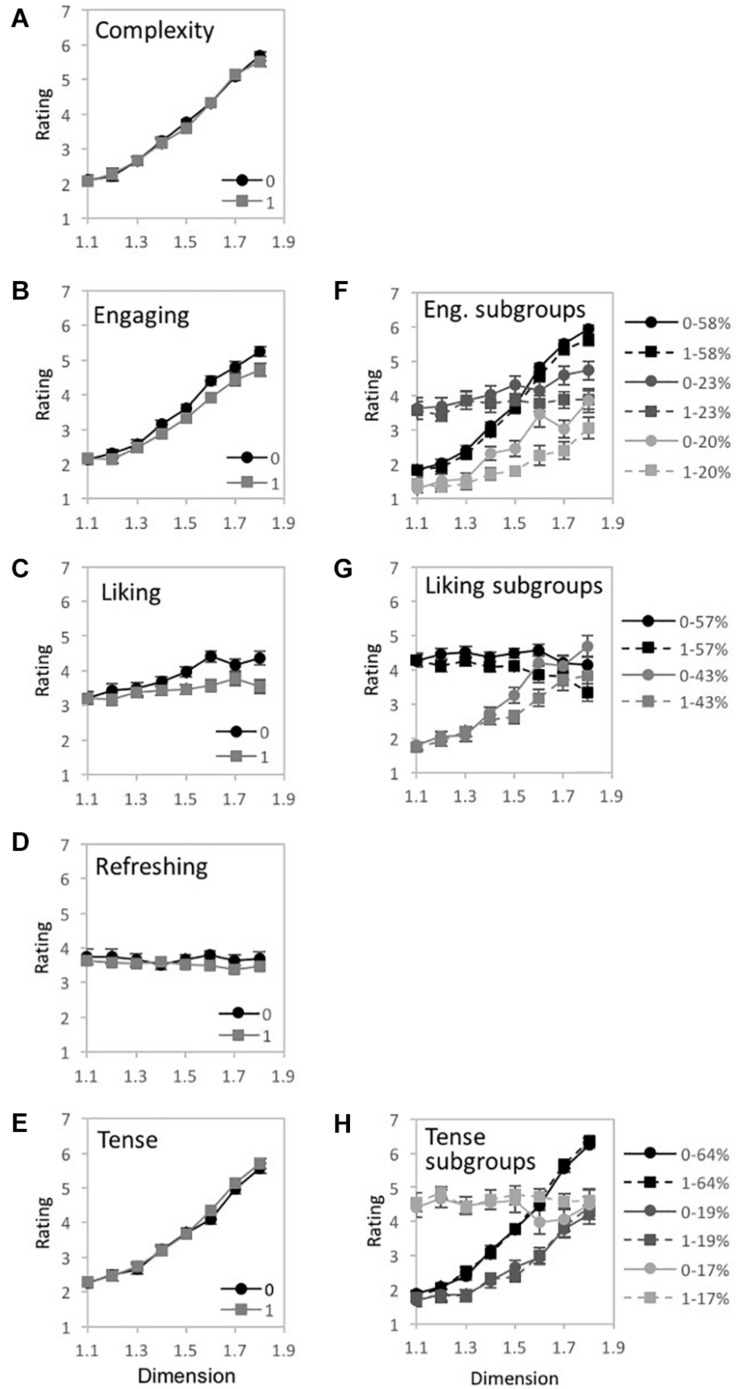
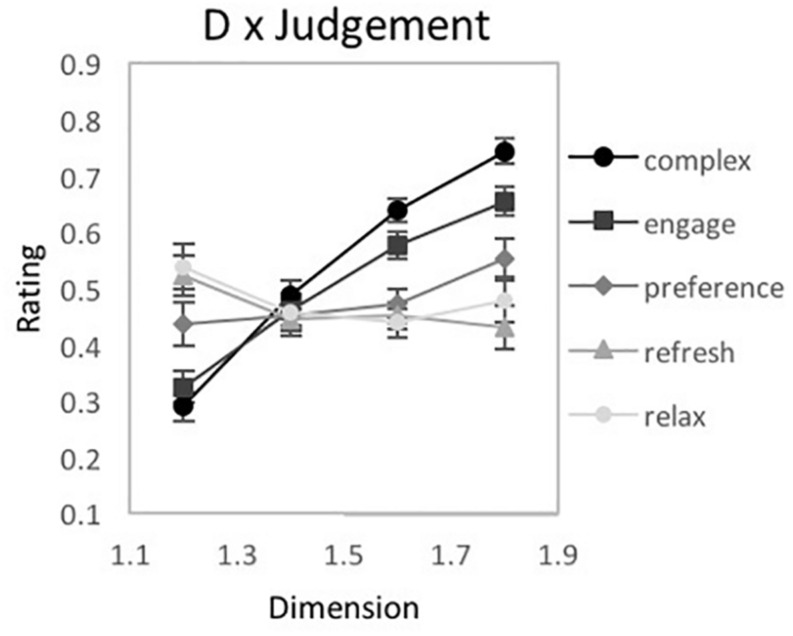
Highly prevalent in nature, fractal patterns possess self-similar components that repeat at varying size scales. The perceptual experience of human-made environments can be impacted with inclusion of these natural patterns. Previous work has demonstrated consistent trends in preference for and complexity estimates of fractal patterns. However, limited information has been gathered on the impact of other visual judgments. Here we examine the aesthetic and perceptual experience of fractal 'global-forest' designs already installed in humanmade spaces and demonstrate how fractal pattern components are associated with positive psychological experiences that can be utilized to promote occupant wellbeing. These designs are composite fractal patterns consisting of individual fractal 'tree-seeds' which combine to create a 'global fractal forest.' The local 'tree-seed' patterns, global configuration of tree-seed locations, and overall resulting 'global-forest' patterns have fractal qualities. These designs span multiple mediums yet are all intended to lower occupant stress without detracting from the function and overall design of the space. In this series of studies, we first establish divergent relationships between various visual attributes, with pattern complexity, preference, and engagement ratings increasing with fractal complexity compared to ratings of refreshment and relaxation which stay the same or decrease with complexity. Subsequently, we determine that the local constituent fractal ('tree-seed') patterns contribute to the perception of the overall fractal design, and address how to balance aesthetic and psychological effects (such as individual experiences of perceived engagement and relaxation) in fractal design installations. This set of studies demonstrates that fractal preference is driven by a balance between increased arousal (desire for engagement and complexity) and decreased tension (desire for relaxation or refreshment). Installations of these composite mid-high complexity 'global-forest' patterns consisting of 'tree-seed' components balance these contrasting needs, and can serve as a practical implementation of biophilic patterns in human-made environments to promote occupant wellbeing.
分形图案在自然界中极为普遍,具有自相似的成分,这些成分在不同的大小尺度上重复出现。人造环境中的感知体验会受到这些自然图案的影响。先前的研究已经证明,人们对分形图案的偏好和复杂性估计存在一致的趋势。然而,关于其他视觉判断的影响,所收集的信息有限。在这里,我们研究了已安装在人造空间中的分形“全球森林”设计的美学和感知体验,并展示了分形图案成分如何与积极的心理体验相关联,这些体验可用于促进居住者的幸福感。这些设计是由单个分形“树籽”组成的复合分形图案,它们组合在一起形成了一个“全球分形森林”。局部的“树籽”图案、树籽位置的全局配置以及最终形成的“全球森林”图案都具有分形特征。这些设计跨越多种媒介,但都旨在减轻居住者的压力,同时又不影响空间的功能和整体设计。在这一系列研究中,我们首先确定了各种视觉属性之间的不同关系,与提神和放松评分相比,图案复杂性、偏好和参与度评分随着分形复杂性的增加而增加,而提神和放松评分则保持不变或随着复杂性的增加而降低。随后,我们确定了局部构成分形(“树籽”)图案对整体分形设计感知的贡献,并探讨了如何在分形设计装置中平衡美学和心理效果(如个人对参与和放松的感知体验)。这组研究表明,分形偏好是由增加的唤醒感(对参与和复杂性的渴望)和降低的紧张感(对放松或提神的渴望)之间的平衡驱动的。由“树籽”成分组成的这些复合中高复杂性“全球森林”图案的装置平衡了这些相互矛盾的需求,并可作为人造环境中亲生物图案的实际应用,以促进居住者的幸福感。