Beijing Institute of Radiation Medicine, Beijing, China.
Department of Pathology, Fifth Medical Center of Chinese PLA General Hospital, Beijing, China.
Thorac Cancer. 2021 Oct;12(20):2773-2779. doi: 10.1111/1759-7714.14123. Epub 2021 Sep 6.
detection of anaplastic lymphoma receptor tyrosine kinase gene (ALK) rearrangements in patients with non-small-cell lung cancer (NSCLC) has become a routine pathological diagnosis worldwide.
there are three major conventional diagnostic methods for ALK fusions: fluorescent in situ hybridization (FISH); immunohistochemistry (Ventana IHC (D5F3)); and polymerase chain reaction (PCR). Next-generation sequencing (NGS) technology as is a new tool for ALK status detection with great potential. These four methods are highly consistent in detecting ALK status (coincidence rate >96%). However, discrepancies in ALK status have been found in some patients among these methods, which causes confusion for clinicians.
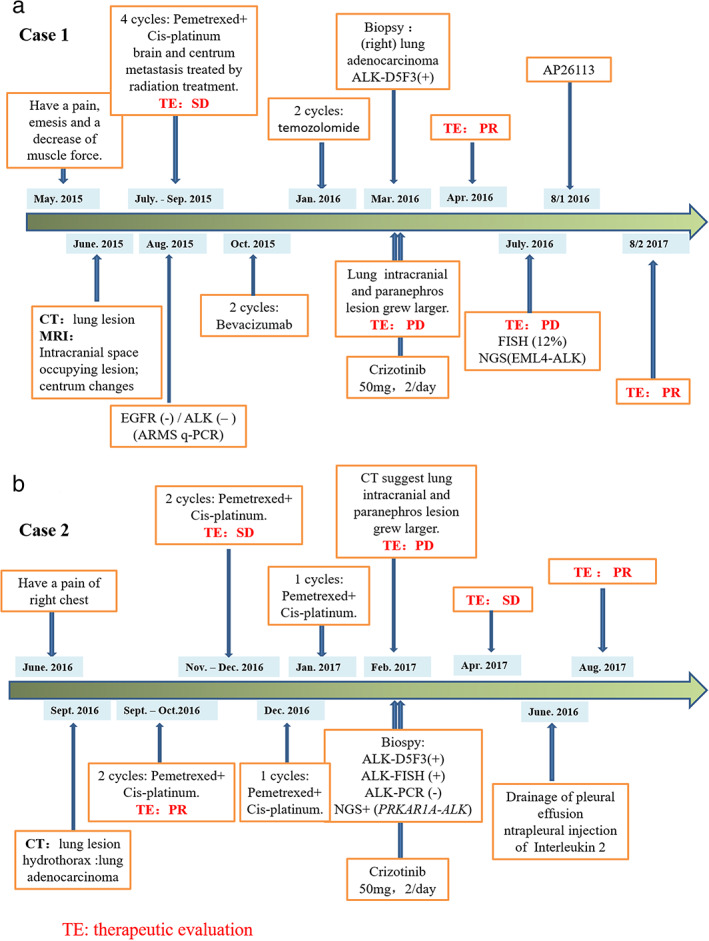
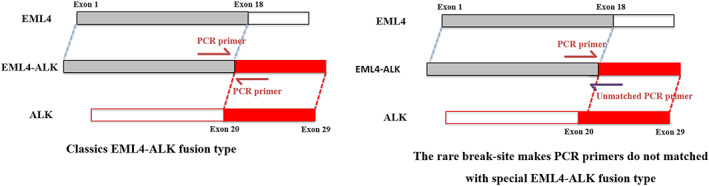
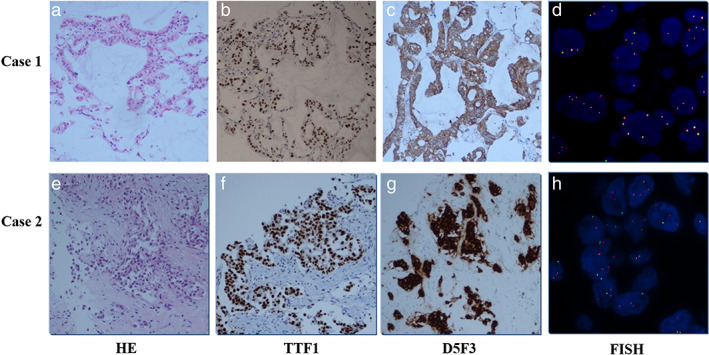
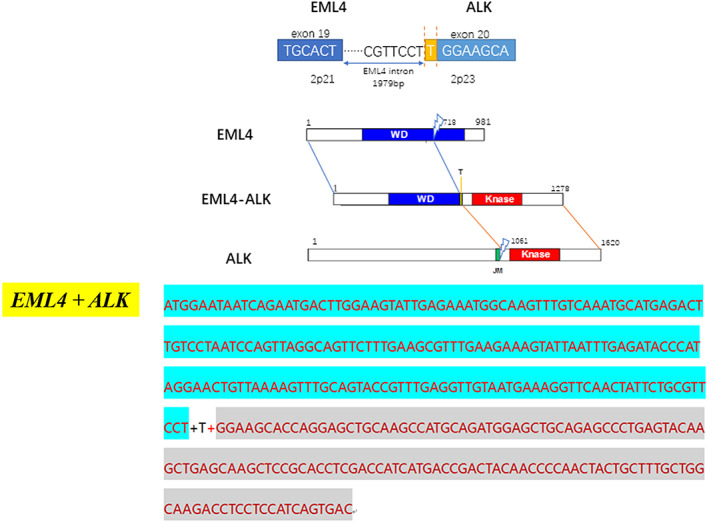
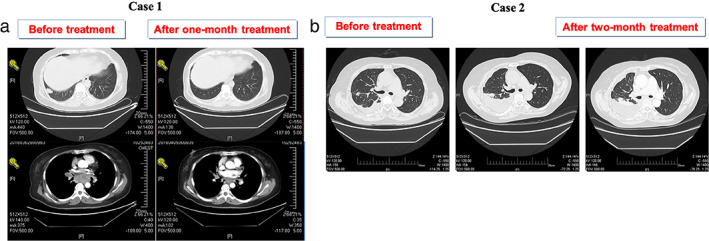
in this study, we analyzed two patients whose ALK statuses were not consistent using these four methods. We explored the potential reasons for deviation of the test results and found a novel EML4-ALK break site, which had been not described previously.
检测非小细胞肺癌(NSCLC)患者的间变性淋巴瘤受体酪氨酸激酶基因(ALK)重排已成为全球常规的病理诊断方法。
ALK 融合的三种主要常规诊断方法为:荧光原位杂交(FISH);免疫组织化学(Ventana IHC(D5F3));和聚合酶链反应(PCR)。下一代测序(NGS)技术是一种用于检测 ALK 状态的新工具,具有很大的潜力。这四种方法在检测 ALK 状态方面高度一致(一致性>96%)。然而,在这些方法中,一些患者的 ALK 状态存在差异,这给临床医生带来了困惑。
在这项研究中,我们分析了使用这四种方法检测结果不一致的两名患者。我们探讨了测试结果偏差的潜在原因,并发现了一个以前未描述过的新型 EML4-ALK 断裂点。