School of Biochemistry and Immunology, Trinity Biomedical Sciences Institute, Trinity College Dublin, 152-160 Pearse Street, Dublin, 2, Ireland.
MRC Human Immunology Unit, MRC Weatherall, Institute of Molecular Medicine, John Radcliffe Hospital, University of Oxford, Oxford, UK.
Nat Commun. 2021 Sep 10;12(1):5376. doi: 10.1038/s41467-021-25715-z.
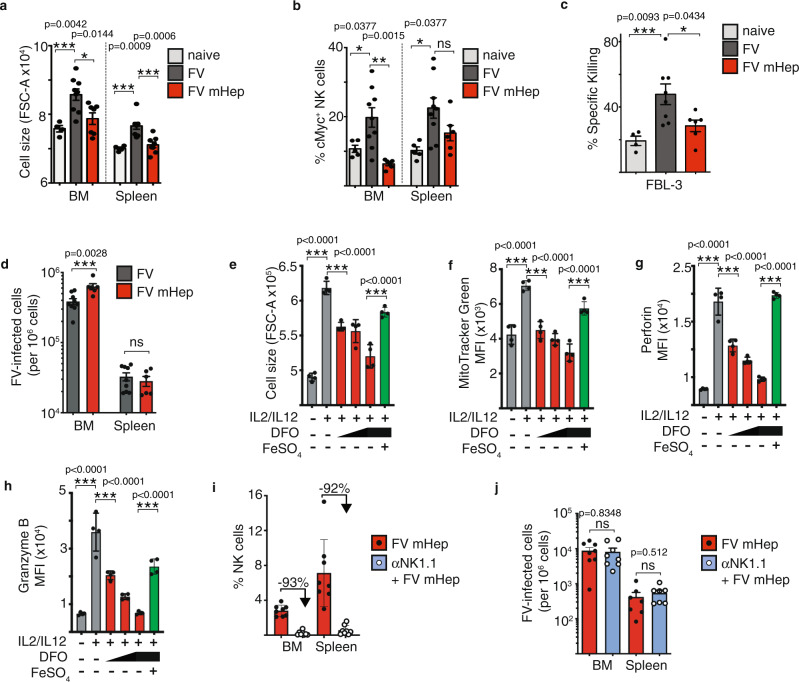
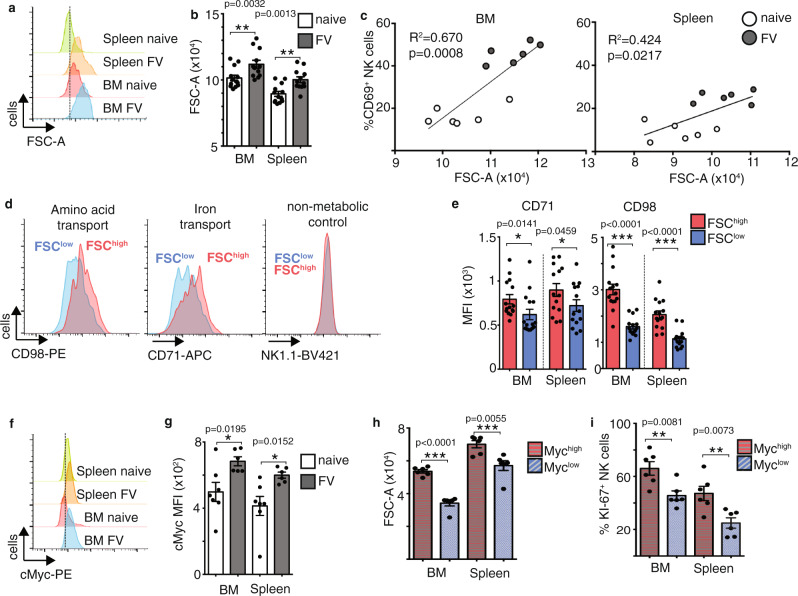
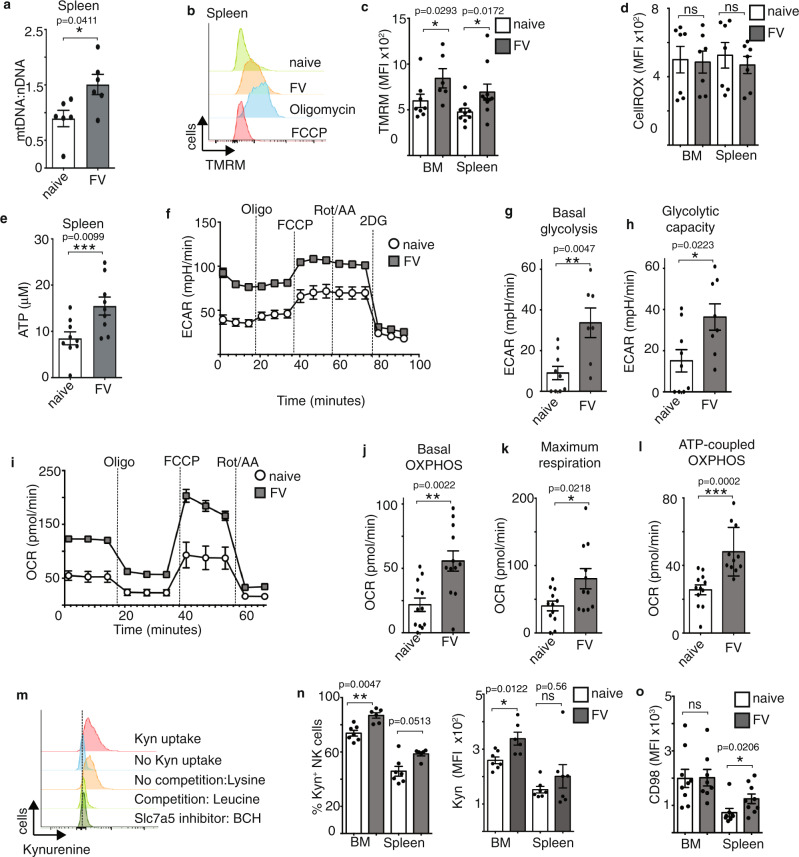
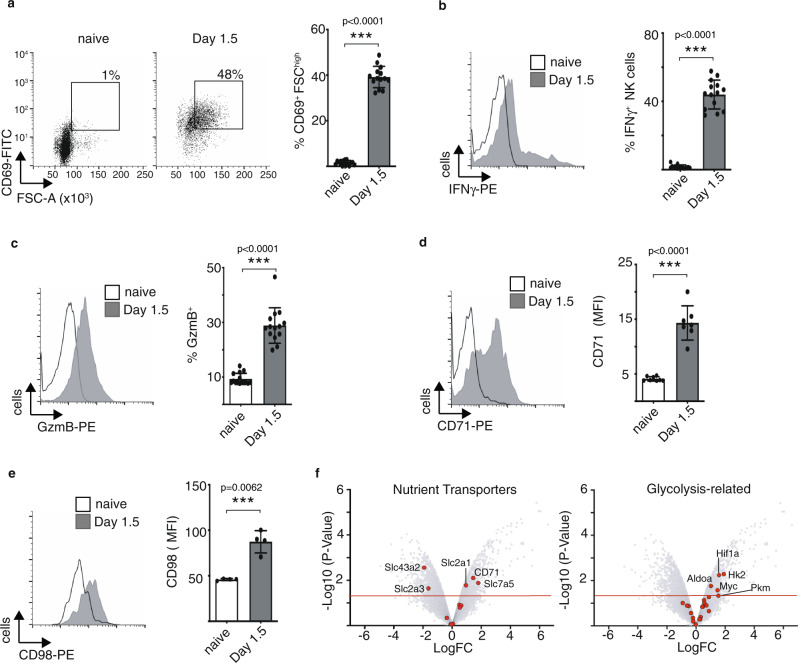
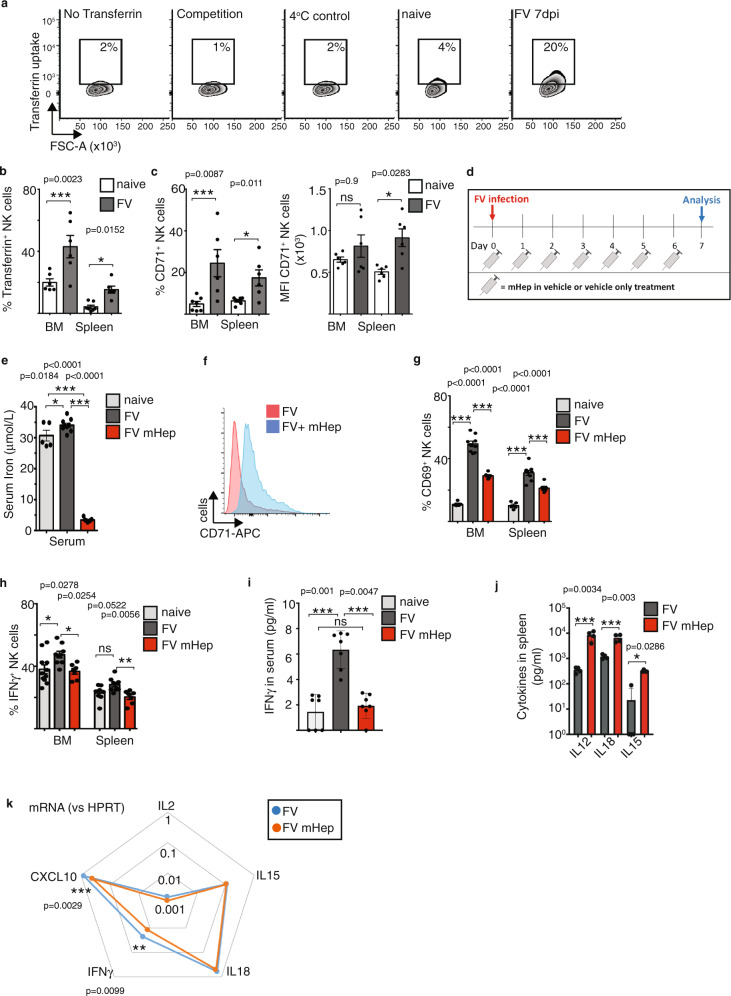
Natural killer (NK) cells are important early responders against viral infections. Changes in metabolism are crucial to fuel NK cell responses, and altered metabolism is linked to NK cell dysfunction in obesity and cancer. However, very little is known about the metabolic requirements of NK cells during acute retroviral infection and their importance for antiviral immunity. Here, using the Friend retrovirus mouse model, we show that following infection NK cells increase nutrient uptake, including amino acids and iron, and reprogram their metabolic machinery by increasing glycolysis and mitochondrial metabolism. Specific deletion of the amino acid transporter Slc7a5 has only discrete effects on NK cells, but iron deficiency profoundly impaires NK cell antiviral functions, leading to increased viral loads. Our study thus shows the requirement of nutrients and metabolism for the antiviral activity of NK cells, and has important implications for viral infections associated with altered iron levels such as HIV and SARS-CoV-2.
自然杀伤 (NK) 细胞是对抗病毒感染的重要早期反应细胞。代谢变化对于为 NK 细胞反应提供燃料至关重要,而肥胖和癌症中的代谢改变与 NK 细胞功能障碍有关。然而,人们对 NK 细胞在急性逆转录病毒感染期间的代谢需求以及它们对抗病毒免疫的重要性知之甚少。在这里,我们使用 Friend 逆转录病毒小鼠模型表明,感染后 NK 细胞增加了营养物质的摄取,包括氨基酸和铁,并通过增加糖酵解和线粒体代谢来重新编程其代谢机制。氨基酸转运蛋白 Slc7a5 的特异性缺失对 NK 细胞只有离散的影响,但铁缺乏会严重损害 NK 细胞的抗病毒功能,导致病毒载量增加。因此,我们的研究表明了营养物质和代谢对于 NK 细胞抗病毒活性的需求,这对于与铁水平改变相关的病毒感染(如 HIV 和 SARS-CoV-2)具有重要意义。