Cancer Center, Union Hospital, Tongji Medical College, Huazhong University of Science and Technology, Wuhan 430022, P. R. China.
Department of Integrated Traditional Chinese and Western Medicine, Union Hospital, Tongji Medical College, Huazhong University of Science and Technology, Wuhan 430022, P. R. China.
Int J Med Sci. 2021 Aug 19;18(15):3516-3525. doi: 10.7150/ijms.60135. eCollection 2021.
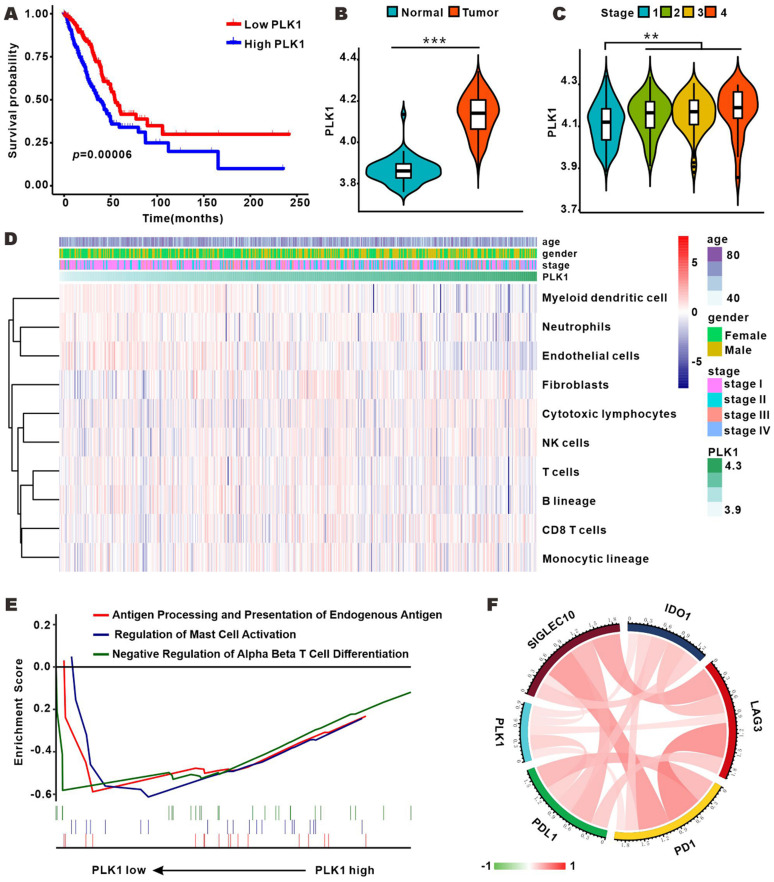
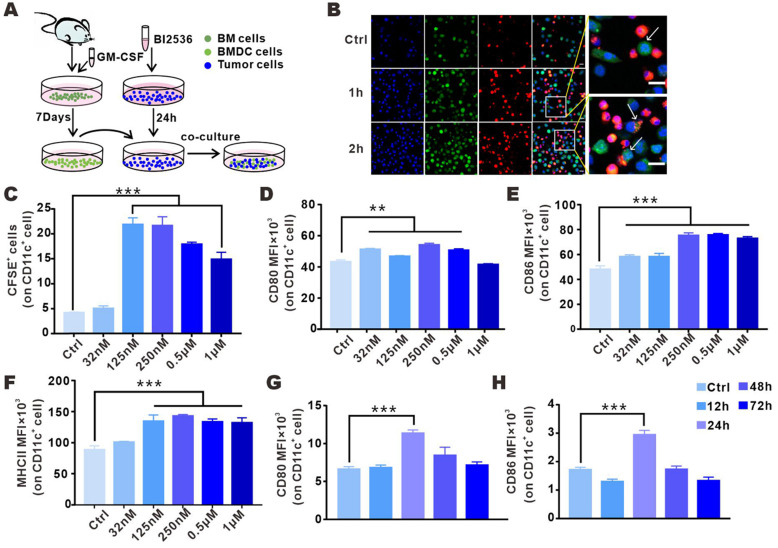
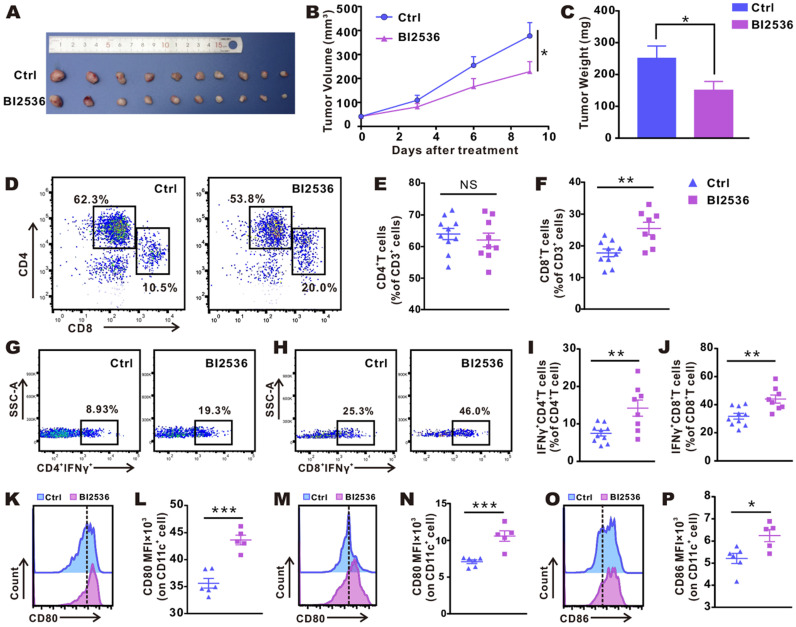
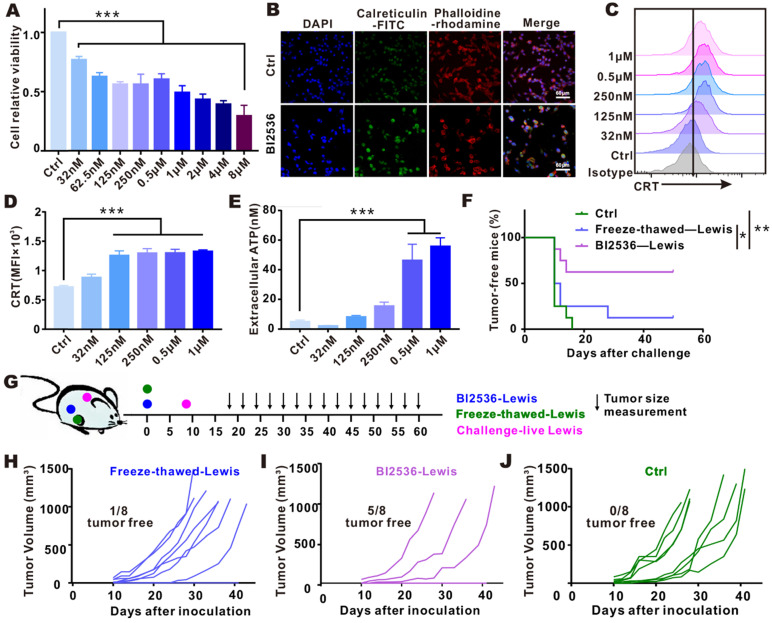
PLK1 inhibitors were shown, and to possess inhibitory activities against non-small cell lung cancer (NSCLC), and such inhibition has been proven by clinical trials. However, it remains unclear whether and how the immune microenvironment is associated with the action. In this study, we found that inhibiting PLK1 could alter the tumor immune microenvironment by increasing DC maturation, and enriching T cells infiltration. PLK1 inhibitors, serving as immunogenic cell death (ICD) inducers, indirectly activated DCs, instead of directly acting on DC cells, through the surface expression of costimulatory molecules on and enhanced phagocytosis by DCs. Furthermore, upon targeting PLK1, tumor cells that had undergone ICD were converted into an endogenous vaccine, which triggered the immune memory responses and protected the mice from tumor challenge. Collectively, these results suggested that the PLK1 inhibitor might function as an immune modulator in antitumor treatment.
PLK1 抑制剂已被证明具有抑制非小细胞肺癌(NSCLC)的活性,临床试验也已证实了这一点。然而,目前尚不清楚免疫微环境与该作用之间的关系。在本研究中,我们发现抑制 PLK1 可以通过增加 DC 成熟和增加 T 细胞浸润来改变肿瘤免疫微环境。PLK1 抑制剂作为免疫原性细胞死亡(ICD)诱导剂,通过表面表达共刺激分子和增强 DC 的吞噬作用,间接激活 DC,而不是直接作用于 DC 细胞。此外,在靶向 PLK1 后,经历 ICD 的肿瘤细胞转化为内源性疫苗,引发免疫记忆反应,保护小鼠免受肿瘤挑战。总之,这些结果表明,PLK1 抑制剂在抗肿瘤治疗中可能作为一种免疫调节剂发挥作用。