Department of Pharmacy, Beijing Chao-Yang Hospital, Capital Medical University, Beijing, China.
Department of Hepatobiliary and Pancreaticosplenic Surgery, Beijing Chao-Yang Hospital, Capital Medical University, Beijing, China.
J Postgrad Med. 2023 Jan-Mar;69(1):46-49. doi: 10.4103/jpgm.JPGM_1335_20.
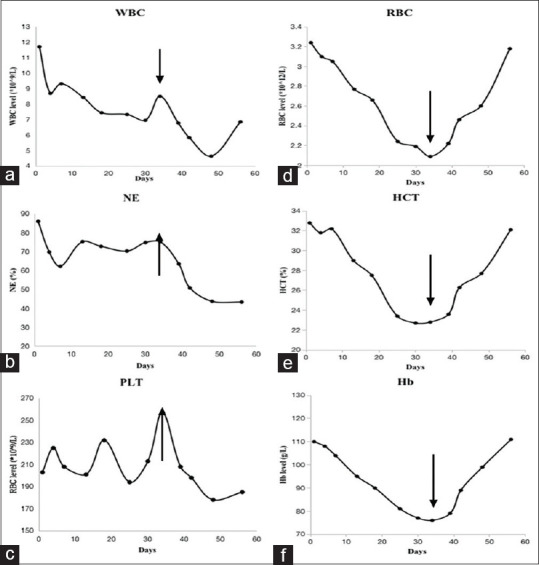
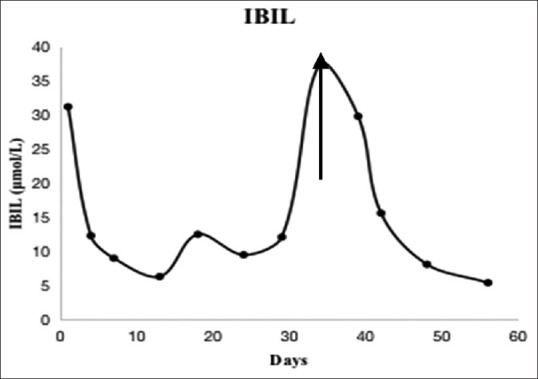
Drug-induced hemolytic anemia (DIHA) is a rare complication of drug therapy and usually underdiagnosed. Cefoperazone/sulbactam is a compound prepared from the third generation of cephalosporin and β-lactamase inhibitor. There are limited data of DIHA induced from cefoperazone/sulbactam. A 93-year-old female patient, who had an operation on the biliary tract 3 months ago, was admitted to our hospital with an abdominal infection. After cefoperazone/sulbactam was given as anti-infection treatment, the patient developed hemolytic anemia on the third day. Cefoperazone/sulbactam was discontinued and replaced with meropenem. Subsequently the level of red blood cells, hemoglobin, and hematocrit returned to normal. Clinicians should pay attention to monitoring the possible adverse reactions during the use of cefoperazone/sulbactam and should be aware of the occurrence of DIHA, so as to give timely treatment.
药物诱导性溶血性贫血(DIHA)是药物治疗的罕见并发症,通常诊断不足。头孢哌酮/舒巴坦是第三代头孢菌素和β-内酰胺酶抑制剂的复方制剂。头孢哌酮/舒巴坦引起 DIHA 的资料有限。一名 93 岁女性患者,3 个月前行胆道手术,因腹部感染入院。给予头孢哌酮/舒巴坦抗感染治疗后,患者在第 3 天出现溶血性贫血。停用头孢哌酮/舒巴坦,改用美罗培南。随后红细胞、血红蛋白和血细胞比容水平恢复正常。临床医生在使用头孢哌酮/舒巴坦时应注意监测可能的不良反应,并注意 DIHA 的发生,以便及时治疗。