Utami Amalia Mulia, Azahaf Siham, de Boer Onno J, van der Horst Chantal M A M, Meijer-Jorna Lorine B, van der Wal Allard C
Department of Pathology, Amsterdam University Medical Center, University of Amsterdam, Amsterdam, The Netherlands.
Department of Pathology Anatomy, Faculty of Medicine, Universitas Hasanuddin, Makassar, Indonesia.
J Clin Transl Res. 2021 Jul 30;7(4):540-557. eCollection 2021 Aug 26.
Arteriovenous malformations (AVM) are defined as being quiescent vascular masses composed of mature vessels. However, recent studies reported areas of microvascular proliferation (MVP) in AVM, indicating a process of angiogenesis. As this finding questions the previous definition, the primary objective of this review was to evaluate whether angiogenesis occurs in vascular malformations of skin and soft tissue, and second, to identify potential factors involved in MVP.
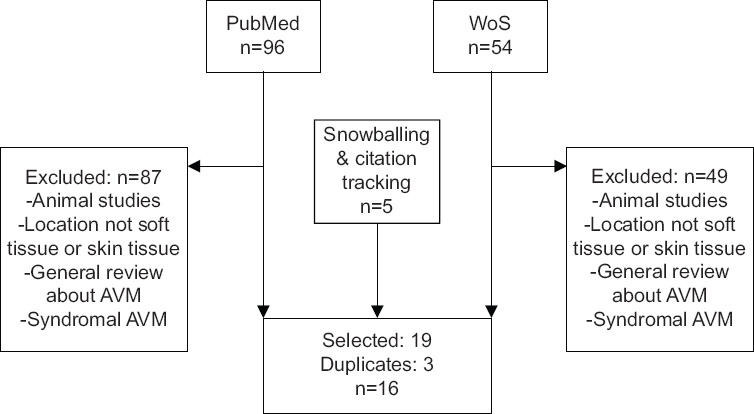
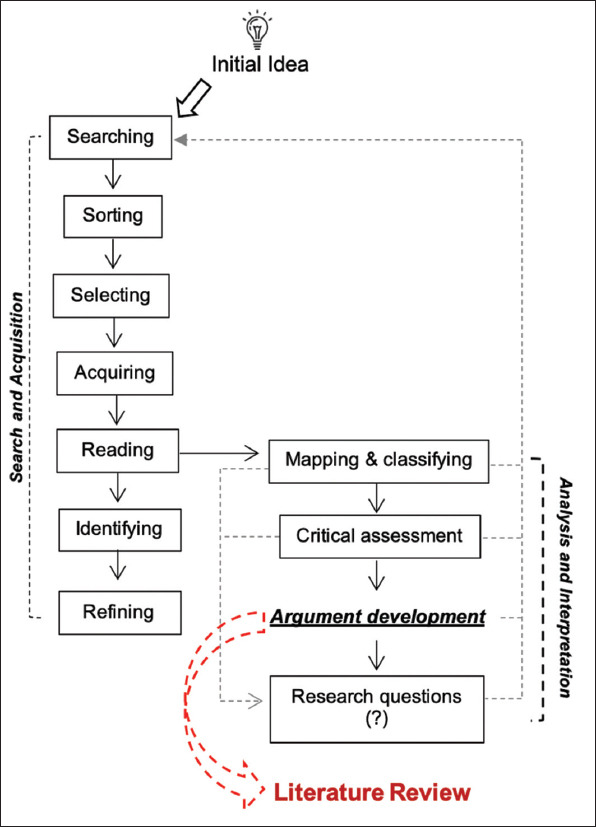
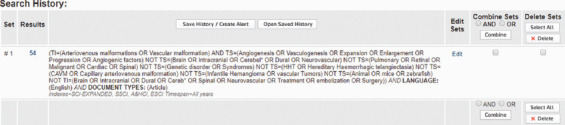
Due to the multifaceted nature of this subject, a hermeneutic methodology was used to select articles that were likely to provide a deeper understanding of MVP in vascular malformations. Through citation tracking and database searching in PubMed and Web of Science, relevant articles were identified. All study designs concerning occurrence of MVP in AVM of skin and soft tissue in all age groups were included in the study. The Newcastle-Ottawa scale was used for quality assessment.
16 studies were included in this review which reported occurrence of MVP areas in between the otherwise mature vessels of vascular malformations. In these studies, angiogenesis was reported only in AVM-type of vascular malformations. Increased levels of pro-angiogenic factors were also reported and proliferation was found most prominently during adolescence. Finally, several types of hormone receptors also have been described in tissues of AVM.
Overall, the reviewed data support occurrence of active angiogenesis, highlighted by the presence of MVP in the arteriovenous type of vascular malformations, and a possible concurrent lesion progression towards a higher Schobinger stage of clinical severity. The relative scarcity of data at present implies that further research is required to elucidate the nature of MVP in AVM, which could have implications for developing targeted pharmacotherapy.
Active angiogenesis caused by MVP in AVM patients is known to be correlating to clinical symptoms and contributing to the progression of the disease, recurrence rate, and patient's quality of life.
动静脉畸形(AVM)被定义为由成熟血管组成的静止性血管团。然而,最近的研究报道了AVM中存在微血管增殖(MVP)区域,提示有血管生成过程。由于这一发现对先前的定义提出了质疑,本综述的主要目的是评估血管生成是否发生在皮肤和软组织的血管畸形中,其次是确定参与MVP的潜在因素。
由于该主题具有多面性,采用诠释学方法选择可能有助于更深入理解血管畸形中MVP的文章。通过在PubMed和Web of Science中进行引文追踪和数据库搜索,确定了相关文章。纳入了所有关于各年龄组皮肤和软组织AVM中MVP发生情况的研究设计。采用纽卡斯尔-渥太华量表进行质量评估。
本综述纳入了16项研究,这些研究报道了在血管畸形的其他成熟血管之间存在MVP区域。在这些研究中,仅在AVM型血管畸形中报道了血管生成。还报道了促血管生成因子水平升高,且增殖在青春期最为显著。最后,在AVM组织中也描述了几种激素受体类型。
总体而言,所综述的数据支持在动静脉型血管畸形中存在MVP所突出显示的活跃血管生成,以及病变可能同时朝着临床严重程度更高的Schobinger分期进展。目前数据相对匮乏意味着需要进一步研究以阐明AVM中MVP的性质,这可能对开发靶向药物治疗有影响。
已知AVM患者中由MVP引起的活跃血管生成与临床症状相关,并促进疾病进展、复发率及患者生活质量。