Chen Guan-Yu, Pan Yi-Cheng, Wu Tung-Ying, Yao Tsung-You, Wang Wei-Jan, Shen Wan-Jou, Ahmed Azaj, Chan Shu-Ting, Tang Chih-Hsin, Huang Wei-Chien, Hung Mien-Chie, Yang Juan-Cheng, Wu Yang-Chang
Chinese Medicine Research and Development Center, Sex Hormone Research Center, Department of Obstetrics and Gynecology, Center for Molecular Medicine, China Medical University Hospital, Taichung, Taiwan.
Program for Cancer Biology and Drug Discovery, China Medical University and Academia Sinica, Taichung, Taiwan.
J Tradit Complement Med. 2022 Jan;12(1):73-89. doi: 10.1016/j.jtcme.2021.09.002. Epub 2021 Sep 16.
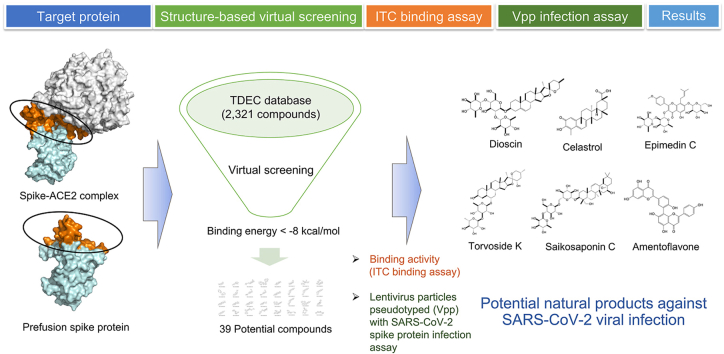
Severe acute respiratory syndrome coronavirus 2 (SARS-CoV-2) enters cells through the binding of the viral spike protein with human angiotensin-converting enzyme 2 (ACE2), resulting in the development of coronavirus disease 2019 (COVID-19). To date, few antiviral drugs are available that can effectively block viral infection. This study aimed to identify potential natural products from Taiwan Database of Extracts and Compounds (TDEC) that may prevent the binding of viral spike proteins with human ACE2 proteins.
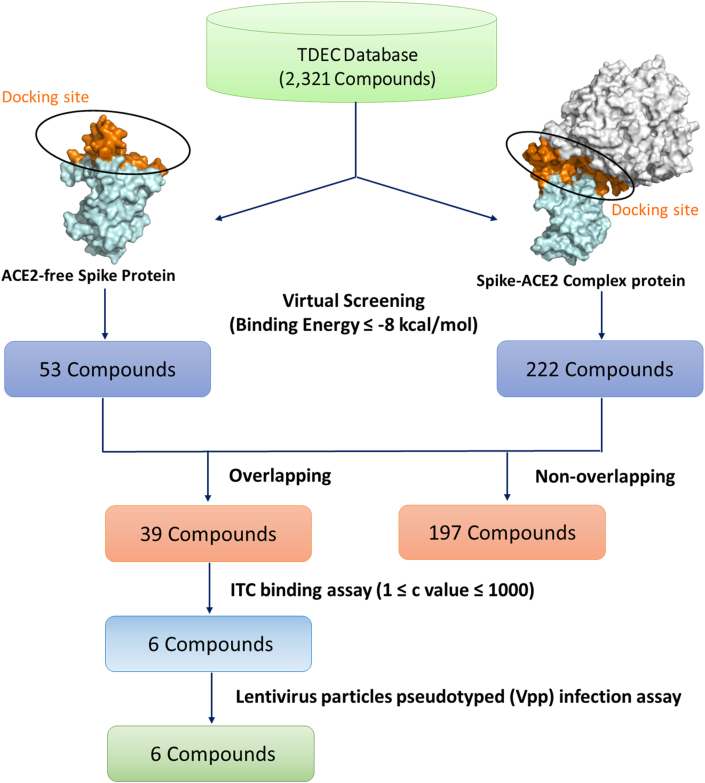
The structure-based virtual screening was performed using the AutoDock Vina program within PyRX software, the binding affinities of compounds were verified using isothermal titration calorimetry (ITC), the inhibitions of SARS-CoV-2 viral infection efficacy were examined by lentivirus particles pseudotyped (Vpp) infection assay, and the cell viability was tested by 293T cell in MTT assay.
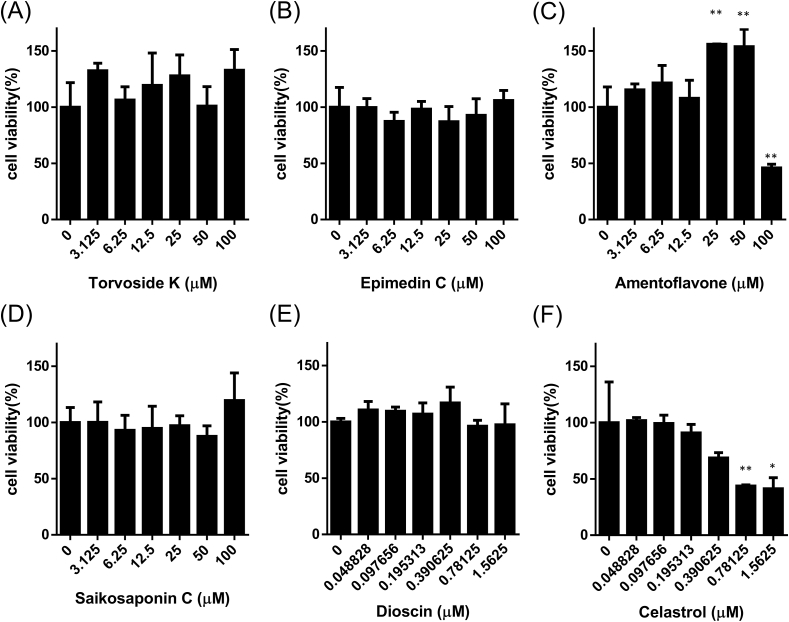
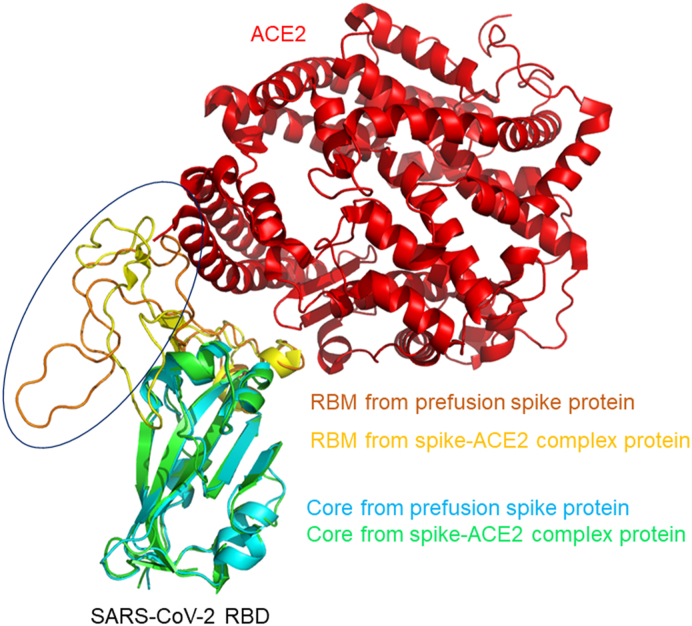
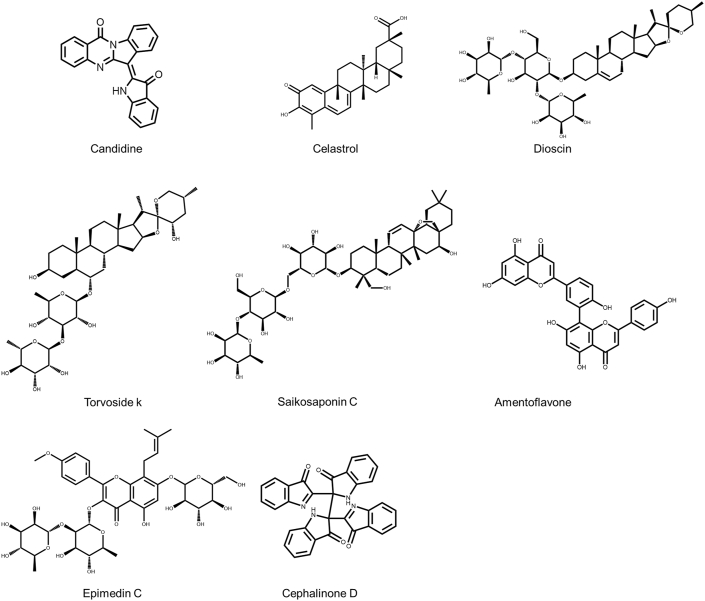
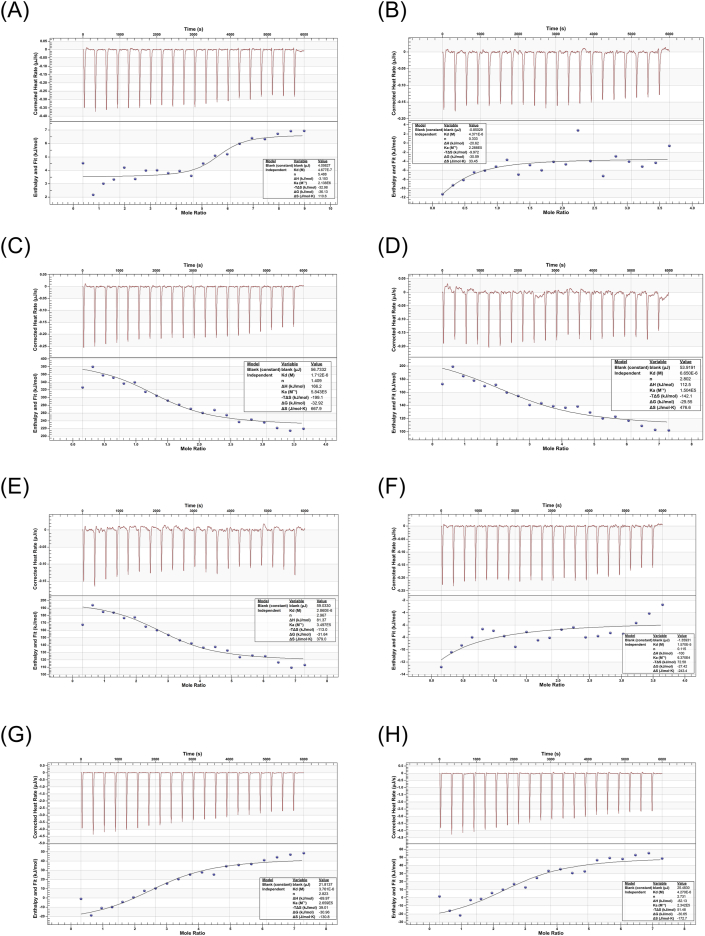
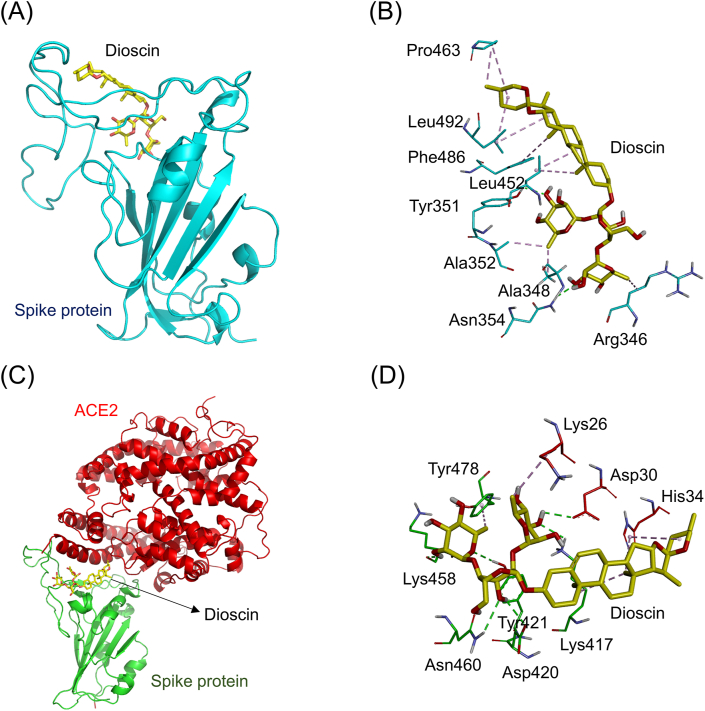
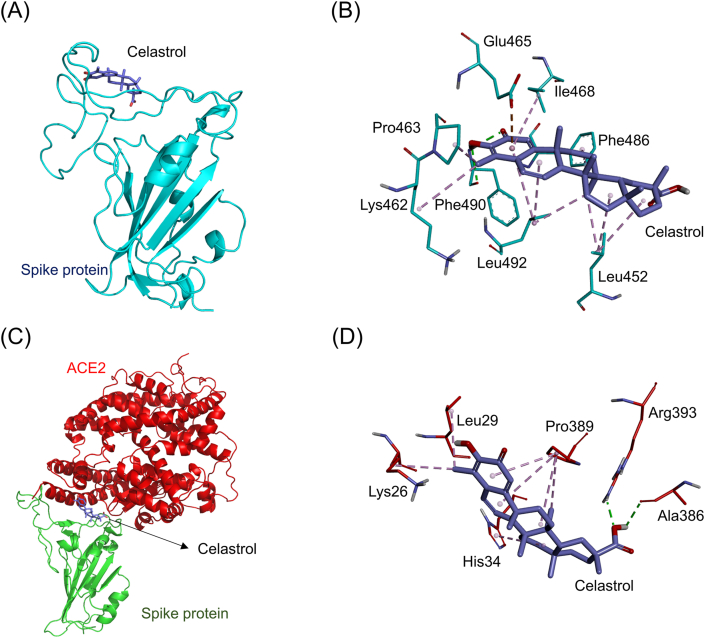
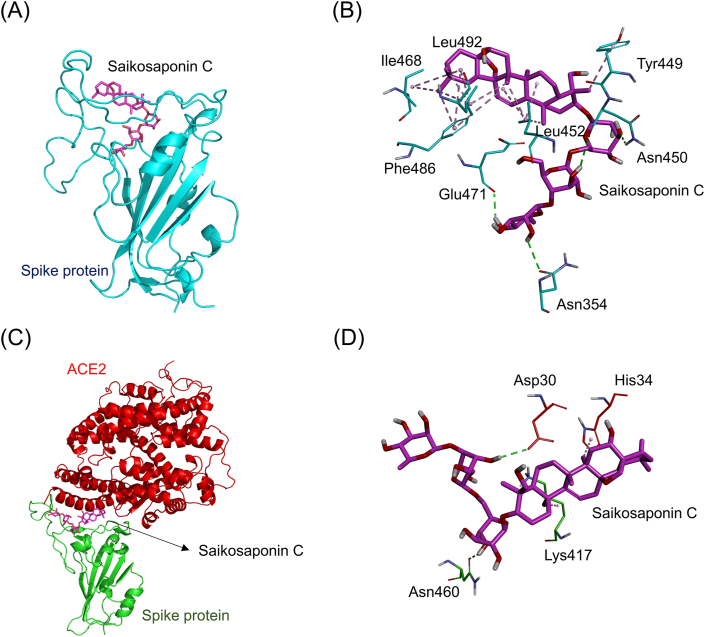
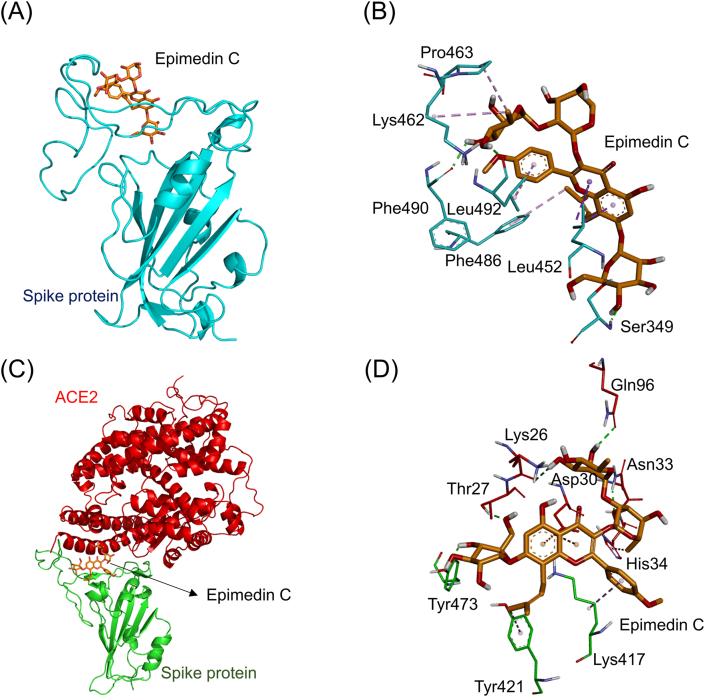
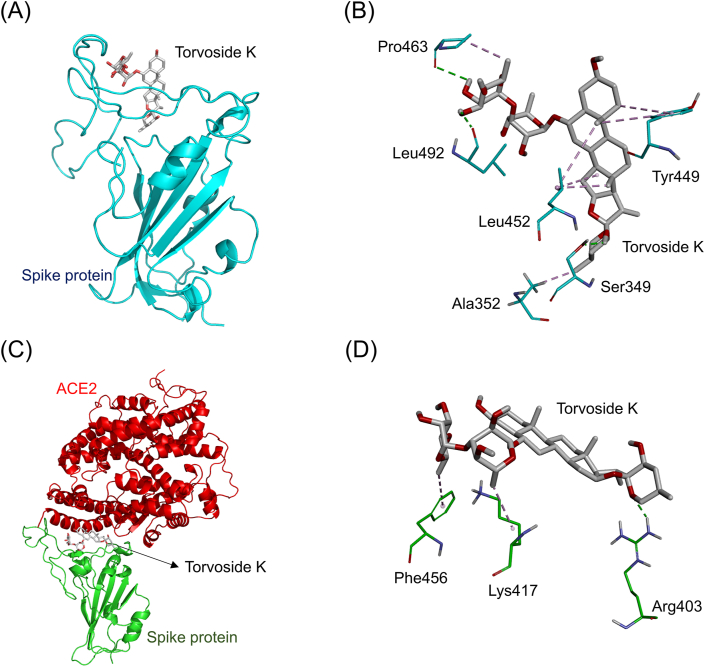
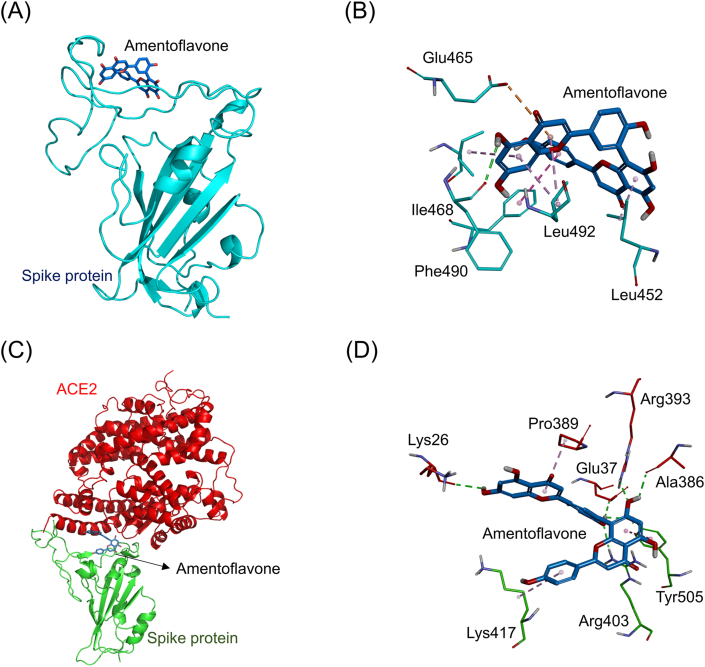
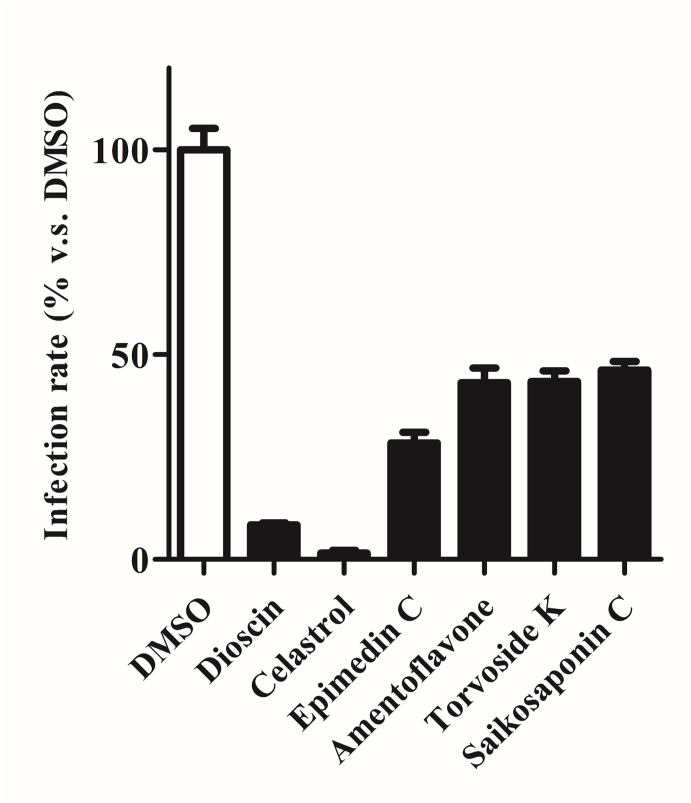
We identified 39 natural products targeting the viral receptor-binding domain (RBD) of the SARS-CoV-2 spike protein . In ITC binding assay, dioscin, celastrol, saikosaponin C, epimedin C, torvoside K, and amentoflavone showed dissociation constant ( ) = 0.468 μM, 1.712 μM, 6.650 μM, 2.86 μM, 3.761 μM and 4.27 μM, respectively. In Vpp infection assay, the compounds have significantly and consistently inhibition with the 50-90% inhibition of viral infection efficacy. In cell viability, torvoside K, epimedin, amentoflavone, and saikosaponin C showed IC > 100 μM; dioscin and celastrol showed IC = 1.5625 μM and 0.9866 μM, respectively. These natural products may bind to the viral spike protein, preventing SARS-CoV-2 from entering cells.
SECTION 1: Natural Products.
SARS-CoV-2, Structure-Based Virtual Screening, Isothermal Titration Calorimetry and Lentivirus Particles Pseudotyped (Vpp) Infection Assay, and study
严重急性呼吸综合征冠状病毒2(SARS-CoV-2)通过病毒刺突蛋白与人血管紧张素转换酶2(ACE2)结合进入细胞,导致2019冠状病毒病(COVID-19)的发生。迄今为止,几乎没有可有效阻断病毒感染的抗病毒药物。本研究旨在从台湾提取物与化合物数据库(TDEC)中鉴定可能阻止病毒刺突蛋白与人ACE2蛋白结合的潜在天然产物。
使用PyRX软件中的AutoDock Vina程序进行基于结构的虚拟筛选,采用等温滴定量热法(ITC)验证化合物的结合亲和力,通过慢病毒颗粒假型(Vpp)感染试验检测对SARS-CoV-2病毒感染效力的抑制作用,并在MTT试验中用293T细胞检测细胞活力。
我们鉴定出39种靶向SARS-CoV-2刺突蛋白病毒受体结合域(RBD)的天然产物。在ITC结合试验中,薯蓣皂苷、雷公藤红素、柴胡皂苷C、淫羊藿苷C、托沃皂苷K和穗花杉双黄酮的解离常数( )分别为0.468 μM、1.712 μM、6.650 μM、2.86 μM、3.761 μM和4.27 μM。在Vpp感染试验中,这些化合物对病毒感染效力有显著且一致的抑制作用,抑制率为50 - 90%。在细胞活力方面,托沃皂苷K、淫羊藿苷、穗花杉双黄酮和柴胡皂苷C的半数抑制浓度(IC )>100 μM;薯蓣皂苷和雷公藤红素的IC 分别为1.5625 μM和0.9866 μM。这些天然产物可能与病毒刺突蛋白结合,阻止SARS-CoV-2进入细胞。
第1节:天然产物。
Evise分类法:SARS-CoV-2、基于结构的虚拟筛选、等温滴定量热法和慢病毒颗粒假型(Vpp)感染试验,以及研究