Lemay David John, Bazelais Paul, Doleck Tenzin
McGill University, Canada.
John Abbott College, Canada.
Comput Hum Behav Rep. 2021 Aug-Dec;4:100130. doi: 10.1016/j.chbr.2021.100130. Epub 2021 Aug 1.
With the new pandemic reality that has beset us, teaching and learning activities have been thrust online. While much research has explored student perceptions of online and distance learning, none has had a social laboratory to study the effects of an enforced transition on student perceptions of online learning.
We surveyed students about their perceptions of online learning before and after the transition to online learning. As student perceptions are influenced by a range of contextual and institutional factors beyond the classroom, we expected that students would be overall sanguine to the project given that access, technology integration, and family and government support during the pandemic shutdown would mitigate the negative consequences.
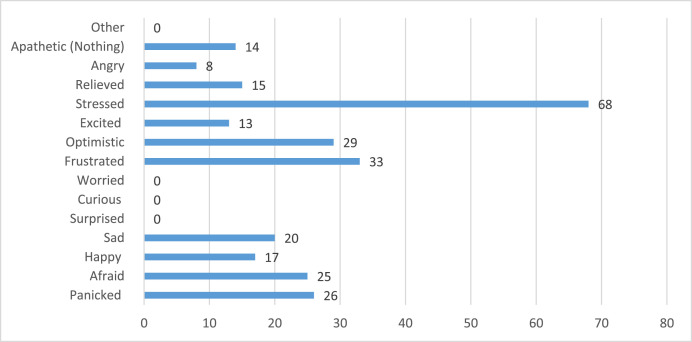
Students overall reported positive academic outcomes. However, students reported increased stress and anxiety and difficulties concentrating, suggesting that the obstacles to fully online learning were not only technological and instructional challenges but also social and affective challenges of isolation and social distancing.
Our analysis shows that the specific context of the pandemic disrupted more than normal teaching and learning activities. Whereas students generally responded positively to the transition, their reluctance to continue learning online and the added stress and workload show the limits of this large scale social experiment. In addition to the technical and pedagogical dimensions, successfully supporting students in online learning environments will require that teachers and educational technologists attend to the social and affective dimensions of online learning as well.
随着困扰我们的新的疫情现实,教学活动已转向线上。虽然有许多研究探讨了学生对在线和远程学习的看法,但没有一个社会实验室来研究强制过渡对学生在线学习看法的影响。
我们调查了学生在过渡到在线学习之前和之后对在线学习的看法。由于学生的看法受到课堂之外一系列背景和机构因素的影响,我们预计,鉴于疫情封锁期间的接入、技术整合以及家庭和政府的支持将减轻负面影响,学生总体上会对该项目持乐观态度。
学生总体上报告了积极的学业成果。然而,学生报告说压力和焦虑增加,难以集中注意力,这表明完全在线学习的障碍不仅是技术和教学方面的挑战,也是隔离和社交距离带来的社会和情感挑战。
我们的分析表明,疫情的特殊背景扰乱的不仅仅是正常的教学活动。虽然学生总体上对过渡反应积极,但他们不愿继续在线学习以及增加的压力和工作量显示了这项大规模社会实验的局限性。除了技术和教学层面,要在在线学习环境中成功支持学生,教师和教育技术专家还需要关注在线学习的社会和情感层面。