Centre for Cancer Cell Biology and Drug Discovery, Griffith Institute for Drug Discovery, Griffith University, Nathan, Brisbane, QLD 4111, Australia.
Department of Pathology and Biological Responses, Nagoya University Graduate School of Medicine, Nagoya 466-8550, Japan.
Cells. 2021 Sep 10;10(9):2382. doi: 10.3390/cells10092382.
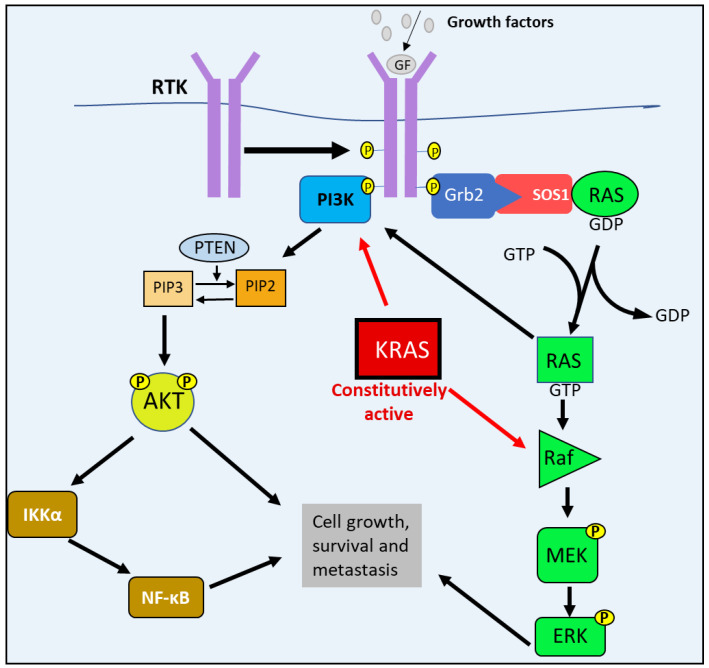
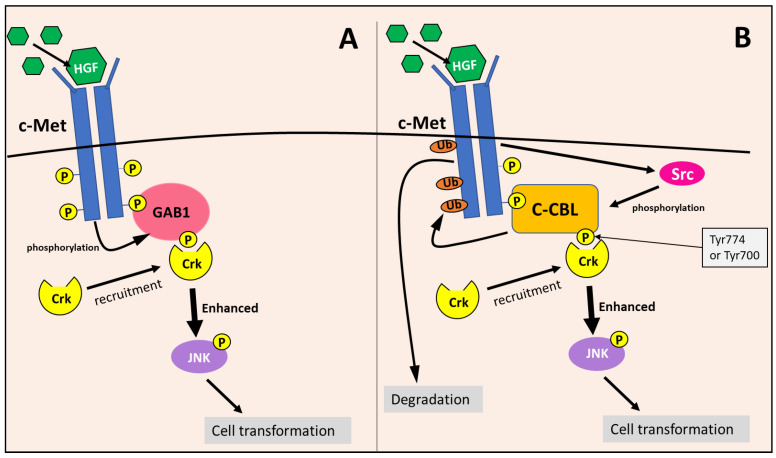
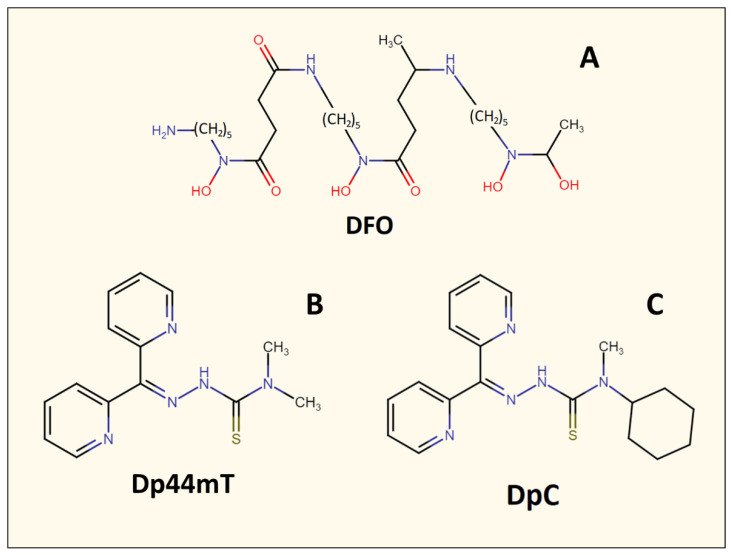
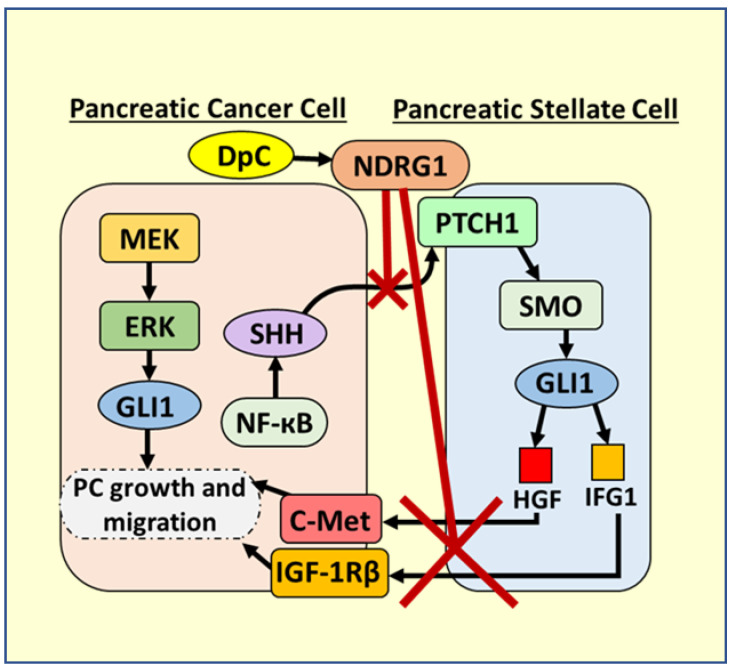
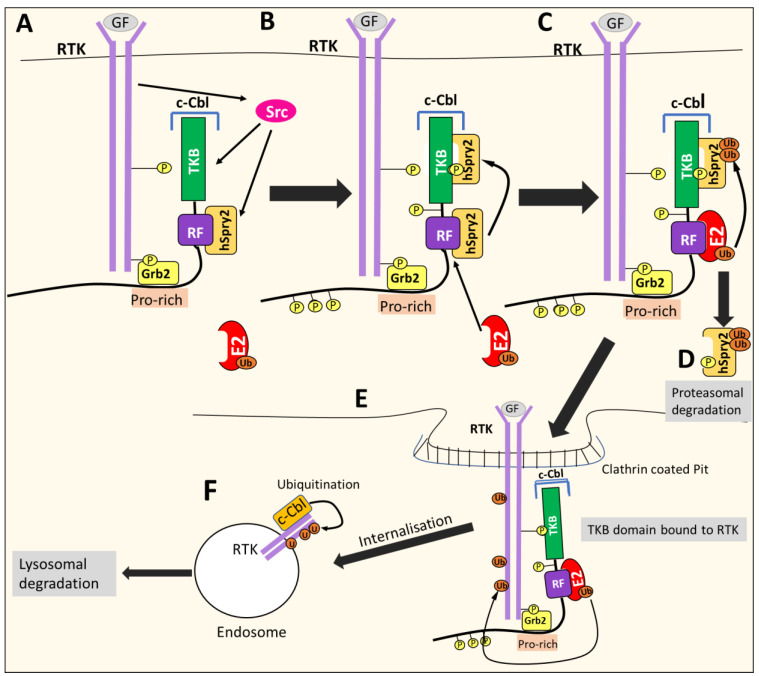
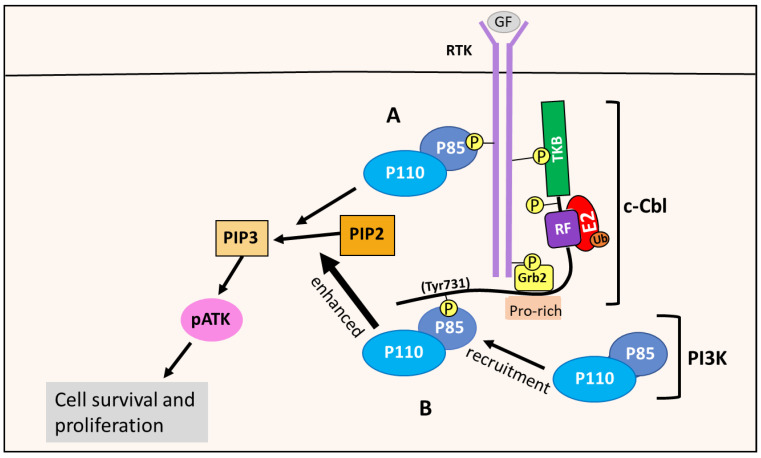
NDRG1 is an oncogenic signaling disruptor that plays a key role in multiple cancers, including aggressive pancreatic tumors. Recent studies have indicated a role for NDRG1 in the inhibition of multiple tyrosine kinases, including EGFR, c-Met, HER2 and HER3, etc. The mechanism of activity of NDRG1 remains unclear, but to impart some of its functions, NDRG1 binds directly to key effector molecules that play roles in tumor suppression, e.g., MIG6. More recent studies indicate that NDRG1s-inducing drugs, such as novel di-2-pyridylketone thiosemicarbazones, not only inhibit tumor growth and metastasis but also fibrous desmoplasia, which leads to chemotherapeutic resistance. The Casitas B-lineage lymphoma (c-Cbl) protein may be regulated by NDRG1, and is a crucial E3 ligase that regulates various protein tyrosine and receptor tyrosine kinases, primarily via ubiquitination. The c-Cbl protein can act as a tumor suppressor by promoting the degradation of receptor tyrosine kinases. In contrast, c-Cbl can also promote tumor development by acting as a docking protein to mediate the oncogenic c-Met/Crk/JNK and PI3K/AKT pathways. This review hypothesizes that NDRG1 could inhibit the oncogenic function of c-Cbl, which may be another mechanism of its tumor-suppressive effects.
NDRG1 是一种致癌信号破坏因子,在多种癌症中发挥关键作用,包括侵袭性胰腺肿瘤。最近的研究表明,NDRG1 在抑制多种酪氨酸激酶方面发挥作用,包括 EGFR、c-Met、HER2 和 HER3 等。NDRG1 的活性机制尚不清楚,但为了发挥其部分功能,NDRG1 直接与在肿瘤抑制中发挥作用的关键效应分子结合,例如 MIG6。最近的研究表明,NDRG1 诱导药物,如新型二吡啶酮硫代半卡巴腙,不仅抑制肿瘤生长和转移,还抑制纤维性纤维组织增生,从而导致化疗耐药。Casitas B 细胞淋巴瘤(c-Cbl)蛋白可能受 NDRG1 调节,是一种关键的 E3 连接酶,可通过泛素化调节各种蛋白酪氨酸和受体酪氨酸激酶。c-Cbl 蛋白可通过促进受体酪氨酸激酶的降解而发挥肿瘤抑制作用。相比之下,c-Cbl 也可通过作为衔接蛋白来介导致癌的 c-Met/Crk/JNK 和 PI3K/AKT 途径而促进肿瘤的发展。本综述假设 NDRG1 可抑制 c-Cbl 的致癌功能,这可能是其肿瘤抑制作用的另一种机制。