Department of Pathology, Case Western Reserve University, 2103 Cornell Road, Cleveland, OH, 44106, USA.
Department of Pharmaceutical Sciences, School of Pharmacy and Pharmaceutical Sciences, University at Buffalo, the State University of New York, Buffalo, NY, 14214, USA.
Mol Neurodegener. 2021 Sep 30;16(1):70. doi: 10.1186/s13024-021-00484-x.
N6-methyladenosine (mA) modification of RNA influences fundamental aspects of RNA metabolism and mA dysregulation is implicated in various human diseases. In this study, we explored the potential role of RNA mA modification in the pathogenesis of Alzheimer disease (AD).
We investigated the mA modification and the expression of mA regulators in the brain tissues of AD patients and determined the impact and underlying mechanism of manipulated expression of mA levels on AD-related deficits both in vitro and in vivo.
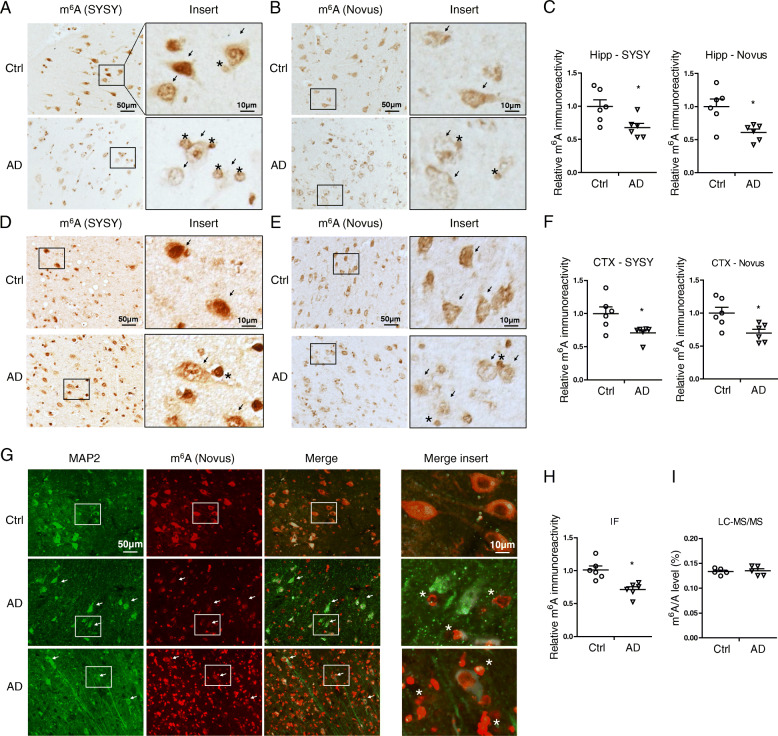
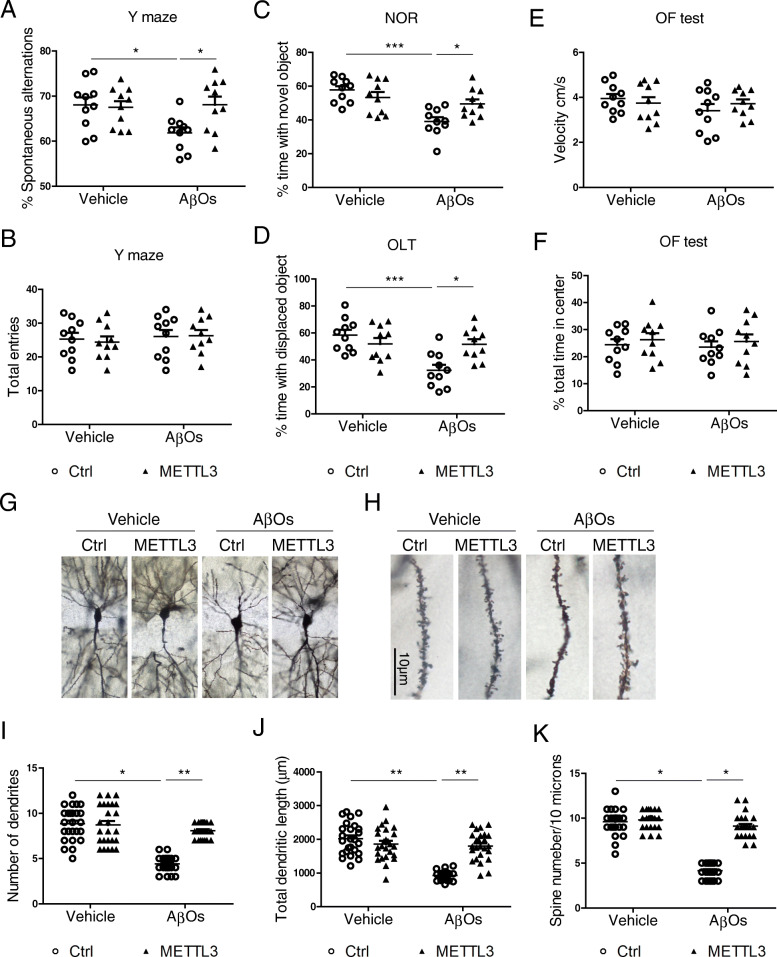
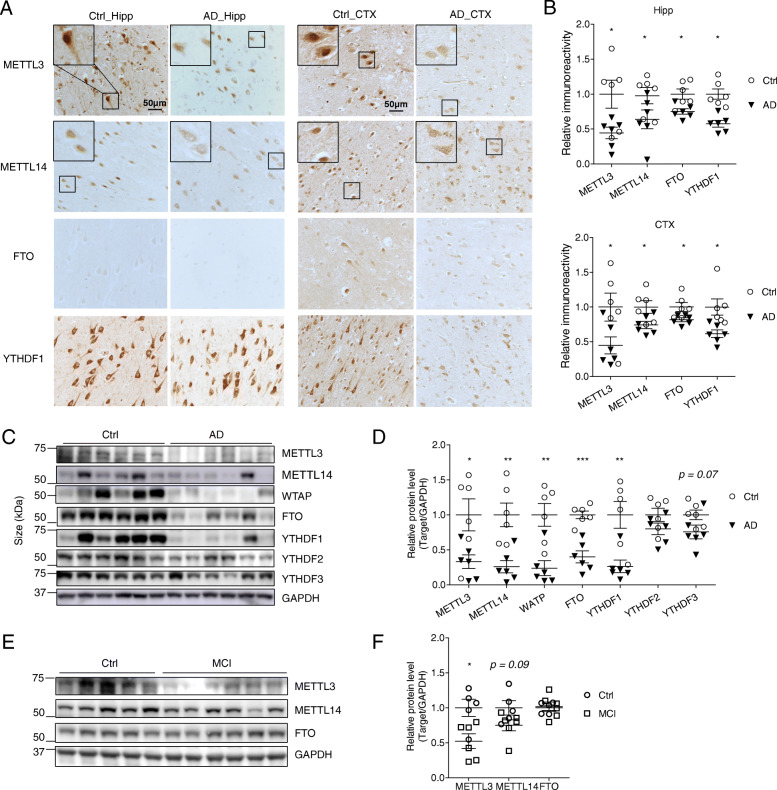
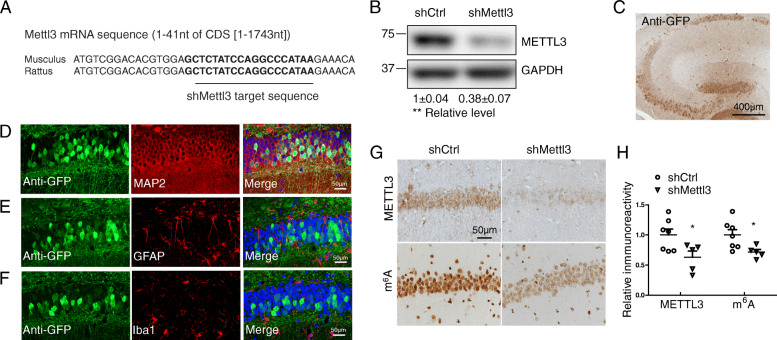
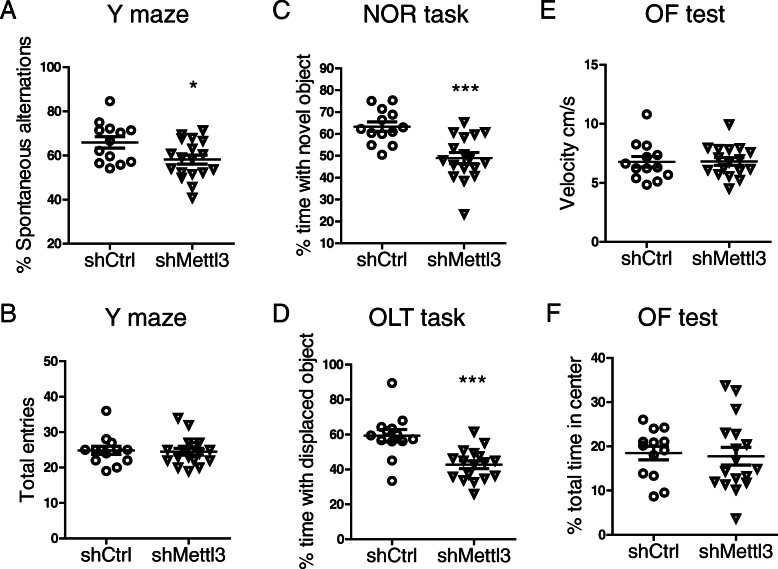
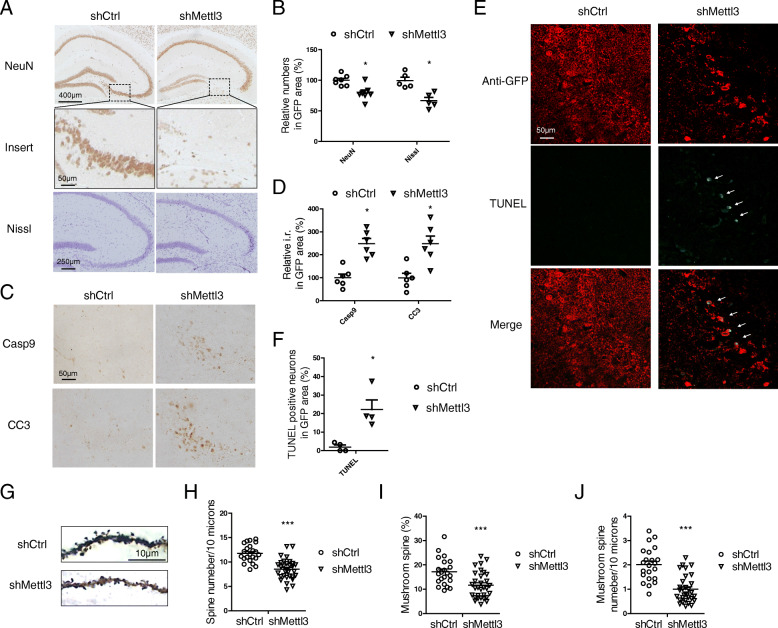
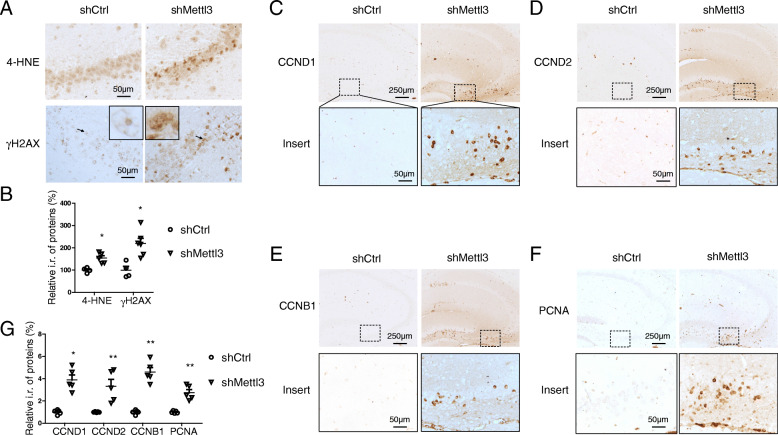
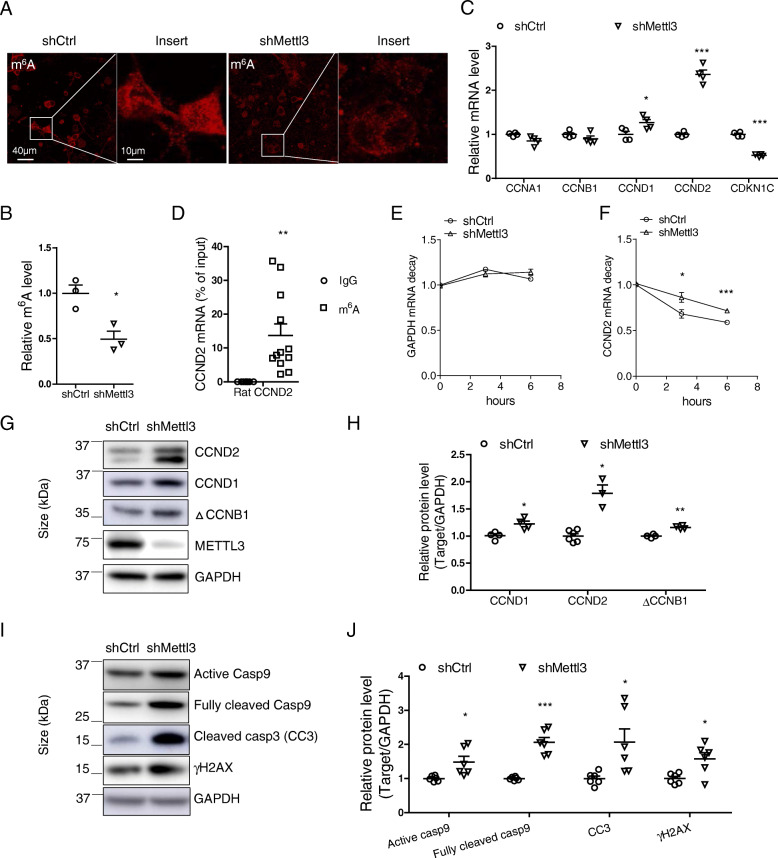
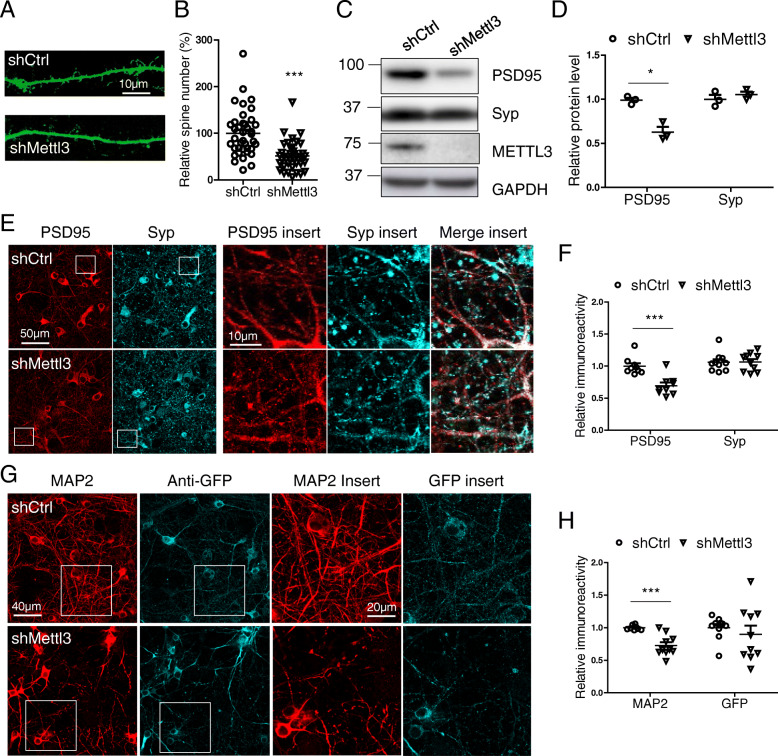
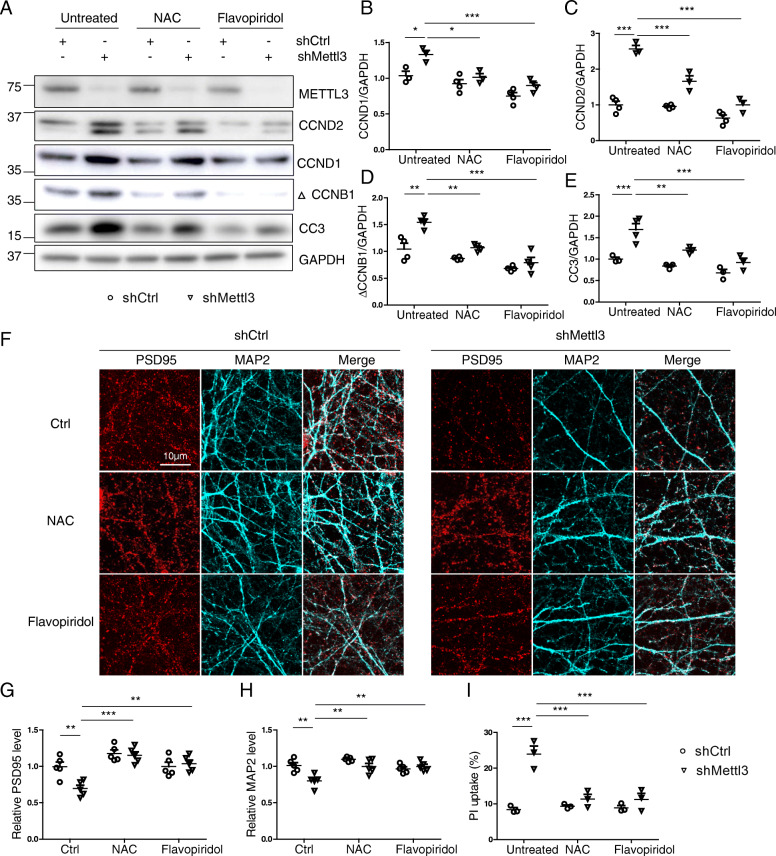
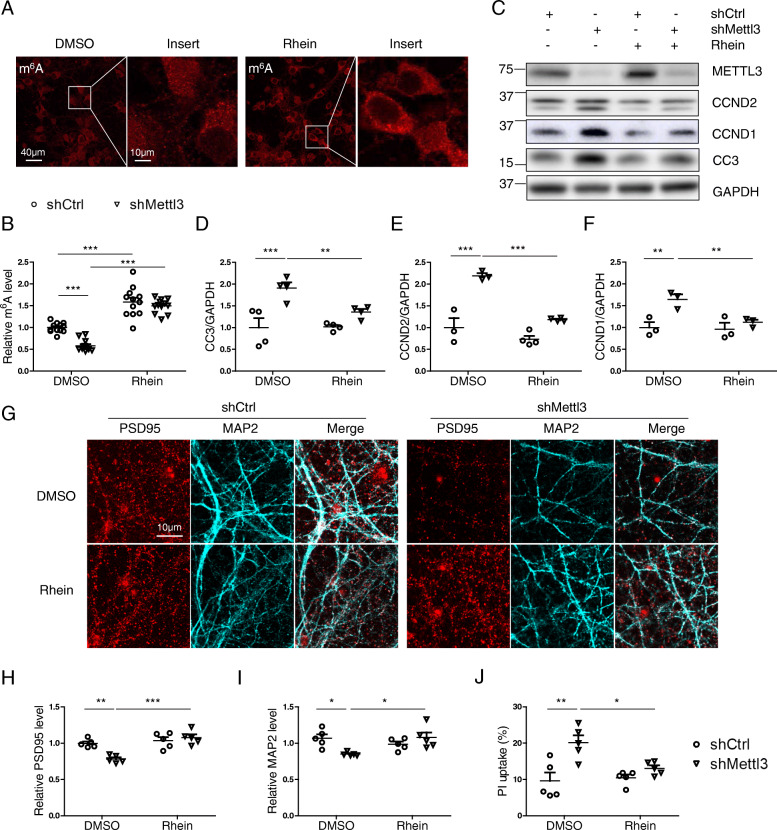
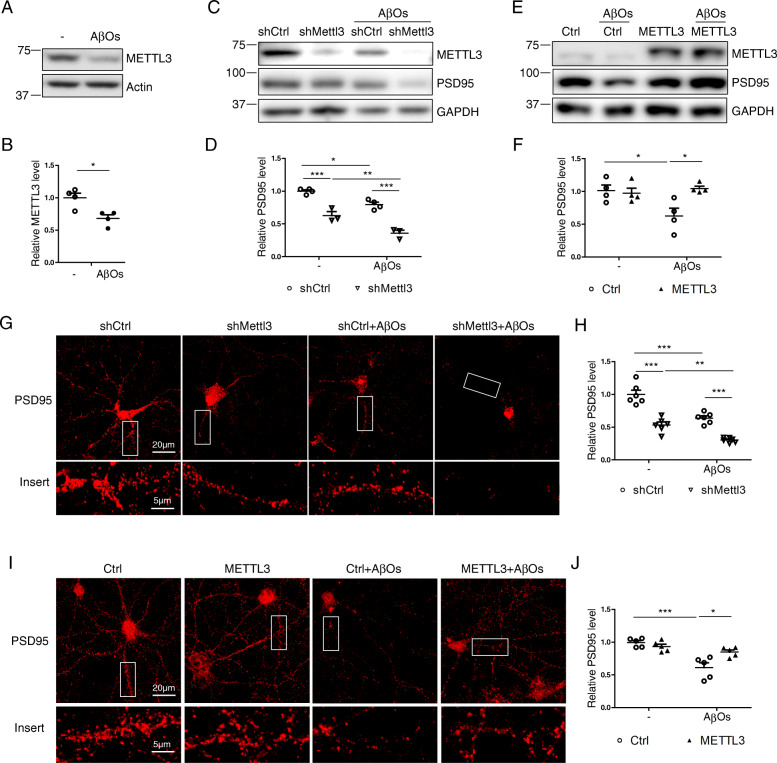
We found decreased neuronal mA levels along with significantly reduced expression of mA methyltransferase like 3 (METTL3) in AD brains. Interestingly, reduced neuronal mA modification in the hippocampus caused by METTL3 knockdown led to significant memory deficits, accompanied by extensive synaptic loss and neuronal death along with multiple AD-related cellular alterations including oxidative stress and aberrant cell cycle events in vivo. Inhibition of oxidative stress or cell cycle alleviated shMettl3-induced apoptotic activation and neuronal damage in primary neurons. Restored mA modification by inhibiting its demethylation in vitro rescued abnormal cell cycle events, neuronal deficits and death induced by METTL3 knockdown. Soluble Aβ oligomers caused reduced METTL3 expression and METTL3 knockdown exacerbated while METTL3 overexpression rescued Aβ-induced synaptic PSD95 loss in vitro. Importantly, METTL3 overexpression rescued Aβ-induced synaptic damage and cognitive impairment in vivo.
Collectively, these data suggested that METTL3 reduction-mediated mA dysregulation likely contributes to neurodegeneration in AD which may be a therapeutic target for AD.
RNA 的 N6-甲基腺苷(m6A)修饰影响 RNA 代谢的基本方面,m6A 失调与多种人类疾病有关。在这项研究中,我们探讨了 RNA m6A 修饰在阿尔茨海默病(AD)发病机制中的潜在作用。
我们研究了 AD 患者脑组织中的 m6A 修饰和 m6A 调节因子的表达,并确定了体外和体内操纵 m6A 水平对 AD 相关缺陷的影响及其潜在机制。
我们发现 AD 大脑中的神经元 m6A 水平降低,同时 m6A 甲基转移酶样 3(METTL3)的表达显著降低。有趣的是,METTL3 敲低导致海马神经元 m6A 修饰减少,导致明显的记忆缺陷,伴随着广泛的突触损失和神经元死亡,以及体内多种 AD 相关的细胞改变,包括氧化应激和异常细胞周期事件。在原代神经元中,抑制氧化应激或细胞周期可减轻 shMettl3 诱导的细胞凋亡激活和神经元损伤。体外抑制去甲基化可恢复 m6A 修饰,可挽救 METTL3 敲低引起的异常细胞周期事件、神经元缺陷和死亡。可溶性 Aβ 寡聚体导致 METTL3 表达降低,METTL3 敲低加剧,而 METTL3 过表达可挽救 Aβ 诱导的体外 PSD95 损失。重要的是,METTL3 过表达可挽救 Aβ 诱导的突触损伤和认知障碍。
总之,这些数据表明,METTL3 减少介导的 m6A 失调可能导致 AD 中的神经退行性变,这可能是 AD 的治疗靶点。