The Neuro, Montreal Neurological Institute - Hospital, 3801 University, Montréal, QC, H3A 2B4, Canada.
Department of Anatomy and Cell Biology, McGill University, Montréal, Canada.
Sci Rep. 2021 Oct 1;11(1):19536. doi: 10.1038/s41598-021-97768-5.
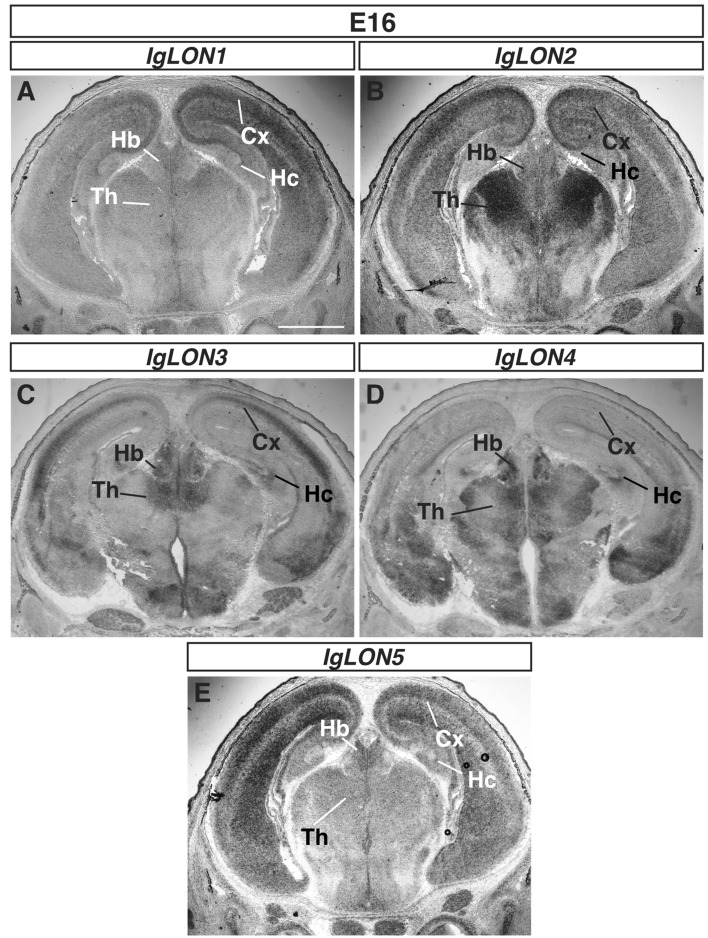
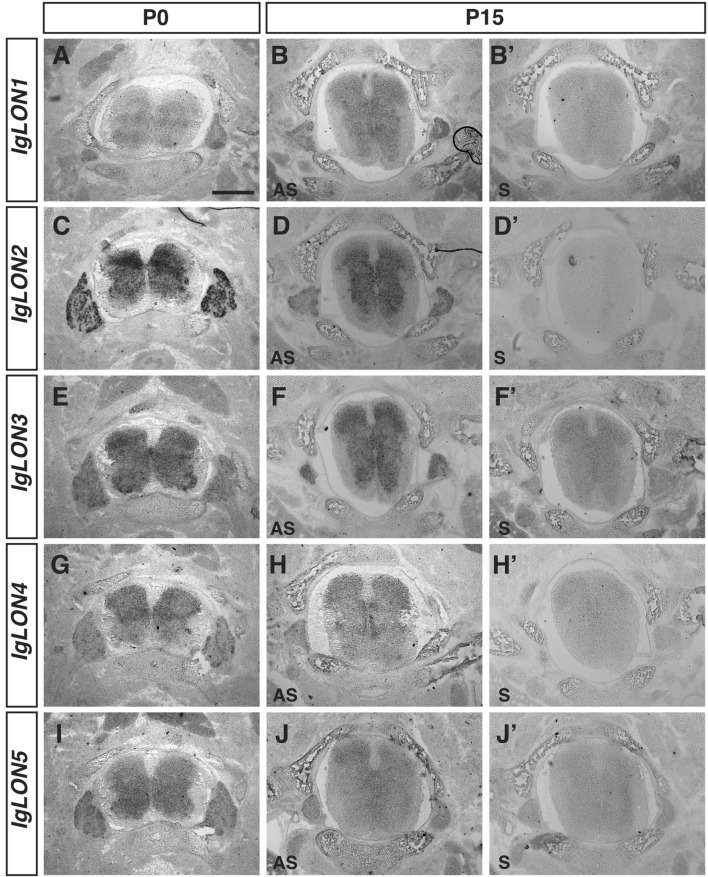
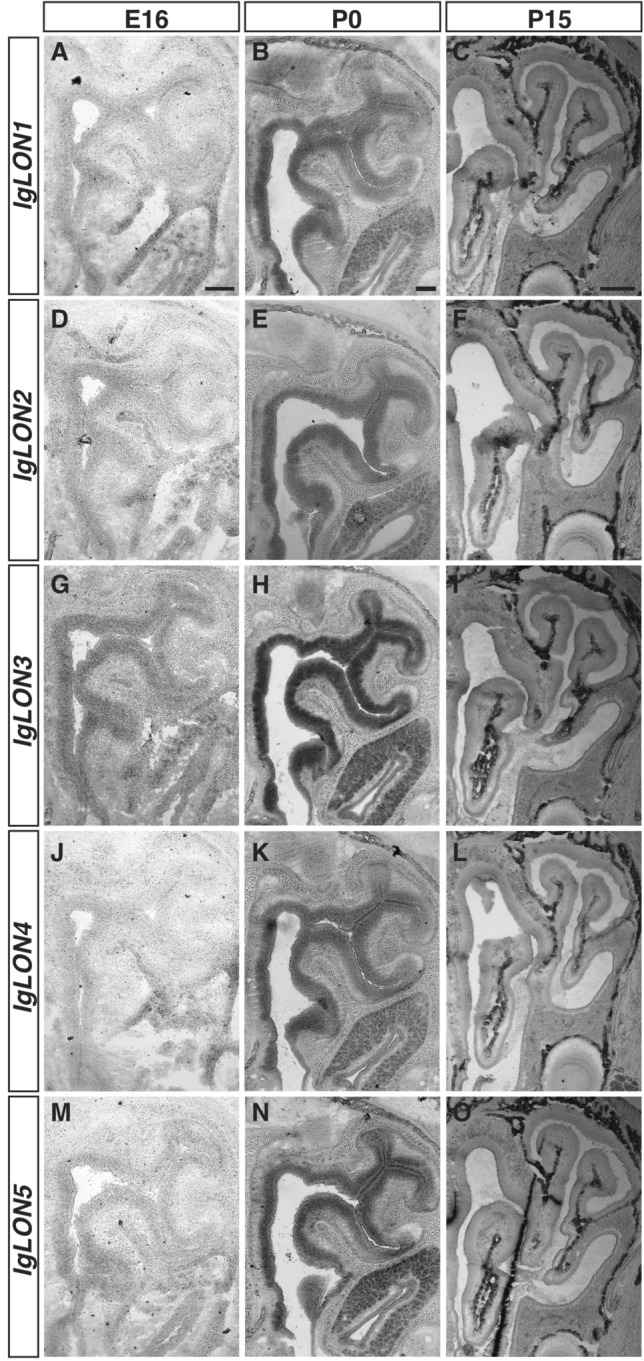
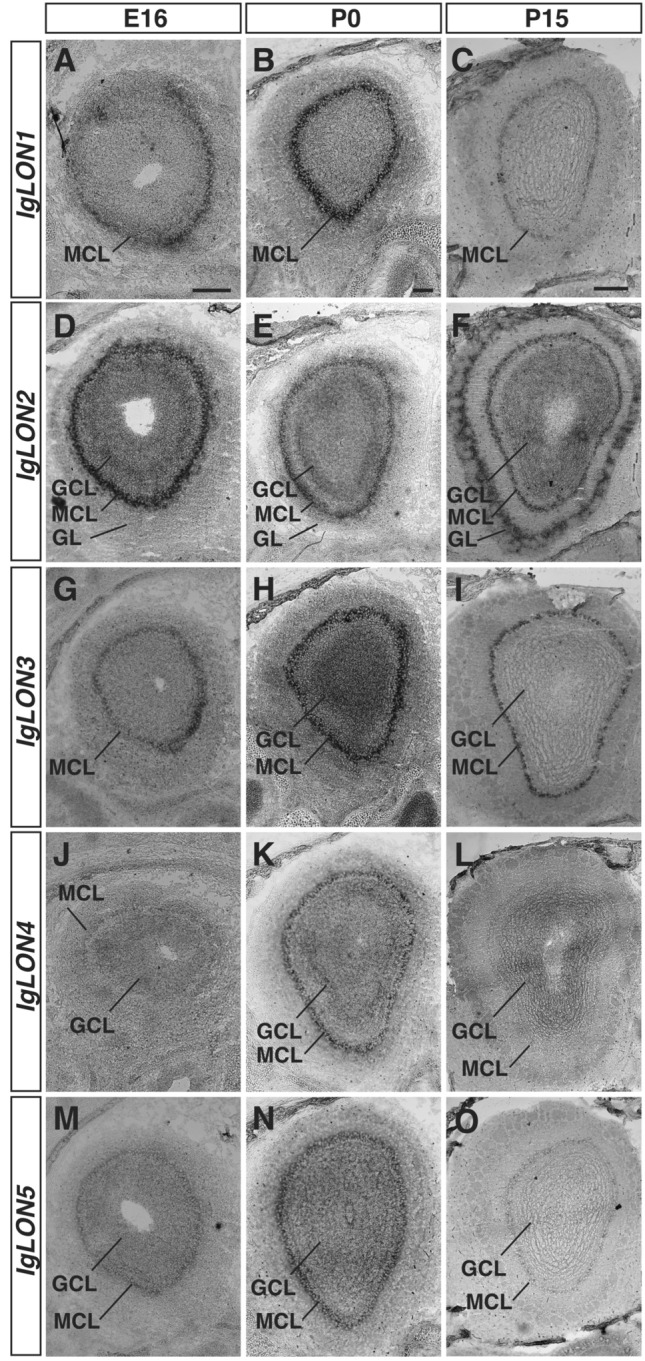
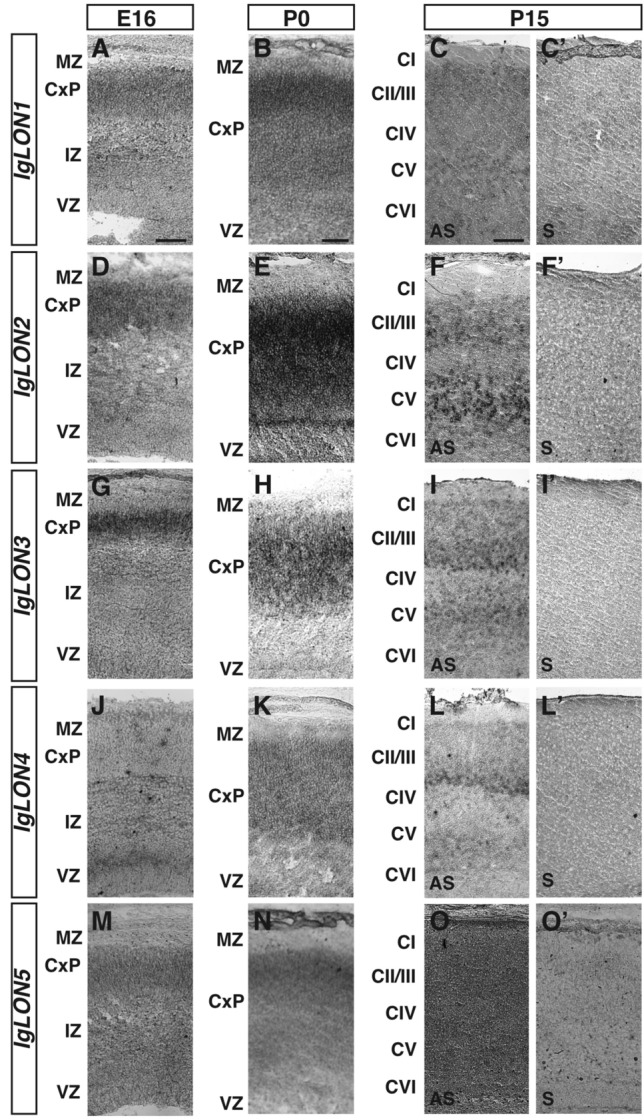
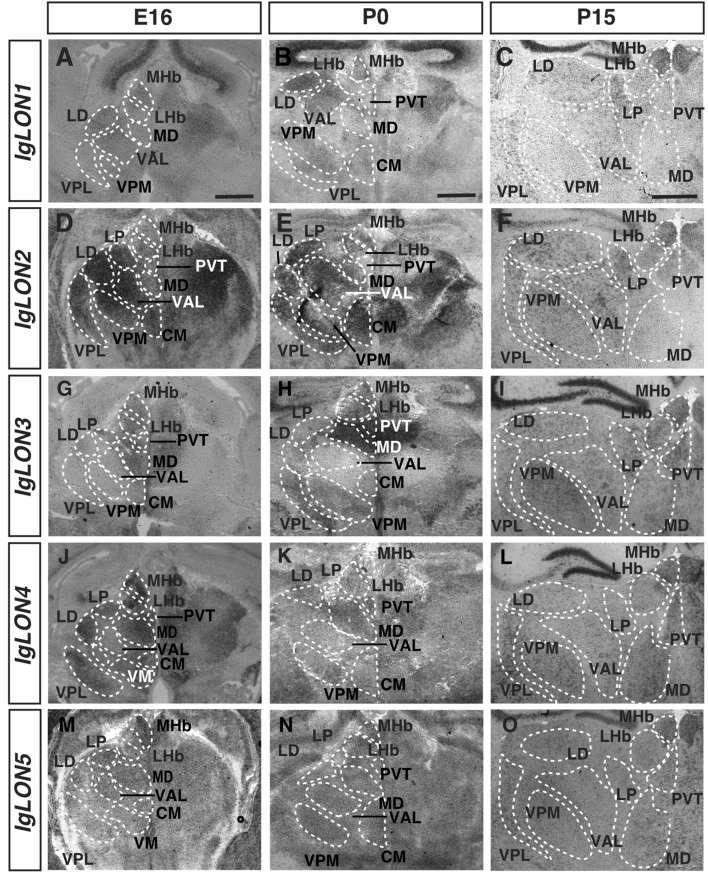
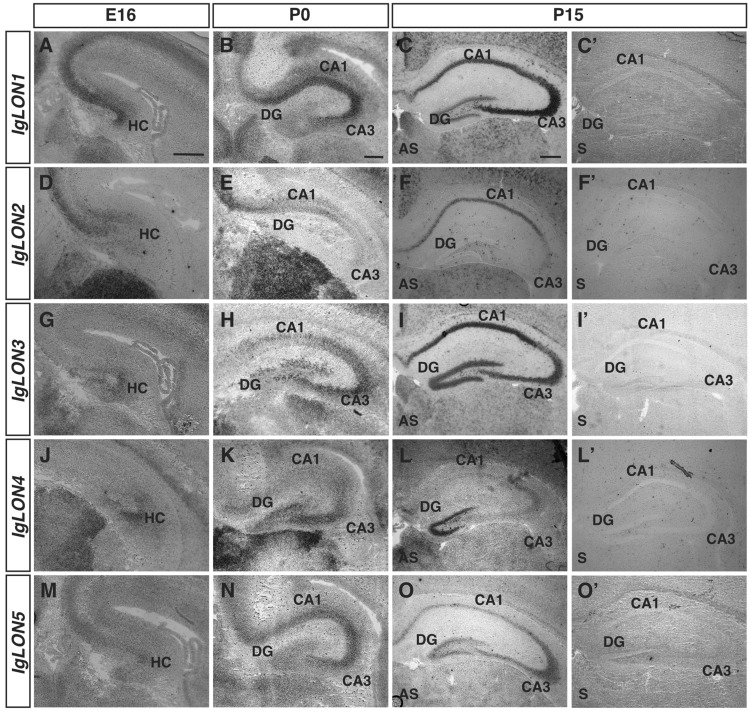
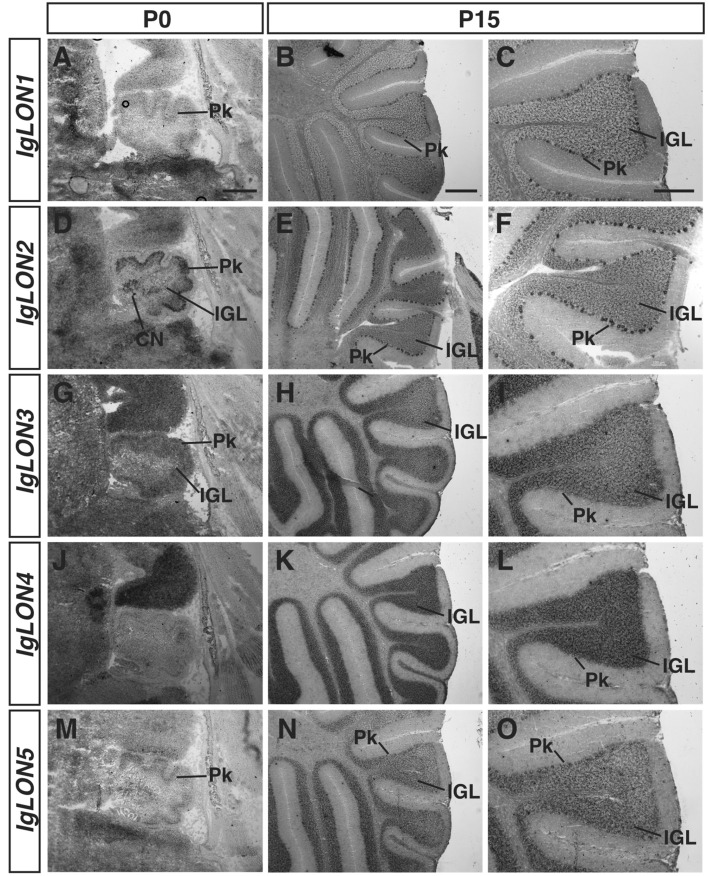
Differential expression of cell adhesion molecules in neuronal populations is one of the many mechanisms promoting the formation of functional neural circuits in the developing nervous system. The IgLON family consists of five cell surface immunoglobulin proteins that have been associated with various developmental disorders, such as autism spectrum disorder, schizophrenia, and major depressive disorder. However, there is still limited and fragmented information about their patterns of expression in certain regions of the developing nervous system and how their expression contributes to their function. Utilizing an in situ hybridization approach, we have analyzed the spatiotemporal expression of all IgLON family members in the developing mouse brain, spinal cord, eye, olfactory epithelium, and vomeronasal organ. At one prenatal (E16) and two postnatal (P0 and P15) ages, we show that each IgLON displays distinct expression patterns in the olfactory system, cerebral cortex, midbrain, cerebellum, spinal cord, and eye, indicating that they likely contribute to the wiring of specific neuronal circuitry. These analyses will inform future functional studies aimed at identifying additional roles for these proteins in nervous system development.
细胞黏附分子在神经元群体中的差异表达是促进发育中神经系统形成功能性神经回路的众多机制之一。IgLON 家族由五个细胞表面免疫球蛋白蛋白组成,它们与各种发育障碍有关,如自闭症谱系障碍、精神分裂症和重度抑郁症。然而,关于它们在发育中神经系统特定区域的表达模式以及它们的表达如何促进其功能的信息仍然有限且零散。我们利用原位杂交方法分析了 IgLON 家族所有成员在发育中的小鼠大脑、脊髓、眼睛、嗅上皮和犁鼻器中的时空表达。在一个产前(E16)和两个产后(P0 和 P15)时期,我们表明每个 IgLON 在嗅觉系统、大脑皮层、中脑、小脑、脊髓和眼睛中都表现出独特的表达模式,这表明它们可能有助于特定神经元回路的布线。这些分析将为未来旨在确定这些蛋白质在神经系统发育中额外作用的功能研究提供信息。