Liu Wenming, Wang Yanting, Chen Junjie, Lin Zhenhe, Lin Mengjie, Lin Xiantong, Fan Yanyun
Department of Gastroenterology, Zhongshan Hospital, Xiamen University, Xiamen, China.
Department of Pathology, Zhongshan Hospital, Xiamen University, Xiamen, China.
Front Pharmacol. 2021 Sep 24;12:669199. doi: 10.3389/fphar.2021.669199. eCollection 2021.
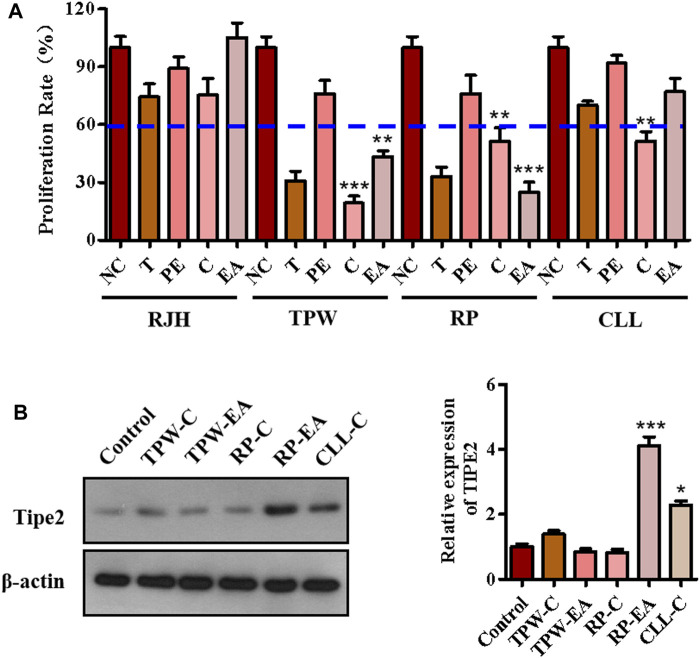
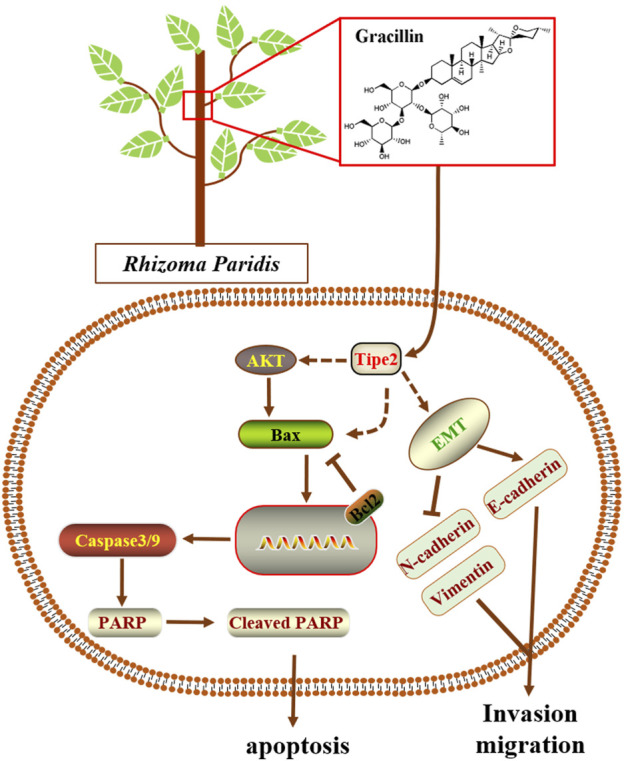
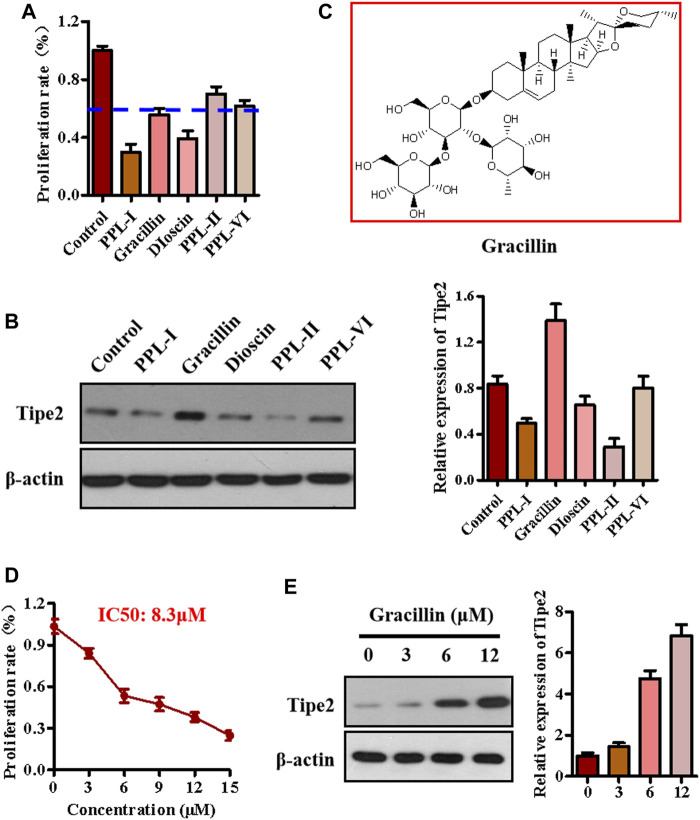
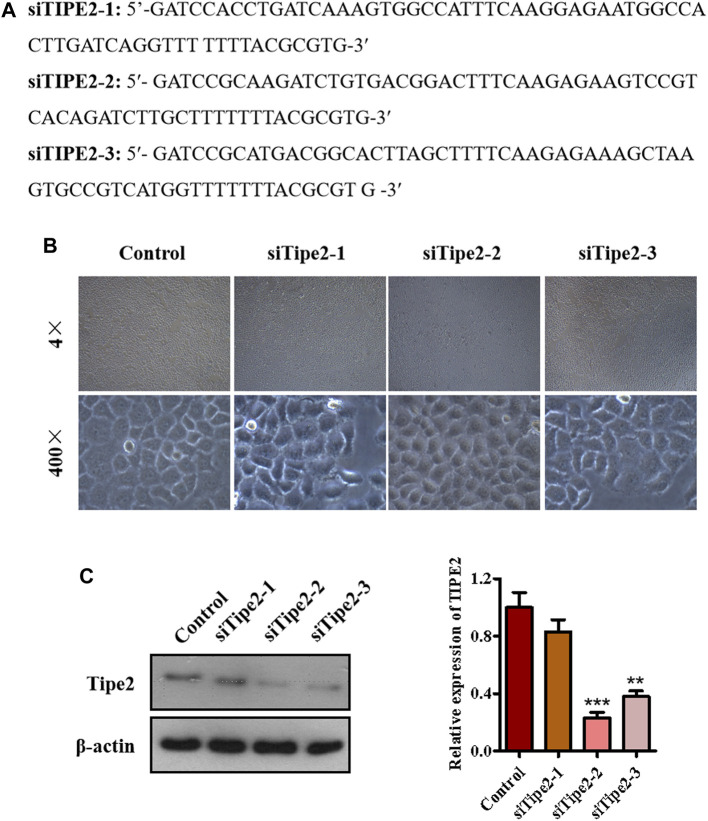
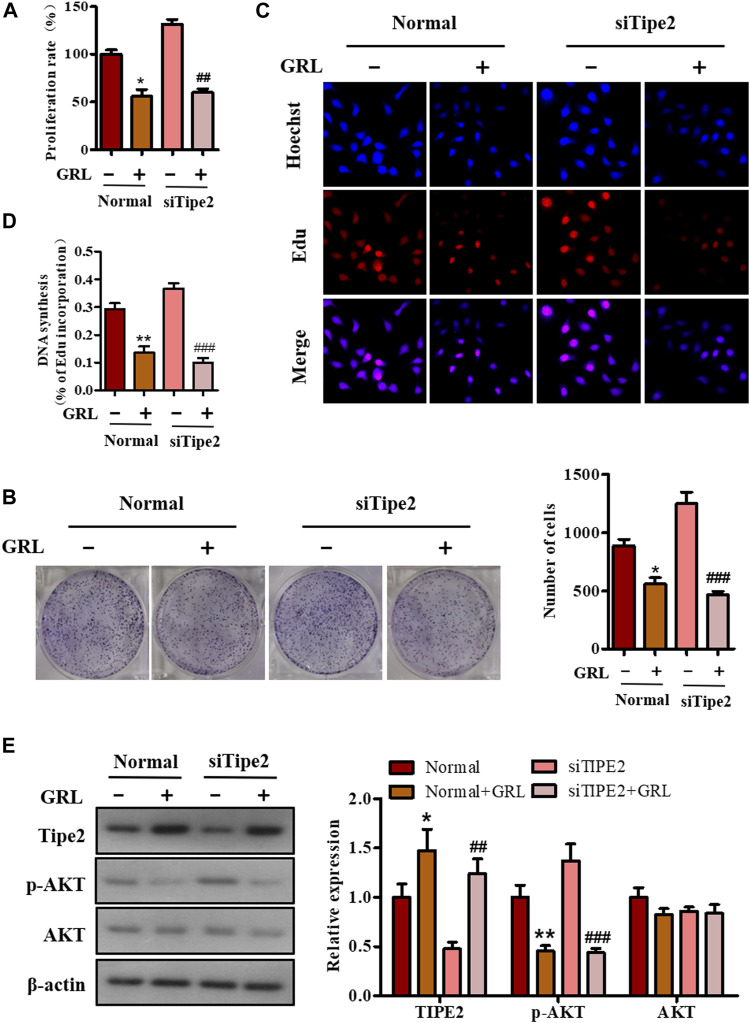
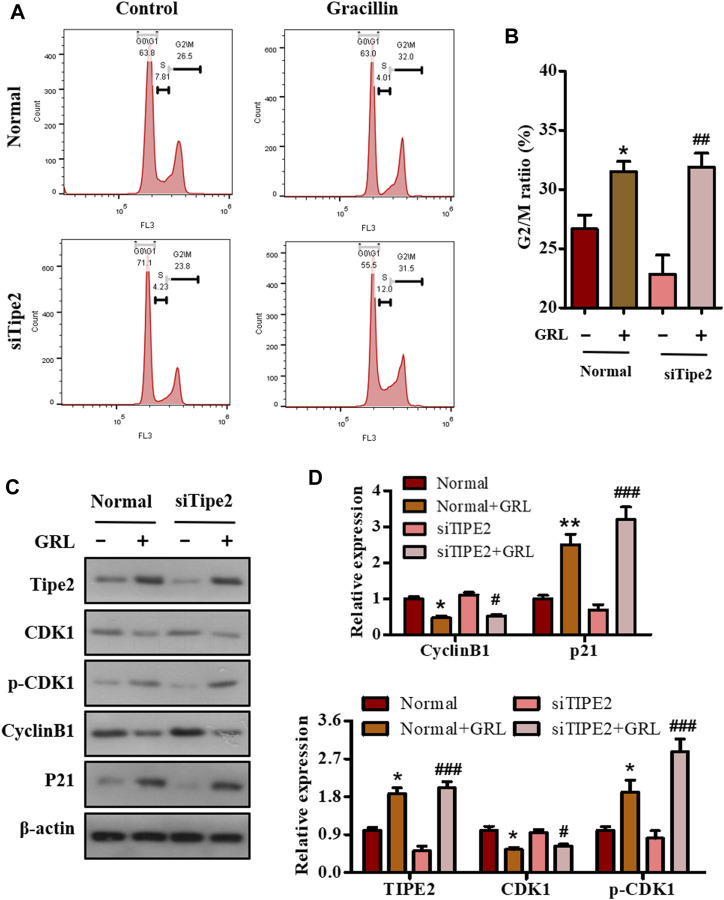
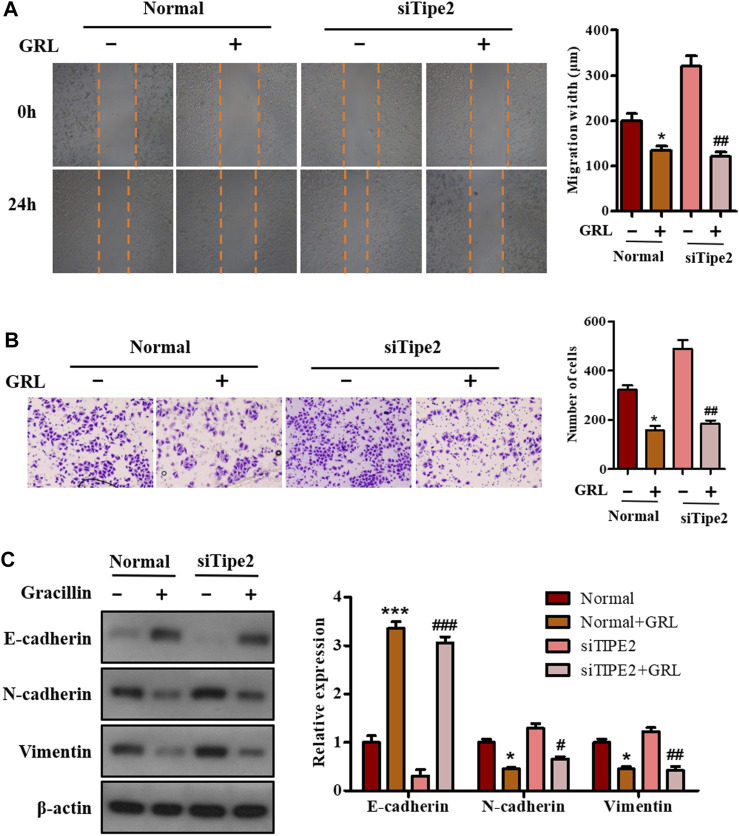
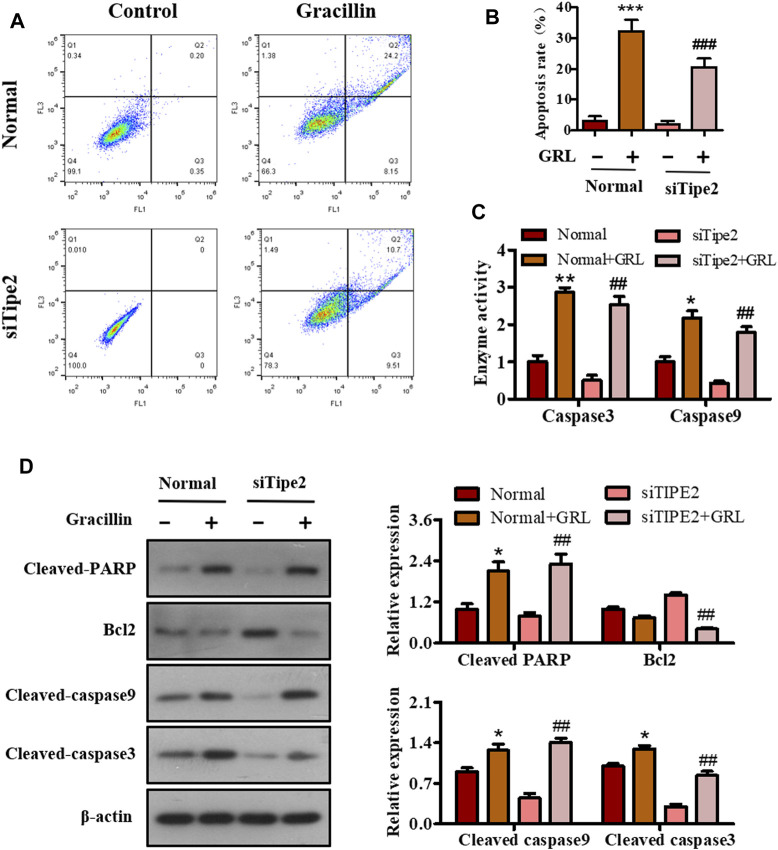
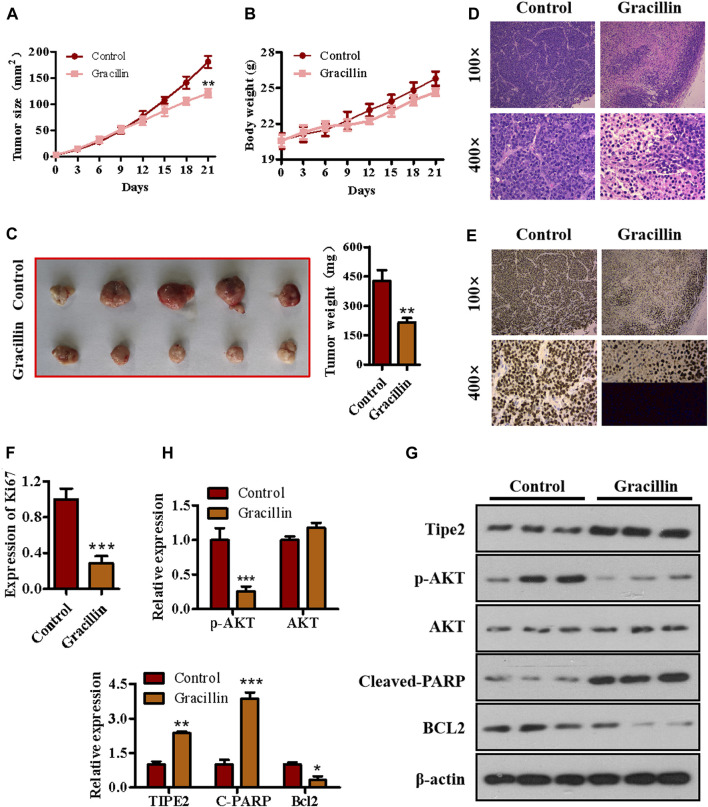
Tumor necrosis factor-α inducible protein-8 (TIPE2), initially recognized as a negative immune regulator, exerts an important role in suppressing the progression of numerous cancers. In our previous investigation, we found that TIPE2 expression displayed a decrease or absence in gastric tumor tissue, and the overexpression of TIPE2 suppressed the growth of gastric cancer tumors and cells, demonstrating that TIPE2 could be a potential medicinal target for gastric cancer treatment. However, it's seldomly reported that several medicinal agents or candidates targeted TIPE2 for treating diseases, including gastric cancer. To identify the candidate targeting TIPE2 to fight against gastric cancer, several extractions from traditional natural medicinal plants with anti-tumor functions were employed to screen the active compounds according to bioassay-guided isolation. Interestingly, gracillin, a component from the ethyl acetate extraction of , was identified to induce the expression of TIPE2 and inhibit the cell proliferation in gastric cancer BGC-823 cells. Furthermore, the underlying mechanisms that restrain gastric cancer were evaluated by clone formation, EdU staining, flow cytometry, and other assays. Meanwhile, the role of TIPE2 in the anti-tumor effect of gracillin was elucidated via the use of siTIPE2 RNA. It was determined that gracillin could fight against gastric cancer cells by inhibiting the cell proliferation participated by the PI3K/AKT pathway and cell cycle arrest, suppressing the EMT pathway-regulating cell migration, and inducing bcl2-associated mitochondrial apoptosis. Additionally, TIPE2 maybe contribute to the benefits of gracillin. These results of the present study are an important step toward the medicinal development of gracillin, and are also of use in understanding the effect of TIPE2 as a potential tumor target.
肿瘤坏死因子-α诱导蛋白8(TIPE2)最初被认为是一种负性免疫调节因子,在抑制多种癌症进展中发挥重要作用。在我们之前的研究中,我们发现TIPE2在胃肿瘤组织中的表达降低或缺失,并且TIPE2的过表达抑制了胃癌肿瘤和细胞的生长,表明TIPE2可能是胃癌治疗的潜在药物靶点。然而,很少有报道称几种药物或候选物靶向TIPE2来治疗包括胃癌在内的疾病。为了鉴定靶向TIPE2对抗胃癌的候选物,根据生物测定指导的分离方法,采用了几种具有抗肿瘤功能的传统天然药用植物提取物来筛选活性化合物。有趣的是,从[植物名称]的乙酸乙酯提取物中分离出的graciillin被鉴定为可诱导TIPE2的表达并抑制胃癌BGC-823细胞的增殖。此外,通过克隆形成、EdU染色、流式细胞术和其他测定方法评估了抑制胃癌的潜在机制。同时,通过使用siTIPE2 RNA阐明了TIPE2在graciillin抗肿瘤作用中的作用。确定graciillin可通过抑制PI3K/AKT途径参与的细胞增殖和细胞周期阻滞、抑制调节细胞迁移的EMT途径以及诱导bcl2相关的线粒体凋亡来对抗胃癌细胞。此外,TIPE2可能有助于graciillin发挥作用。本研究的这些结果是graciillin药物开发的重要一步,也有助于理解TIPE2作为潜在肿瘤靶点的作用。