Chang Ming, Zhu Dan, Chen Yanjiang, Zhang Weiquan, Liu Xi, Li Xiao-Lan, Cheng Zhiping, Su Zhiheng, Zhang Jian, Lu Yi, Guo Hongwei
Key Laboratory of Longevity and Aging-Related Diseases of Chinese Ministry of Education, Center for Translational Medicine, Guangxi Medical University, Nanning, China.
School of Medicine, Southern University of Science and Technology, Shenzhen, China.
Front Pharmacol. 2021 Sep 23;12:758219. doi: 10.3389/fphar.2021.758219. eCollection 2021.
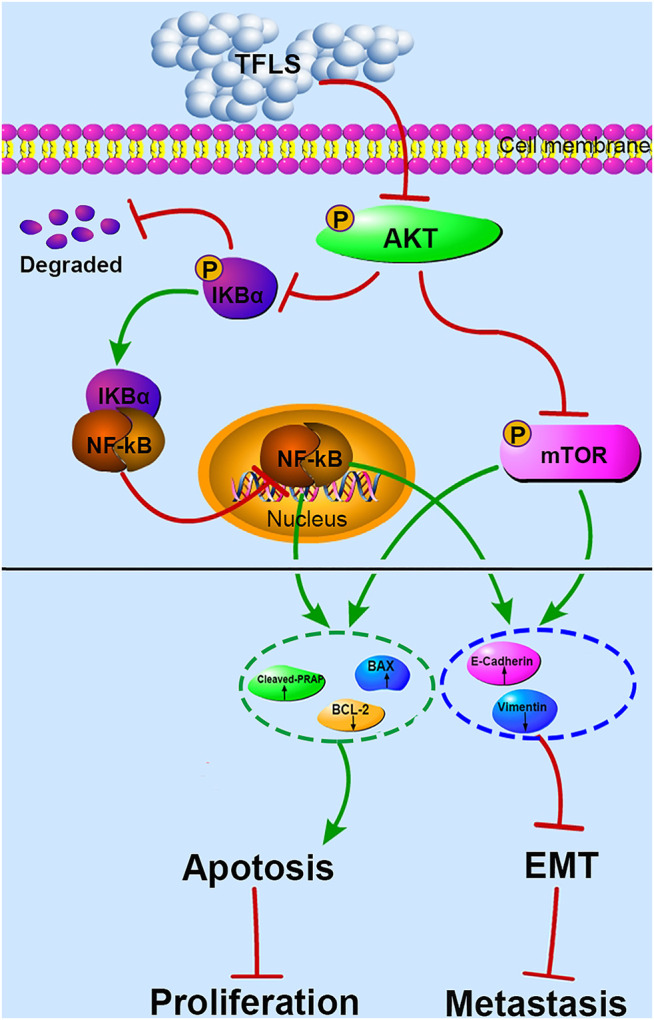
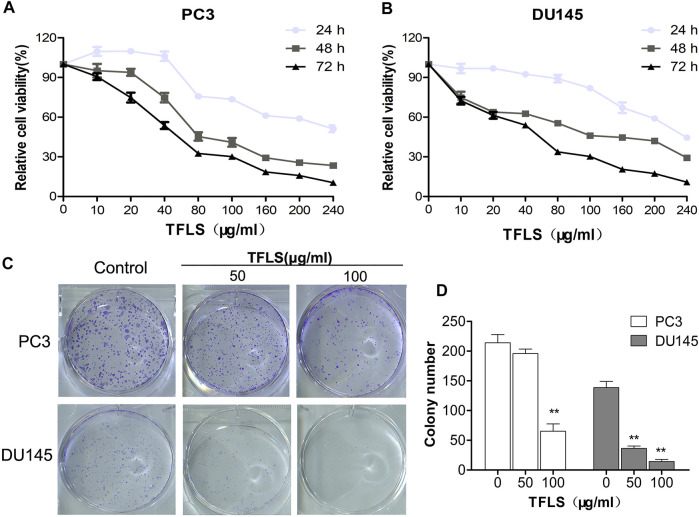
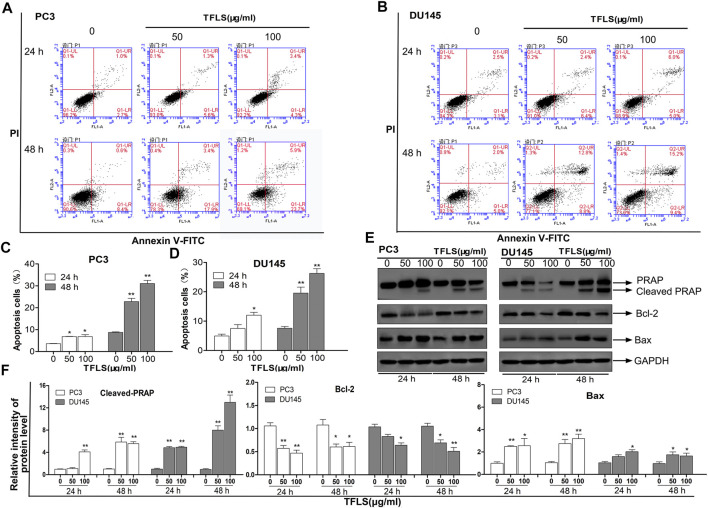
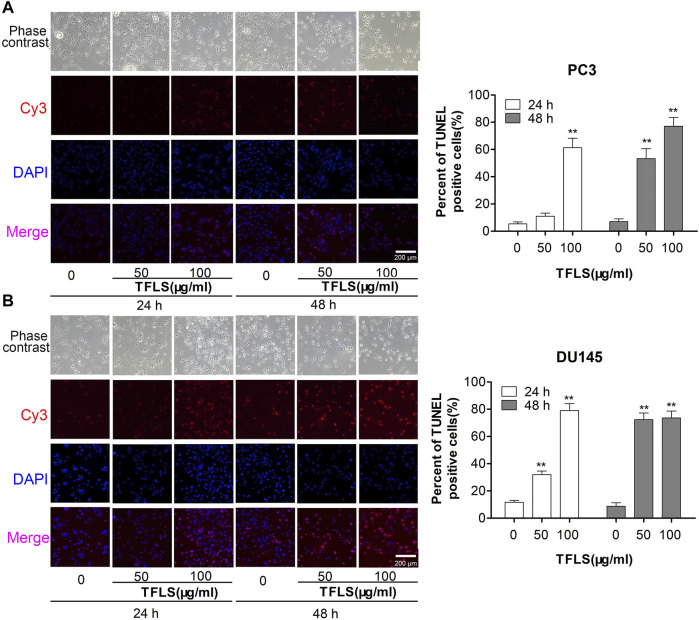
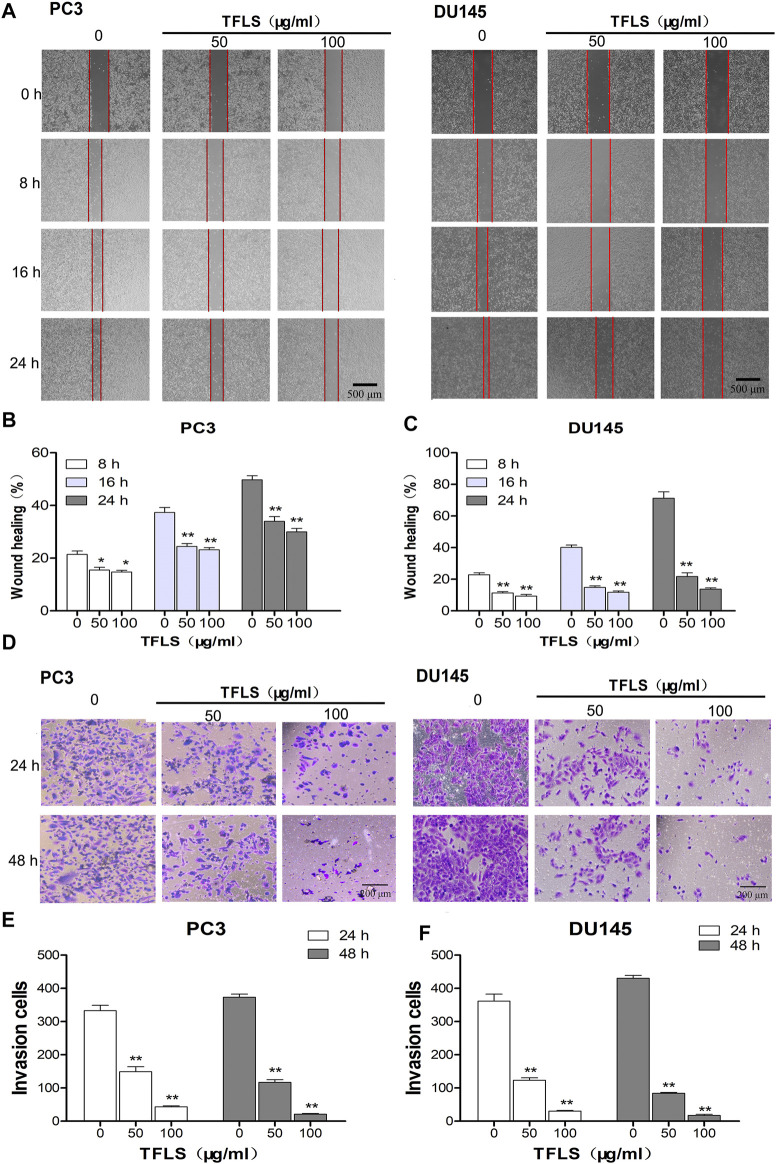
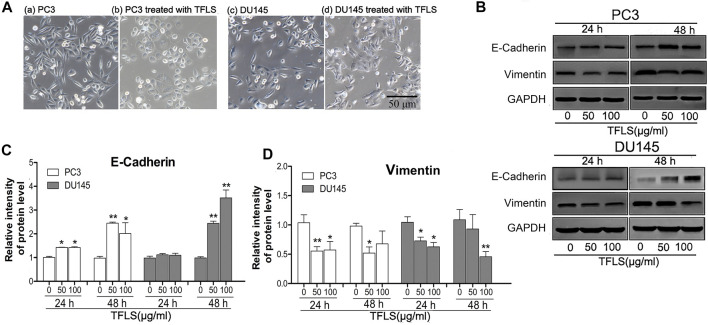
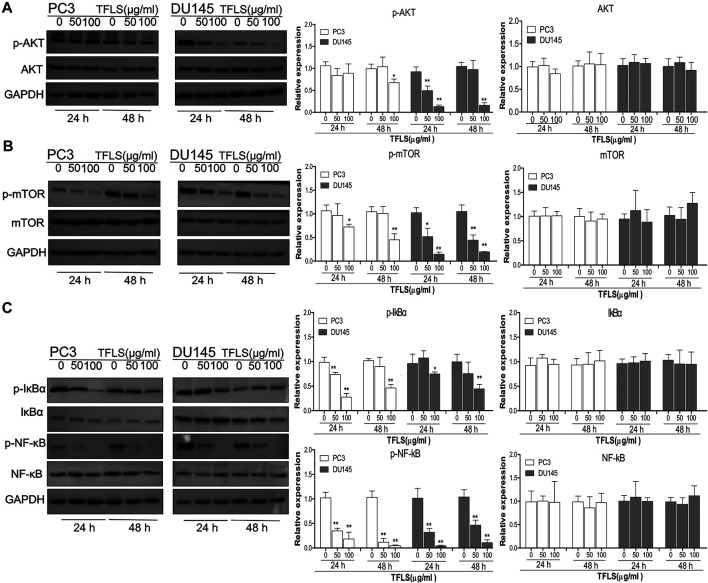
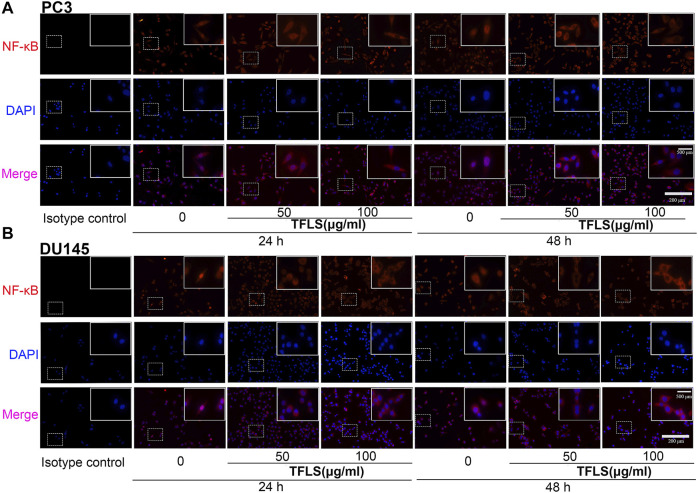
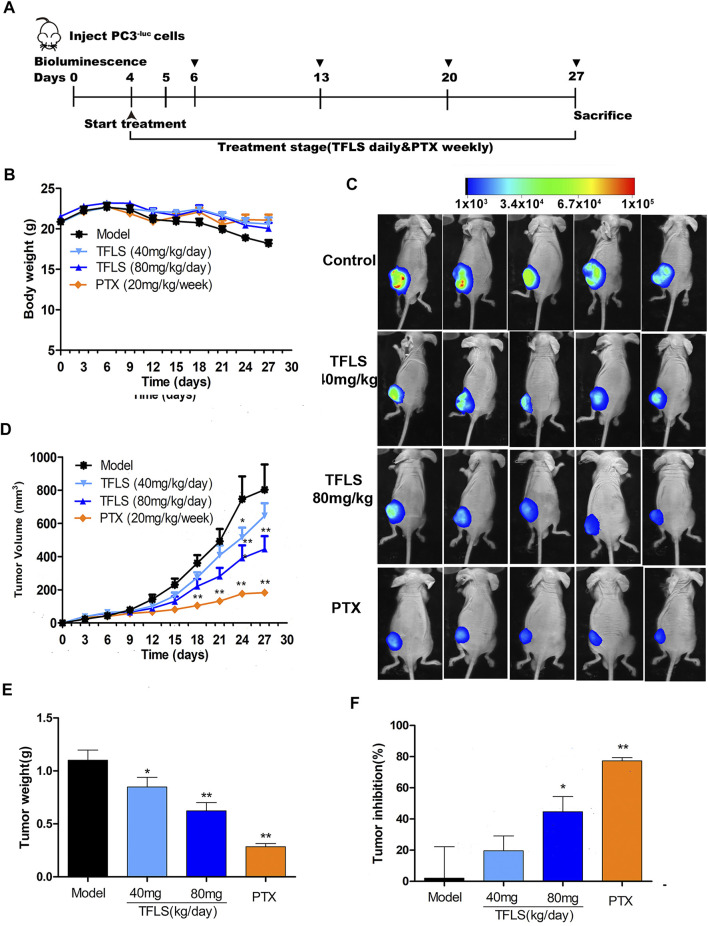
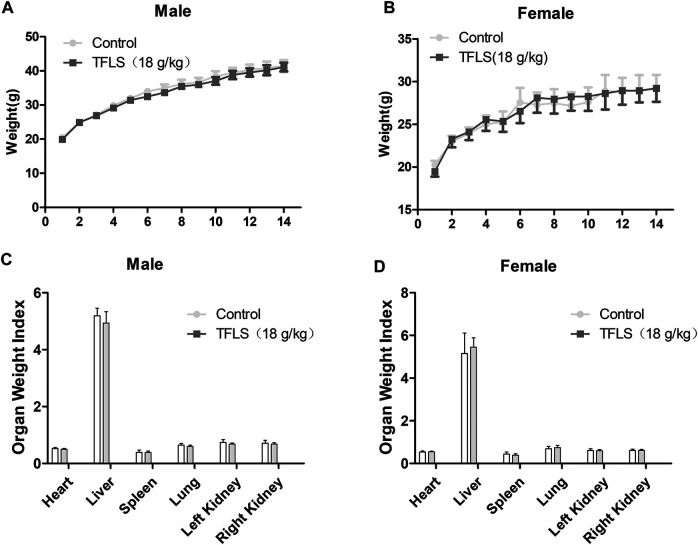
Litchi seeds have been traditionally used in Chinese herbal formula for urologic neoplasms including prostate cancer (PCa). However, the effective components of Litchi seeds and the mechanisms of their actions on PCa cell growth and metastasis remain unclear. In this study, we investigated the effects and molecular mechanisms of the Total Flavonoid of Litchi Seed (TFLS) in PCa PC3 and DU145 cell lines. We found that TFLS significantly inhibited the PCa cell proliferation, induced apoptosis, and prevented cell migration and invasion. Furthermore, we observed that TFLS upregulated the expression of epithelial biomarker E-cadherin and downregulated mesenchymal biomarker Vimentin. TFLS also increased the expression of cleaved-PRAP and Bax, and decreased the expression of Bcl-2 in both PC3 and DU145 cells. Besides, TFLS inhibited AKT signaling pathway by reducing the phosphorylation of AKT and activities of downstream signal transducers including mTOR, IκBα and NF-kB. Finally, TFLS treated mice exhibited a significant decrease in tumor size without toxicity in major organs . These results indicated that TFLS could suppress PCa cell growth and inhibit PCa cell proliferation and metastasis through induction of apoptosis and phenotypic reversal of EMT, which may be achieved by inhibiting the AKT/mTOR and NF-κB signaling pathways. Taken together, our data provide new insights into the role of TFLS as a novel potent anti-cancer agent for the treatment of PCa.
荔枝核传统上已被用于治疗包括前列腺癌(PCa)在内的泌尿系统肿瘤的中药配方中。然而,荔枝核的有效成分及其对PCa细胞生长和转移的作用机制仍不清楚。在本研究中,我们研究了荔枝核总黄酮(TFLS)对PCa细胞系PC3和DU145的影响及其分子机制。我们发现TFLS显著抑制PCa细胞增殖,诱导细胞凋亡,并阻止细胞迁移和侵袭。此外,我们观察到TFLS上调上皮生物标志物E-钙黏蛋白的表达,下调间充质生物标志物波形蛋白的表达。TFLS还增加了PC3和DU145细胞中裂解的PRAP和Bax的表达,并降低了Bcl-2的表达。此外,TFLS通过降低AKT的磷酸化以及包括mTOR、IκBα和NF-κB在内的下游信号转导分子的活性来抑制AKT信号通路。最后,经TFLS处理的小鼠肿瘤大小显著减小,且主要器官无毒性。这些结果表明,TFLS可通过诱导细胞凋亡和EMT表型逆转来抑制PCa细胞生长并抑制PCa细胞增殖和转移,这可能是通过抑制AKT/mTOR和NF-κB信号通路实现的。综上所述,我们的数据为TFLS作为一种新型强效抗癌药物治疗PCa的作用提供了新的见解。