Tanaka Susumu, Hamada Yoshinosuke, Yokoyama Yuhki, Yamamoto Hirofumi, Kogo Mikihiko
The 1st Department of Oral and Maxillofacial Surgery, Graduate School of Dentistry, Osaka University, Osaka, Japan.
Department of Molecular Pathology, Division of Health Sciences, Graduate School of Medicine, Osaka University, Osaka, Japan.
Jpn Dent Sci Rev. 2021 Nov;57:174-181. doi: 10.1016/j.jdsr.2021.09.002. Epub 2021 Sep 28.
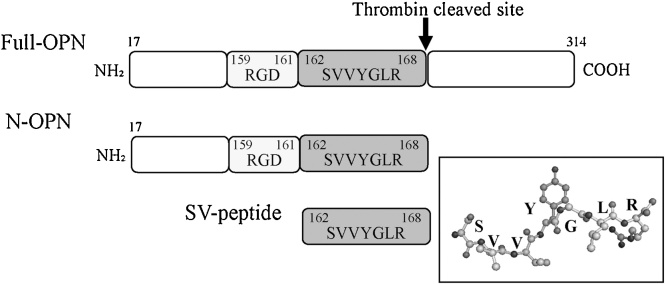
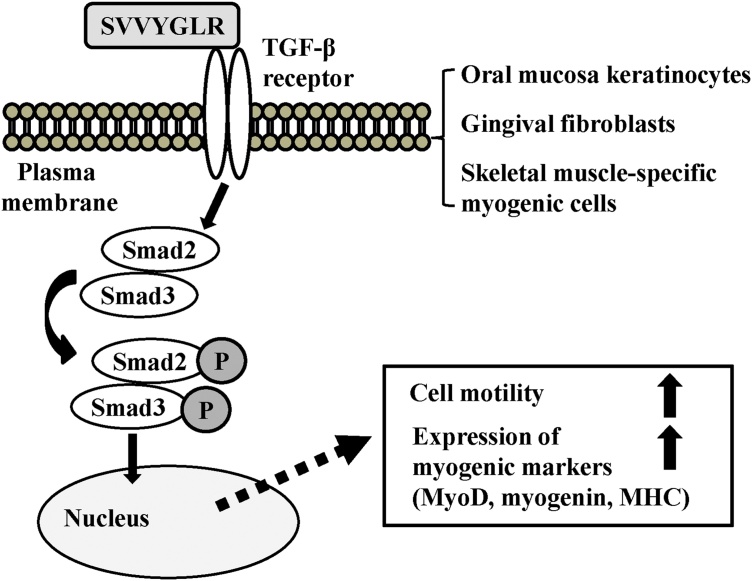
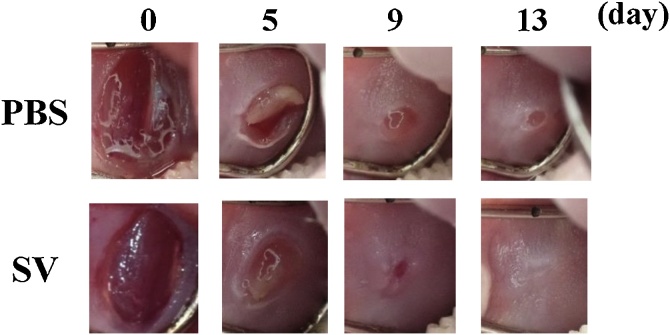
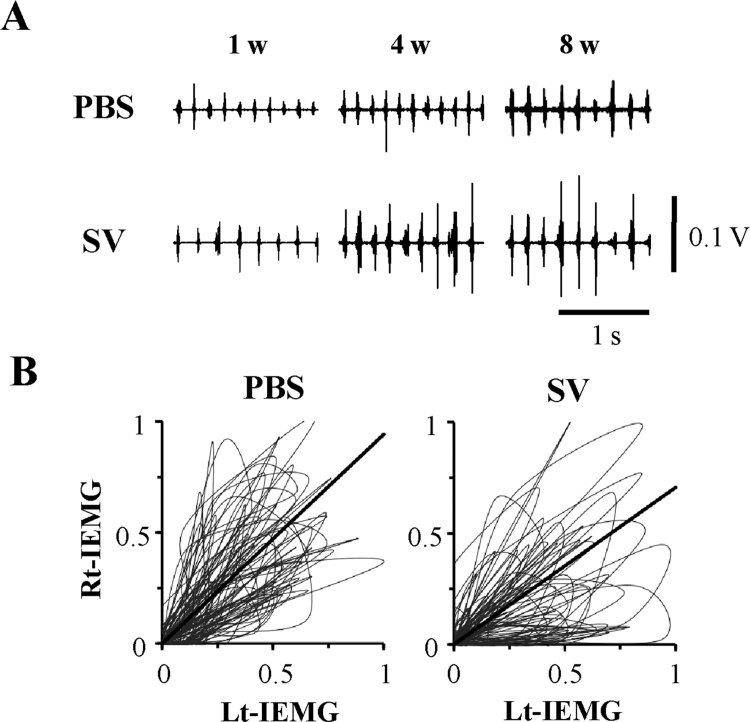
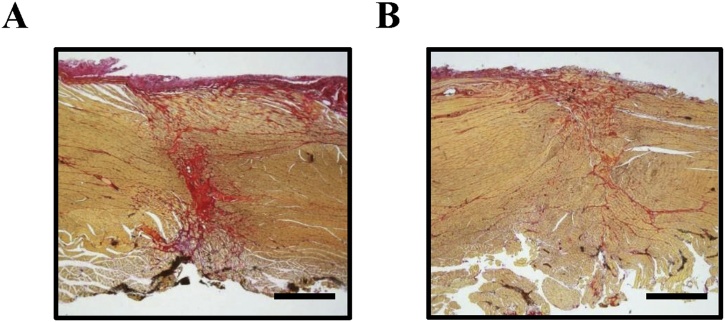
Wound healing in the oral and maxillofacial region is a complicated and interactive process. Severe mucosal or skeletal muscle injury by trauma or surgery induces worse healing conditions, including delayed wound closure and repair with excessive scar tissue. These complications lead to persistent functional impairment, such as digestive behavior or suppression of maxillofacial growth in infancy. Osteopontin (OPN), expressed in a variety of cells, is multifunctional and comprises a number of functional domains. Seven amino acids sequence, SVVYGLR (SV peptide), exposed by thrombin cleavage of OPN, has angiogenic activity and promotes fibroblast differentiation into myofibroblasts and increased expression of collagen type III. Additionally, synthetic SV peptide shows faster dermal and oral mucosal wound closure by facilitating cell motility and migratory activities in dermal- or mucosal-derived keratinocytes and fibroblasts. Moreover, cell motility and differentiation in myogenic cell populations are accelerated by SV peptide, which contributes to the facilitation of matured myofibers and scarless healing and favorable functional regeneration after skeletal muscle injury. SV peptide has high affinity with TGF-β, with potential involvement of the TGF-β/Smad signaling pathway. Clinical application of single-dose SV peptide could be a powerful alternative treatment option for excessive oral and maxillofacial wound care to prevent disadvantageous events.
口腔颌面部伤口愈合是一个复杂的相互作用过程。创伤或手术导致的严重黏膜或骨骼肌损伤会引发更差的愈合状况,包括伤口延迟闭合以及过度瘢痕组织修复。这些并发症会导致持续的功能障碍,如婴儿期的消化行为或颌面部生长抑制。骨桥蛋白(OPN)在多种细胞中表达,具有多种功能且包含多个功能域。通过凝血酶切割OPN暴露的七氨基酸序列SVVYGLR(SV肽)具有血管生成活性,可促进成纤维细胞分化为肌成纤维细胞,并增加III型胶原蛋白的表达。此外,合成的SV肽通过促进皮肤或黏膜来源的角质形成细胞和成纤维细胞的细胞运动和迁移活动,使皮肤和口腔黏膜伤口闭合更快。而且,SV肽可加速肌源性细胞群体中的细胞运动和分化,这有助于促进成熟肌纤维的形成、无瘢痕愈合以及骨骼肌损伤后的良好功能再生。SV肽与转化生长因子-β(TGF-β)具有高亲和力,可能涉及TGF-β/Smad信号通路。单剂量SV肽的临床应用可能是口腔颌面部伤口过度护理以预防不良事件的一种有力替代治疗选择。