Department of Psychiatry, The Psychiatric Institute, College of Medicine, University of Illinois Chicago (UIC), Chicago, IL 60612, USA.
Int J Mol Sci. 2021 Oct 1;22(19):10678. doi: 10.3390/ijms221910678.
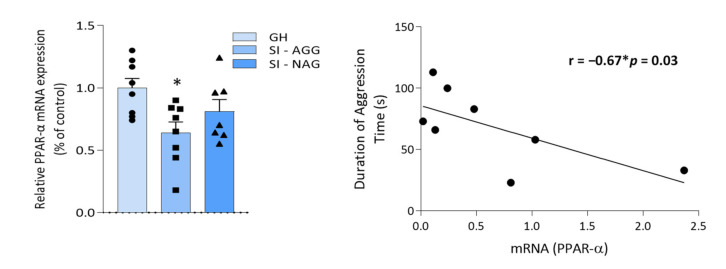
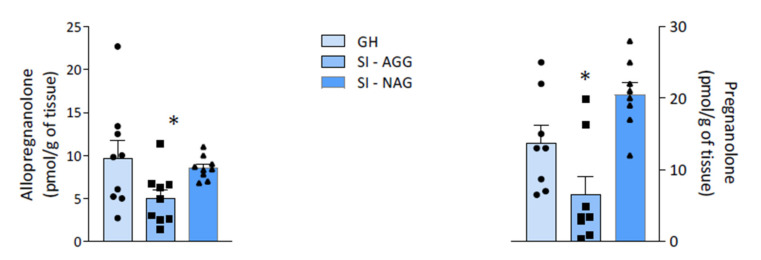
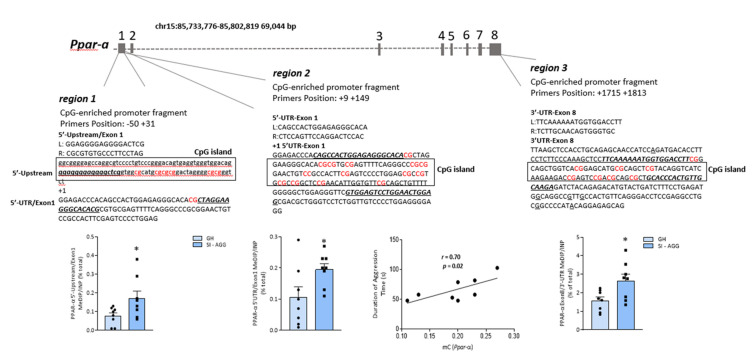
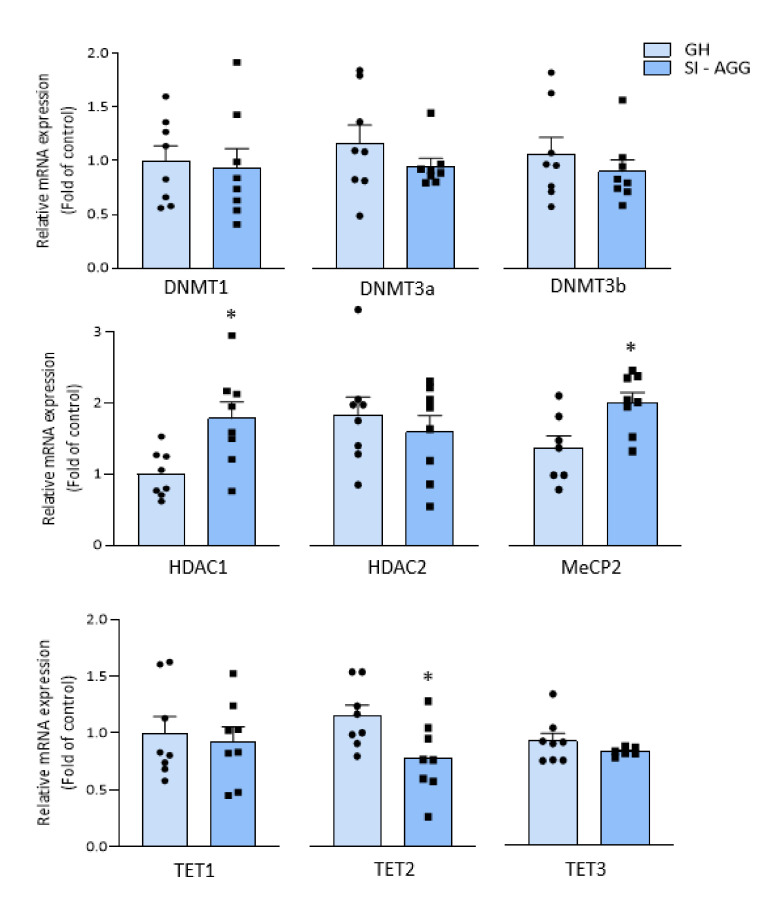
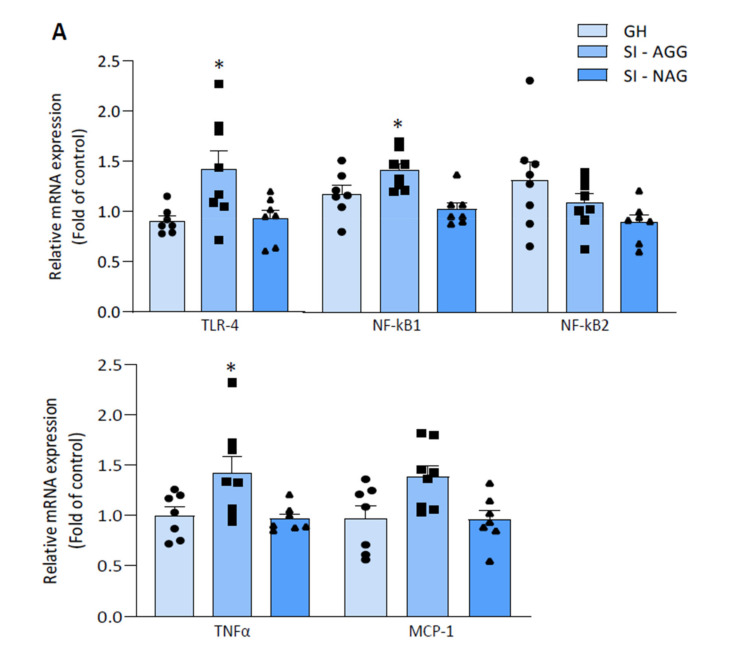
Social behavioral changes, including social isolation or loneliness, increase the risk for stress-related disorders, such as major depressive disorder, posttraumatic stress disorder (PTSD), and suicide, which share a strong neuroinflammatory etiopathogenetic component. The peroxisome-proliferator activated receptor (PPAR)-α, a newly discovered target involved in emotional behavior regulation, is a ligand-activated nuclear receptor and a transcription factor that, following stimulation by endogenous or synthetic ligands, may induce neuroprotective effects by modulating neuroinflammation, and improve anxiety and depression-like behaviors by enhancing neurosteroid biosynthesis. How stress affects epigenetic mechanisms with downstream effects on inflammation and emotional behavior remains poorly understood. We studied the effects of 4-week social isolation, using a mouse model of PTSD/suicide-like behavior, on hippocampal PPAR-α epigenetic modification. Decreased PPAR-α expression in the hippocampus of socially isolated mice was associated with increased levels of methylated cytosines of PPAR-α gene CpG-rich fragments and deficient neurosteroid biosynthesis. This effect was associated with increased histone deacetylases (HDAC)1, methyl-cytosine binding protein (MeCP)2 and decreased ten-eleven translocator (TET)2 expression, which favor hypermethylation. These alterations were associated with increased TLR-4 and pro-inflammatory markers (e.g., TNF-α,), mediated by NF-κB signaling in the hippocampus of aggressive mice. This study contributes the first evidence of stress-induced brain PPAR-α epigenetic regulation. Social isolation stress may constitute a risk factor for inflammatory-based psychiatric disorders associated with neurosteroid deficits, and targeting epigenetic marks linked to PPAR-α downregulation may offer a valid therapeutic approach.
社会行为的改变,包括社交孤立或孤独,会增加与压力相关的障碍的风险,如重度抑郁症、创伤后应激障碍(PTSD)和自杀,它们都有一个强烈的神经炎症发病机制成分。过氧化物酶体增殖物激活受体(PPAR)-α是一种新发现的参与情绪行为调节的靶标,是一种配体激活的核受体和转录因子,在内源性或合成配体刺激后,通过调节神经炎症,可能诱导神经保护作用,并通过增强神经甾体生物合成来改善焦虑和抑郁样行为。压力如何影响表观遗传机制,进而对炎症和情绪行为产生下游影响,仍知之甚少。我们研究了 4 周社交隔离对 PTSD/自杀样行为小鼠模型海马体 PPAR-α表观遗传修饰的影响。社交隔离小鼠海马体中 PPAR-α表达降低与 PPAR-α基因 CpG 丰富片段的甲基化胞嘧啶水平升高和神经甾体生物合成不足有关。这种效应与组蛋白去乙酰化酶(HDAC)1、甲基胞嘧啶结合蛋白(MeCP)2增加和 ten-eleven 转位酶(TET)2表达减少有关,这有利于过度甲基化。这些改变与海马体中 TLR-4 和促炎标志物(如 TNF-α)的增加有关,这是由攻击性小鼠中 NF-κB 信号介导的。这项研究首次提供了应激诱导大脑 PPAR-α表观遗传调节的证据。社交孤立应激可能是与神经甾体缺乏相关的炎症性精神障碍的一个风险因素,针对与 PPAR-α下调相关的表观遗传标记可能提供一种有效的治疗方法。