Haruta Y, Seon B K
Proc Natl Acad Sci U S A. 1986 Oct;83(20):7898-902. doi: 10.1073/pnas.83.20.7898.
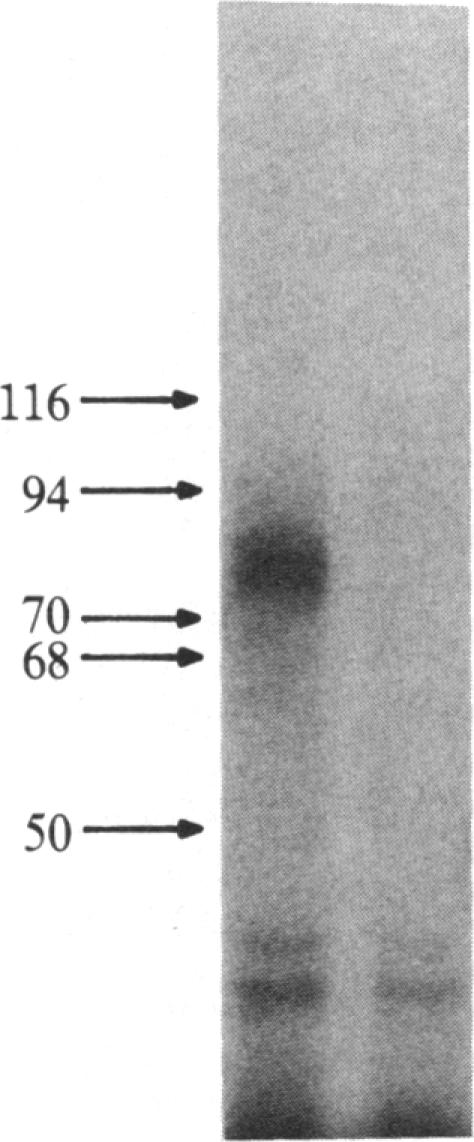
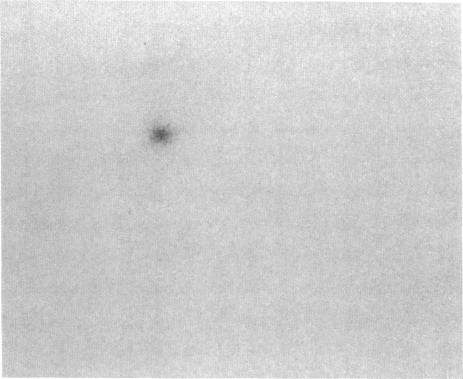
In this study, a monoclonal antibody (mAb) termed SN6 was generated by immunizing a mouse with a non-T-cell leukemia antigen preparation isolated from cell membranes of leukemia cells derived from a patient (FJ) with non-T/non-B-cell-type acute lymphoblastic leukemia (ALL). SN6 was tested against a variety of cultured and uncultured human cell specimens by using a sensitive cellular radioimmunoassay. Among the 26 cultured malignant and nonmalignant cell lines tested, SN6 reacted with all of the 6 leukemic non-T/non-B (including pre-B)-cell lines tested--i.e., KM-3, NALM-16, REH, NALL-1, NALM-1, and NALM-6. Of these cell lines, 5 were derived from individual patients with ALL; the remaining 1 was from a patient with chronic myelocytic leukemia in blast crisis. In addition, SN6 reacted with 3 of 3 leukemic myelo-monocytic cell lines tested--i.e., ML-2, HL-60, and U937. SN6 did not react with any other cell lines. A consistent result was obtained with 42 fresh (uncultured) cell specimens derived from individual patients with several different types of leukemias. SN6 reacted with 11 of 16 non-T/non-B (including pre-B)-cell ALL specimens. In addition, it reacted with various myelo-monocytic leukemia cell specimens to various degrees. SN6 did not show a significant reaction with normal peripheral blood cells tested, which included B cells, T cells, granulocytes, monocytes, and erythrocytes. However, it reacted with a small population (approximately 1% as determined by immunofluorescence staining) of normal bone marrow cells. The approximate molecular mass of the glycoprotein antigen defined by SN6 was determined to be 160,000 by radioimmunoprecipitation followed by sodium dodecyl sulfate/polyacrylamide gel electrophoresis. Only one component of 80,000 daltons was formed upon reduction of the 160,000 molecular mass antigen. Therefore, this antigen is apparently a homodimer of a 80,000-dalton subunit. This conclusion was further corroborated by two-dimensional gel analysis, which showed a single well-defined spot for the reduced antigen. We designate this distinct human leukemia-associated cell surface antigen "GP160."
在本研究中,通过用从一名非T/非B细胞型急性淋巴细胞白血病(ALL)患者(FJ)的白血病细胞膜中分离出的非T细胞白血病抗原制剂免疫小鼠,产生了一种名为SN6的单克隆抗体(mAb)。通过使用灵敏的细胞放射免疫测定法,对各种培养的和未培养的人类细胞标本进行了SN6检测。在测试的26种培养的恶性和非恶性细胞系中,SN6与所测试的所有6种白血病非T/非B(包括前B)细胞系发生反应,即KM-3、NALM-16、REH、NALL-1、NALM-1和NALM-6。在这些细胞系中,5种来自ALL个体患者;其余1种来自一名处于急变期的慢性粒细胞白血病患者。此外,SN6与所测试的3种白血病髓单核细胞系中的3种发生反应,即ML-2、HL-60和U937。SN6不与任何其他细胞系发生反应。对来自患有几种不同类型白血病的个体患者的42份新鲜(未培养)细胞标本也得到了一致的结果。SN6与16份非T/非B(包括前B)细胞ALL标本中的11份发生反应。此外,它与各种髓单核细胞白血病细胞标本有不同程度的反应。SN6与所测试的正常外周血细胞(包括B细胞、T细胞、粒细胞、单核细胞和红细胞)没有明显反应。然而,它与一小部分(通过免疫荧光染色确定约为1%)正常骨髓细胞发生反应。通过放射免疫沉淀,随后进行十二烷基硫酸钠/聚丙烯酰胺凝胶电泳,确定由SN6定义的糖蛋白抗原的近似分子量为160,000。在还原160,000分子量的抗原后,仅形成一种80,000道尔顿的成分。因此,该抗原显然是一个80,000道尔顿亚基的同二聚体。二维凝胶分析进一步证实了这一结论,该分析显示还原抗原只有一个明确定义的斑点。我们将这种独特的人类白血病相关细胞表面抗原命名为“GP160”。