Wellcome Sanger Institute, Hinxton, UK.
MRC Cancer Unit, University of Cambridge, Hutchison-MRC Research Centre, Cambridge, UK.
Nature. 2021 Oct;598(7881):510-514. doi: 10.1038/s41586-021-03965-7. Epub 2021 Oct 13.
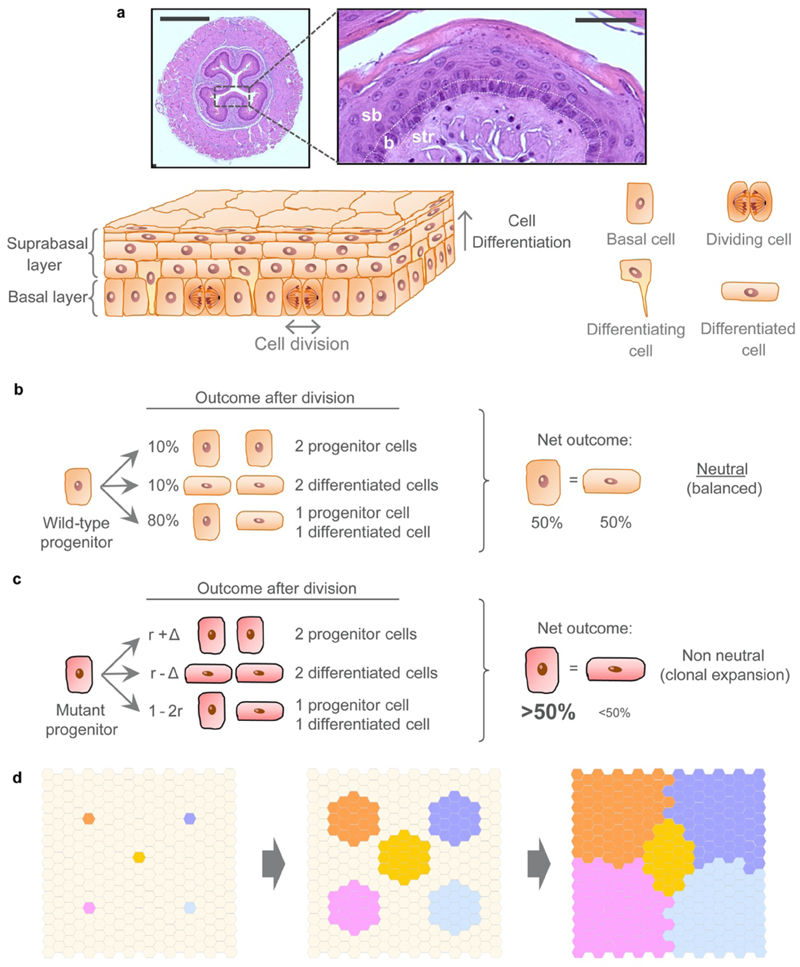
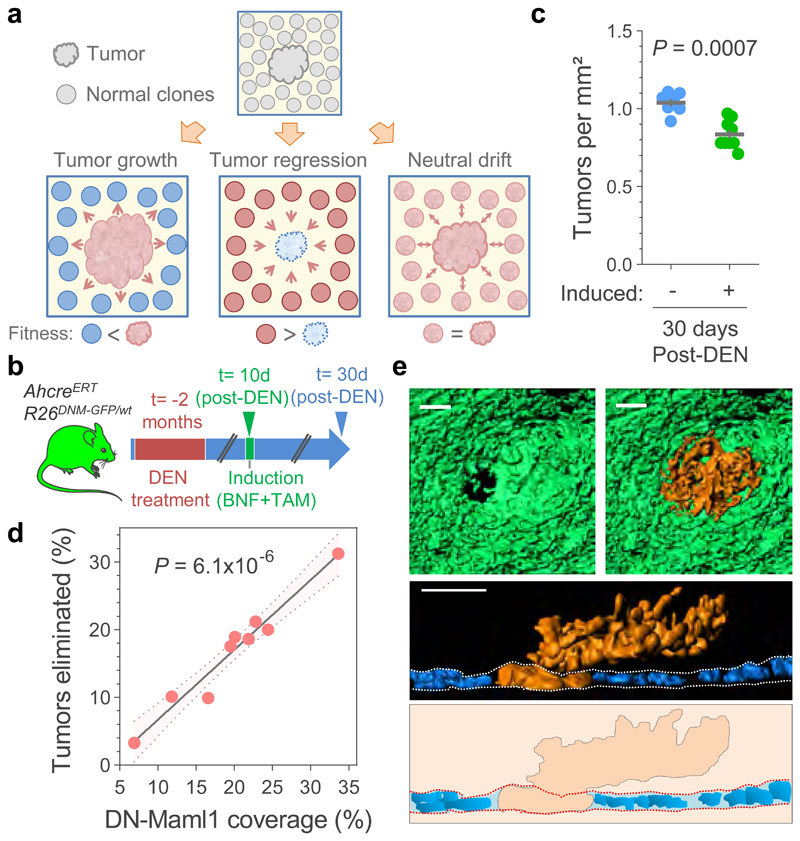
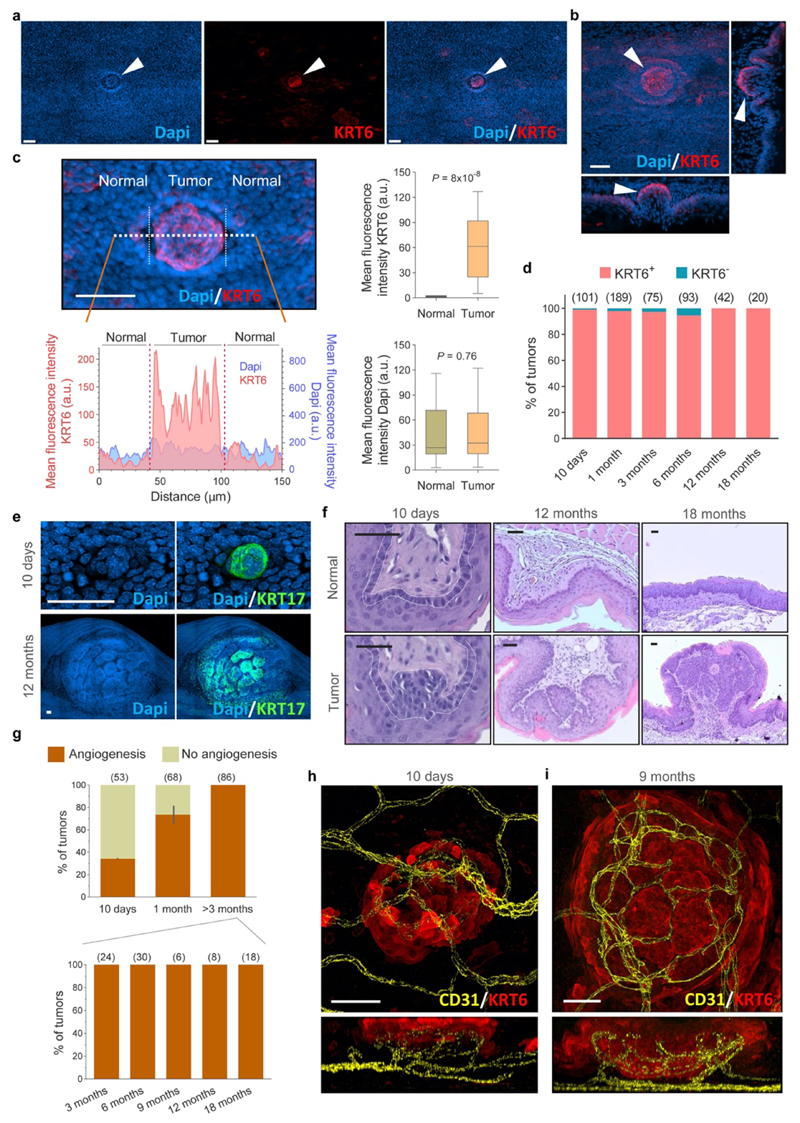
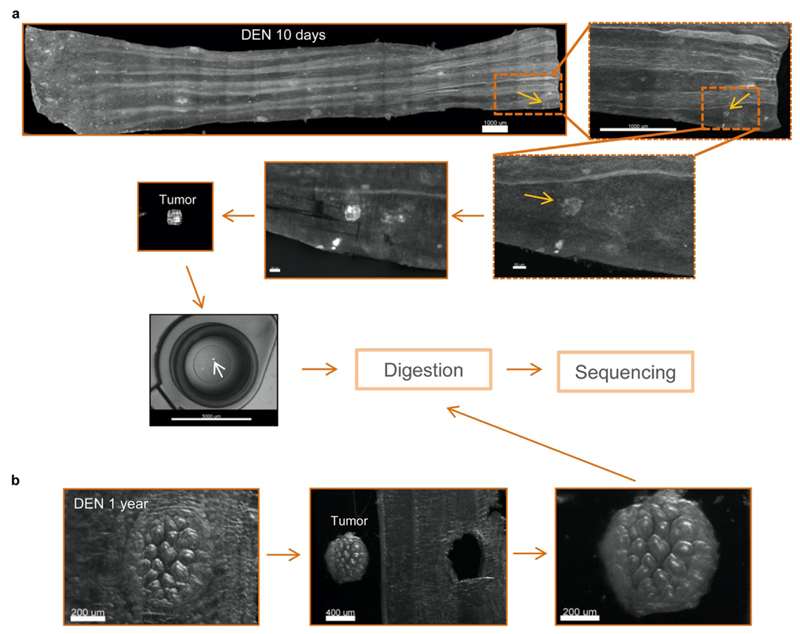
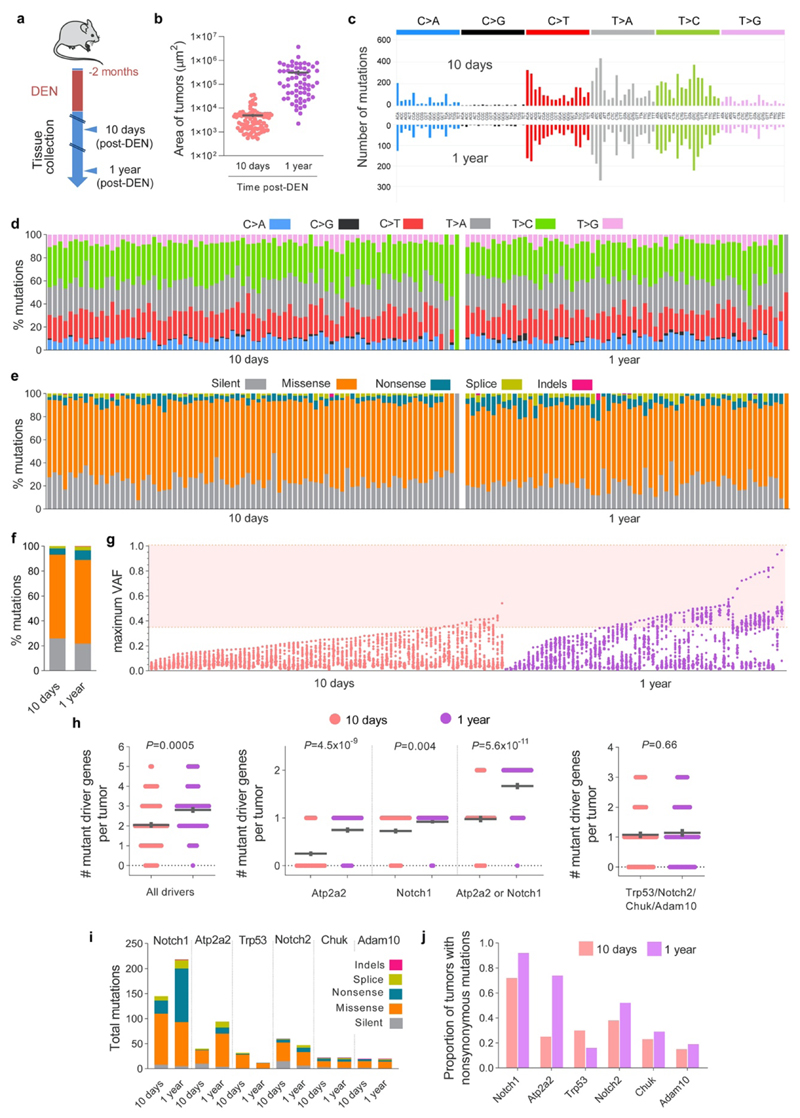
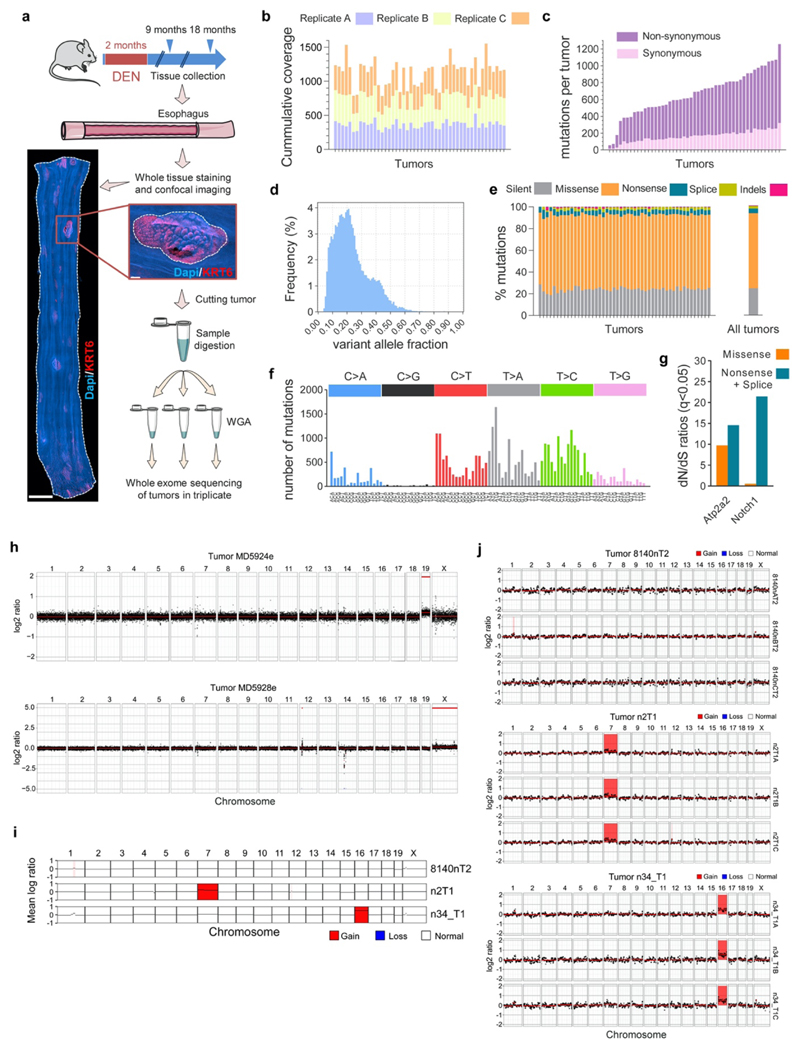
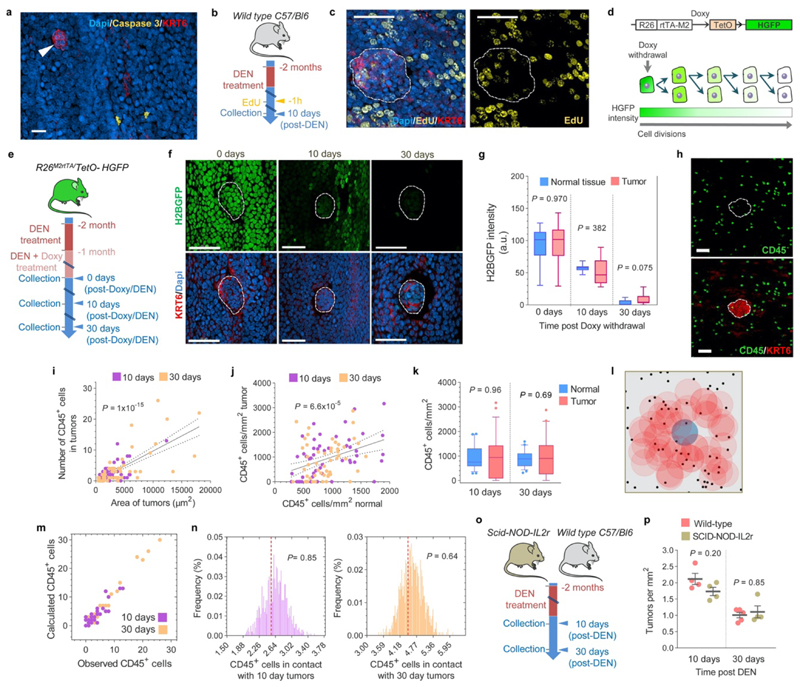
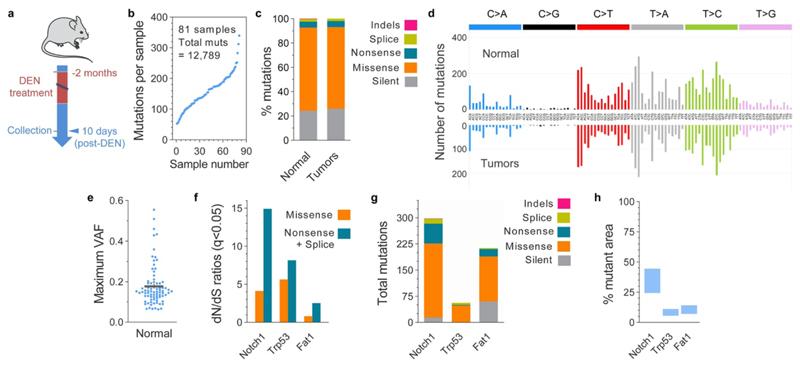
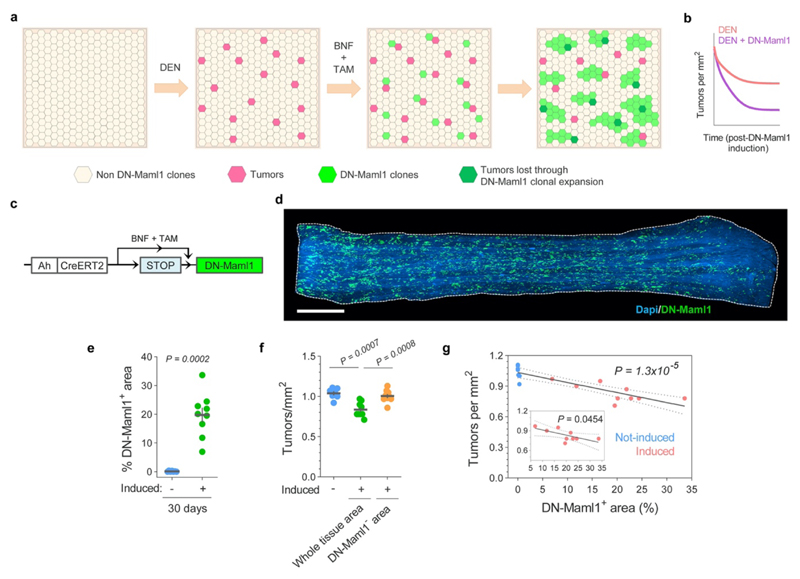
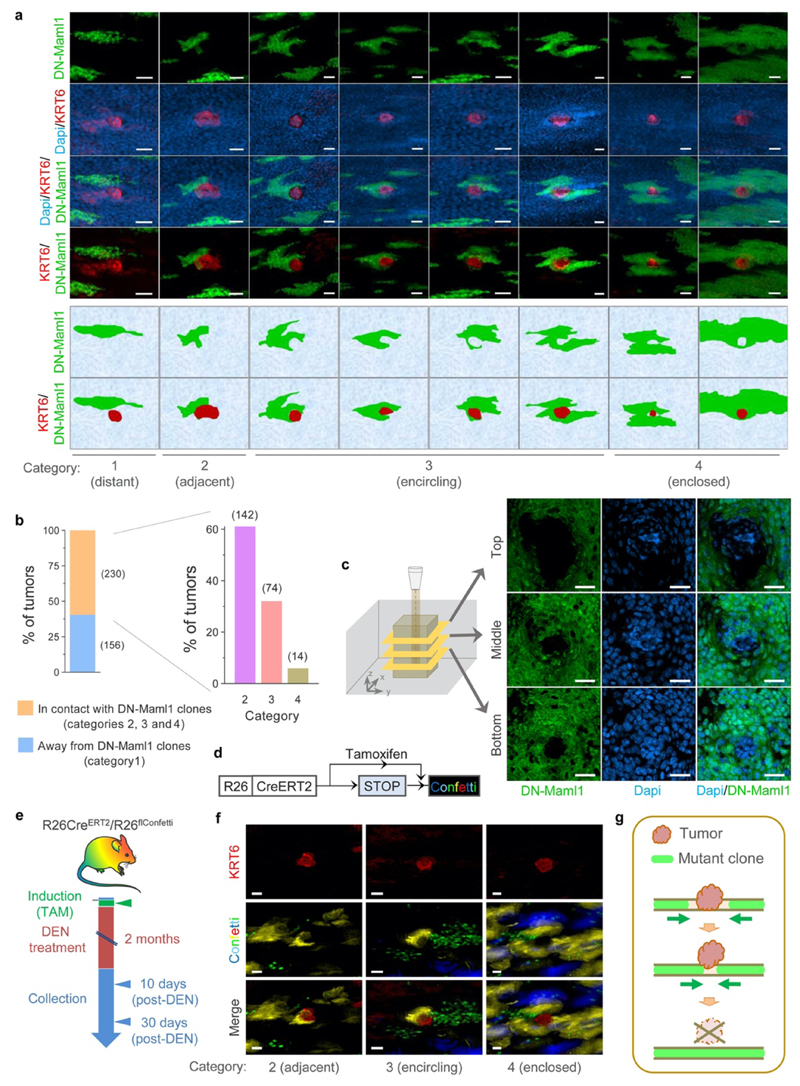
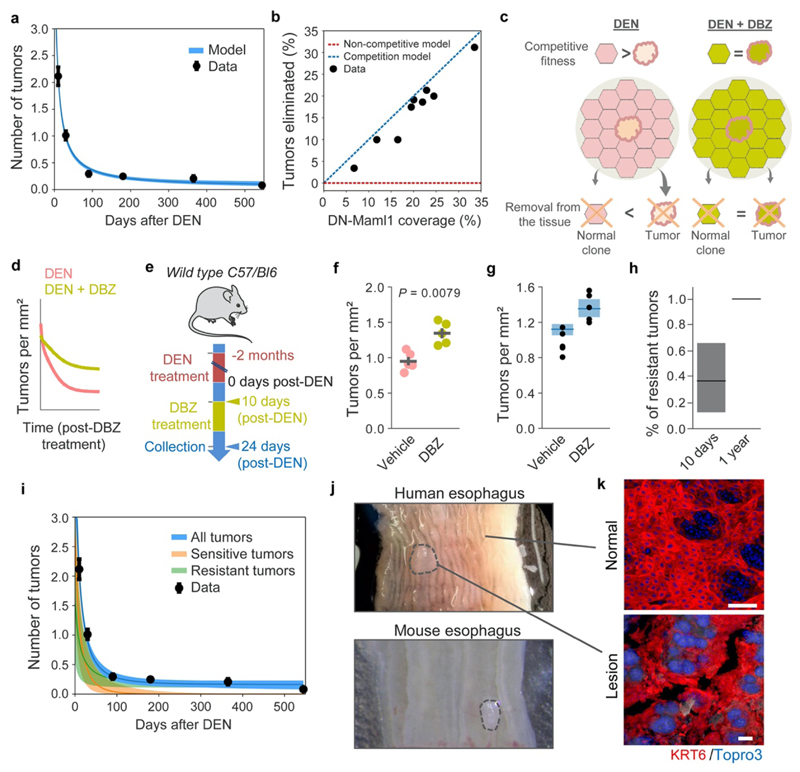
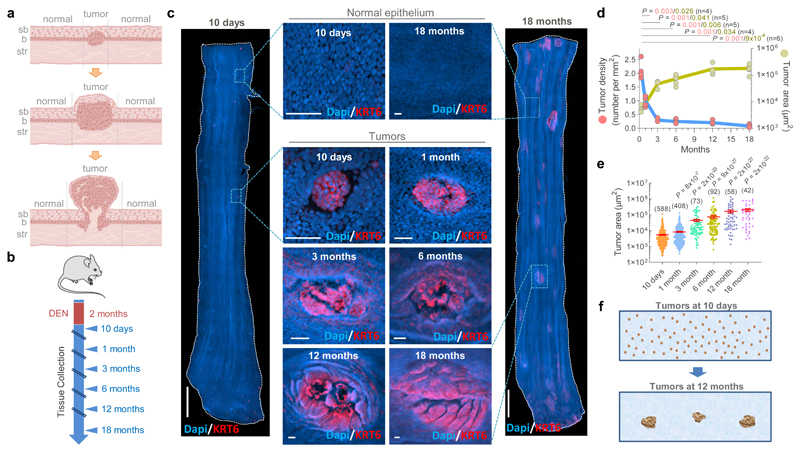
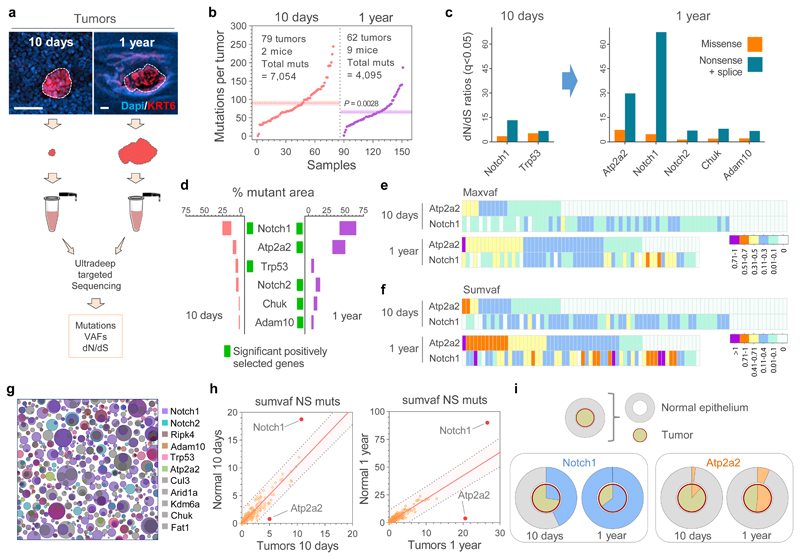
Human epithelial tissues accumulate cancer-driver mutations with age, yet tumour formation remains rare. The positive selection of these mutations suggests that they alter the behaviour and fitness of proliferating cells. Thus, normal adult tissues become a patchwork of mutant clones competing for space and survival, with the fittest clones expanding by eliminating their less competitive neighbours. However, little is known about how such dynamic competition in normal epithelia influences early tumorigenesis. Here we show that the majority of newly formed oesophageal tumours are eliminated through competition with mutant clones in the adjacent normal epithelium. We followed the fate of nascent, microscopic, pre-malignant tumours in a mouse model of oesophageal carcinogenesis and found that most were rapidly lost with no indication of tumour cell death, decreased proliferation or an anti-tumour immune response. However, deep sequencing of ten-day-old and one-year-old tumours showed evidence of selection on the surviving neoplasms. Induction of highly competitive clones in transgenic mice increased early tumour removal, whereas pharmacological inhibition of clonal competition reduced tumour loss. These results support a model in which survival of early neoplasms depends on their competitive fitness relative to that of mutant clones in the surrounding normal tissue. Mutant clones in normal epithelium have an unexpected anti-tumorigenic role in purging early tumours through cell competition, thereby preserving tissue integrity.
人类上皮组织随着年龄的增长积累致癌驱动突变,但肿瘤的形成仍然很少见。这些突变的正选择表明它们改变了增殖细胞的行为和适应性。因此,正常的成年组织变成了突变克隆的拼凑物,它们为争夺空间和生存而竞争,适应性最强的克隆通过消除其竞争力较弱的邻居而扩张。然而,对于正常上皮组织中的这种动态竞争如何影响早期肿瘤发生,我们知之甚少。在这里,我们表明,大多数新形成的食管肿瘤是通过与相邻正常上皮中的突变克隆竞争而被消除的。我们在食管癌变的小鼠模型中跟踪新生的、微观的、恶性前肿瘤的命运,并发现大多数肿瘤很快消失,没有肿瘤细胞死亡、增殖减少或抗肿瘤免疫反应的迹象。然而,对十天大和一岁大的肿瘤的深度测序显示,在存活的肿瘤中存在选择的证据。在转基因小鼠中诱导高竞争力的克隆会增加早期肿瘤的清除,而克隆竞争的药理抑制会减少肿瘤的丢失。这些结果支持了这样一种模型,即早期肿瘤的存活取决于它们相对于周围正常组织中的突变克隆的竞争适应性。正常上皮中的突变克隆通过细胞竞争对早期肿瘤具有意外的抗肿瘤作用,从而保持组织完整性。