Vinogradov S N, Lugo S D, Mainwaring M G, Kapp O H, Crewe A V
Proc Natl Acad Sci U S A. 1986 Nov;83(21):8034-8. doi: 10.1073/pnas.83.21.8034.
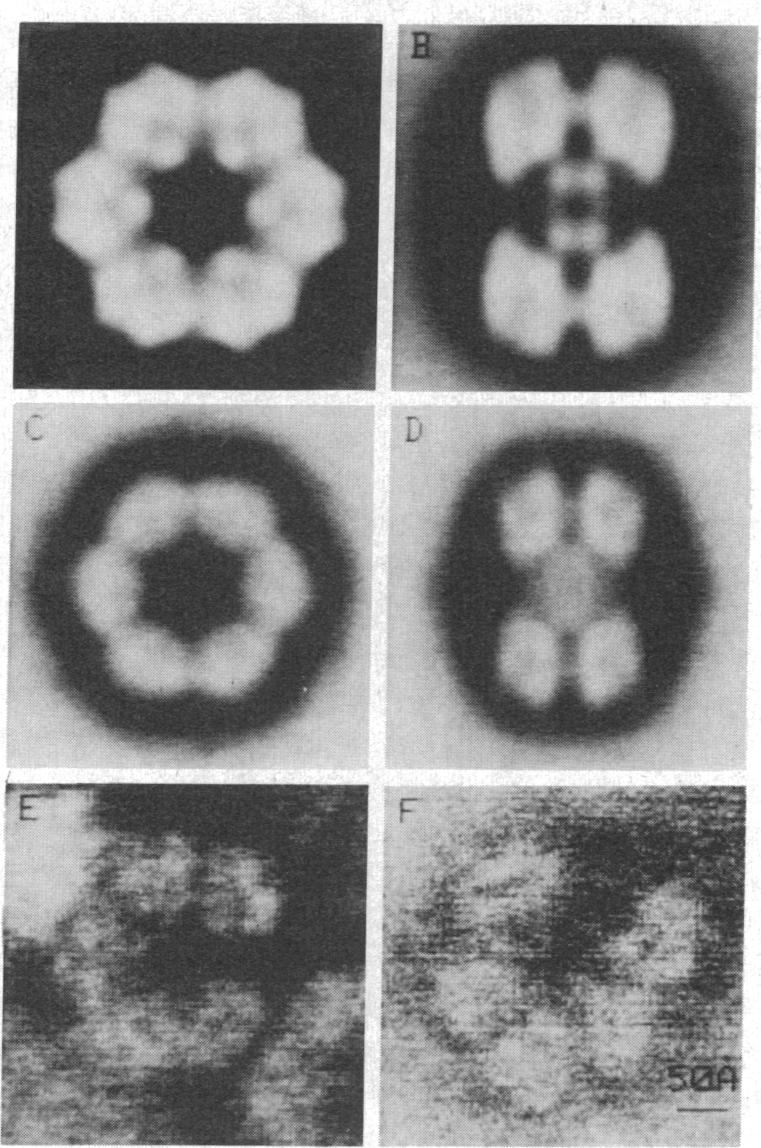
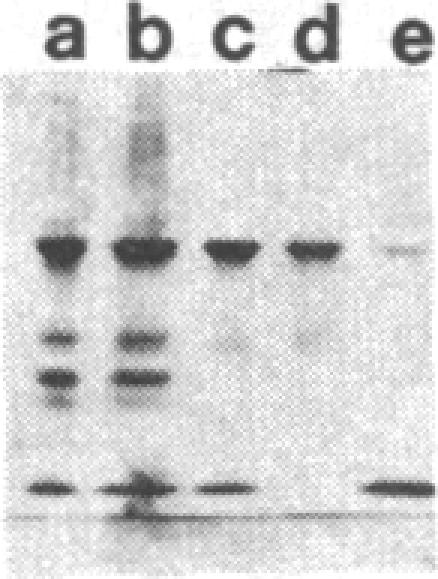
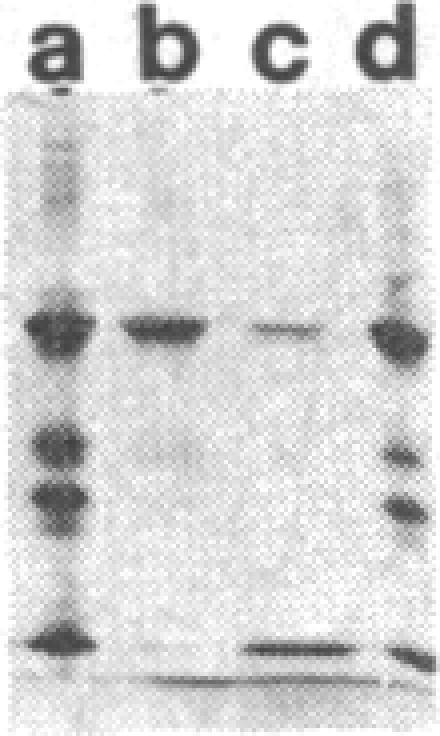
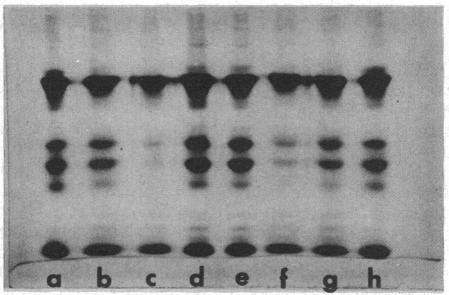
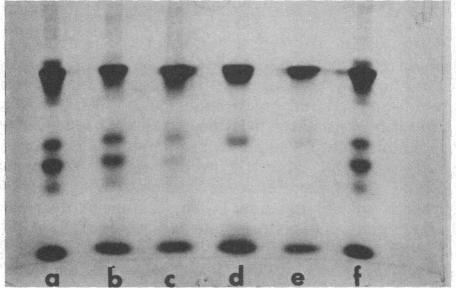
The complete dissociation of the hexagonal bilayer structure of Lumbricus terrestris hemoglobin (3900 kDa) at neutral pH, in the presence of urea, guanidine hydrochloride, sodium perchlorate, potassium thiocyanate, sodium phosphotungstate, and sodium phosphomolybdate, followed by gel filtration at neutral pH on Sephacryl S-200 or Superose 6, produced two fragments, II (65 kDa) and III (17 kDa); NaDodSO4/polyacrylamide gel electrophoresis showed that peak II consisted of subunits D1 (31 kDa, chain V), D2 (37 kDa, chain VI), and T (50 kDa, disulfide-bonded trimer of chains II, III, and IV) and that peak II consisted of subunit M (16 kDa, chain I). When dissociation was incomplete, two additional peaks were present, peak Ia eluting at the same volume as the whole hemoglobin and peak Ib (200 kDa). Scanning transmission electron micrographs of peak Ia showed it to consist of whole molecules and of incomplete hexagonal bilayer structures, missing an apparent 1/12th. Peak Ib contained all four subunits but was usually deficient in subunits D1 and D2, was not always in equilibrium with the whole molecule, and could be dissociated further into II and III. The patterns of dissociation observed at neutral pH were very similar to those observed previously at alkaline pH and at acid pH and appear to be incompatible with the generally accepted multimeric model of Lumbricus hemoglobin subunit structure. A model is proposed in which it is postulated that the stoichiometries of some of the subunits need not be constant and that subunits D1 and D2 either form a "bracelet" decorated with complexes of T and M subunits or serve as "linkers" between the latter, to provide the appearance of a two-tiered hexagonal structure. Additional support for the proposed model comes from observations that the fragment II obtained subsequent to dissociation at pH 4, in sodium phosphotungstate, in sodium perchlorate, and in potassium thiocyanate was found to be in equilibrium with a hexagonal bilayer structure IaR(II), whose dimensions were approximately equal to 20% smaller than those of the native hemoglobin.
在中性pH值下,在尿素、盐酸胍、高氯酸钠、硫氰酸钾、磷钨酸钠和磷钼酸钠存在的情况下,地龙血红蛋白(3900 kDa)的六边形双层结构完全解离,随后在中性pH值下于Sephacryl S - 200或Superose 6上进行凝胶过滤,产生了两个片段,片段II(65 kDa)和片段III(17 kDa);十二烷基硫酸钠/聚丙烯酰胺凝胶电泳显示,峰II由亚基D1(31 kDa,链V)、D2(37 kDa,链VI)和T(50 kDa,链II、III和IV的二硫键连接三聚体)组成,峰III由亚基M(16 kDa,链I)组成。当解离不完全时,会出现另外两个峰,峰Ia与整个血红蛋白在相同体积处洗脱,峰Ib(200 kDa)。峰Ia的扫描透射电子显微照片显示它由完整分子和不完整的六边形双层结构组成,缺少明显的十二分之一。峰Ib包含所有四个亚基,但通常缺乏亚基D1和D2,并不总是与整个分子处于平衡状态,并且可以进一步解离为II和III。在中性pH值下观察到的解离模式与先前在碱性pH值和酸性pH值下观察到的模式非常相似,并且似乎与普遍接受的地龙血红蛋白亚基结构的多聚体模型不相符。提出了一个模型,其中假设一些亚基的化学计量不必恒定,并且亚基D1和D2要么形成装饰有T和M亚基复合物的“手镯”,要么作为后者之间的“连接体”,以提供两层六边形结构的外观。对所提出模型的额外支持来自以下观察结果:在pH 4、磷钨酸钠、高氯酸钠和硫氰酸钾中解离后获得的片段II被发现与六边形双层结构IaR(II)处于平衡状态,其尺寸比天然血红蛋白的尺寸小约20%。