Taiwan International Graduate Program in Interdisciplinary Neuroscience, Academia Sinica, Taipei, Taiwan.
Institute of Clinical Medicine, College of Medicine, National Cheng Kung University, Tainan, Taiwan.
J Neuroinflammation. 2021 Oct 16;18(1):238. doi: 10.1186/s12974-021-02273-1.
Epigenetic regulation by histone deacetylases (HDACs) in Schwann cells (SCs) after injury facilitates them to undergo de- and redifferentiation processes necessary to support various stages of nerve repair. Although de-differentiation activates the synthesis and secretion of inflammatory cytokines by SCs to initiate an immune response during nerve repair, changes in either the timing or duration of prolonged inflammation mediated by SCs can affect later processes associated with repair and regeneration. Limited studies have investigated the regulatory processes through which HDACs in SCs control inflammatory cytokines to provide a favorable environment for peripheral nerve regeneration.
We employed the HDAC inhibitor (HDACi) sodium phenylbutyrate (PBA) to address this question in an in vitro RT4 SC inflammation model and an in vivo sciatic nerve transection injury model to examine the effects of HDAC inhibition on the expression of pro-inflammatory cytokines. Furthermore, we assessed the outcomes of suppression of extended inflammation on the regenerative potential of nerves by assessing axonal regeneration, remyelination, and reinnervation.
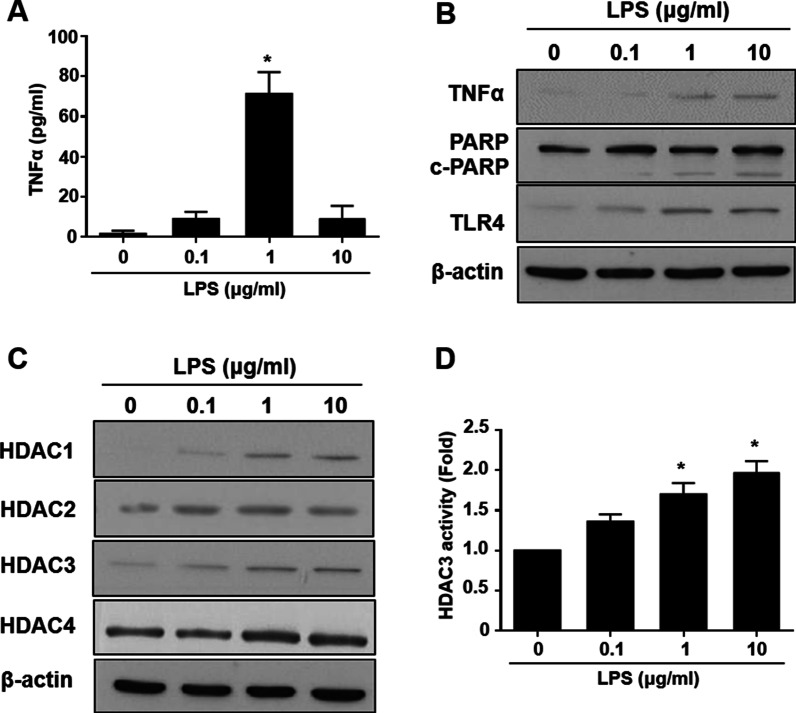
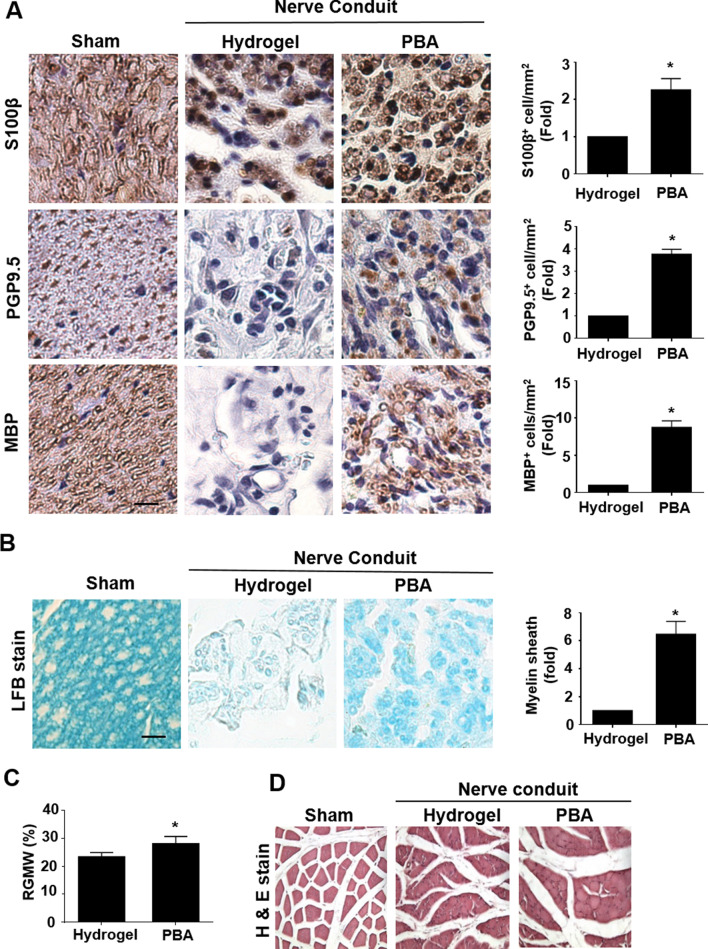
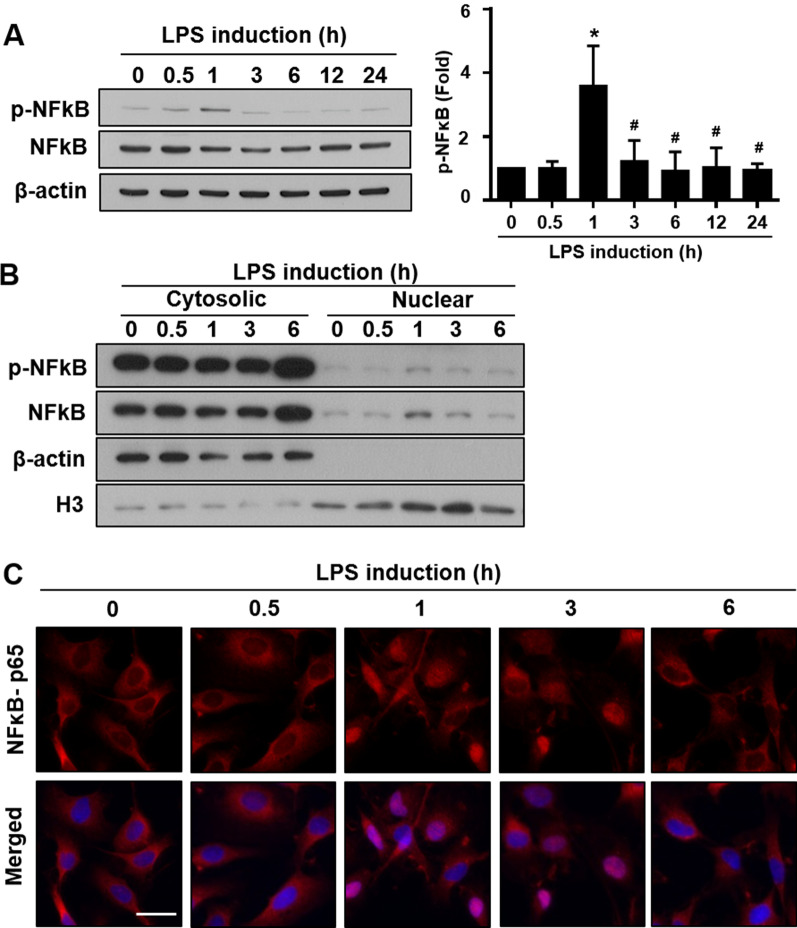
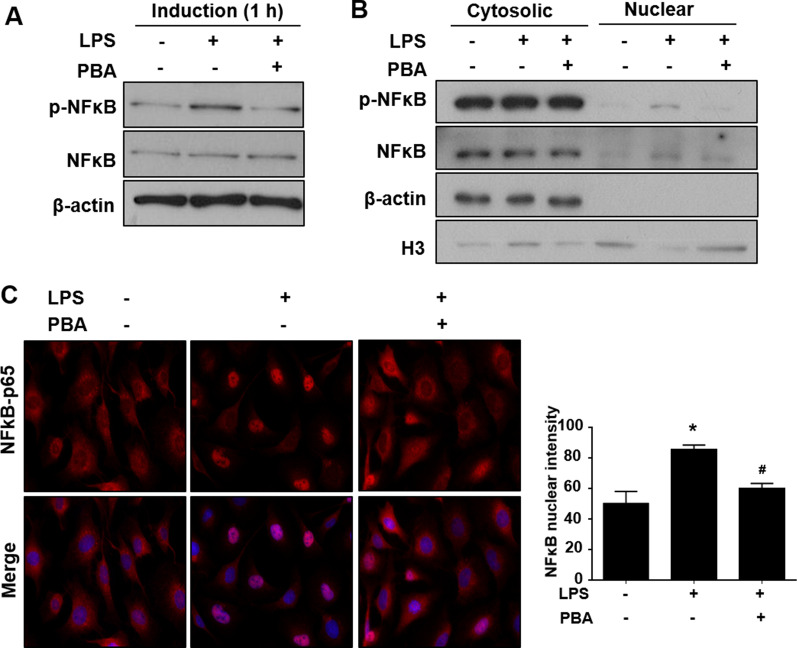
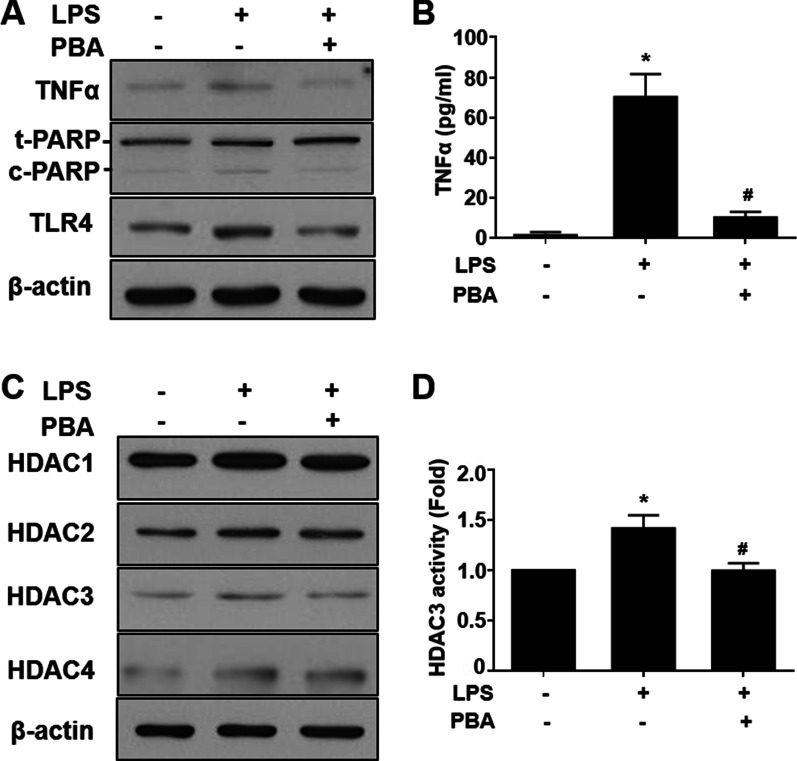
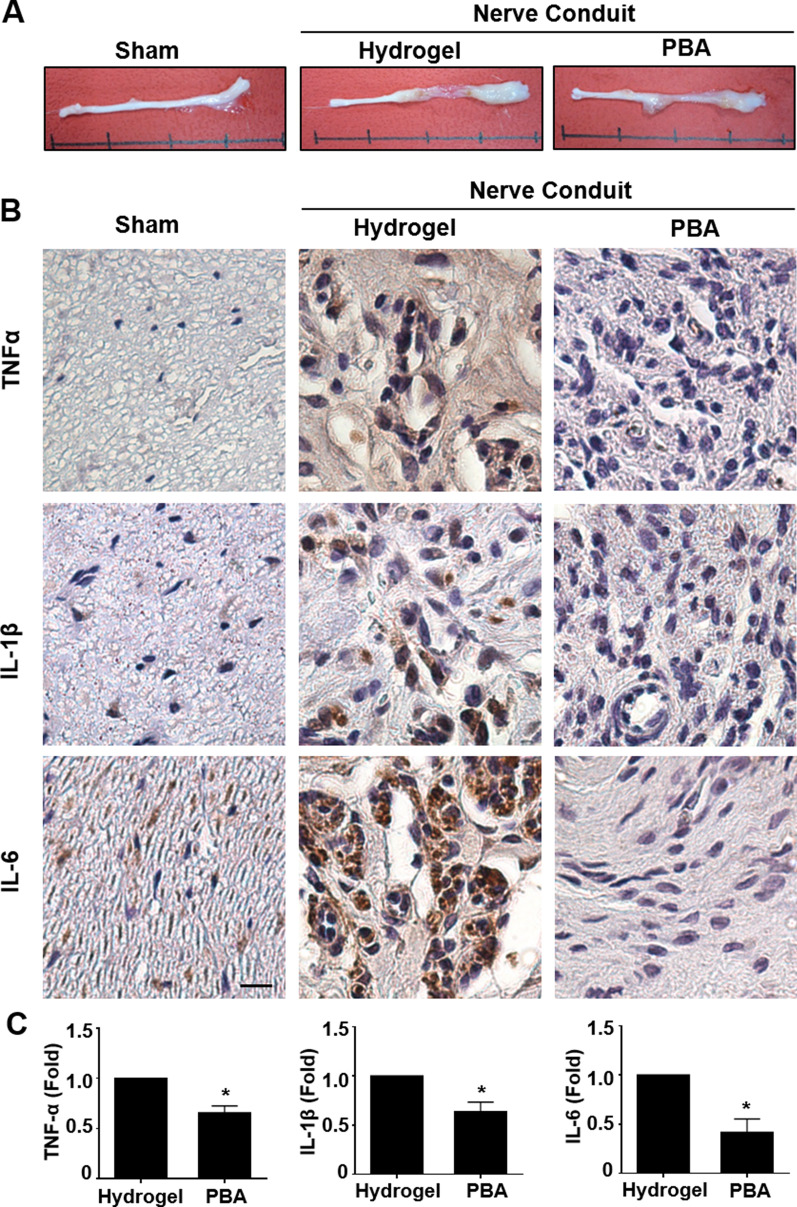
Significant reductions in lipopolysaccharide (LPS)-induced pro-inflammatory cytokine (tumor necrosis factor-α [TNFα]) expression and secretion were observed in vitro following PBA treatment. PBA treatment also affected the transient changes in nuclear factor κB (NFκB)-p65 phosphorylation and translocation in response to LPS induction in RT4 SCs. Similarly, PBA mediated long-term suppressive effects on HDAC3 expression and activity. PBA administration resulted in marked inhibition of pro-inflammatory cytokine secretion at the site of transection injury when compared with that in the hydrogel control group at 6-week post-injury. A conducive microenvironment for axonal regrowth and remyelination was generated by increasing expression levels of protein gene product 9.5 (PGP9.5) and myelin basic protein (MBP) in regenerating nerve tissues. PBA administration increased the relative gastrocnemius muscle weight percentage and maintained the intactness of muscle bundles when compared with those in the hydrogel control group.
Suppressing the lengthened state of inflammation using PBA treatment favors axonal regrowth and remyelination following nerve transection injury. PBA treatment also regulates pro-inflammatory cytokine expression by inhibiting the transcriptional activation of NFκB-p65 and HDAC3 in SCs in vitro.
损伤后施万细胞(SCs)中的组蛋白去乙酰化酶(HDACs)通过表观遗传调控,使其经历去分化和再分化过程,从而支持神经修复的各个阶段。虽然去分化激活了SCs 合成和分泌炎症细胞因子,以在神经修复过程中引发免疫反应,但SCs 介导的炎症持续时间的长短变化会影响与修复和再生相关的后期过程。有限的研究调查了SCs 中 HDAC 控制炎症细胞因子的调节过程,为外周神经再生提供有利的环境。
我们使用组蛋白去乙酰化酶抑制剂(HDACi)苯丁酸钠(PBA)在体外 RT4 SC 炎症模型和体内坐骨神经横断损伤模型中解决这个问题,以研究 HDAC 抑制对促炎细胞因子表达的影响。此外,我们通过评估轴突再生、髓鞘再生和神经再支配来评估对延长炎症的抑制对神经再生潜力的影响。
在体外,PBA 处理后,脂多糖(LPS)诱导的促炎细胞因子(肿瘤坏死因子-α[TNFα])表达和分泌显著减少。PBA 处理还影响了 LPS 诱导的 RT4 SC 中核因子κB(NFκB)-p65 磷酸化和易位的瞬时变化。同样,PBA 介导了对 HDAC3 表达和活性的长期抑制作用。与水凝胶对照组相比,PBA 给药在损伤后 6 周时在横断损伤部位显著抑制了促炎细胞因子的分泌。通过增加再生神经组织中蛋白基因产物 9.5(PGP9.5)和髓鞘碱性蛋白(MBP)的表达水平,产生有利于轴突再生和髓鞘再生的微环境。与水凝胶对照组相比,PBA 给药增加了比目鱼肌的相对重量百分比,并保持了肌肉束的完整性。
使用 PBA 治疗抑制延长的炎症状态有利于神经横断损伤后的轴突再生和髓鞘再生。PBA 治疗还通过抑制 NFκB-p65 和 SCs 中的 HDAC3 的转录激活来调节促炎细胞因子的表达。