Department of Oncology, Wayne State University School of Medicine and Tumor Biology Program, Barbara Ann Karmanos Cancer Institute, 4100 John R, mail code EL01TM, Detroit, MI, 48201, USA.
Eppley Institute for Research in Cancer and Allied Diseases, University of Nebraska Medical Center, 985950 Nebraska Medical Center, Omaha, NE, 68198, USA.
Sci Rep. 2021 Oct 21;11(1):20775. doi: 10.1038/s41598-021-00231-8.
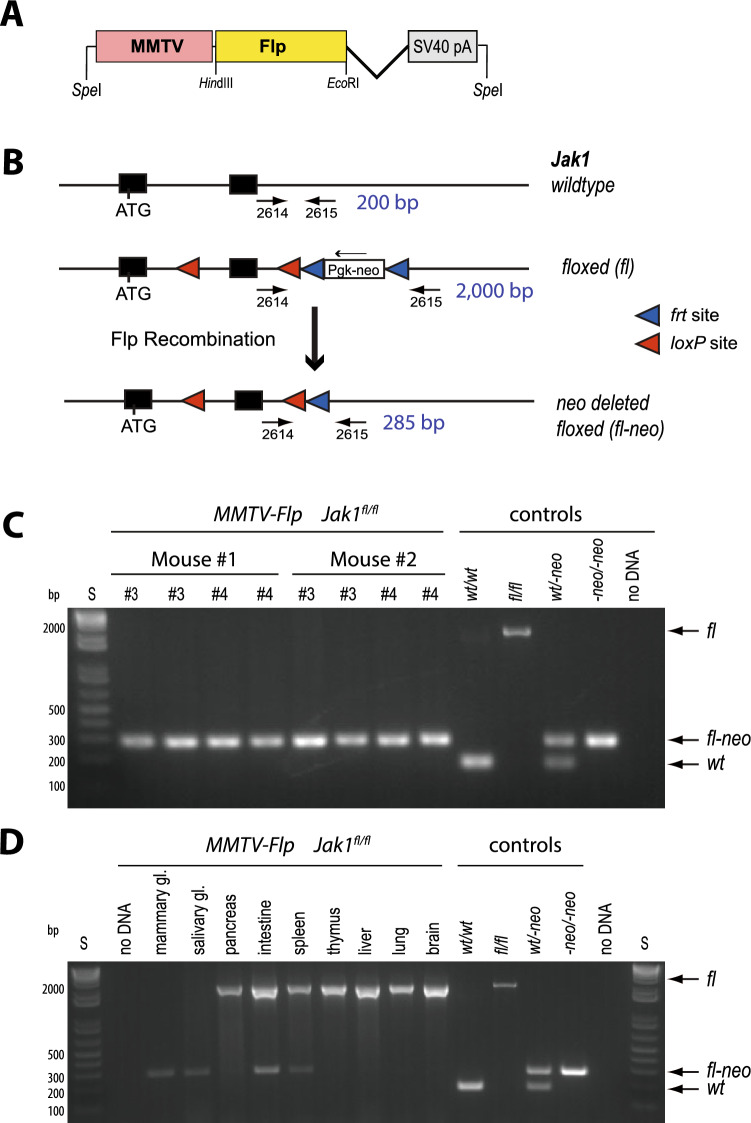
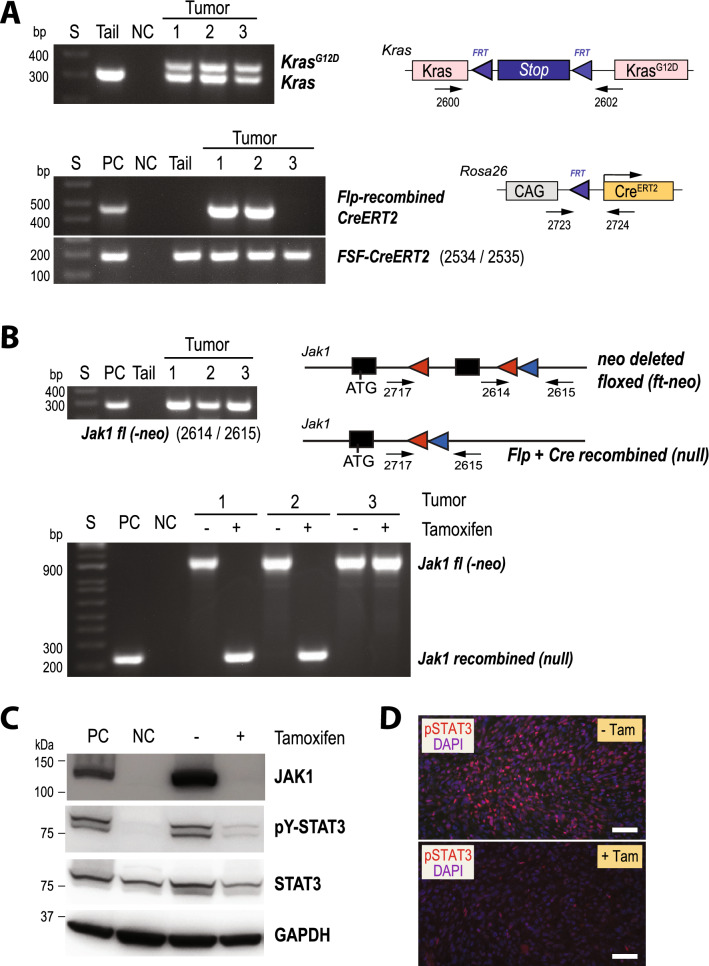
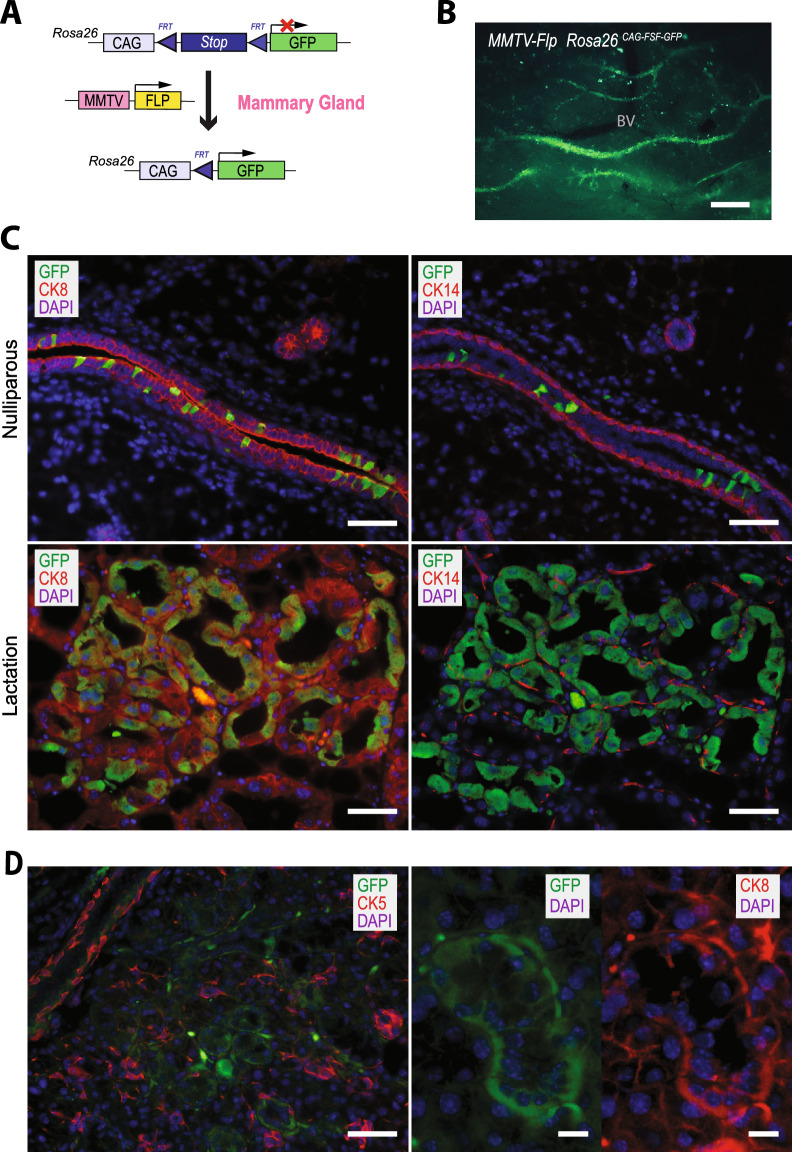
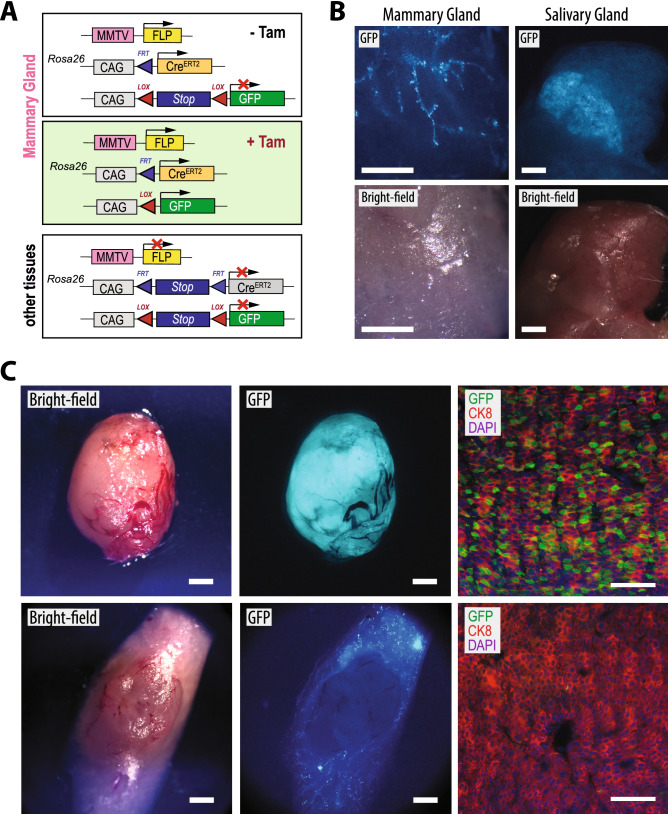
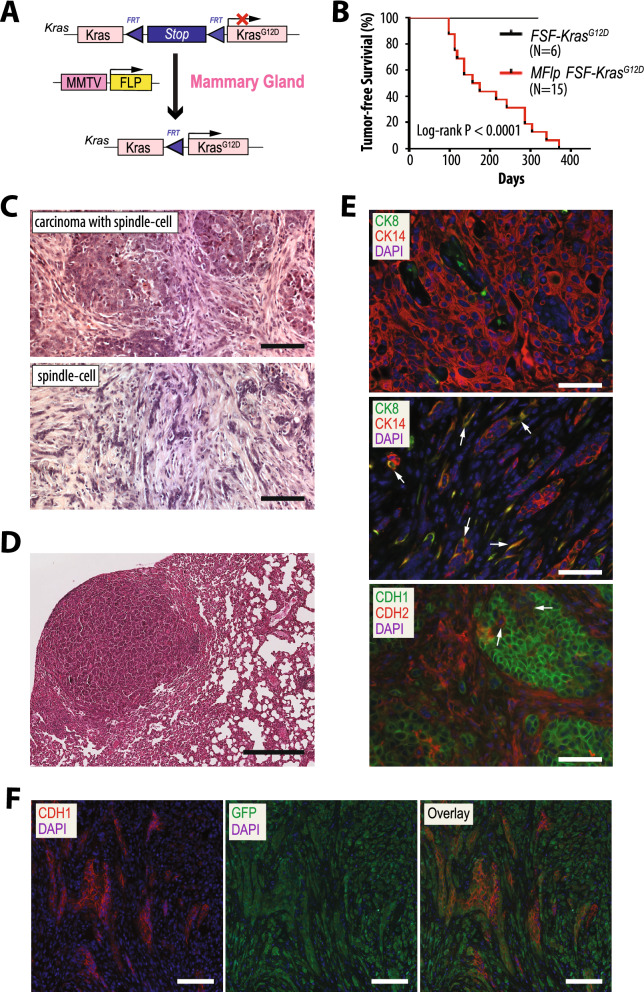
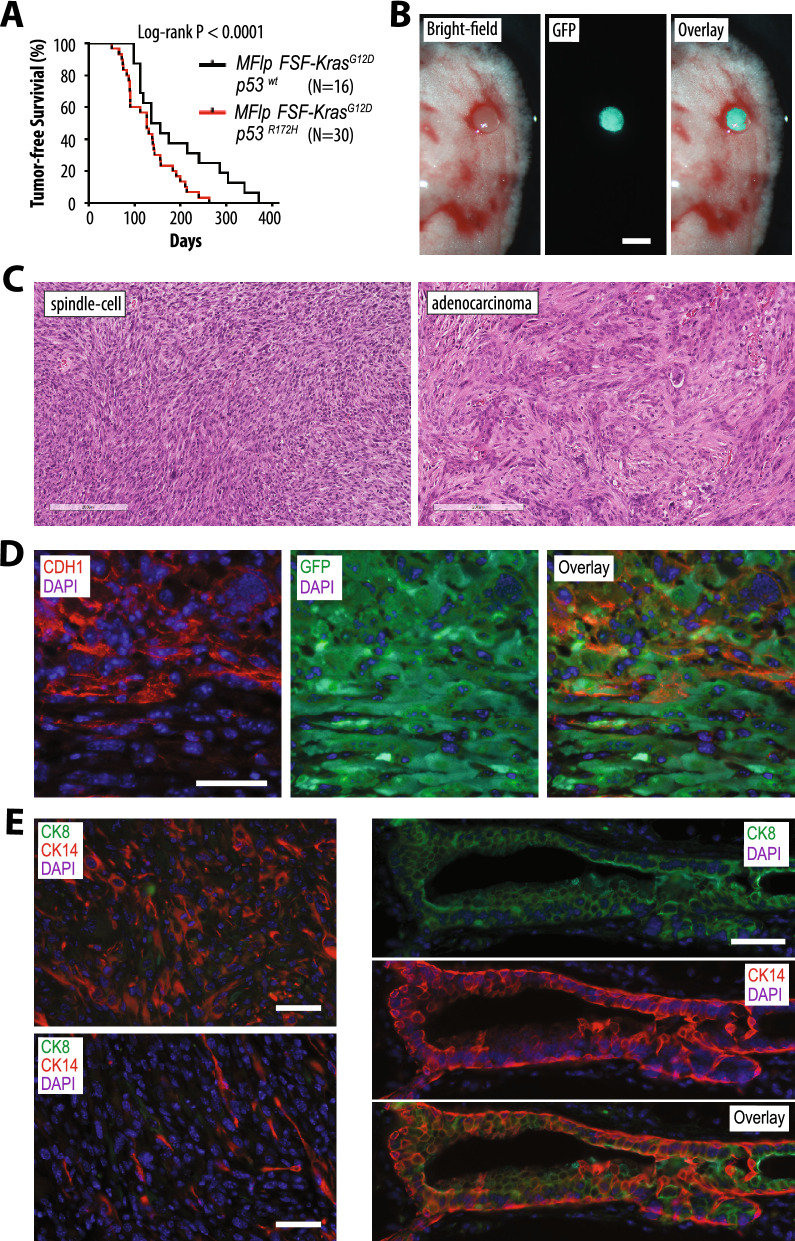
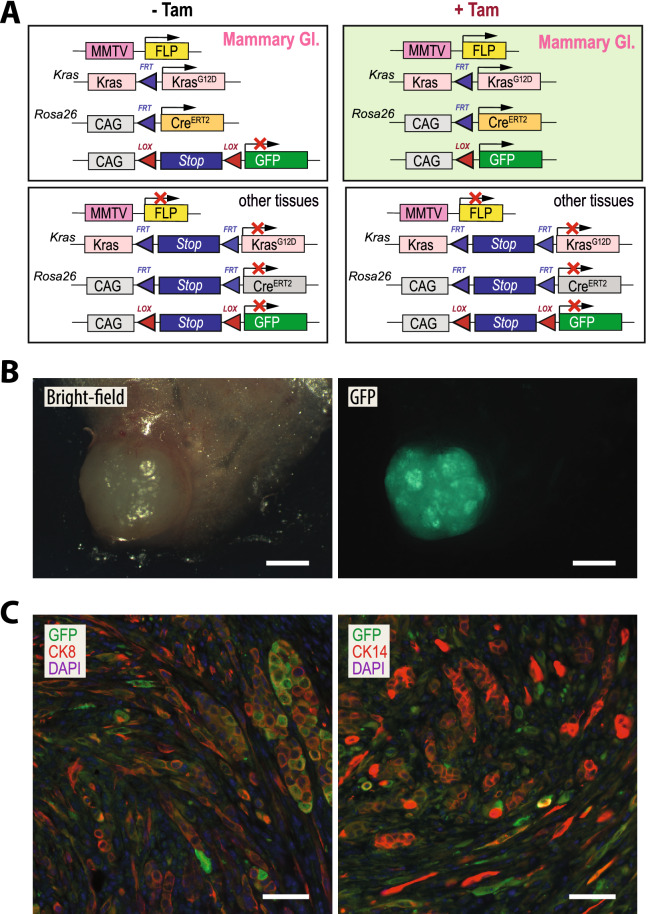
We developed a transgenic mouse line that expresses the codon-optimized Flp recombinase under the control of the MMTV promoter in luminal epithelial cells of the mammary gland. In this report, we demonstrate the versatile applicability of the new MMTV-Flp strain to manipulate genes in a temporally and spatially controlled manner in the normal mammary gland, in luminal-type mammary tumors that overexpress ERBB2, and in a new KRAS-associated mammary cancer model. Although the MMTV-Flp is expressed in a mosaic pattern in the luminal epithelium, the Flp-mediated activation of a mutant Kras allele resulted in basal-like mammary tumors that progressively acquired mesenchymal features. Besides its applicability as a tool for gene activation and cell lineage tracing to validate the cellular origin of primary and metastatic tumor cells, we employed the MMTV-Flp transgene together with the tamoxifen-inducible Cre recombinase to demonstrate that the combinatorial action of both recombinases can be used to delete or to activate genes in established tumors. In a proof-of-principle experiment, we conditionally deleted the JAK1 tyrosine kinase in KRAS-transformed mammary cancer cells using the dual recombinase approach and found that lack of JAK1 was sufficient to block the constitutive activation of STAT3. The collective results from the various lines of investigation showed that it is, in principle, feasible to manipulate genes in a ligand-controlled manner in neoplastic mammary epithelial cells, even when cancer cells acquire a state of cellular plasticity that may no longer support the expression of the MMTV-Flp transgene.
我们开发了一种转基因小鼠品系,在乳腺腔上皮细胞中受 MMTV 启动子控制表达密码子优化的 Flp 重组酶。在本报告中,我们证明了新型 MMTV-Flp 品系在正常乳腺、过表达 ERBB2 的腔型乳腺肿瘤以及新的 KRAS 相关乳腺肿瘤模型中以时空控制方式操纵基因的多功能适用性。尽管 MMTV-Flp 在腔上皮细胞中以镶嵌模式表达,但 Flp 介导的突变 Kras 等位基因的激活导致基底样乳腺肿瘤逐渐获得间充质特征。除了作为基因激活和细胞谱系追踪的工具以验证原发性和转移性肿瘤细胞的细胞起源的适用性之外,我们还使用 MMTV-Flp 转基因与他莫昔芬诱导的 Cre 重组酶一起,证明了两种重组酶的组合作用可用于删除或激活已建立的肿瘤中的基因。在一个原理验证实验中,我们使用双重重组酶方法在 KRAS 转化的乳腺癌细胞中条件性缺失 JAK1 酪氨酸激酶,发现缺乏 JAK1 足以阻断 STAT3 的组成性激活。各种研究路线的综合结果表明,即使癌细胞获得了可能不再支持 MMTV-Flp 转基因表达的细胞可塑性状态,以配体控制方式操纵肿瘤乳腺上皮细胞中的基因在原则上是可行的。