• 文献检索
  • 文档翻译
  • 深度研究
  • 学术资讯
  • Suppr Zotero 插件Zotero 插件
  • 邀请有礼
  • 套餐&价格
  • 历史记录
应用&插件
Suppr Zotero 插件Zotero 插件浏览器插件Mac 客户端Windows 客户端微信小程序
定价
高级版会员购买积分包购买API积分包
服务
文献检索文档翻译深度研究API 文档MCP 服务
关于我们
关于 Suppr公司介绍联系我们用户协议隐私条款
关注我们

Suppr 超能文献

核心技术专利:CN118964589B侵权必究
粤ICP备2023148730 号-1Suppr @ 2026

文献检索

告别复杂PubMed语法,用中文像聊天一样搜索,搜遍4000万医学文献。AI智能推荐,让科研检索更轻松。

立即免费搜索

文件翻译

保留排版,准确专业,支持PDF/Word/PPT等文件格式,支持 12+语言互译。

免费翻译文档

深度研究

AI帮你快速写综述,25分钟生成高质量综述,智能提取关键信息,辅助科研写作。

立即免费体验

采用重复经颅磁刺激治疗中风后失语症的新治疗策略。

New Treatment Strategy Using Repetitive Transcranial Magnetic Stimulation for Post-Stroke Aphasia.

作者信息

Hara Takatoshi, Abo Masahiro

机构信息

Department of Rehabilitaion Medicine, The Jikei University School of Medicine, Tokyo 105-8461, Japan.

出版信息

Diagnostics (Basel). 2021 Oct 8;11(10):1853. doi: 10.3390/diagnostics11101853.

DOI:10.3390/diagnostics11101853
PMID:34679550
原文链接:https://pmc.ncbi.nlm.nih.gov/articles/PMC8534572/
Abstract

Repetitive transcranial magnetic stimulation (rTMS) for post-stroke aphasia (PSA) has been suggested to promote improvement of language function when used in combination with rehabilitation. However, many challenges remain. In some reports examined by category of language function, only naming has good evidence of improvement, and the improvement effect on other language modalities is low. Therefore, it is necessary to establish methods that contribute to the improvement of language functions other than naming. Therapeutic methods for PSA based on the mechanism of rTMS are mainly inhibitory stimulation methods for language homologous areas. However, the mechanisms of these methods are controversial when inferred from the process of recovery of language function. Low-frequency rTMS applied to the right hemisphere has been shown to be effective in the chronic phase of PSA, but recent studies of the recovery process of language function indicate that this method is unclear. Therefore, it has been suggested that evaluating brain activity using neuroimaging contributes to confirming the effect of rTMS on PSA and the elucidation of the mechanism of functional improvement. In addition, neuroimaging-based stimulation methods (imaging-based rTMS) may lead to further improvements in language function. Few studies have examined neuroimaging and imaging-based rTMS in PSA, and further research is required. In addition, the stimulation site and stimulation parameters of rTMS are likely to depend on the time from onset to intervention. However, there are no reports of studies in patients between 90 and 180 days after onset. Therefore, research during this period is required. New stimulation methods, such as multiple target methods and the latest neuroimaging methods, may contribute to the establishment of new knowledge and new treatment methods in this field.

摘要

重复经颅磁刺激(rTMS)用于治疗脑卒中后失语(PSA),已被建议与康复治疗联合使用以促进语言功能改善。然而,仍存在许多挑战。在一些按语言功能类别进行检查的报告中,只有命名功能有充分证据显示有所改善,而对其他语言模式的改善效果较低。因此,有必要建立有助于改善命名功能以外其他语言功能的方法。基于rTMS机制的PSA治疗方法主要是针对语言同源区域的抑制性刺激方法。然而,从语言功能恢复过程推断,这些方法的机制存在争议。应用于右半球的低频rTMS已被证明在PSA慢性期有效,但最近关于语言功能恢复过程的研究表明,这种方法的效果尚不清楚。因此,有人建议使用神经影像学评估脑活动有助于确认rTMS对PSA的疗效并阐明功能改善机制。此外,基于神经影像学的刺激方法(基于成像的rTMS)可能会进一步改善语言功能。很少有研究在PSA中考察神经影像学和基于成像的rTMS,需要进一步研究。此外,rTMS的刺激部位和刺激参数可能取决于发病至干预的时间。然而,尚无发病后90至180天患者的研究报告。因此,需要在此期间开展研究。新的刺激方法,如多靶点方法和最新的神经影像学方法,可能有助于在该领域建立新知识和新治疗方法。
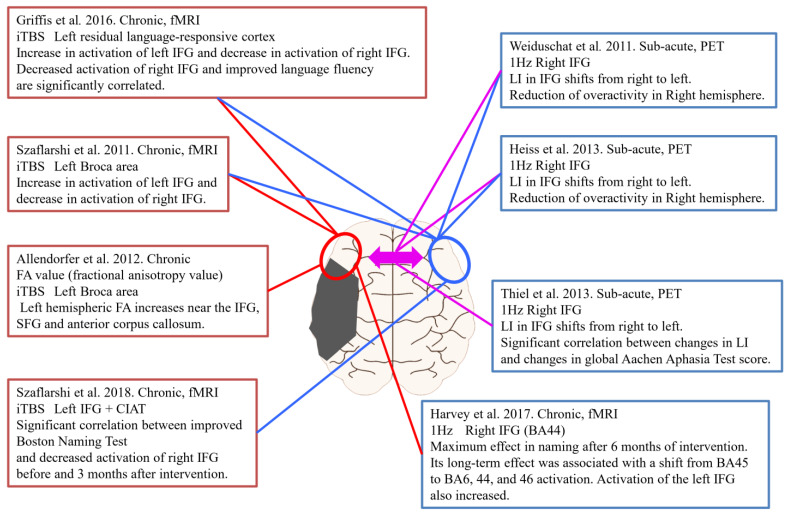
https://cdn.ncbi.nlm.nih.gov/pmc/blobs/137d/8534572/c1c4abff5b79/diagnostics-11-01853-g004.jpg
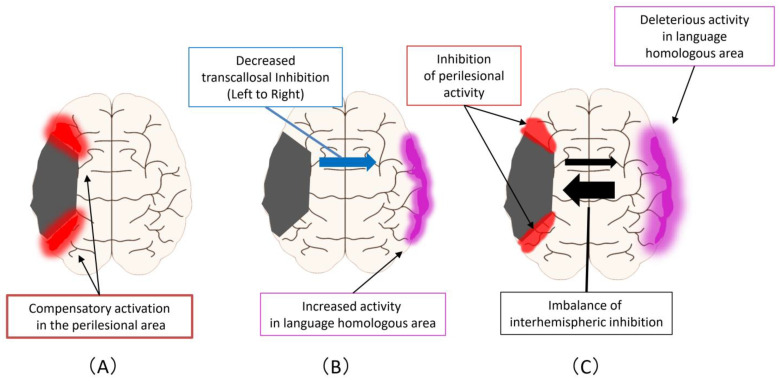
https://cdn.ncbi.nlm.nih.gov/pmc/blobs/137d/8534572/81c9cef0c0af/diagnostics-11-01853-g001.jpg
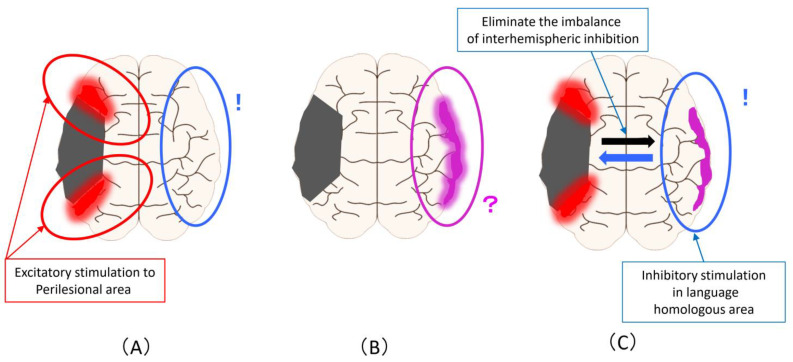
https://cdn.ncbi.nlm.nih.gov/pmc/blobs/137d/8534572/19a3d801943f/diagnostics-11-01853-g002.jpg
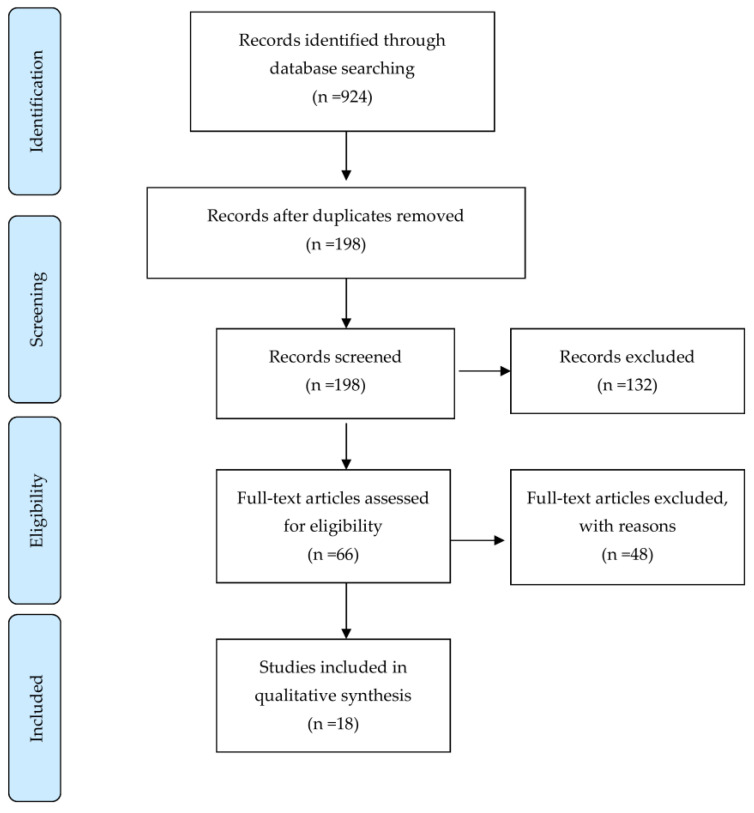
https://cdn.ncbi.nlm.nih.gov/pmc/blobs/137d/8534572/9b23226db81e/diagnostics-11-01853-g003.jpg
https://cdn.ncbi.nlm.nih.gov/pmc/blobs/137d/8534572/c1c4abff5b79/diagnostics-11-01853-g004.jpg
https://cdn.ncbi.nlm.nih.gov/pmc/blobs/137d/8534572/81c9cef0c0af/diagnostics-11-01853-g001.jpg
https://cdn.ncbi.nlm.nih.gov/pmc/blobs/137d/8534572/19a3d801943f/diagnostics-11-01853-g002.jpg
https://cdn.ncbi.nlm.nih.gov/pmc/blobs/137d/8534572/9b23226db81e/diagnostics-11-01853-g003.jpg
https://cdn.ncbi.nlm.nih.gov/pmc/blobs/137d/8534572/c1c4abff5b79/diagnostics-11-01853-g004.jpg

相似文献

1
New Treatment Strategy Using Repetitive Transcranial Magnetic Stimulation for Post-Stroke Aphasia.采用重复经颅磁刺激治疗中风后失语症的新治疗策略。
Diagnostics (Basel). 2021 Oct 8;11(10):1853. doi: 10.3390/diagnostics11101853.
2
Effect of low-frequency repetitive transcranial magnetic stimulation on naming abilities in early-stroke aphasic patients: a prospective, randomized, double-blind sham-controlled study.低频重复经颅磁刺激对早期脑卒中失语症患者命名能力的影响:一项前瞻性、随机、双盲、假刺激对照研究。
ScientificWorldJournal. 2012;2012:518568. doi: 10.1100/2012/518568. Epub 2012 Nov 20.
3
Effects of Low-Frequency Repetitive Transcranial Magnetic Stimulation on Language Recovery in Poststroke Survivors With Aphasia: An Updated Meta-analysis.低频重复经颅磁刺激对脑卒中后失语症患者语言康复的影响:一项更新的荟萃分析。
Neurorehabil Neural Repair. 2021 Aug;35(8):680-691. doi: 10.1177/15459683211011230. Epub 2021 May 25.
4
Effects of low-frequency repetitive transcranial magnetic stimulation combined with intensive speech therapy on cerebral blood flow in post-stroke aphasia.低频重复经颅磁刺激联合强化言语治疗对脑卒中后失语症脑血流的影响
Transl Stroke Res. 2015 Oct;6(5):365-74. doi: 10.1007/s12975-015-0417-7. Epub 2015 Aug 7.
5
Functional Remodeling Associated With Language Recovery After Repetitive Transcranial Magnetic Stimulation in Chronic Aphasic Stroke.慢性失语性中风患者重复经颅磁刺激后与语言恢复相关的功能重塑
Front Neurol. 2022 Mar 7;13:809843. doi: 10.3389/fneur.2022.809843. eCollection 2022.
6
Repetitive Transcranial Magnetic Stimulation in Post-stroke Aphasia: Comparative Evaluation of Inhibitory and Excitatory Therapeutic Protocols: Narrative Review.重复经颅磁刺激治疗脑卒中后失语症:抑制和兴奋治疗方案的比较评估:叙述性综述。
Adv Exp Med Biol. 2023;1425:619-628. doi: 10.1007/978-3-031-31986-0_60.
7
Excitatory deep transcranial magnetic stimulation with H-coil over the right homologous Broca's region improves naming in chronic post-stroke aphasia.右同源布罗卡区 H 线圈的兴奋性深部经颅磁刺激改善慢性脑卒中后失语症的命名。
Neurorehabil Neural Repair. 2014 Mar-Apr;28(3):291-8. doi: 10.1177/1545968313508471. Epub 2013 Nov 15.
8
Imaging effects related to language improvements by rTMS.与重复经颅磁刺激(rTMS)改善语言能力相关的成像效应。
Restor Neurol Neurosci. 2016 Apr 11;34(4):531-6. doi: 10.3233/RNN-150631.
9
Utilizing repetitive transcranial magnetic stimulation to improve language function in stroke patients with chronic non-fluent aphasia.利用重复经颅磁刺激改善慢性非流畅性失语中风患者的语言功能。
J Vis Exp. 2013 Jul 2(77):e50228. doi: 10.3791/50228.
10
Long term language recovery subsequent to low frequency rTMS in chronic non-fluent aphasia.低频重复经颅磁刺激治疗慢性非流利性失语症后的长期语言恢复。
NeuroRehabilitation. 2013;32(4):915-28. doi: 10.3233/NRE-130915.

引用本文的文献

1
Using Biosensors to Detect and Map Language Areas in the Brain for Individuals with Traumatic Brain Injury.使用生物传感器检测和绘制创伤性脑损伤患者大脑中的语言区域。
Diagnostics (Basel). 2024 Jul 16;14(14):1535. doi: 10.3390/diagnostics14141535.
2
The Effect of Extremely Low-Frequency Magnetic Field on Stroke Patients: A Systematic Review.极低频磁场对中风患者的影响:一项系统综述。
Brain Sci. 2024 Apr 26;14(5):430. doi: 10.3390/brainsci14050430.
3
Efficacy of different rehabilitation therapies on post-stroke aphasia patients: A network meta-analysis.

本文引用的文献

1
A pilot study verifying the effectiveness of high-frequency repetitive transcranial magnetic stimulation in combination with intensive speech-language-hearing therapy in patients with chronic aphasia.一项验证高频重复经颅磁刺激联合强化语言-听觉疗法治疗慢性失语症患者的有效性的初步研究。
NeuroRehabilitation. 2021;49(3):459-467. doi: 10.3233/NRE-210139.
2
The Effect of Non-Invasive Brain Stimulation (NIBS) on Attention and Memory Function in Stroke Rehabilitation Patients: A Systematic Review and Meta-Analysis.非侵入性脑刺激(NIBS)对中风康复患者注意力和记忆功能的影响:一项系统评价和荟萃分析
Diagnostics (Basel). 2021 Feb 3;11(2):227. doi: 10.3390/diagnostics11020227.
3
不同康复疗法治疗脑卒中后失语症患者的疗效:网络荟萃分析。
Medicine (Baltimore). 2024 May 24;103(21):e38255. doi: 10.1097/MD.0000000000038255.
4
Repetitive Transcranial Magnetic Stimulation in Post-stroke Aphasia: Comparative Evaluation of Inhibitory and Excitatory Therapeutic Protocols: Narrative Review.重复经颅磁刺激治疗脑卒中后失语症:抑制和兴奋治疗方案的比较评估:叙述性综述。
Adv Exp Med Biol. 2023;1425:619-628. doi: 10.1007/978-3-031-31986-0_60.
5
Current evidence, clinical applications, and future directions of transcranial magnetic stimulation as a treatment for ischemic stroke.经颅磁刺激作为缺血性中风治疗方法的当前证据、临床应用及未来方向
Front Neurosci. 2023 Jul 18;17:1177283. doi: 10.3389/fnins.2023.1177283. eCollection 2023.
6
Improved language function for post-stroke aphasia in the long term following repeated repetitive transcranial magnetic stimulation and intensive speech-language-hearing therapy: a case report.重复经颅磁刺激联合强化言语-语言康复治疗对脑卒中后长期运动性失语症患者语言功能的改善:1 例报告
J Med Case Rep. 2023 Jul 8;17(1):285. doi: 10.1186/s13256-023-03992-0.
7
Cerebellar Continuous Theta Burst Stimulation for Aphasia Rehabilitation: Study Protocol for a Randomized Controlled Trial.小脑持续性θ波爆发刺激治疗失语症康复:一项随机对照试验的研究方案
Front Aging Neurosci. 2022 Jun 2;14:909733. doi: 10.3389/fnagi.2022.909733. eCollection 2022.
8
The Progress of Functional Magnetic Resonance Imaging in Patients with Poststroke Aphasia.功能磁共振成像在脑卒中后失语症患者中的研究进展。
J Healthc Eng. 2022 Apr 21;2022:3270534. doi: 10.1155/2022/3270534. eCollection 2022.
Efficacy of non-invasive brain stimulation on cognitive functioning in brain disorders: a meta-analysis.
非侵入性脑刺激对脑疾病认知功能的疗效:荟萃分析。
Psychol Med. 2020 Nov;50(15):2465-2486. doi: 10.1017/S0033291720003670. Epub 2020 Oct 19.
4
Effects of repetitive transcranial magnetic stimulation with different frequencies on post-stroke aphasia: A PRISMA-compliant meta-analysis.不同频率重复经颅磁刺激对脑卒中后失语症的影响:一项遵循PRISMA标准的Meta分析。
Medicine (Baltimore). 2020 Jun 12;99(24):e20439. doi: 10.1097/MD.0000000000020439.
5
Repetitive transcranial magnetic stimulation for management of post-stroke impairments: An overview of systematic reviews.重复经颅磁刺激治疗脑卒中后障碍的管理:系统评价概述。
J Rehabil Med. 2020 Feb 7;52(2):jrm00015. doi: 10.2340/16501977-2637.
6
Evidence-based guidelines on the therapeutic use of repetitive transcranial magnetic stimulation (rTMS): An update (2014-2018).基于证据的重复经颅磁刺激(rTMS)治疗应用指南:更新(2014-2018)。
Clin Neurophysiol. 2020 Feb;131(2):474-528. doi: 10.1016/j.clinph.2019.11.002. Epub 2020 Jan 1.
7
Advances and Innovations in Aphasia Treatment Trials.失语症治疗试验的进展与创新
Stroke. 2019 Oct;50(10):2977-2984. doi: 10.1161/STROKEAHA.119.025290. Epub 2019 Sep 12.
8
The Effect of rTMS over the Different Targets on Language Recovery in Stroke Patients with Global Aphasia: A Randomized Sham-Controlled Study.重复经颅磁刺激(rTMS)不同靶点治疗完全性失语症脑卒中患者的随机假刺激对照研究
Biomed Res Int. 2019 Jul 29;2019:4589056. doi: 10.1155/2019/4589056. eCollection 2019.
9
Are transcranial brain stimulation effects long-lasting in post-stroke aphasia? A comparative systematic review and meta-analysis on naming performance.经颅脑刺激对脑卒中后失语症的疗效是否持久?命名表现的比较系统评价和荟萃分析。
Neurosci Biobehav Rev. 2019 Jul;102:264-289. doi: 10.1016/j.neubiorev.2019.04.019. Epub 2019 May 8.
10
Combining rTMS With Intensive Language-Action Therapy in Chronic Aphasia: A Randomized Controlled Trial.重复经颅磁刺激联合强化语言-动作疗法治疗慢性失语症:一项随机对照试验
Front Neurosci. 2019 Feb 4;12:1036. doi: 10.3389/fnins.2018.01036. eCollection 2018.