Delgadillo-Puga Claudia, Cuchillo-Hilario Mario
Departamento de Nutrición Animal Dr. Fernando Pérez-Gil Romo, Instituto Nacional de Ciencias Médicas y Nutrición Salvador Zubirán (INCMNSZ), Tlalpan 14080, Ciudad de México, México.
Departamento de Ciencias Pecuarias, Facultad de Estudios Superiores de Cuautitlán, Universidad Nacional Autónoma de México, Cuatitlán Izcalli 54714, Estado de México, México.
Animals (Basel). 2021 Oct 12;11(10):2942. doi: 10.3390/ani11102942.
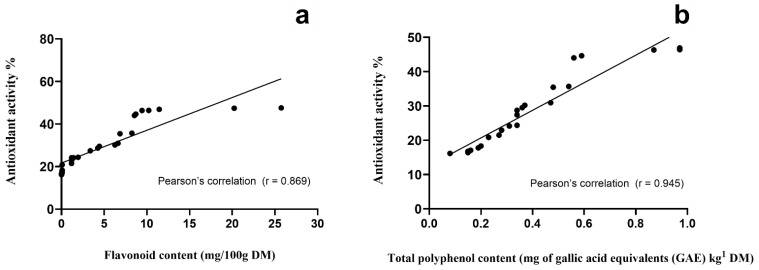
The rangeland is an ecological resource that provides multiple benefits for environment and agriculture. Grazing/browsing on rangelands is a useful and inexpensive means to produce food derived from animal products. The aim of this study was to review the benefits of producing milk and cheese under this system in terms of bioactivity and the health benefits of their consumption in model animals. To conduct this review, we particularly considered the experiments that our research group carried out along the last fifteen years at the Instituto Nacional de Ciencias Médicas y Nutrición Salvador Zubirán in Mexico. Firstly, we examined the forages consumed by goats on the rangelands in terms of plant bioactive compound occurrence and their concentration. Further, goat milk and cheese coming from (1) grazing animals, (2) animals managed indoors, and from (3) animals managed indoor supplemented with rich plant bioactive compounds, were analyzed. Milk was discussed to modulate the negative effects of high-fat diets in mice. Forages consumed by goats on the rangelands showed a close correlation between antioxidant activity assessed by the DPPH radical with total flavonoid and total polyphenol contents (TPC). Milk concentration of PUFA, MUFA, and n-3 fatty acids from grazing goats (4.7%, 25.2%, and 0.94% of FAME) was higher than milk from goats fed indoor diets (ID). Similar results were shown in cheese. TPC was higher in cheese manufactured with milk from grazing goats (300 mg of GAE/kg of cheese) when compared to cheese from milk goats fed ID (60 mg of GAE/of cheese). pods are a semiarid rangeland feed resource that transfers pro-healthy activity, inhibited in vitro lipid peroxidation (inhibition of TBARS formation) and diminished the damage induced by reactive oxygen species (ROS). Additionally, in vivo assessment revealed that species increased free radical scavenging (DPPH), oxygen radical absorbance capacity, and anti-inflammatory activity. The results highlight that grazing/browsing practices are superior to indoor feeding in order to promote the transference of bioactive compounds from vegetation to animal tissue, and finally to animal products. Grazing management represents a better option than indoor feeding to enhance bioactivity of milk and cheese. Supplementation with rich-bioactive compound forages increased total polyphenol, hydroxycinnamic acids, and flavonoid concentrations in milk and cheese. The consumption of goat milk prevents obesity, insulin resistance, inflammation, and hepatic steatosis while on a high-fat diet induced obesity in mice.
牧场是一种生态资源,能为环境和农业带来多种益处。在牧场上放牧是生产动物源性食品的一种实用且经济的方式。本研究的目的是从生物活性及其在模式动物中食用的健康益处方面,综述在该系统下生产牛奶和奶酪的益处。为进行此综述,我们特别考虑了我们研究小组在墨西哥萨尔瓦多·苏比拉án国家医学与营养研究所过去十五年间开展的实验。首先,我们从植物生物活性化合物的存在情况及其浓度方面,研究了山羊在牧场上食用的草料。此外,还分析了来自(1)放牧动物、(2)室内饲养动物以及(3)室内饲养并补充富含植物生物活性化合物的动物所产的山羊奶和奶酪。讨论了牛奶对调节小鼠高脂饮食负面影响的作用。山羊在牧场上食用的草料,通过DPPH自由基评估的抗氧化活性与总黄酮和总多酚含量(TPC)之间呈现密切相关性。放牧山羊所产牛奶中多不饱和脂肪酸(PUFA)、单不饱和脂肪酸(MUFA)和n - 3脂肪酸的含量(占脂肪酸甲酯的4.7%、25.2%和0.94%)高于室内饲养山羊所产牛奶。奶酪也呈现出类似结果。与室内饲养奶山羊所产奶酪(60毫克没食子酸当量/千克奶酪)相比,放牧山羊所产牛奶制成的奶酪中TPC含量更高(300毫克没食子酸当量/千克奶酪)。豆荚是一种半干旱牧场饲料资源,具有促进健康的活性,能在体外抑制脂质过氧化(抑制硫代巴比妥酸反应物形成)并减少活性氧(ROS)诱导的损伤。此外,体内评估显示,该物种增加了自由基清除能力(DPPH)、氧自由基吸收能力和抗炎活性。结果表明,为促进生物活性化合物从植被向动物组织,最终向动物产品的转移,放牧优于室内饲养。放牧管理是增强牛奶和奶酪生物活性的比室内饲养更好的选择。补充富含生物活性化合物的草料可提高牛奶和奶酪中总多酚、羟基肉桂酸和黄酮类化合物的浓度。在高脂饮食诱导小鼠肥胖的情况下,食用山羊奶可预防肥胖、胰岛素抵抗、炎症和肝脂肪变性。