Mitrus Sławomir
Institute of Biology, University of Opole, Oleska 22, 45-052 Opole, Poland.
Insects. 2021 Oct 6;12(10):912. doi: 10.3390/insects12100912.
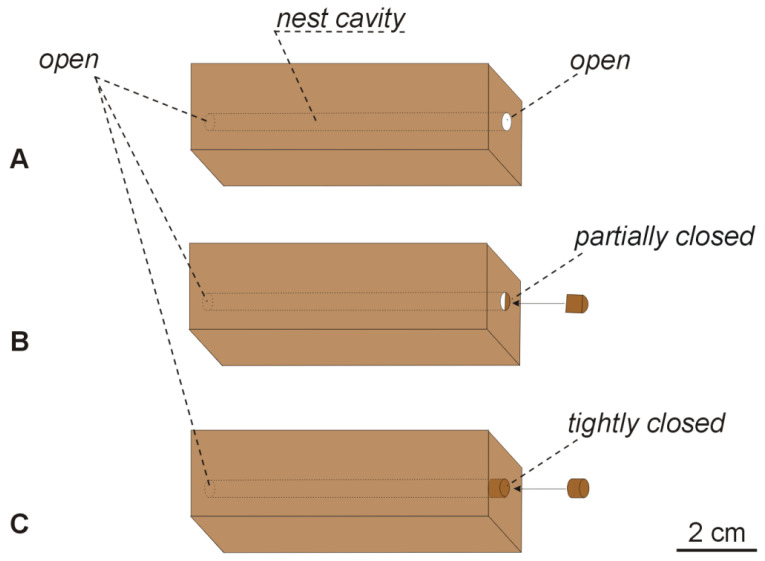
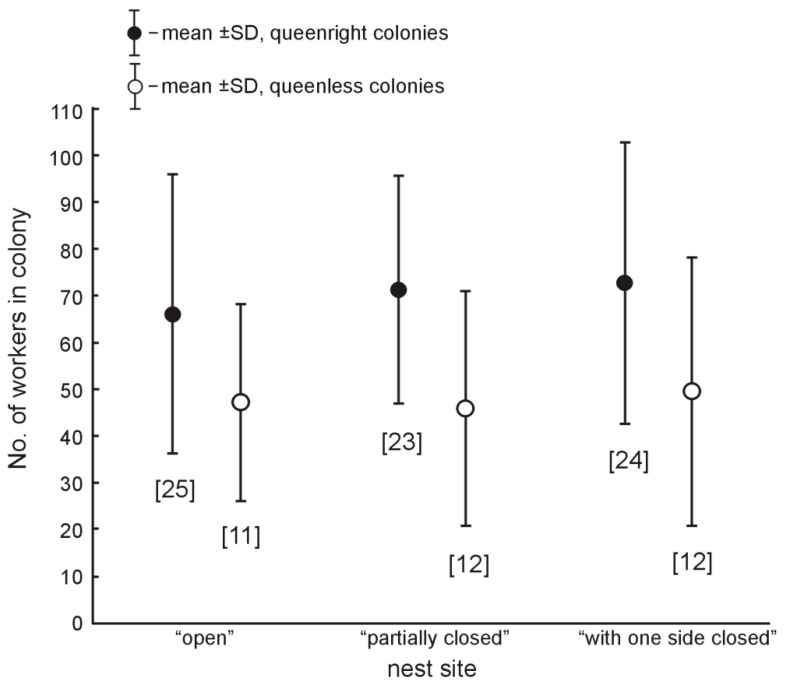
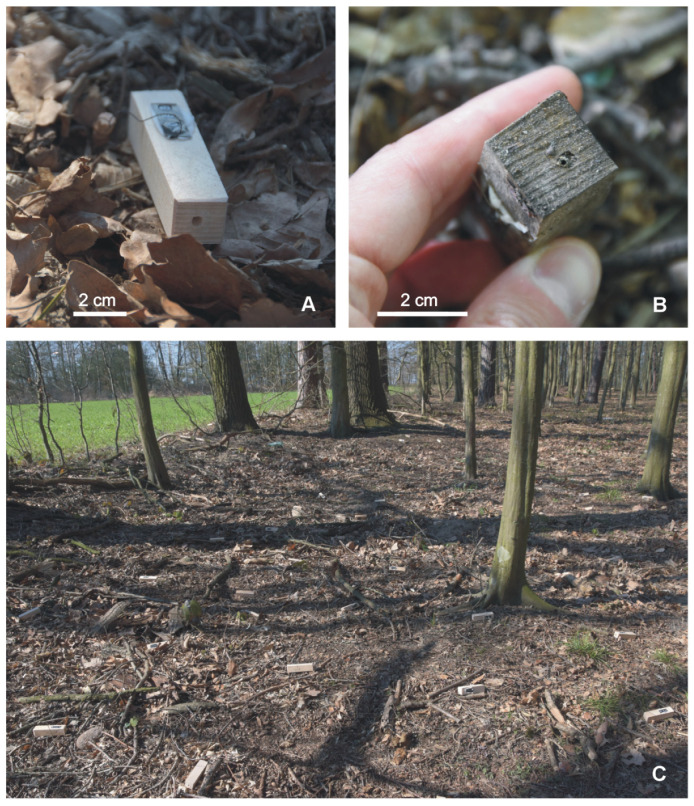
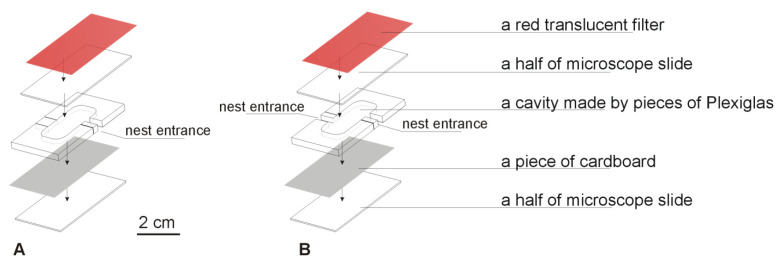
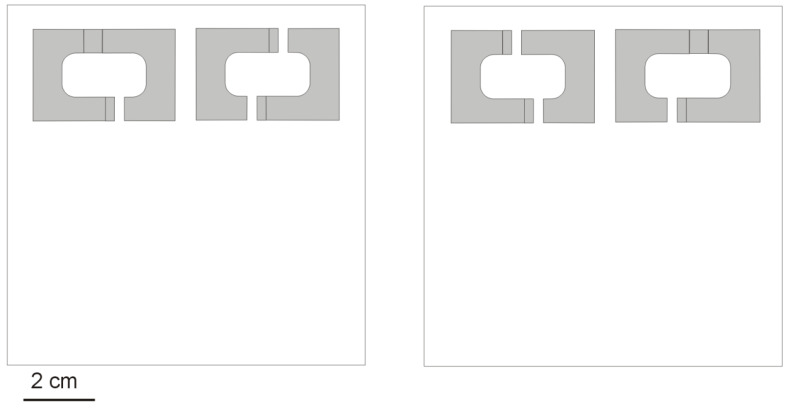
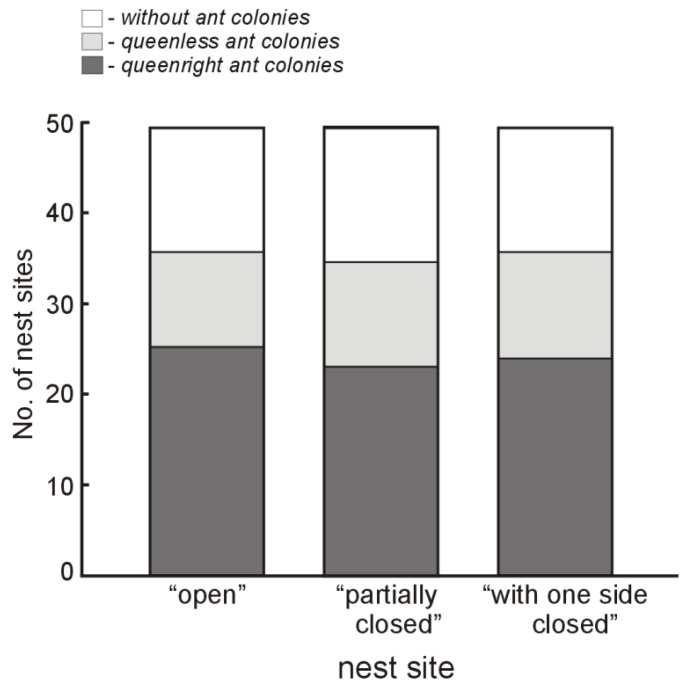
Many ant species construct large nests that are inhabited by numerous workers, but other species dwell in ready-for-use cavities and live in small colonies. Ants of the genus inhabit small cavities, e.g., in acorns, twigs, and under rocks. Although a preference for nest sites with a narrower entrance is known, recent studies have shown that they also use cavities with wider entrances and may modify the size of such entrances. As good cavities for nest sites are a limited resource, the possibility to modify a potential nest site, including a reduction in the size of the hole, should be a favorable matter for the ants. Through field and laboratory experiments, I studied the acorn ant . Observations showed that they readily inhabited imperfect cavities and, if necessary, modified the holes to such cavities. If they had to repair a nest site, they sometimes created a second entrance; there was no difference in the sizes of the entrances. In the field, for entrance modification or blocking an unnecessary hole, the acorn ants used soil, grains of sand, and parts of plants. In the laboratory, the ant colonies showed no preference for nest sites with one entrance vs. a nest cavity with two entrances. The results of this study showed that even such small ant colonies could use nest sites with multiple entrances; however, the effect of the presence of more than one entrance on the behavior of the ants is unknown.
许多蚁种会建造大型巢穴,众多工蚁居住其中,但其他蚁种则栖息在现成的洞穴里,蚁群规模较小。[该属名称]属的蚂蚁栖息在小洞穴中,比如橡果、细枝内以及岩石下。尽管已知它们偏好入口较窄的巢穴,但最近的研究表明,它们也会利用入口较宽的洞穴,并且可能会改变此类入口的大小。由于优质的巢穴洞穴资源有限,能够改造潜在的巢穴,包括缩小洞口大小,对蚂蚁来说应该是件好事。通过野外和实验室实验,我对橡果蚁[蚁种名称]进行了研究。观察发现,它们很容易栖息在不完美的洞穴中,如有必要,还会将洞口改造成适合的大小。如果它们必须修复巢穴,有时会新开一个入口;新开入口与原入口的大小并无差异。在野外,为了改造入口或封堵不必要的洞口,橡果蚁会利用土壤、沙粒和植物碎片。在实验室中,蚁群对于单入口巢穴和双入口巢穴并无偏好。这项研究的结果表明,即使是如此小规模的蚁群也能够利用多入口的巢穴;然而,多个入口的存在对蚂蚁行为的影响尚不清楚。