Basik Ann Anni, Nanthini Jayaram, Yeo Tiong Chia, Sudesh Kumar
Ecobiomaterial Research Laboratory, School of Biological Sciences, Universiti Sains Malaysia, George Town 11800, Malaysia.
Sarawak Biodiversity Centre, Km. 20 Jalan Borneo Heights, Kuching 93250, Malaysia.
Polymers (Basel). 2021 Oct 13;13(20):3524. doi: 10.3390/polym13203524.
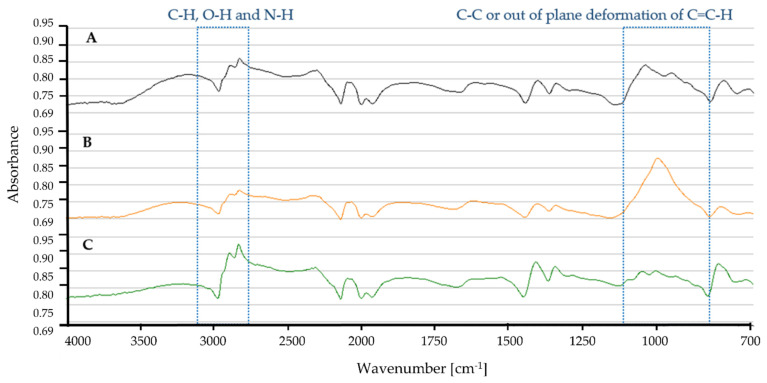
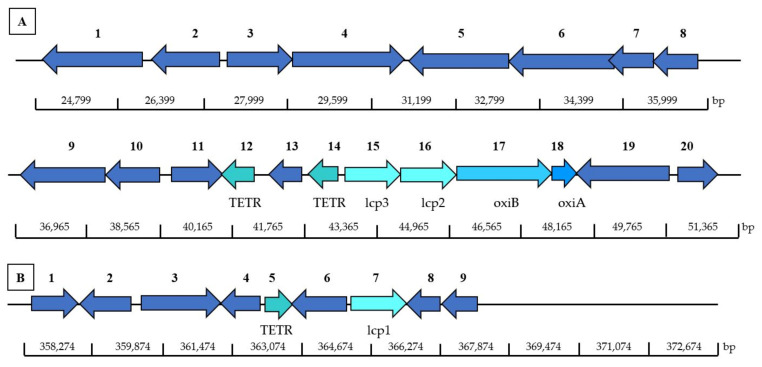
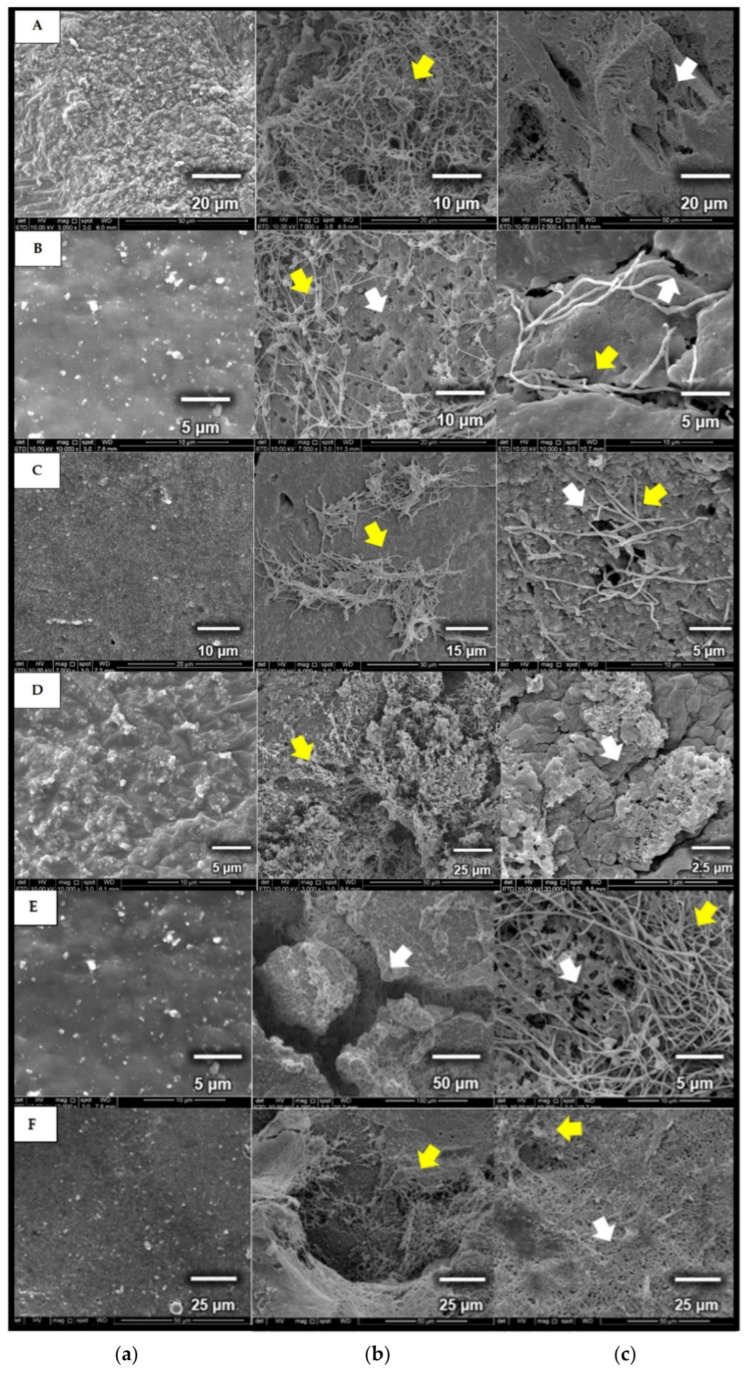
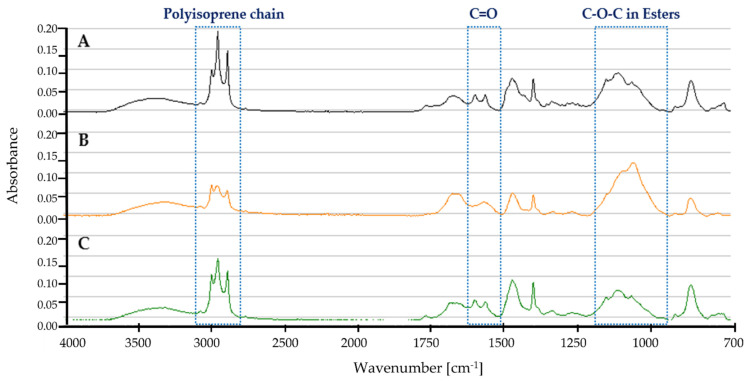
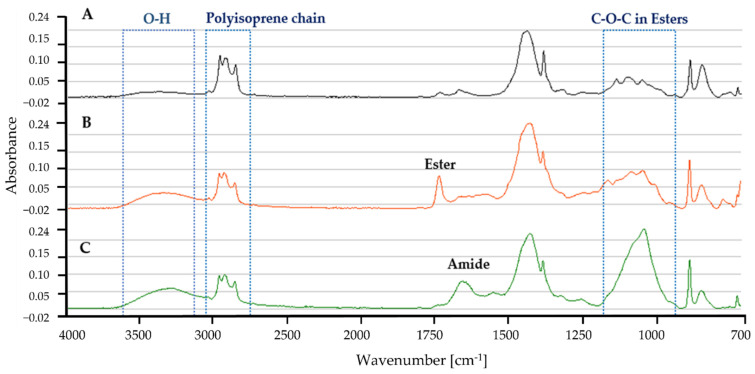
Rubber composed of highly unsaturated hydrocarbons, modified through addition of chemicals and vulcanization are widely used to date. However, the usage of rubber, faces many obstacles. These elastomeric materials are difficult to be re-used and recovered, leading to high post-consumer waste and vast environmental problems. Tyres, the major rubber waste source can take up to 80 years to naturally degrade. Experiments show that the latex clearing proteins (Lcp) found in Actinobacteria were reportedly critical for the initial oxidative cleavage of poly(-1,4-isoprene), the major polymeric unit of rubber. Although, more than 100 rubber degrading strains have been reported, only 8 Lcp proteins isolated from (3), (2), (1), (1), and (1) have been purified and biochemically characterized. Previous studies on rubber degrading strains and Lcp enzymes, implied that they are distinct. Following this, we aim to discover additional rubber degrading strains by randomly screening 940 Actinobacterial strains isolated from various locations in Sarawak on natural rubber (NR) latex agar. A total of 18 strains from 5 genera produced clearing zones on NR latex agar, and genes encoding Lcp were identified. We report here lcp genes from sp. AC03309 ( and ) and sp. AC04546 (, , ), together with the predicted genes related to rubber degradation. In silico analysis suggested that sp. AC03309 is a distinct species closely related to while sp. AC04546 is a species closely related to . Genome-based characterization allowed the establishment of the strains taxonomic position and provided insights into their metabolic potential especially in biodegradation of rubber. Morphological changes and the spectrophotometric detection of aldehyde and keto groups indicated the degradation of the original material in rubber samples incubated with the strains. This confirms the strains' ability to utilize different rubber materials (fresh latex, NR product and vulcanized rubber) as the sole carbon source. Both strains exhibited different levels of biodegradation ability. Findings on tyre utilization capability by sp. AC04546 is of interest. The final aim is to find sustainable rubber treatment methods to treat rubber wastes.
由高度不饱和烃组成、通过添加化学物质和硫化改性的橡胶至今仍被广泛使用。然而,橡胶的使用面临许多障碍。这些弹性体材料难以再利用和回收,导致大量消费后废弃物和严重的环境问题。轮胎是主要的橡胶废弃物来源,自然降解可能需要长达80年的时间。实验表明,放线菌中发现的乳胶清除蛋白(Lcp)据报道对橡胶的主要聚合单元聚(-1,4-异戊二烯)的初始氧化裂解至关重要。尽管已经报道了100多种橡胶降解菌株,但仅从(3种)、(2种)、(1种)、(1种)和(1种)中分离出的8种Lcp蛋白得到了纯化和生化表征。先前对橡胶降解菌株和Lcp酶的研究表明它们是不同的。在此之后,我们旨在通过随机筛选从砂拉越不同地点分离的940株放线菌菌株在天然橡胶(NR)乳胶琼脂上,发现更多的橡胶降解菌株。共有来自5个属的18株菌株在NR乳胶琼脂上产生了透明圈,并鉴定出了编码Lcp的基因。我们在此报告来自AC03309菌株(和)和AC04546菌株(、、)的lcp基因,以及与橡胶降解相关的预测基因。计算机分析表明,AC03309菌株是与密切相关的一个独特物种,而AC04546菌株是与密切相关的一个物种。基于基因组的表征确定了菌株的分类地位,并为它们的代谢潜力提供了见解,特别是在橡胶生物降解方面。形态变化以及醛基和酮基的分光光度检测表明,与菌株一起培养的橡胶样品中原始材料发生了降解。这证实了菌株利用不同橡胶材料(新鲜乳胶、NR产品和硫化橡胶)作为唯一碳源的能力。两种菌株都表现出不同程度的生物降解能力。AC04546菌株对轮胎的利用能力的研究结果很有趣。最终目标是找到可持续的橡胶处理方法来处理橡胶废弃物。