Sufyan Muhammad, Shahid Farah, Irshad Faiza, Javaid Anam, Qasim Muhammad, Ashfaq Usman Ali
Department of Bioinformatics and Biotechnology, Government College University, Faisalabad, Pakistan.
Environment Biotechnology Lab, Institute of Botany, University of the Punjab, Lahore, Pakistan.
Int J Pept Res Ther. 2021;27(4):2845-2859. doi: 10.1007/s10989-021-10294-w. Epub 2021 Oct 19.
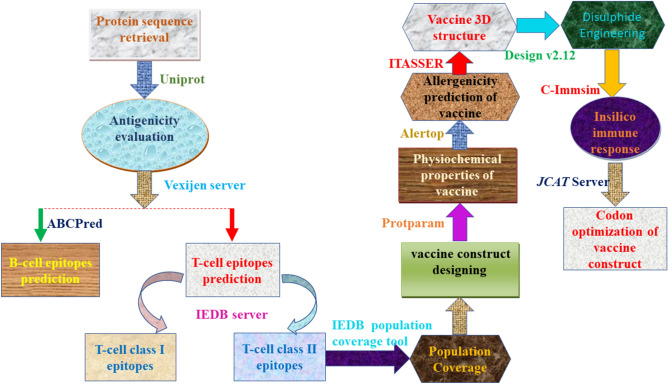
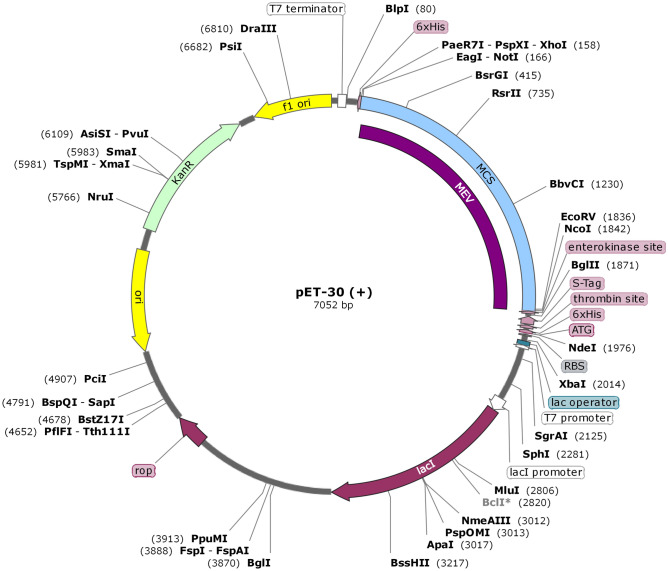
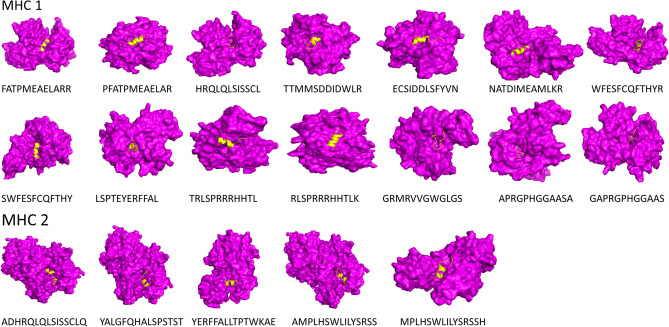
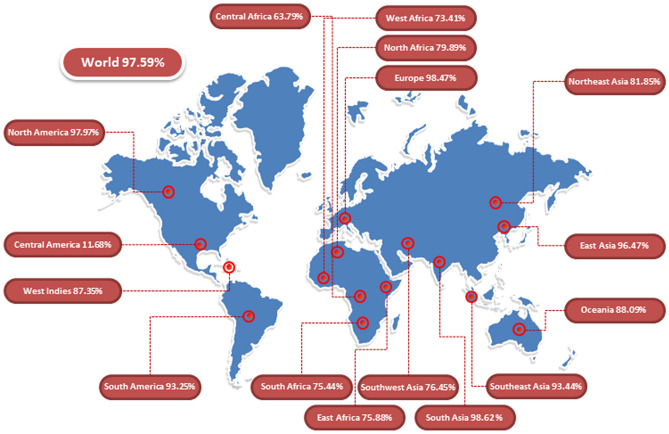
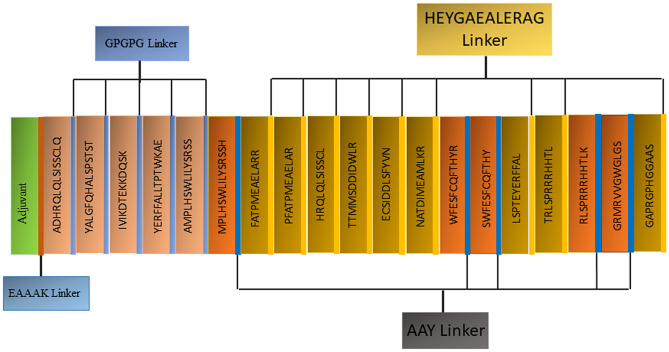
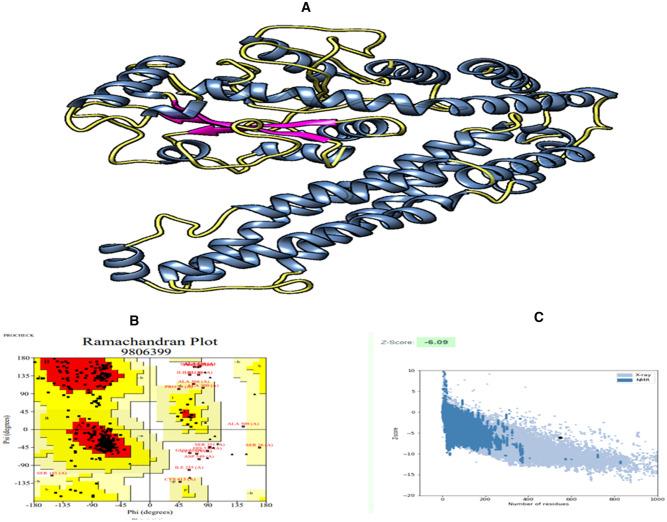
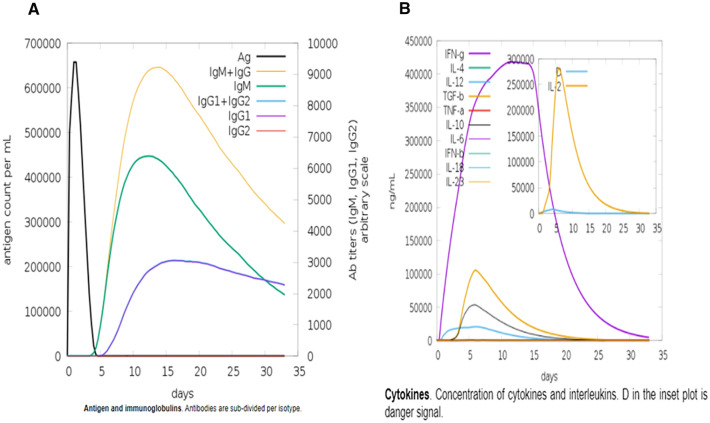
One of the most common gynecologic cancers is ovarian cancer and ranked third after the other two most common cancers: cervical and uterine. The highest mortality rate has been observed in the case of ovarian cancer. To treat ovarian cancer, an immune-informatics approach was used to design a multi-epitope vaccine (MEV) structure. Epitopes prediction of the cancer testis antigens (NY-ESO-1), A-Kinase anchor protein (AKAP4), Acrosin binding protein (ACRBP), Piwi-like protein (PIWIL3), and cancer testis antigen 2 (LAGE-1) was done. Non-toxic, highly antigenic, non-allergenic, and overlapping epitopes were shortlisted for vaccine construction. Chosen T-cell epitopes displayed a robust binding attraction with their corresponding Human Leukocyte Antigen (HLA) alleles demonstrated 97.59% of population coverage. The vaccine peptide was established by uniting three key constituents, comprising the 14 epitopes of CD8 + cytotoxic T lymphocytes (CTLs), 5 helper epitopes, and the adjuvant. For the generation of the effective response of CD4 + cells towards the T-helper cells, granulocyte-macrophage-colony-stimulating factor (GM-CSF) was applied. With the addition of adjuvants and linkers, the construct size was 547 amino acids. The developed MEV structure was predicted to be antigenic, non-toxic, non-allergenic, and firm in nature. I-tasser anticipated the 3D construction of MEV. Moreover, disulfide engineering further enhanced the stability of the final vaccine protein. In-silico cloning and vaccine codon optimization were done to analyze the up-regulation of its expression. The outcomes established the vaccine's immunogenicity and safety profile, besides its aptitude to encourage both humoral and cellular immune responses. The offered vaccine, grounded on our in-silico investigation, may be considered for ovarian cancer immunotherapy.
The online version contains supplementary material available at 10.1007/s10989-021-10294-w.
卵巢癌是最常见的妇科癌症之一,在另外两种最常见的癌症(宫颈癌和子宫癌)之后排名第三。卵巢癌的死亡率最高。为了治疗卵巢癌,采用免疫信息学方法设计了一种多表位疫苗(MEV)结构。对癌睾丸抗原(NY-ESO-1)、A激酶锚定蛋白(AKAP4)、顶体素结合蛋白(ACRBP)、Piwi样蛋白(PIWIL3)和癌睾丸抗原2(LAGE-1)进行了表位预测。筛选出无毒、高抗原性、无致敏性且重叠的表位用于疫苗构建。所选的T细胞表位与其相应的人类白细胞抗原(HLA)等位基因表现出强大的结合吸引力,显示出97.59%的人群覆盖率。疫苗肽由三个关键成分组成,包括14个CD8 + 细胞毒性T淋巴细胞(CTL)表位、5个辅助表位和佐剂。为了使CD4 + 细胞对T辅助细胞产生有效反应,应用了粒细胞-巨噬细胞集落刺激因子(GM-CSF)。加上佐剂和连接子,构建体大小为547个氨基酸。所开发的MEV结构预计具有抗原性、无毒、无致敏性且性质稳定。I-tasser预测了MEV的三维结构。此外,二硫键工程进一步增强了最终疫苗蛋白的稳定性。进行了电子克隆和疫苗密码子优化以分析其表达的上调情况。结果确定了疫苗的免疫原性和安全性概况,以及其激发体液免疫和细胞免疫反应的能力。基于我们的电子研究提供的疫苗可考虑用于卵巢癌免疫治疗。
在线版本包含可在10.1007/s10989-021-10294-w获取的补充材料。