Peng Jianqing, Wang Qin, Zhou Jia, Zhao Shuli, Di Pan, Chen Yan, Tao Ling, Du Qianming, Shen Xiangchun, Chen Yi
State Key Laboratory of Functions and Applications of Medicinal Plants, Guizhou Medical University, Guiyang, China.
High Efficacy Application of Natural Medicinal Resources Engineering Center of Guizhou Province, School of Pharmaceutical Sciences, Guizhou Medical University, Guiyang, China.
Front Pharmacol. 2021 Oct 8;12:720777. doi: 10.3389/fphar.2021.720777. eCollection 2021.
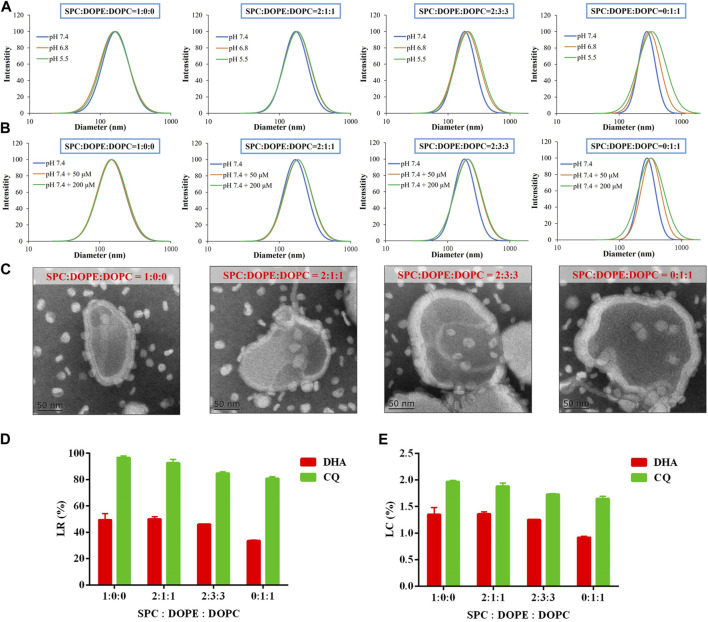
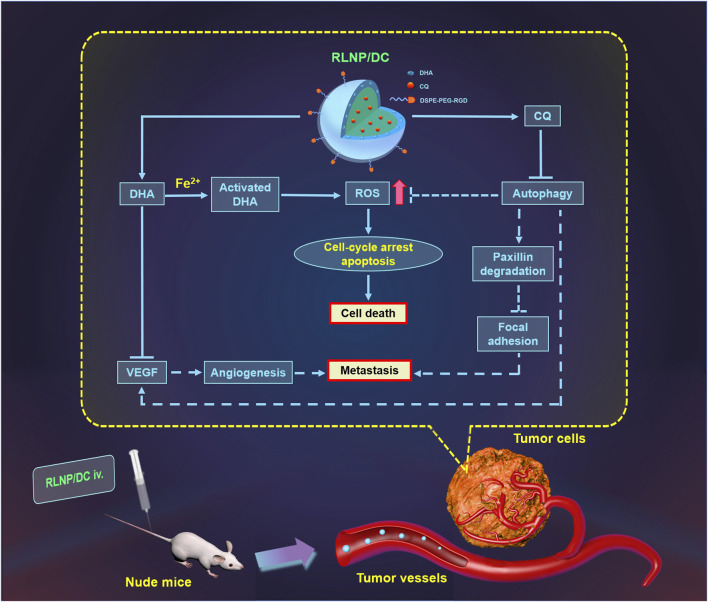
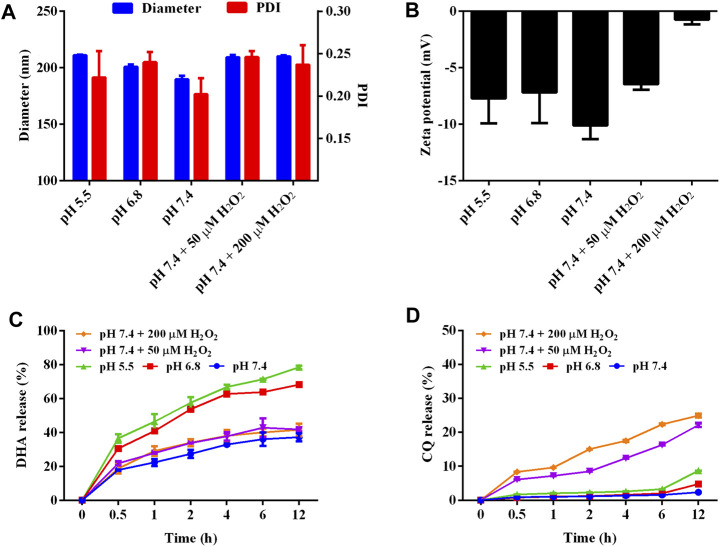
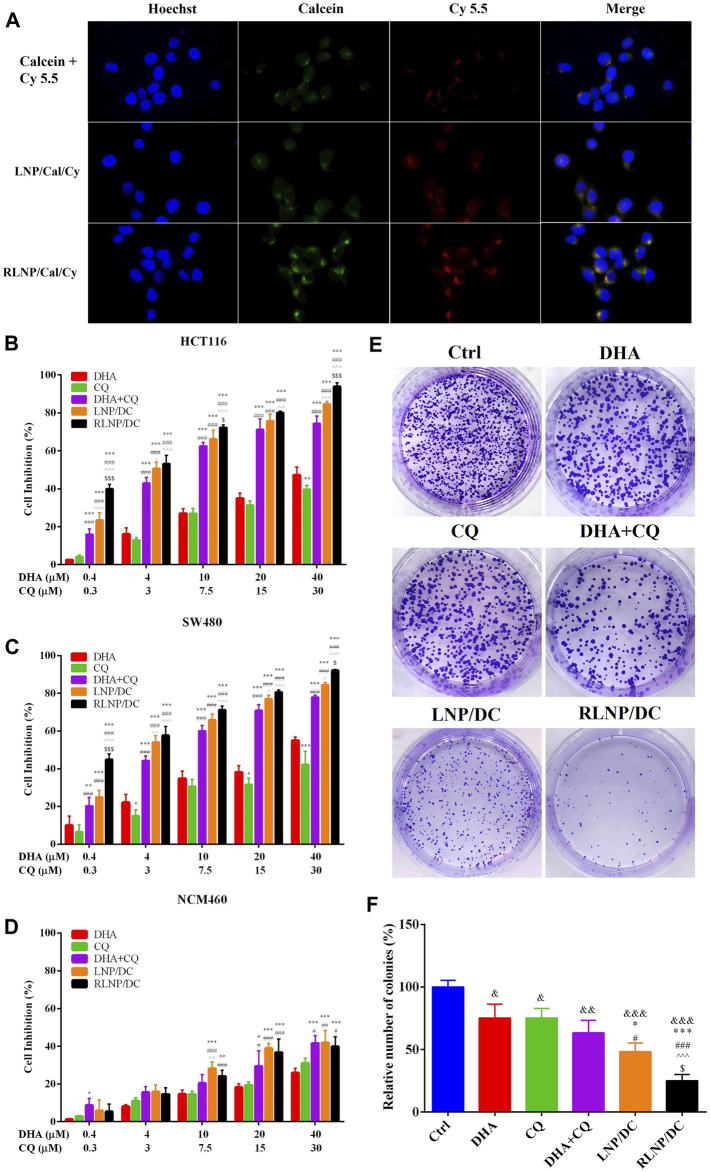
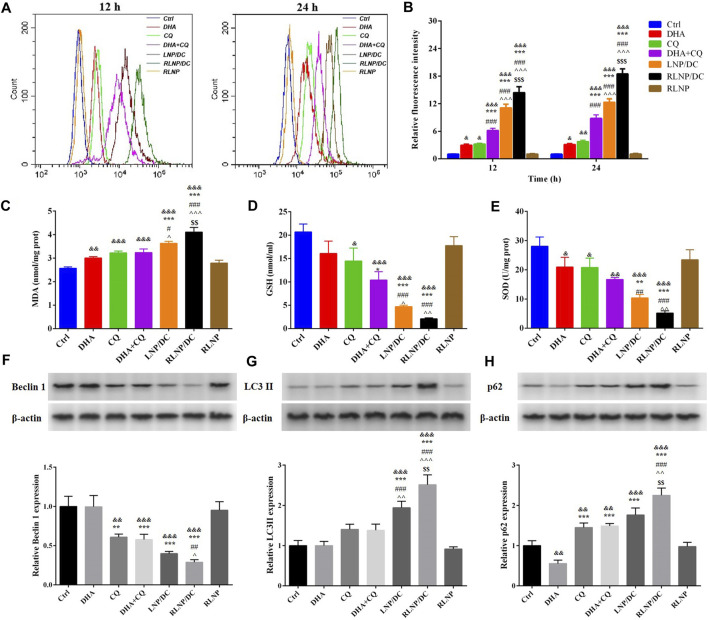
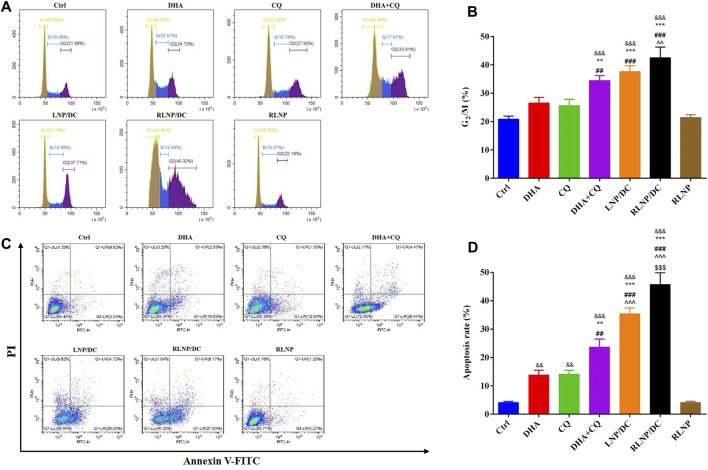
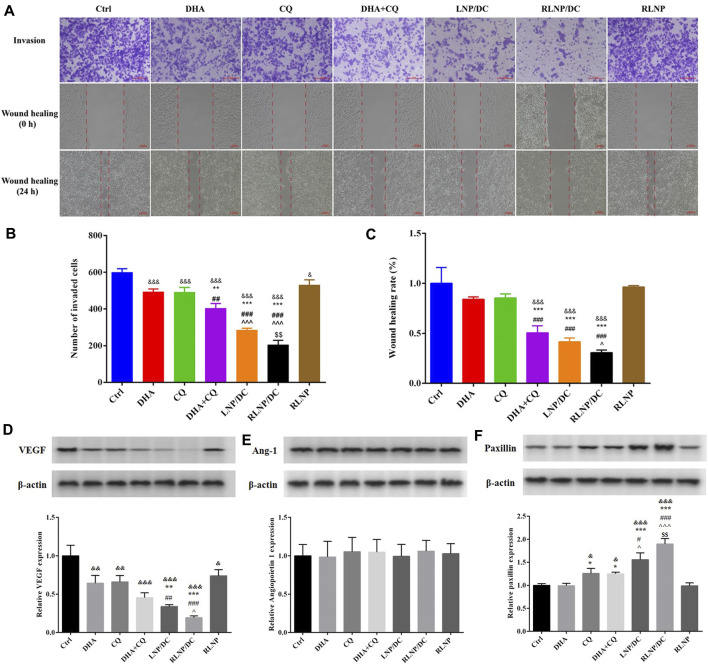
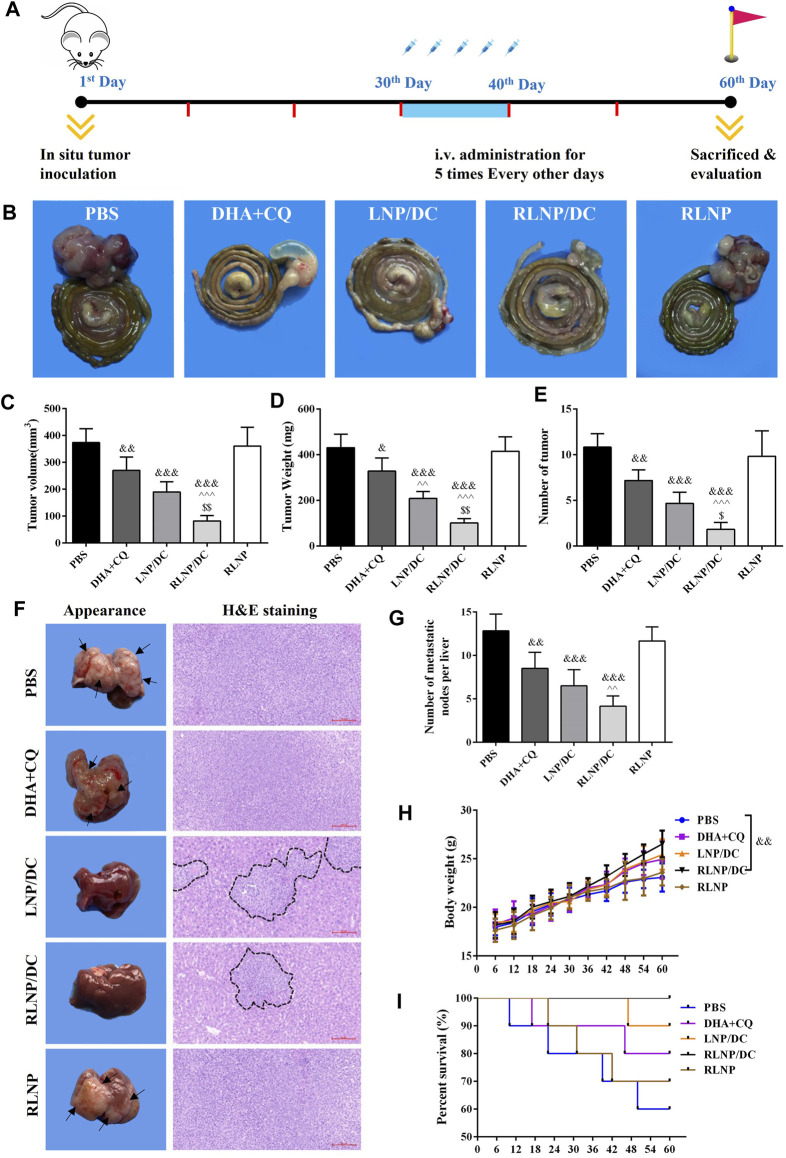
Antimalarial drugs Dihydroartemisinin (DHA) and chloroquine phosphate (CQ) exhibit evident anti-cancer activity, particularly as combination therapy. DHA and CQ combination therapy has been proved to exhibit higher cytotoxic effect in tumor cells and lower toxicity to normal cells than combination of artemisinin derivatives (ARTs) and anticancer chemotherapy drugs. However, different physiochemical properties of DHA and CQ, leading to distinctive outcomes, considerably limited their synergistic effect in cancer treatment. Herein, we developed a lipid nanoparticle (LNP) for co-delivery of DHA and CQ to inhibit proliferation and metastasis of colorectal cancer. Considering the beneficial effects of acid/reactive oxide species (ROS)-sensitive phospholipids and targeting ligands for colorectal cancer cells, an RGD peptide-modified pH/ROS dual-sensitive LNP loaded with DHA and CQ (RLNP/DC) was prepared. It exhibited optimal cytotoxicity and suppression of invasion and metastasis in HCT116 cells , attributable to irreversible upregulation of intracellular ROS levels, downregulation of VEGF expression, and upregulation of paxillin expression. A mouse model of orthotopic metastasis of colorectal cancer was established to evaluate anti-proliferation and anti-metastasis effects of RLNP/DC . Thus, an optimized nanoplatform for DHA and CQ combination therapy was developed in this study that offered potential antitumor efficacy against colorectal cancer.
抗疟药物双氢青蒿素(DHA)和磷酸氯喹(CQ)具有明显的抗癌活性,尤其是作为联合疗法时。DHA和CQ联合疗法已被证明在肿瘤细胞中具有更高的细胞毒性作用,且对正常细胞的毒性低于青蒿素衍生物(ARTs)与抗癌化疗药物的联合使用。然而,DHA和CQ不同的物理化学性质导致了不同的结果,这在很大程度上限制了它们在癌症治疗中的协同作用。在此,我们开发了一种脂质纳米颗粒(LNP)用于共递送DHA和CQ,以抑制结直肠癌的增殖和转移。考虑到酸/活性氧物种(ROS)敏感磷脂和针对结直肠癌细胞的靶向配体的有益作用,制备了一种负载DHA和CQ的RGD肽修饰的pH/ROS双敏感LNP(RLNP/DC)。它在HCT116细胞中表现出最佳的细胞毒性以及对侵袭和转移的抑制作用,这归因于细胞内ROS水平的不可逆上调、VEGF表达的下调和桩蛋白表达的上调。建立了结直肠癌原位转移的小鼠模型以评估RLNP/DC的抗增殖和抗转移作用。因此,本研究开发了一种用于DHA和CQ联合治疗的优化纳米平台,其对结直肠癌具有潜在的抗肿瘤疗效。