Department of Pathology, Anatomy and Cell Biology, Thomas Jefferson University, Philadelphia, PA, United States; Academy of Medical Science, Zhengzhou University, Zhengzhou, China.
Department of Pathology, Anatomy and Cell Biology, Thomas Jefferson University, Philadelphia, PA, United States; Department of Pathology, University of Iowa, Iowa City, IA, United States.
Sci Total Environ. 2022 Feb 25;809:151118. doi: 10.1016/j.scitotenv.2021.151118. Epub 2021 Oct 27.
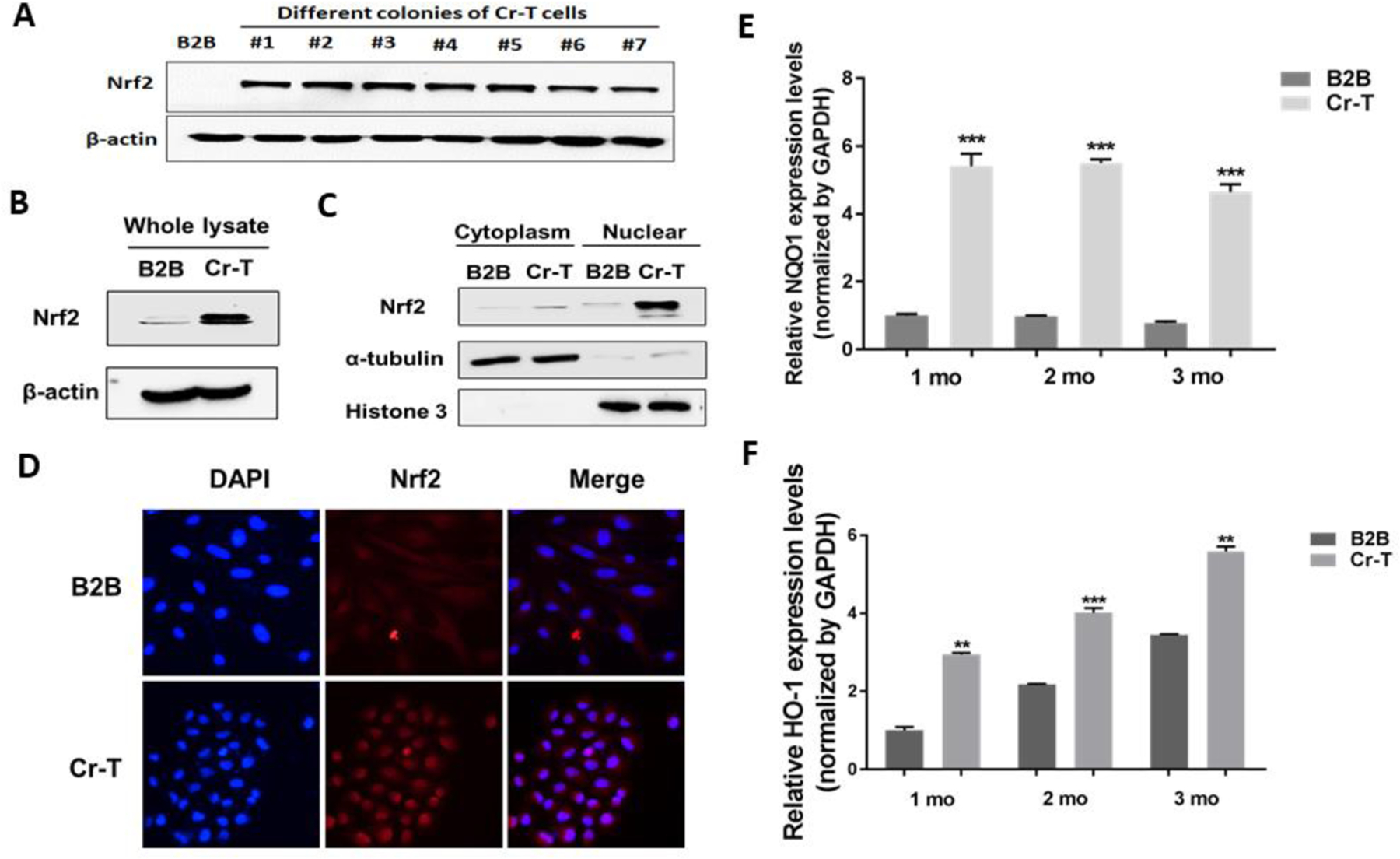
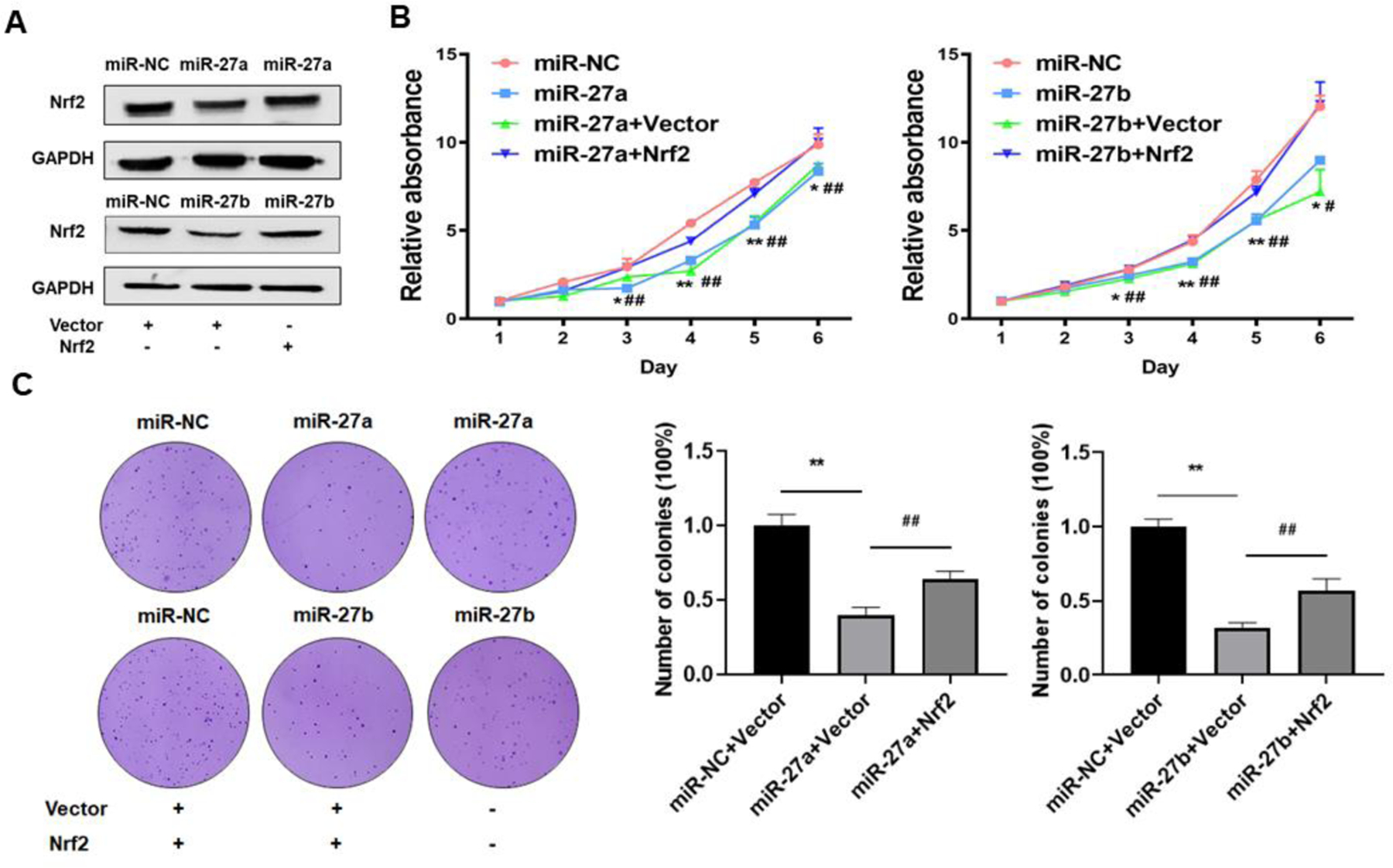
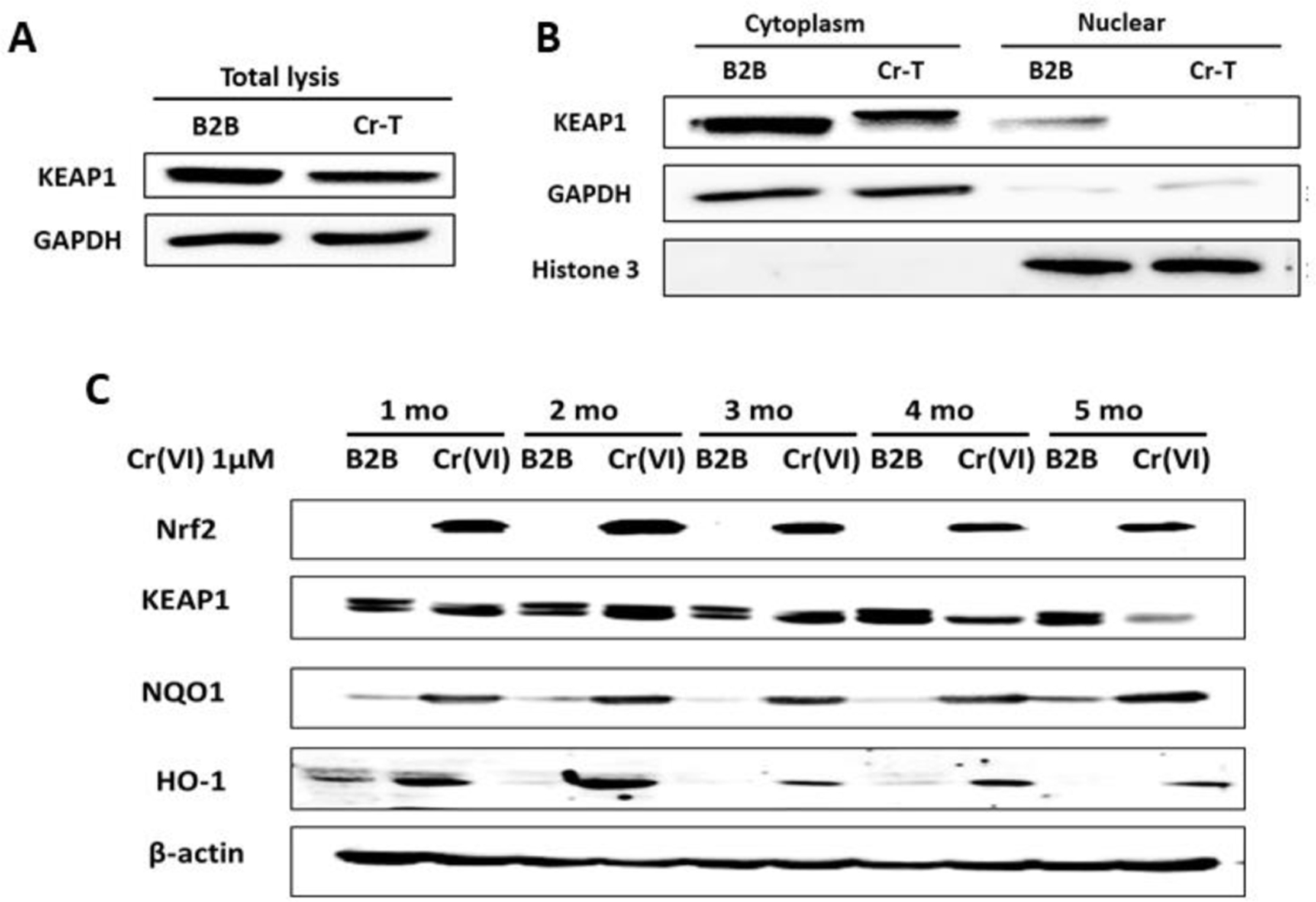
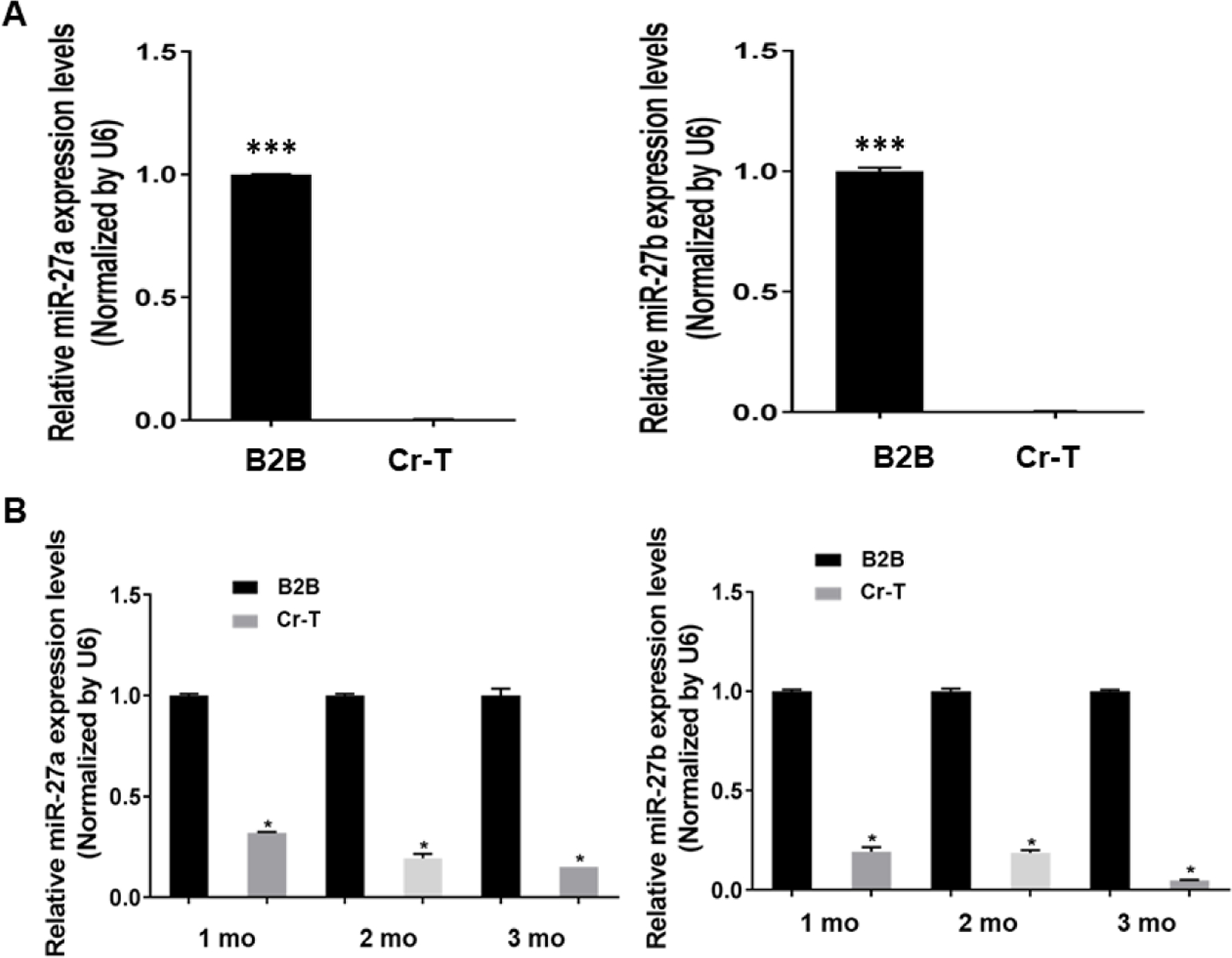
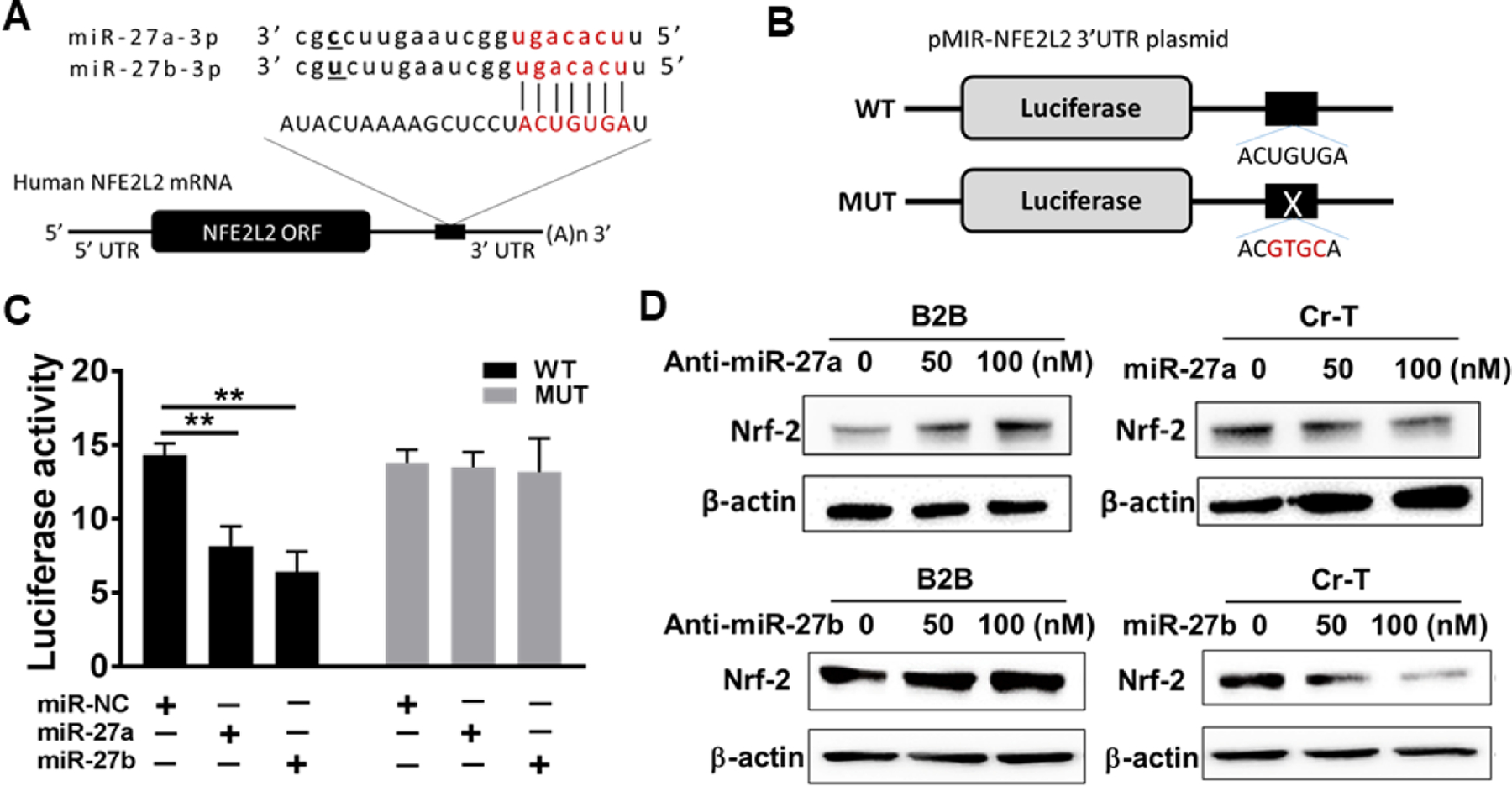
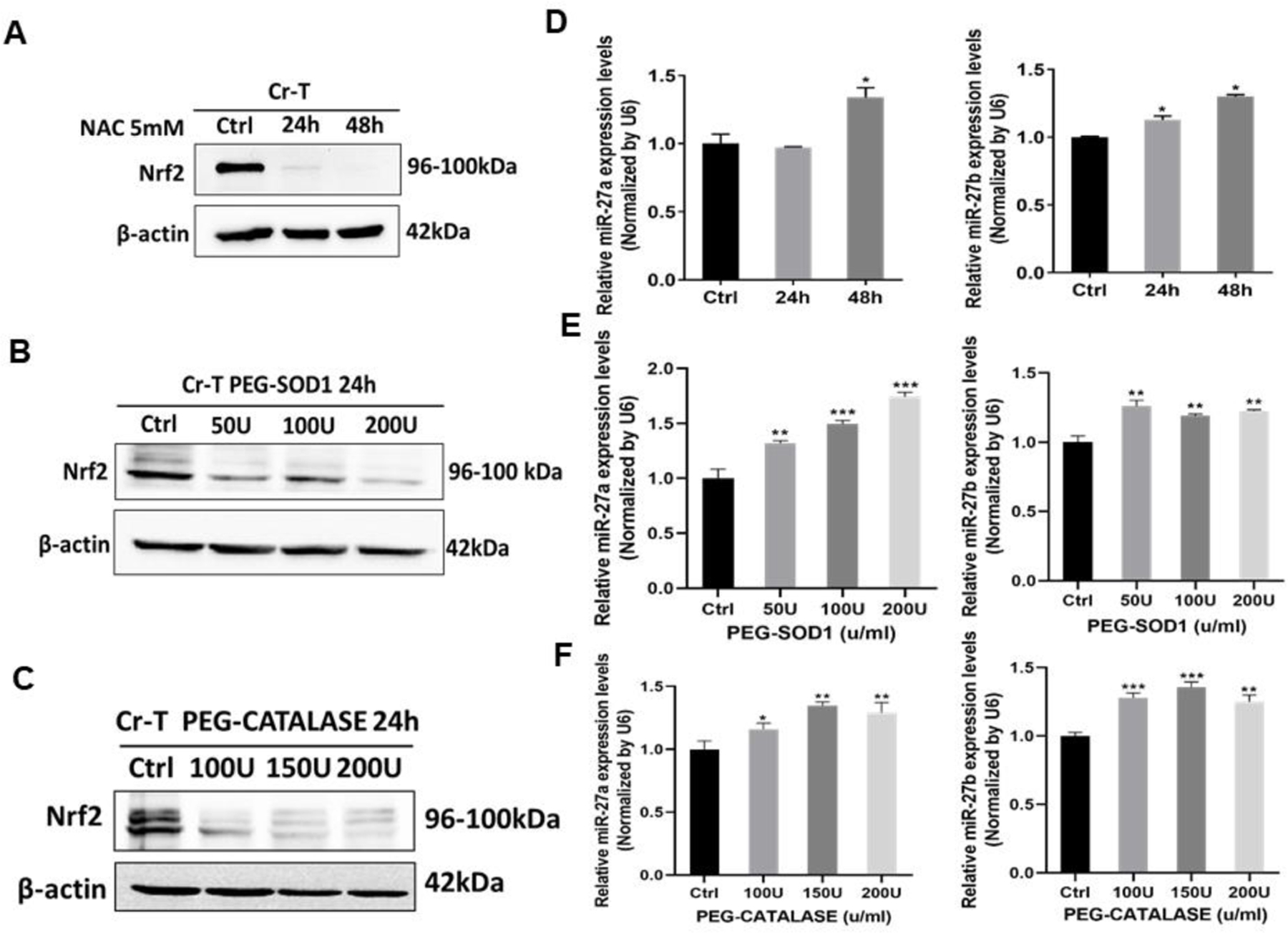
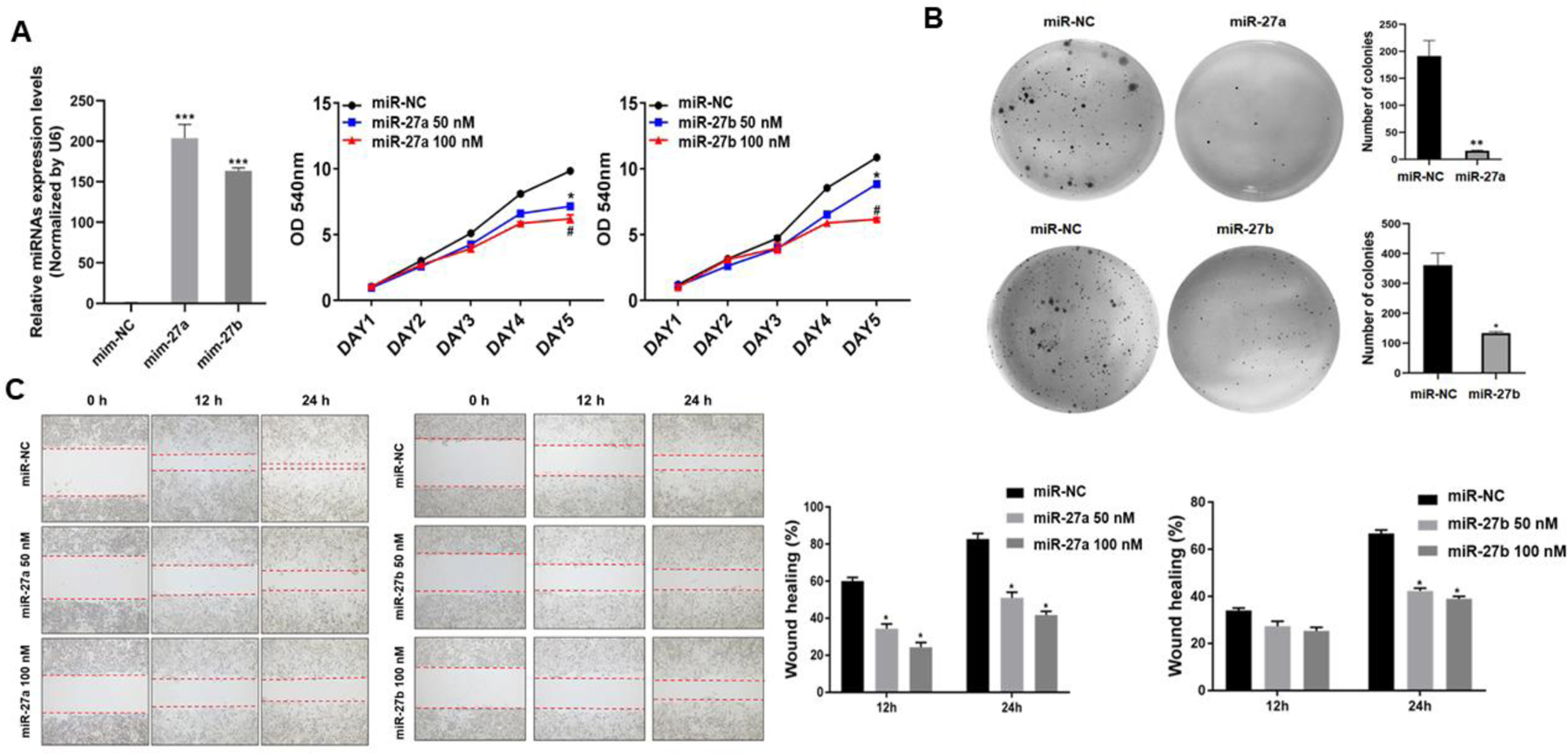
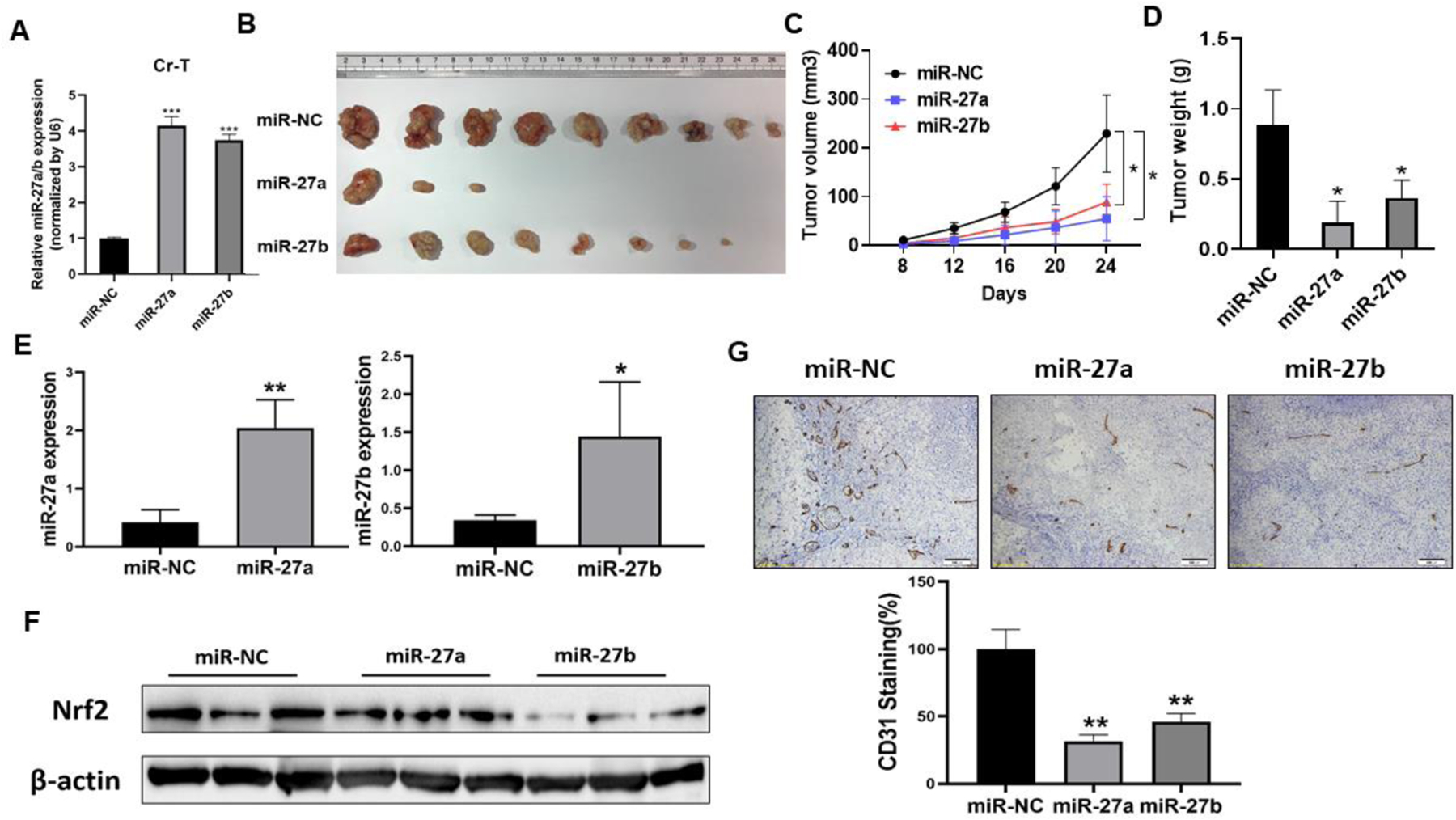
Hexavalent chromium [Cr(VI)] is a well-known carcinogen that can cause several types of cancer including lung cancer. NF-E2-related factor 2 (Nrf2), the redox sensitive transcription factor, can protect normal cells from a variety of toxicants and carcinogens by inducing the expression of cellular protective genes and maintaining redox balance. However, Nrf2 also protects cancer cells from radio- and chemo-therapies and facilitates cancer progression. Although Cr(VI) treatment has been demonstrated to upregulate Nrf2 expression, the mechanisms for Nrf2 regulation upon chronic Cr(VI) exposure remain to be elucidated. We found that Nrf2 was upregulated in BEAS-2B cells exposed to Cr(VI) from 1 to 5 months, and also in Cr(VI)-induced transformed (Cr-T) cells with Cr(VI) treatment for 6 months. We showed that KEAP1, the classic negative regulator of Nrf2, was downregulated after Cr(VI) exposure for 4 months, suggesting that Nrf2 induction by Cr(VI) treatment is through KEAP1 decrease at late stage. To further decipher the mechanisms of Nrf2 upregulation at early stage of Cr(VI) exposure, we demonstrated that miR-27a and miR-27b were redox sensitive miRNAs, since reactive oxygen species (ROS) scavengers induced miR-27a/b expression. After Cr(VI) exposure for 1 month, the expression levels of miR-27a/b was dramatically decreased. The changes of miR-27a/b and their target Nrf2 were confirmed in vivo by mouse model intranasally exposed to Cr(VI) for 12 weeks. Nrf2 was a direct target of miR-27a/b, which acted as tumor suppressors in vitro and in vivo to inhibit tumorigenesis and cancer development of Cr-T cells. The results suggested that the inhibition of miR-27a/b was responsible for Nrf2 upregulation at both early stage and late stage of Cr(VI) exposure. This novel regulation of Nrf2 upon chronic Cr(VI) exposure through redox-regulated miR-27a/b will provide potential targets for preventing and treating Cr(VI)-induced carcinogenesis in the future.
六价铬[Cr(VI)]是一种众所周知的致癌物质,可导致多种癌症,包括肺癌。NF-E2 相关因子 2(Nrf2)是一种氧化还原敏感的转录因子,可通过诱导细胞保护性基因的表达和维持氧化还原平衡来保护正常细胞免受各种毒物和致癌物的侵害。然而,Nrf2 也保护癌细胞免受放射和化学疗法的侵害,并促进癌症的进展。尽管已经证明 Cr(VI)处理会上调 Nrf2 的表达,但 Nrf2 在慢性 Cr(VI)暴露下的调节机制仍有待阐明。我们发现,暴露于 Cr(VI) 1 至 5 个月的 BEAS-2B 细胞以及用 Cr(VI)处理 6 个月的 Cr-T 细胞中 Nrf2 上调。我们表明,经典的 Nrf2 负调节剂 KEAP1 在 Cr(VI)暴露 4 个月后下调,这表明 Cr(VI)处理诱导的 Nrf2 诱导是通过晚期的 KEAP1 减少来实现的。为了进一步阐明 Cr(VI)暴露早期 Nrf2 上调的机制,我们证明了 miR-27a 和 miR-27b 是氧化还原敏感的 microRNA,因为活性氧(ROS)清除剂诱导了 miR-27a/b 的表达。Cr(VI)暴露 1 个月后,miR-27a/b 的表达水平显著降低。通过用 Cr(VI)经鼻内暴露 12 周的小鼠模型证实了 miR-27a/b 的变化及其靶标 Nrf2。Nrf2 是 miR-27a/b 的直接靶标,在体外和体内作为肿瘤抑制因子,抑制 Cr-T 细胞的肿瘤发生和癌症发展。结果表明,miR-27a/b 的抑制作用是 Cr(VI)暴露早期和晚期 Nrf2 上调的原因。这种通过氧化还原调节的 miR-27a/b 对慢性 Cr(VI)暴露下的 Nrf2 的新调节将为未来预防和治疗 Cr(VI)诱导的致癌作用提供潜在的靶标。