Department of Medicine (Cardiology), Faculty of Medicine and Dentistry University of Alberta Edmonton Alberta Canada.
Faculty of Pharmacy and Pharmaceutical Sciences University of Alberta Edmonton Alberta Canada.
J Am Heart Assoc. 2021 Dec 7;10(23):e020451. doi: 10.1161/JAHA.120.020451. Epub 2021 Oct 30.
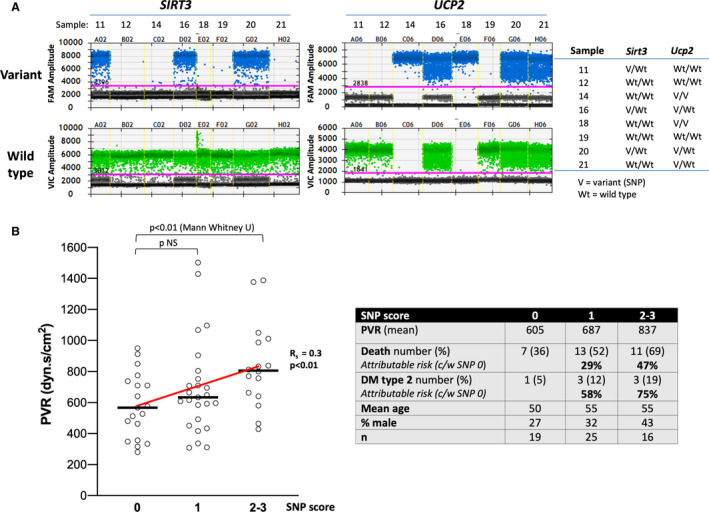
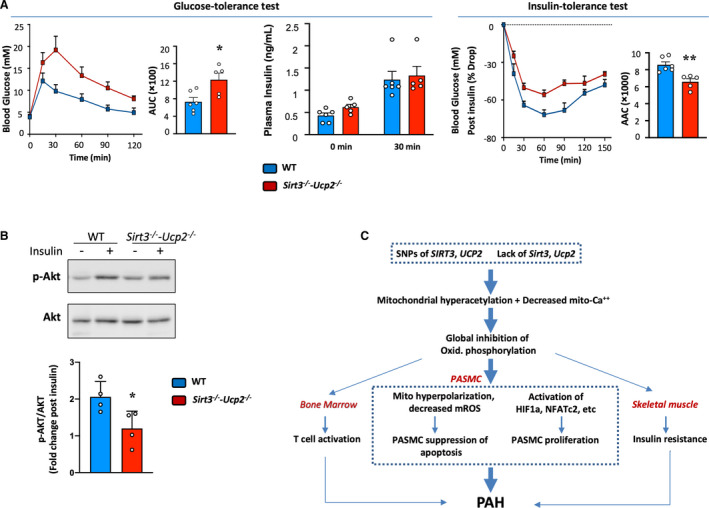
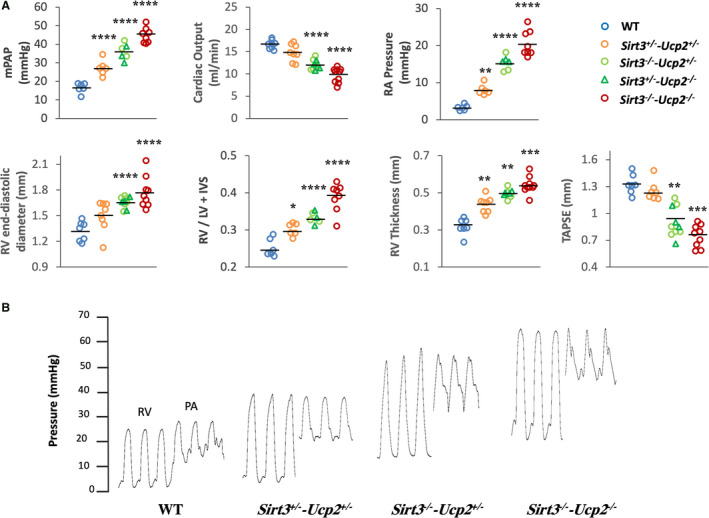
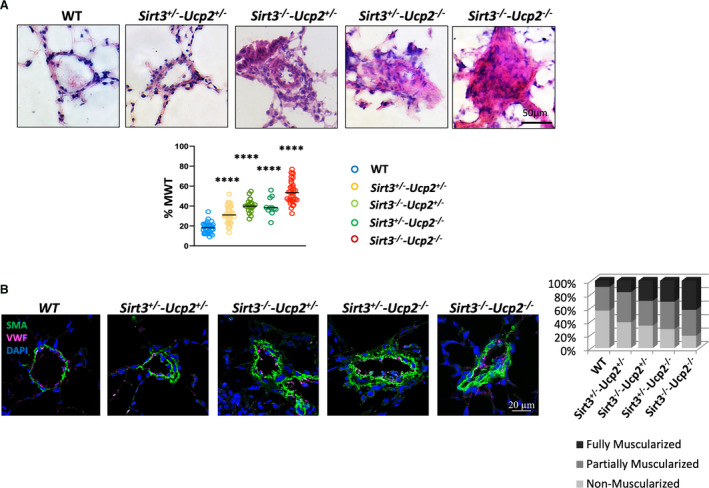
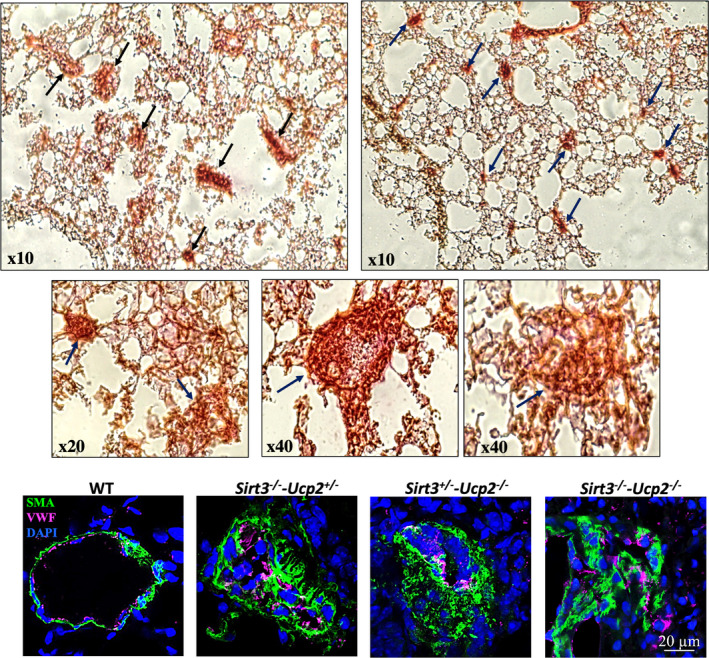
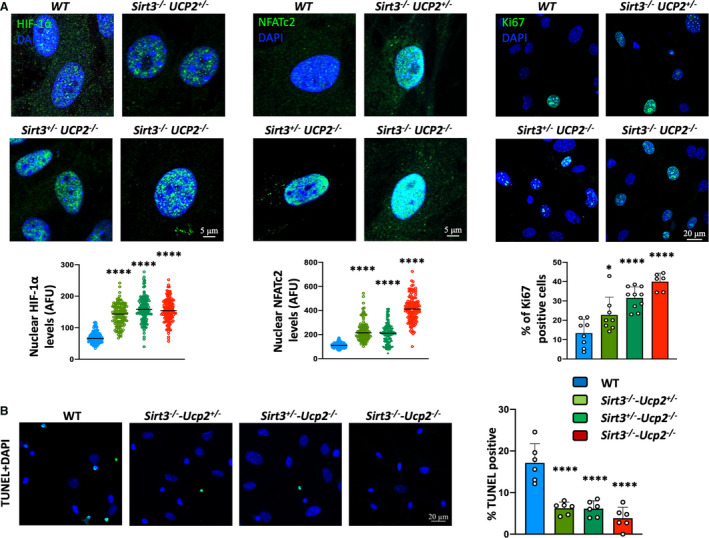
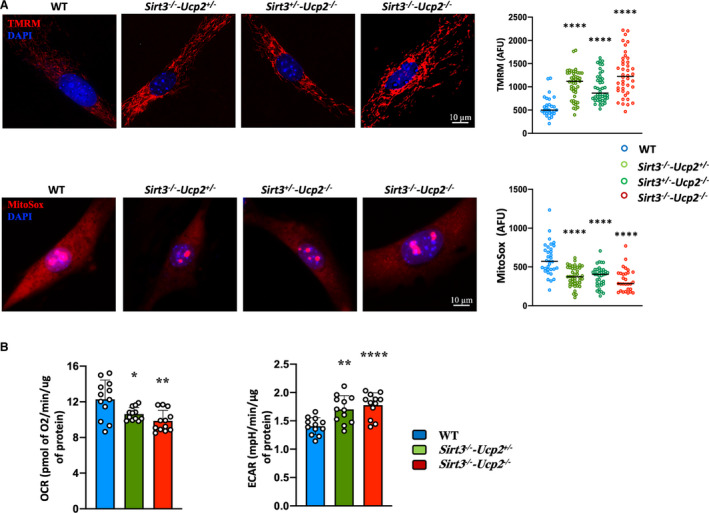
Background Isolated loss-of-function single nucleotide polymorphisms (SNPs) for (a mitochondrial deacetylase) and (an atypical uncoupling protein enabling mitochondrial calcium entry) have been associated with both pulmonary arterial hypertension (PAH) and insulin resistance, but their collective role in animal models and patients is unknown. Methods and Results In a prospective cohort of patients with PAH (n=60), we measured SNPs for both and along with several clinical features (including invasive hemodynamic data) and outcomes. We found and SNPs often both in the same patient in a homozygous or heterozygous manner, correlating positively with PAH severity and associated with the presence of type 2 diabetes and 10-year outcomes (death and transplantation). To explore this mechanistically, we generated double knockout mice for and and found increasing severity of PAH (mean pulmonary artery pressure, right ventricular hypertrophy/dilatation and extensive vascular remodeling, including inflammatory plexogenic lesions, in a gene dose-dependent manner), along with insulin resistance, compared with wild-type mice. The suppressed mitochondrial function (decreased respiration, increased mitochondrial membrane potential) in the double knockout pulmonary artery smooth muscle cells was associated with apoptosis resistance and increased proliferation, compared with wild-type mice. Conclusions Our work supports the metabolic theory of PAH and shows that these mice exhibit spontaneous severe PAH (without environmental or chemical triggers) that mimics human PAH and may explain the findings in our patient cohort. Our study offers a new mouse model of PAH, with several features of human disease that are typically absent in other PAH mouse models.
孤立的功能丧失性单核苷酸多态性(SNPs)对于 (一种线粒体去乙酰化酶)和 (一种允许线粒体钙进入的非典型解偶联蛋白)与肺动脉高压(PAH)和胰岛素抵抗均有关,但它们在动物模型和患者中的共同作用尚不清楚。
在一项前瞻性的 PAH 患者队列研究(n=60)中,我们测量了 和 的 SNPs 以及几个临床特征(包括有创血流动力学数据)和结局。我们发现 和 SNPs 经常在同一个患者中以纯合子或杂合子的方式同时存在,与 PAH 严重程度呈正相关,并与 2 型糖尿病和 10 年结局(死亡和移植)相关。为了从机制上探讨这一问题,我们生成了 和 的双敲除小鼠,并发现与野生型小鼠相比,PAH 的严重程度(平均肺动脉压、右心室肥厚/扩张和广泛的血管重塑,包括炎症性丛状病变)呈基因剂量依赖性增加,同时还伴有胰岛素抵抗。与野生型小鼠相比,双敲除肺动脉平滑肌细胞中的线粒体功能抑制(呼吸减少,线粒体膜电位增加)与细胞凋亡抵抗和增殖增加有关。
我们的工作支持 PAH 的代谢理论,并表明这些小鼠表现出自发性严重的 PAH(无环境或化学触发),类似于人类 PAH,可能解释了我们患者队列中的发现。我们的研究提供了一种新的 PAH 小鼠模型,具有其他 PAH 小鼠模型中通常不存在的人类疾病的几个特征。