Serdenes Ryan, Lewis Morgan, Chandrasekhara Seetha
Psychiatry, Temple University Hospital, Philadelphia, USA.
Psychiatry, Lewis Katz School of Medicine at Temple University, Philadelphia, USA.
Cureus. 2021 Oct 27;13(10):e19078. doi: 10.7759/cureus.19078. eCollection 2021 Oct.
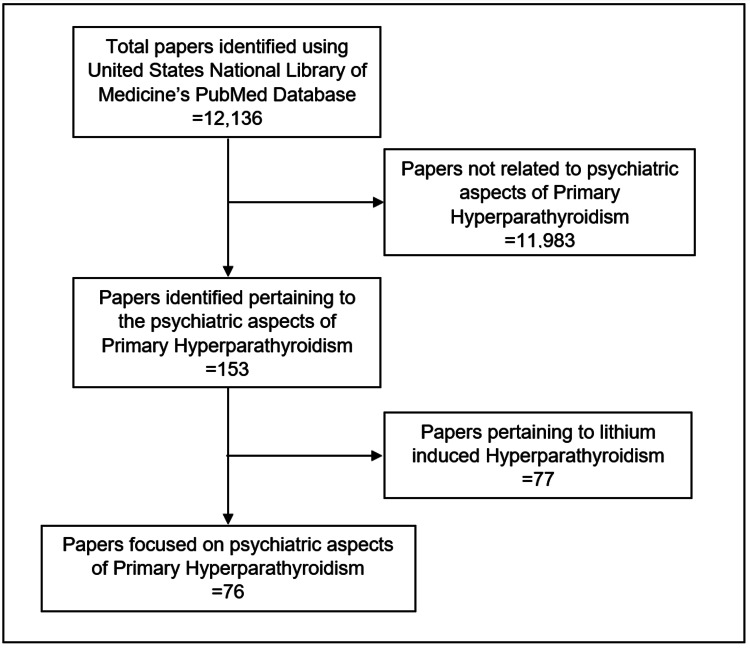
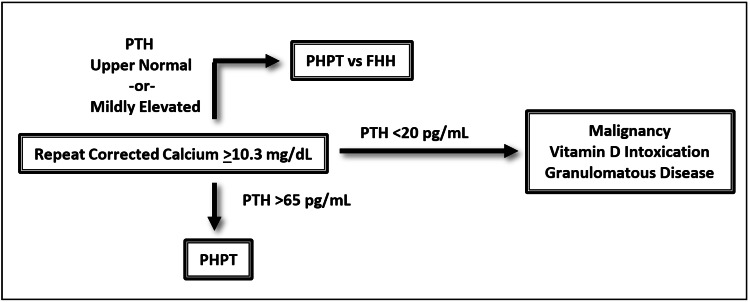
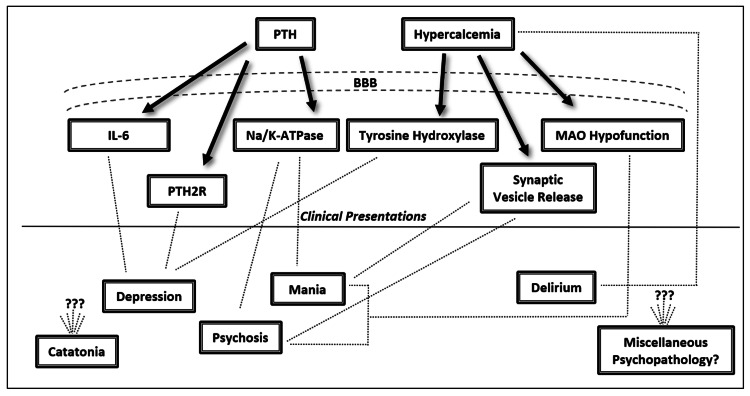
Despite one-quarter of patients with primary hyperparathyroidism (PHPT) experiencing psychiatric symptoms, there remains a dearth of literature regarding the diagnosis and further management of psychiatric sequelae in PHPT. We aim to review the literature pertaining to the epidemiology, disease presentation, pathophysiology, diagnostics, and therapeutics regarding psychiatric sequelae of PHPT with an emphasis on clinical pearls for practicing psychiatrists. A literature search was conducted using the US National Library of Medicine's PubMed resource using the following keywords in various combinations: primary hyperparathyroidism, neuropsychiatric, calcium, psychosis, mania, depression, catatonia, delirium, parathyroidectomy, and psychotropic medication. We discuss in depth all aspects of the diagnosis and management of psychiatric sequela in PHPT. We have also identified epidemiological trends, discussed the most common clinical presentations, and postulated possible mechanisms for psychiatric symptoms in PHPT. Psychiatrists should maintain diagnostic suspicion for PHPT in older adult female patients presenting with new-onset psychiatric illness. Several mechanisms involving the following may explain the variety of psychiatric symptoms in PHPT: tyrosine hydroxylase, parathyroid hormone, interleukin-6, monoamine oxidase, calcium, and the sodium-potassium adenosine triphosphatase transporter. We recommend psychiatrists take a symptom-oriented approach to management. Treating a patient's psychosis, mania, depression, catatonia, delirium, or eating disorder pathology via conventional therapeutics seems like a rational approach despite the underlying medical etiology. Only parathyroidectomy has been proven to be definitive in the complete amelioration of psychiatric symptoms.
尽管四分之一的原发性甲状旁腺功能亢进症(PHPT)患者会出现精神症状,但关于PHPT精神后遗症的诊断和进一步管理的文献仍然匮乏。我们旨在回顾与PHPT精神后遗症的流行病学、疾病表现、病理生理学、诊断和治疗相关的文献,重点关注执业精神科医生的临床要点。使用美国国立医学图书馆的PubMed资源进行文献检索,以各种组合方式使用以下关键词:原发性甲状旁腺功能亢进症、神经精神、钙、精神病、躁狂、抑郁、紧张症、谵妄、甲状旁腺切除术和精神药物。我们深入讨论了PHPT精神后遗症诊断和管理的各个方面。我们还确定了流行病学趋势,讨论了最常见的临床表现,并推测了PHPT精神症状的可能机制。对于出现新发精神疾病的老年女性患者,精神科医生应保持对PHPT的诊断怀疑。以下几种机制可能解释了PHPT中各种精神症状:酪氨酸羟化酶、甲状旁腺激素、白细胞介素-6、单胺氧化酶、钙和钠钾腺苷三磷酸酶转运体。我们建议精神科医生采取以症状为导向的管理方法。尽管存在潜在的医学病因,但通过传统疗法治疗患者的精神病、躁狂、抑郁、紧张症、谵妄或饮食失调病理似乎是一种合理的方法。只有甲状旁腺切除术已被证明能彻底改善精神症状。