Ji Bolin, Wang Xiaowen, Gong Shoujia, Zhong Weibing, Xie Ruyi
National Engineering Research Center for Dyeing and Finishing of Textiles, College of Chemistry, Chemical Engineering and Biotechnology, Donghua University, Shanghai 201620, PR China.
National Innovation Center of Advanced Dyeing and Finishing Technology, Tai'an 271000, PR China.
ACS Omega. 2021 Oct 14;6(42):28394-28402. doi: 10.1021/acsomega.1c04718. eCollection 2021 Oct 26.
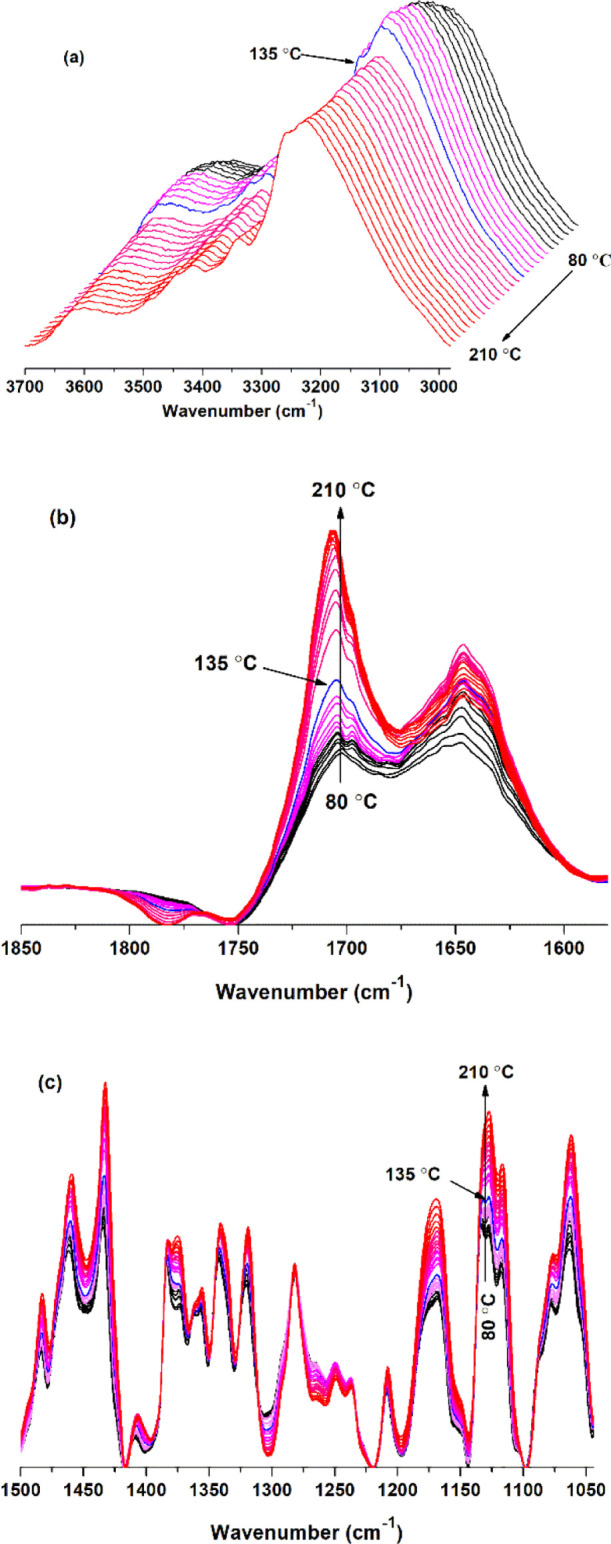
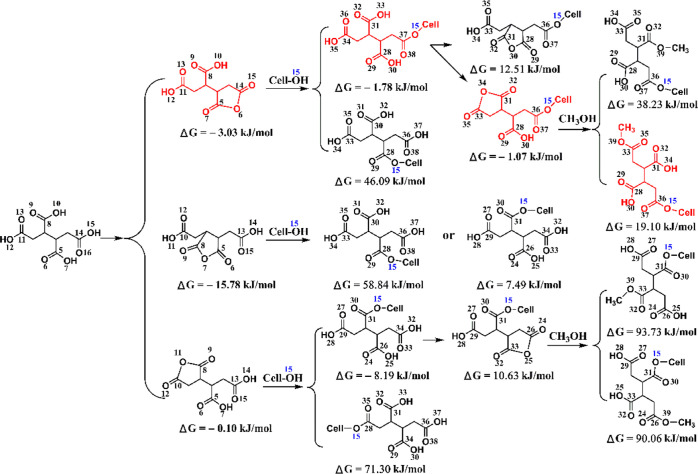
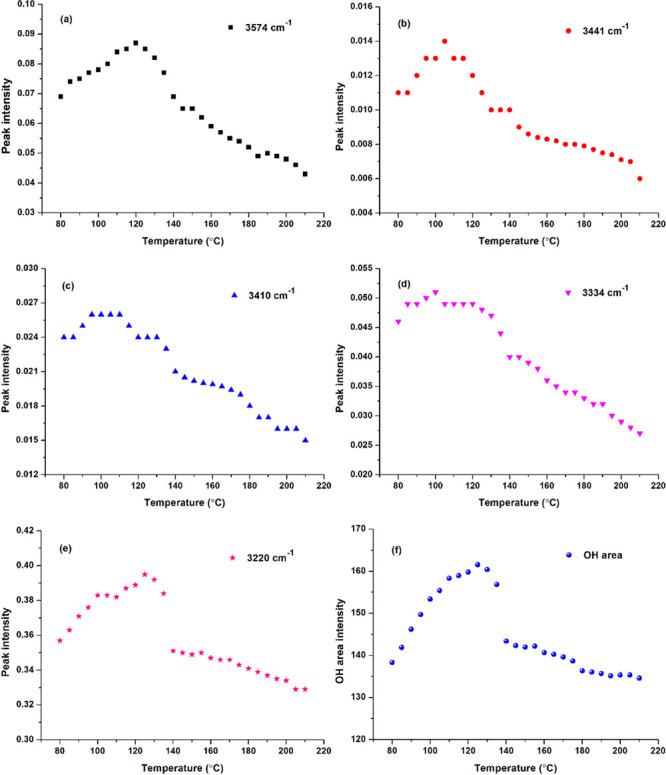
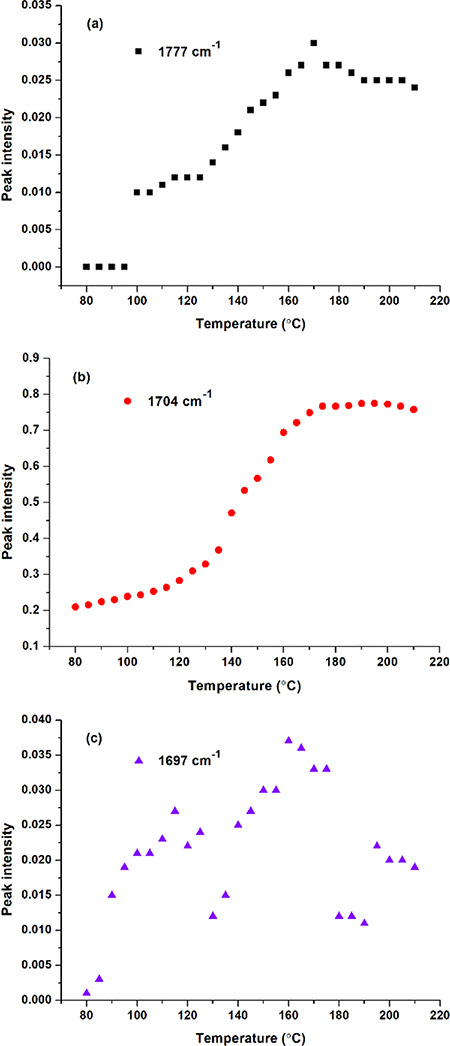
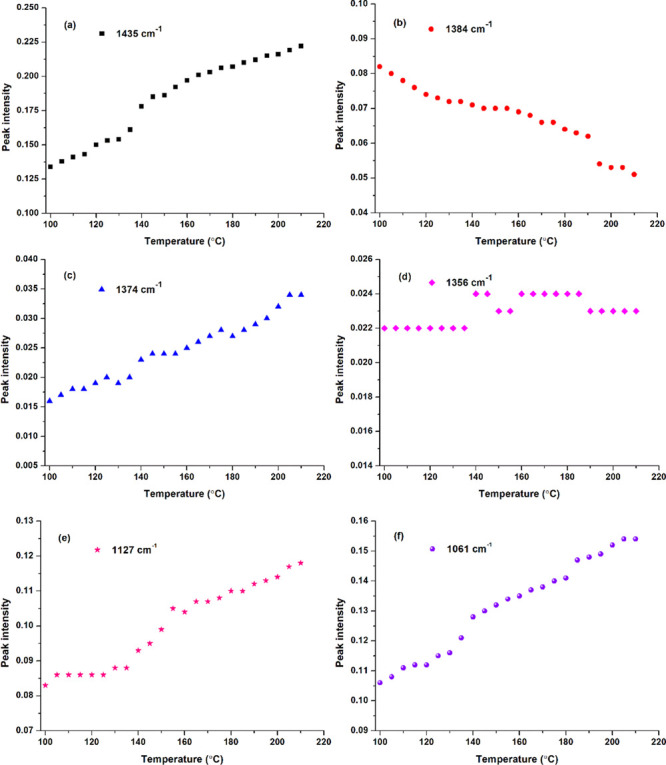
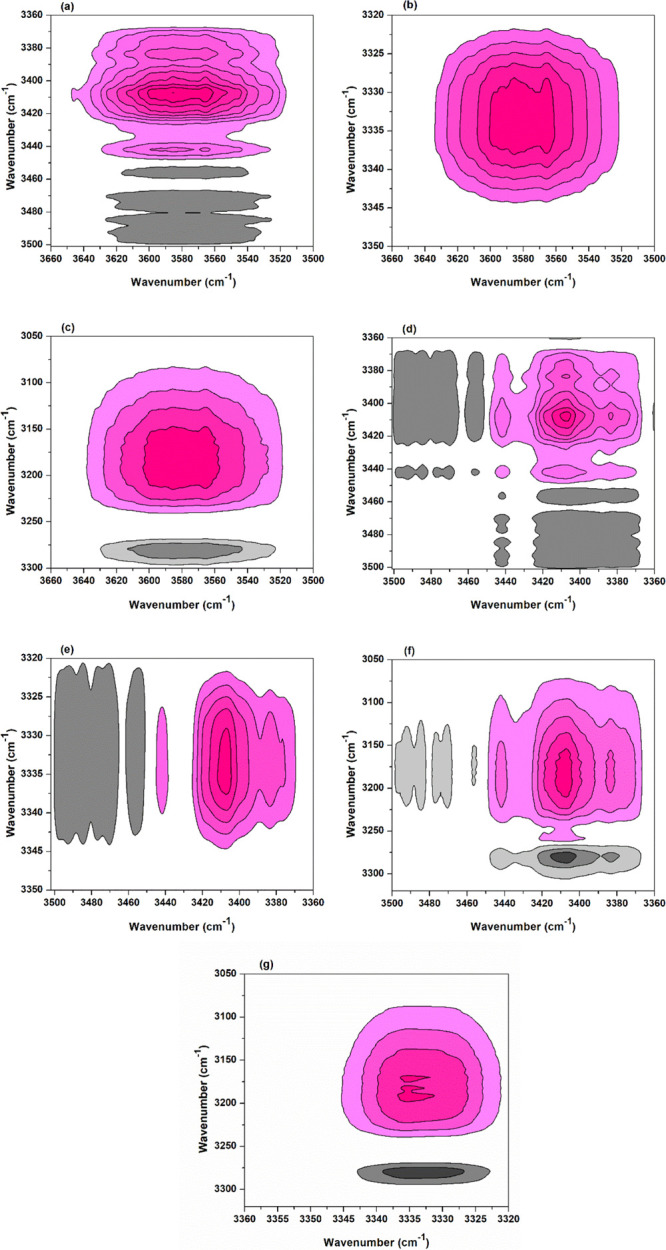
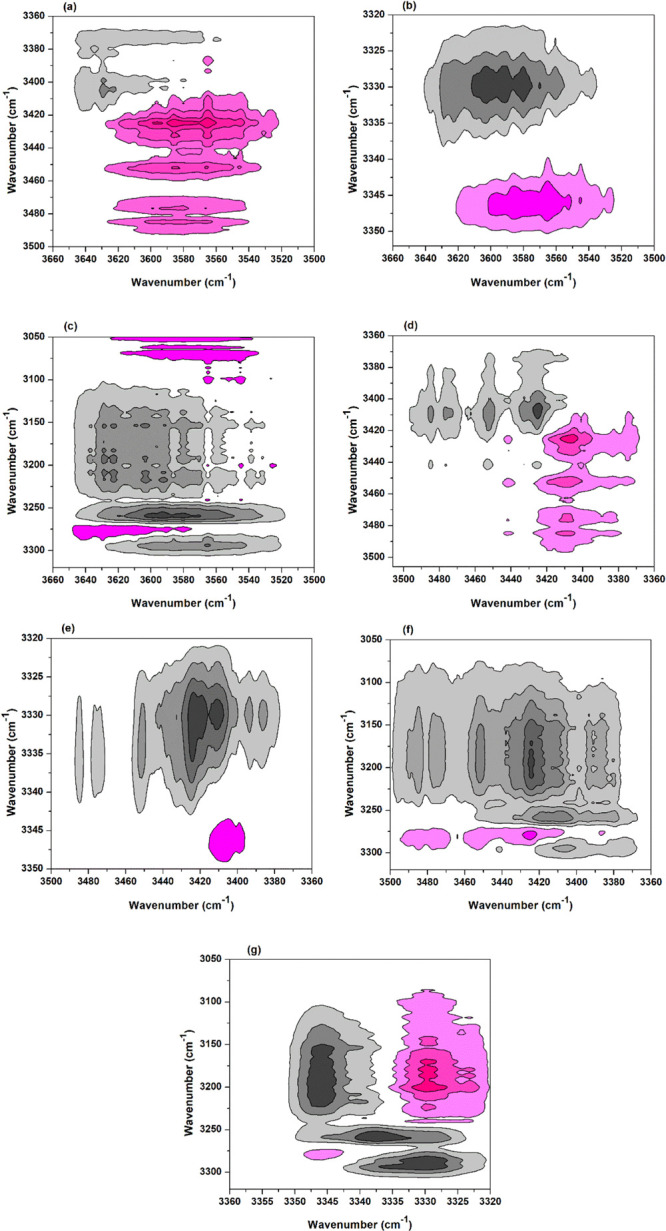
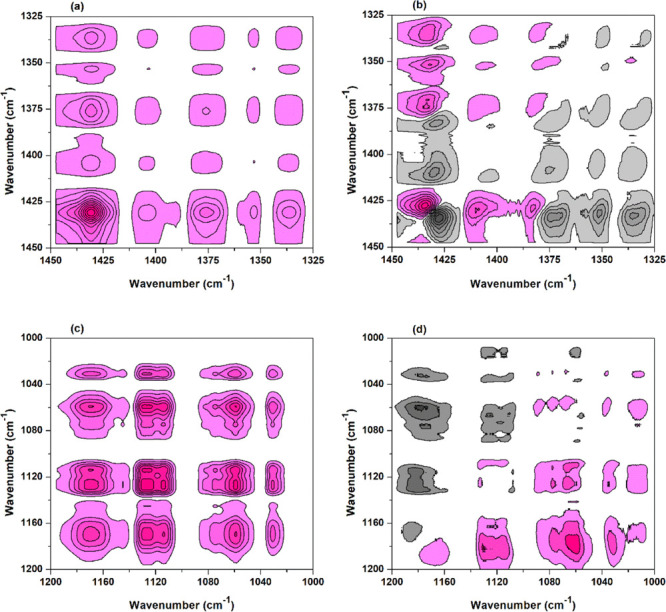
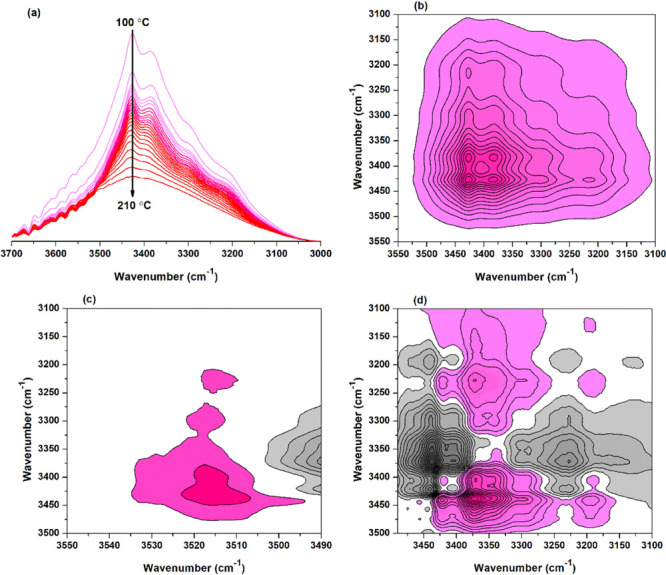
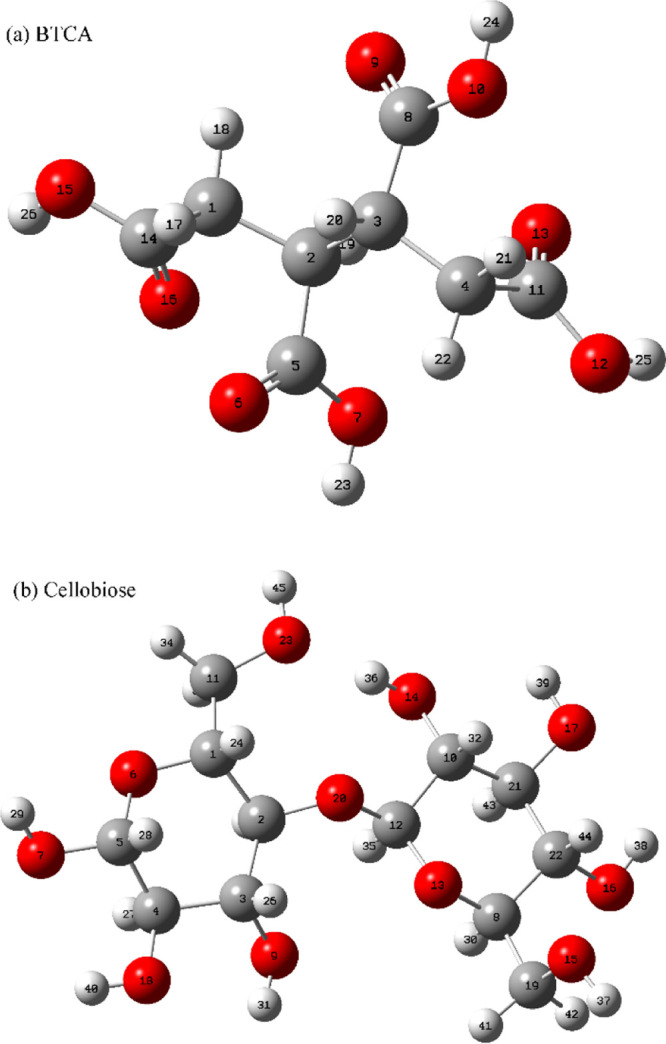
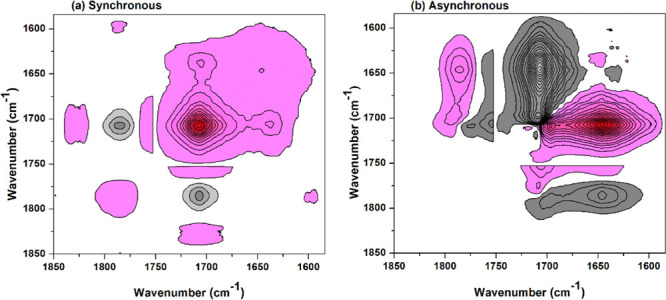
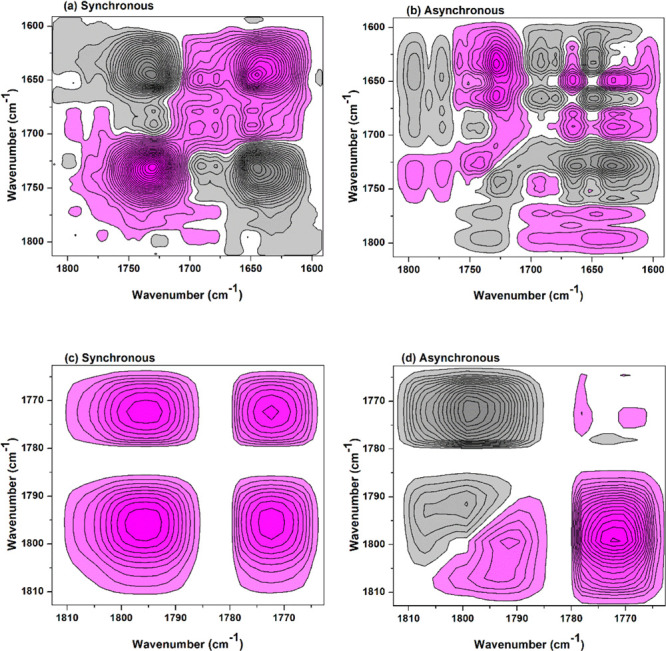
The modification of cellulose with polycarboxylic acid is an important technology to functionalize the substrate. 1,2,3,4-Butanetetracarboxylic acid (BTCA) can significantly improve the anti-wrinkle performance of treated cotton fabrics by cross-linking with cellulose. However, the reaction site of BTCA carboxyl and the cellulose hydroxyl has not yet been clarified, which hinders the in-depth understanding about the reaction mechanism and the development of new cross-linking reagents. This study combines Fourier transform infrared and two-dimensional correlation spectroscopy to try to make it clear. Results confirmed that BTCA anhydride is an active intermediate (corresponding to the generally accepted theory) to esterify with cellulose hydroxyl, especially the O(6)-H(6) and O(2)-H(2). Cellobiose was taken as a model of cellulose to react with BTCA at variable temperatures, proving the above conclusion. In addition, the C14- or C11-containing carboxyl of BTCA showed a higher reactivity. Based on calculating reaction kinetics and thermodynamics with Gaussian 09W software, the most likely reaction route between BTCA and cellulose was as follows: BTCA → BTCA C5C14 anhydride → C14O15 ester → C14O15 ester C31C34 anhydride → C14O15C33O ester.
用多元羧酸对纤维素进行改性是使基材功能化的一项重要技术。1,2,3,4-丁烷四羧酸(BTCA)可通过与纤维素交联显著提高处理后棉织物的抗皱性能。然而,BTCA羧基与纤维素羟基的反应位点尚未明确,这阻碍了对反应机理的深入理解以及新型交联剂的开发。本研究结合傅里叶变换红外光谱和二维相关光谱试图弄清楚这一点。结果证实,BTCA酸酐是与纤维素羟基酯化的活性中间体(与普遍接受的理论相符),尤其是O(6)-H(6)和O(2)-H(2)。以纤维二糖作为纤维素模型在不同温度下与BTCA反应,证实了上述结论。此外,BTCA含C14或C11的羧基表现出更高的反应活性。基于用高斯09W软件计算反应动力学和热力学,BTCA与纤维素之间最可能的反应路线如下:BTCA→BTCA C5C14酸酐→C14O15酯→C14O15酯C31C34酸酐→C14O15C33O酯。