Brainerd Elizabeth
Brandeis University, Waltham, MA USA.
Comp Econ Stud. 2021;63(4):557-576. doi: 10.1057/s41294-021-00169-w. Epub 2021 Oct 29.
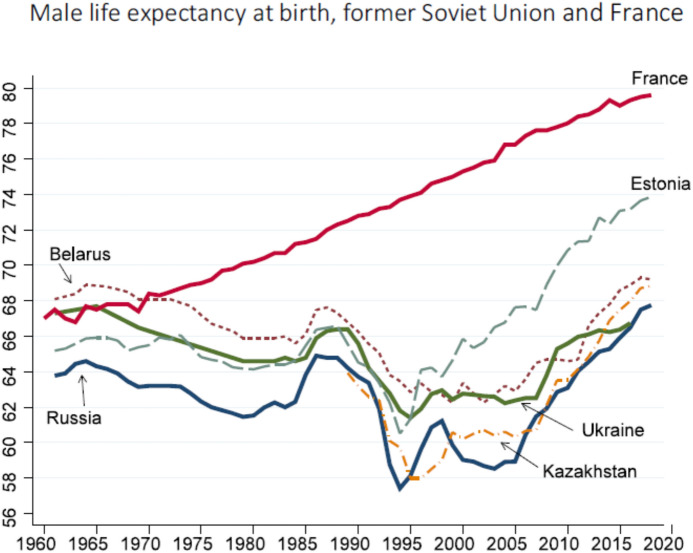
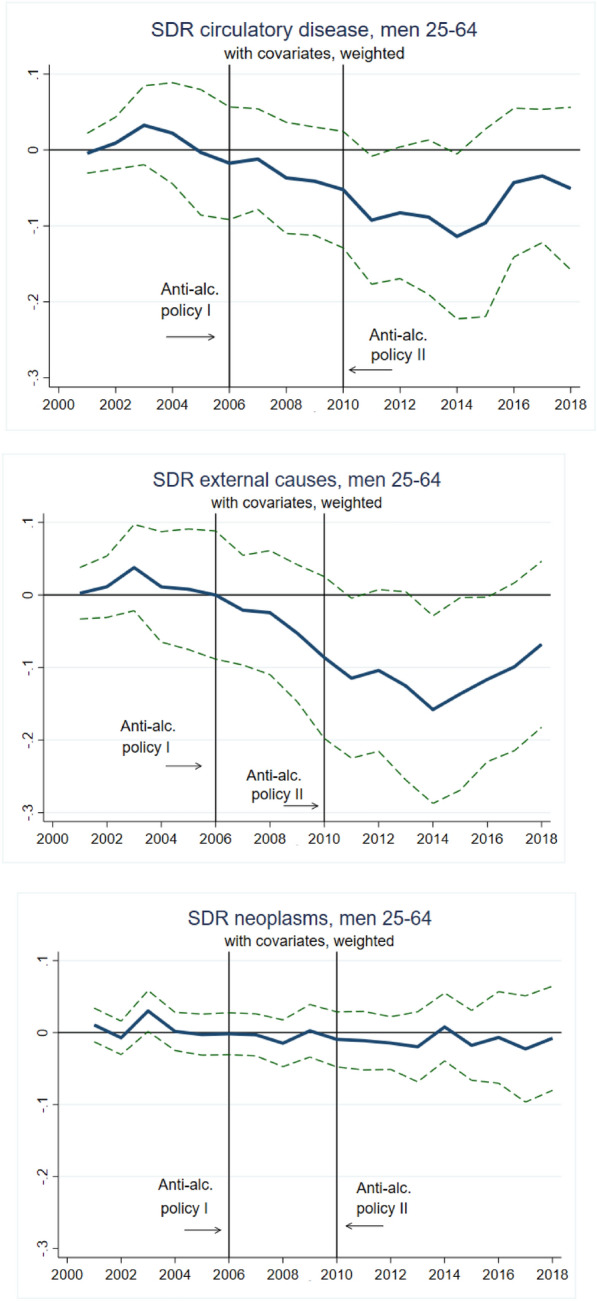
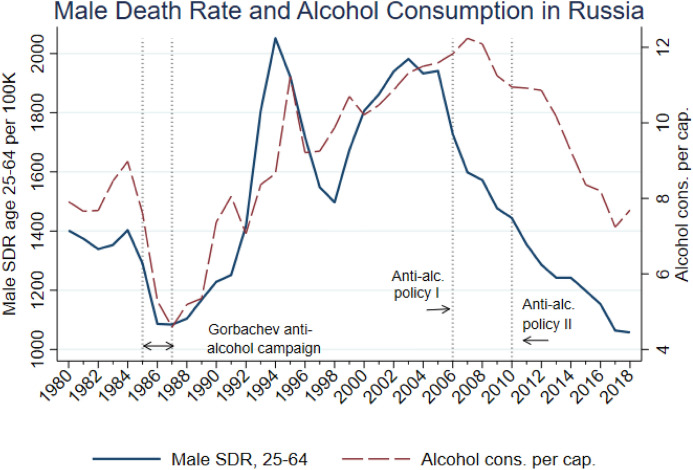
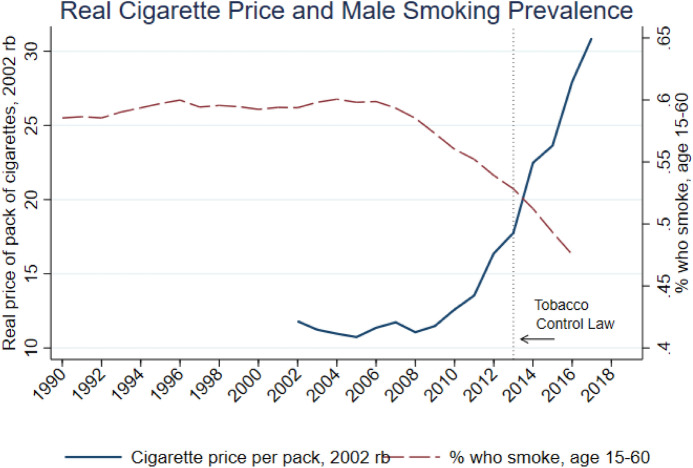
Adult mortality increased enormously in Russia and other countries of the former Soviet Union when the Soviet system collapsed 30 years ago. What has happened to mortality in Russia since the fall of the Soviet Union? What explains the wide swings of mortality over time? This paper documents changes in mortality in Russia since 1989, and reviews the research in the economics and public health literature on the causes of the changes. The focus is on the post-2000 period, and the possible role played in recent declining mortality rates by Russia's alcohol and tobacco control policies. The two themes that emerge are (1) that government policies are critical for understanding both rising and falling male mortality over this period, and (2) that the underlying causes of the mortality crisis and its reversal are difficult to clearly identify empirically and remain, at best, partially understood, leaving much scope for future research on this issue.
The online version contains supplementary material available at 10.1057/s41294-021-00169-w.
30年前苏联解体时,俄罗斯及其他前苏联国家的成人死亡率大幅上升。自苏联解体以来,俄罗斯的死亡率发生了什么变化?如何解释死亡率随时间的大幅波动?本文记录了1989年以来俄罗斯死亡率的变化,并回顾了经济学和公共卫生文献中关于这些变化原因的研究。重点是2000年以后的时期,以及俄罗斯的酒精和烟草控制政策在近期死亡率下降中可能发挥的作用。出现的两个主题是:(1)政府政策对于理解这一时期男性死亡率的上升和下降至关重要;(2)死亡率危机及其逆转的根本原因很难通过实证明确识别,充其量只能部分理解,这为该问题的未来研究留下了很大空间。
在线版本包含可在10.1057/s41294-021-00169-w获取的补充材料。