Dept. Biomedical Sciences, University of Minnesota Medical School, Duluth, MN 55812, United States of America.
Dept. Biomedical Sciences, University of Minnesota Medical School, Duluth, MN 55812, United States of America.
Toxicol Appl Pharmacol. 2021 Dec 15;433:115783. doi: 10.1016/j.taap.2021.115783. Epub 2021 Nov 2.
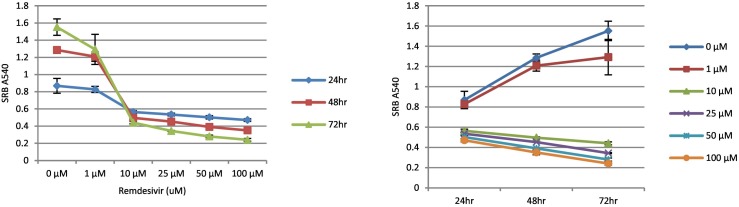
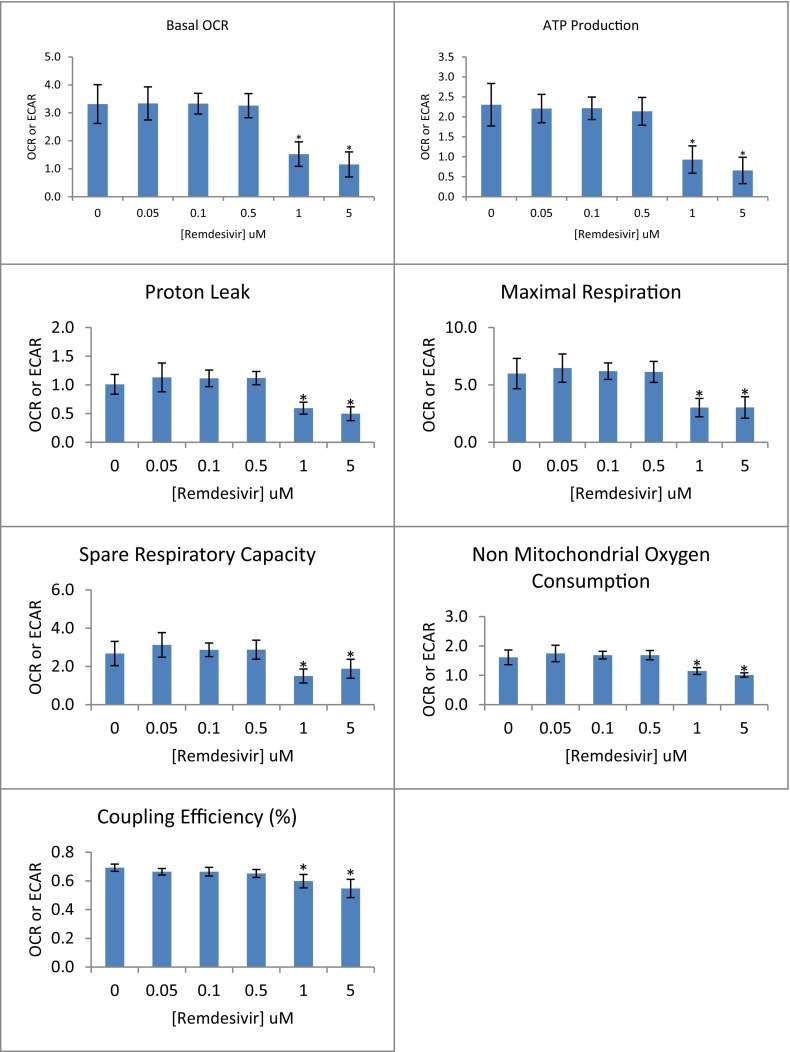
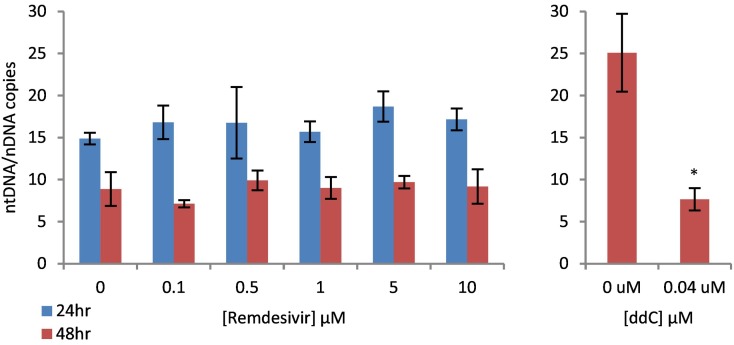
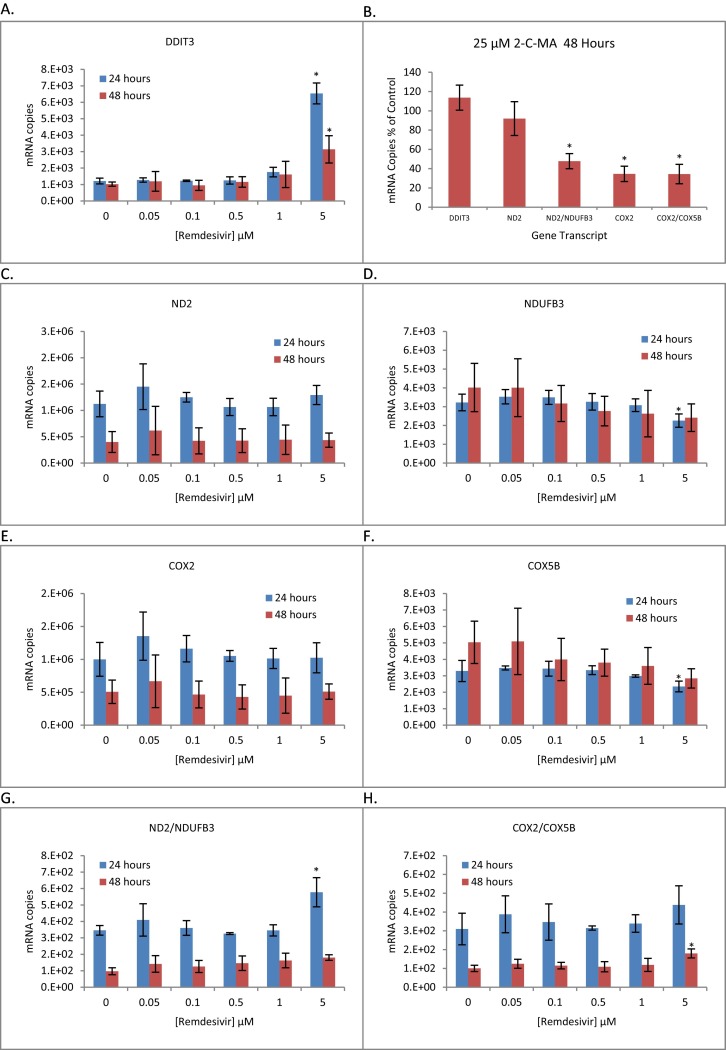
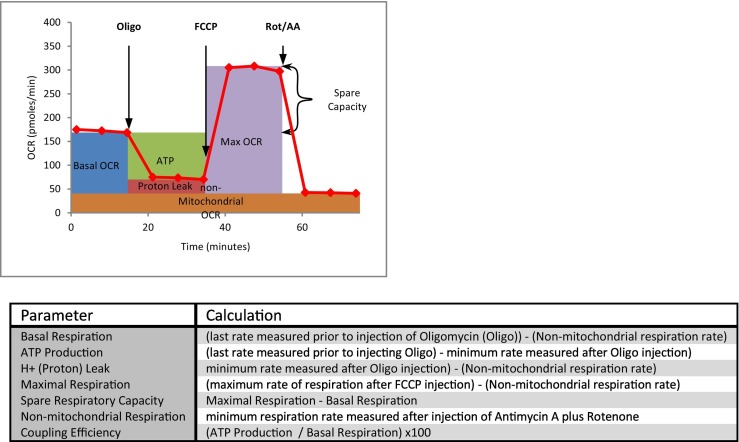
Remdesivir is one of a few antiviral drugs approved for treating severe cases of coronavirus 2 (SARS-CoV-2) infection in hospitalized patients. The prodrug is a nucleoside analog that interferes with viral replication by inhibiting viral RNA-dependent RNA polymerase. The drug has also been shown to be a weak inhibitor of human mitochondrial RNA polymerase, leaving open the possibility of mitochondrial off-targets and toxicity. The investigation was designed to explore whether remdesivir causes mitochondrial toxicity, using both genomic and functional parameters in the assessment. Human-derived HepG2 liver cells were exposed for up to 48 h in culture to increasing concentrations of remdesivir. At sub-cytotoxic concentrations (<1 μM), the drug failed to alter either the number of copies or the expression of the mitochondrial genome. mtDNA copy number was unaffected as was the relative rates of expression of mtDNA-encoded and nuclear encoded subunits of complexes I and IV of the mitochondrial respiratory chain. Consistent with this is the observation that remdesivir was without effect on mitochondrial respiration, including basal respiration, proton leak, maximum uncoupled respiration, spare respiratory capacity or coupling efficiency. We conclude that although remdesivir has weak inhibitory activity towards mitochondrial RNA polymerase, mitochondria are not primary off-targets for the mechanism of cytotoxicity of the drug.
瑞德西韦是少数几种已获批准用于治疗住院患者严重冠状病毒 2(SARS-CoV-2)感染的抗病毒药物之一。该前药是一种核苷类似物,通过抑制病毒 RNA 依赖性 RNA 聚合酶来干扰病毒复制。该药物也被证明是人类线粒体 RNA 聚合酶的弱抑制剂,这使得线粒体成为潜在的非靶标和毒性的可能性。本研究旨在使用基因组和功能参数评估来探讨瑞德西韦是否会引起线粒体毒性。用人源性 HepG2 肝细胞在培养中暴露于不同浓度的瑞德西韦长达 48 小时。在亚细胞毒性浓度(<1μM)下,药物既未改变线粒体基因组的拷贝数,也未改变其表达。线粒体 DNA 拷贝数不受影响,线粒体呼吸链复合物 I 和 IV 的线粒体编码和核编码亚基的表达相对速率也不受影响。这与瑞德西韦对线粒体呼吸没有影响的观察结果一致,包括基础呼吸、质子泄漏、最大解偶联呼吸、备用呼吸能力或偶联效率。我们得出结论,尽管瑞德西韦对线粒体 RNA 聚合酶具有较弱的抑制活性,但线粒体不是该药物细胞毒性机制的主要非靶标。