Wang Gang, Han Baihe, Zhang Ruoxi, Liu Qi, Wang Xuedong, Huang Xingtao, Liu Dandan, Qiao Weishen, Yang Mengyue, Luo Xing, Hou Jingbo, Yu Bo
The Key Laboratory of Myocardial Ischemia Organization, Chinese Ministry of Education, Harbin, China.
Department of Cardiology Organization, The Second Affiliated Hospital of Harbin Medical University, Harbin, China.
Front Pharmacol. 2021 Oct 22;12:758792. doi: 10.3389/fphar.2021.758792. eCollection 2021.
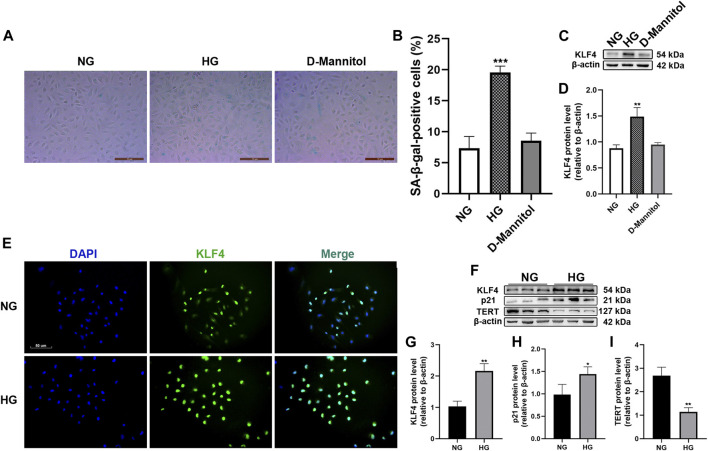
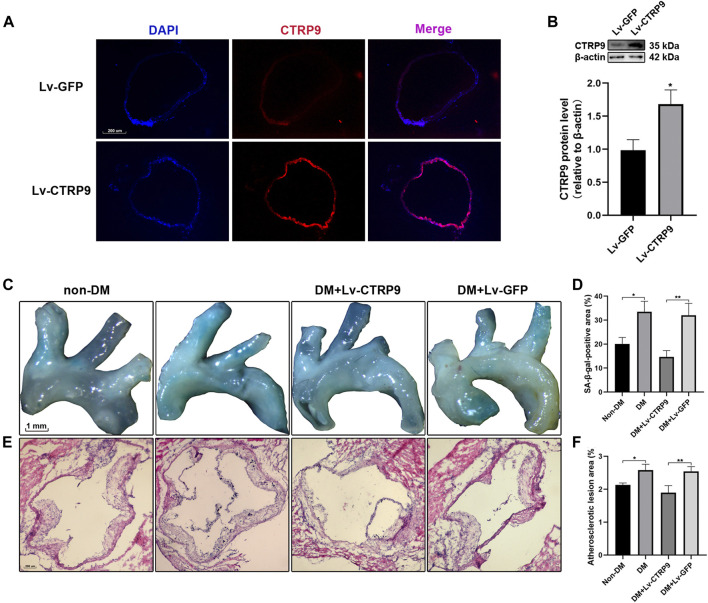
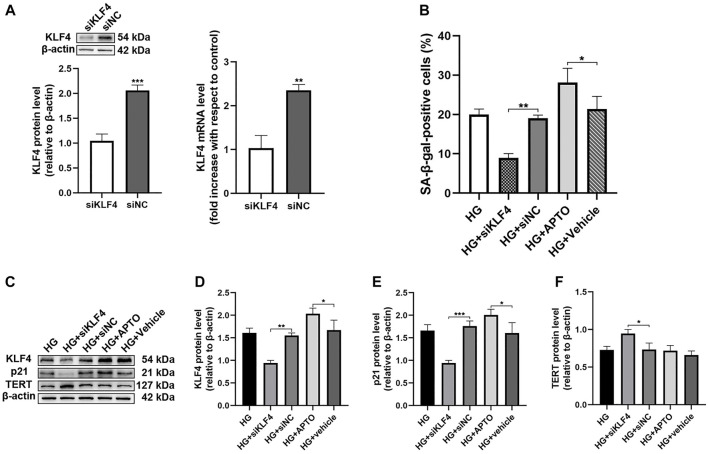
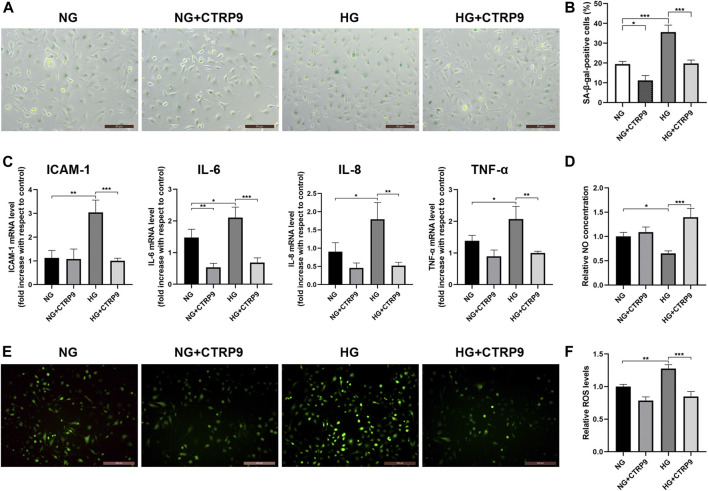
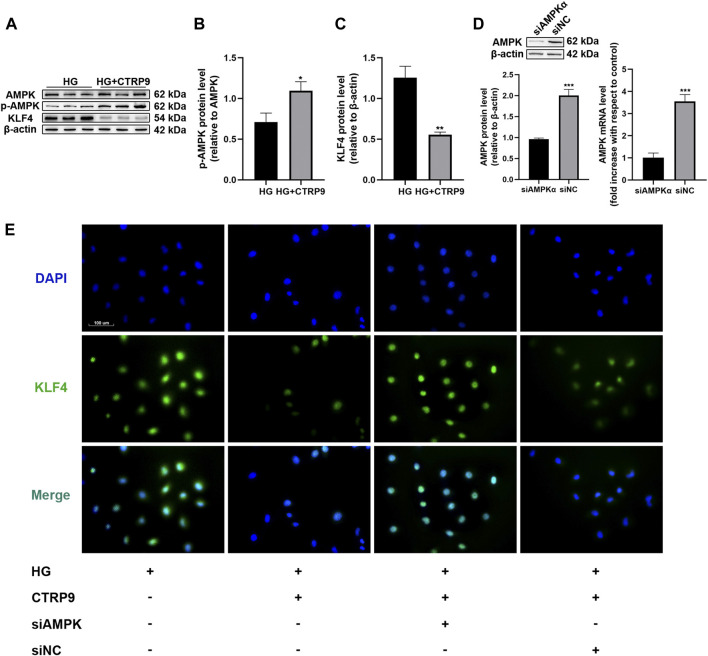
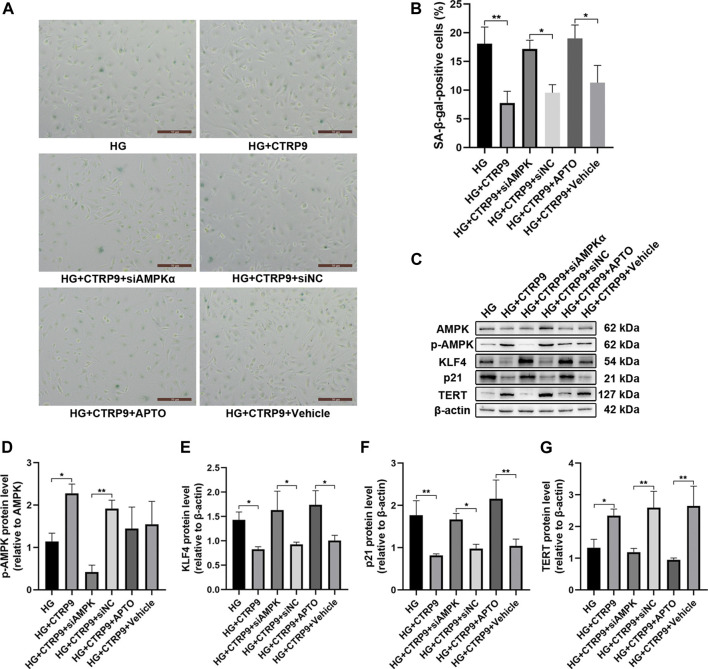
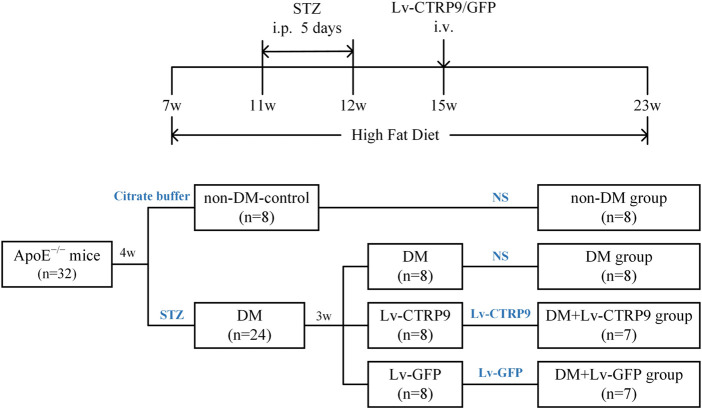
Hyperglycemia-induced endothelial cell senescence has been widely reported to be involved in the pathogenesis of type 2 diabetes mellitus‒accelerated atherosclerosis. Thus, understanding the underlying mechanisms and identifying potential therapeutic targets for endothelial cell senescence are valuable for attenuating atherosclerosis progression. C1q/tumor necrosis factor-related protein 9 (CTRP9), an emerging potential cardiokine, exerts a significant protective effect with respect to atherosclerosis, particularly in endothelial cells. However, the exact mechanism by which CTRP9 prevents endothelial cells from hyperglycemia-induced senescence remains unclear. This study aimed to investigate the effects of CTRP9 on hyperglycemia-induced endothelial cell senescence and atherosclerotic plaque formation in diabetic apolipoprotein E knockout (ApoE KO) mice. Human umbilical vein endothelial cells (HUVECs) were cultured in normal glucose (5.5 mM) and high glucose (40 mM) with or without recombinant human CTRP9 protein (3 μg/ml) for 48 h. Purified lentiviruses overexpressing CTRP9 (Lv-CTRP9) and control vectors containing green fluorescent protein (Lv-GFP) were injected via the tail vein into streptozotocin-induced diabetic ApoE KO mice. Results revealed that exposure of HUVECs to HG significantly increased the expression of Krüppel-like factor 4 (KLF4) and cyclin-dependent kinase inhibitor p21 (p21) and decreased that of telomerase reverse transcriptase (TERT). Treatment with recombinant human CTRP9 protein protected HUVECs from HG-induced premature senescence and dysfunction. CTRP9 promoted the phosphorylation of AMP-activated kinase (AMPK), attenuated the expression of KLF4 and p21 induced by HG, and increased the expression of TERT in HUVECs. Furthermore, in the background of AMPKα knockdown or KLF4 activation, the protective effects of CTRP9 were abolished. experiments showed that the overexpression of CTRP9 inhibited vascular senescence and reduced atherosclerotic plaque formation in ApoE KO mice with diabetes In conclusion, we demonstrate that KLF4 upregulation plays a crucial role in HG-induced endothelial senescence. This anti-atherosclerotic effect of CTRP9 may be partly attributed to the inhibition of HG-induced endothelial senescence through an AMPKα/KLF4-dependent mechanism, suggesting that CTRP9 could benefit further therapeutic approaches for type 2 diabetes mellitus‒accelerated atherosclerosis.
高血糖诱导的内皮细胞衰老已被广泛报道与2型糖尿病加速动脉粥样硬化的发病机制有关。因此,了解内皮细胞衰老的潜在机制并确定潜在的治疗靶点对于减缓动脉粥样硬化进展具有重要意义。C1q/肿瘤坏死因子相关蛋白9(CTRP9)是一种新出现的潜在心脏因子,对动脉粥样硬化具有显著的保护作用,尤其是在内皮细胞中。然而,CTRP9阻止内皮细胞发生高血糖诱导衰老的确切机制尚不清楚。本研究旨在探讨CTRP9对糖尿病载脂蛋白E基因敲除(ApoE KO)小鼠高血糖诱导的内皮细胞衰老和动脉粥样硬化斑块形成的影响。人脐静脉内皮细胞(HUVECs)在正常葡萄糖(5.5 mM)和高糖(40 mM)条件下培养48小时,同时添加或不添加重组人CTRP9蛋白(3 μg/ml)。通过尾静脉将过表达CTRP9的纯化慢病毒(Lv-CTRP9)和含有绿色荧光蛋白的对照载体(Lv-GFP)注射到链脲佐菌素诱导的糖尿病ApoE KO小鼠体内。结果显示,HUVECs暴露于高糖环境显著增加了Krüppel样因子4(KLF4)和细胞周期蛋白依赖性激酶抑制剂p21(p21)的表达,并降低了端粒酶逆转录酶(TERT)的表达。重组人CTRP9蛋白处理可保护HUVECs免受高糖诱导的过早衰老和功能障碍。CTRP9促进了AMP激活的蛋白激酶(AMPK)的磷酸化,减弱了高糖诱导的KLF4和p21的表达,并增加了HUVECs中TERT的表达。此外,在AMPKα敲低或KLF4激活的背景下,CTRP9的保护作用被消除。实验表明,CTRP9的过表达抑制了糖尿病ApoE KO小鼠的血管衰老并减少了动脉粥样硬化斑块的形成。总之,我们证明KLF4上调在高糖诱导的内皮细胞衰老中起关键作用。CTRP9的这种抗动脉粥样硬化作用可能部分归因于通过AMPKα/KLF4依赖性机制抑制高糖诱导的内皮细胞衰老,这表明CTRP9可能有益于2型糖尿病加速动脉粥样硬化的进一步治疗方法。