Tsunoda Akira
Department of Gastroenterological Surgery, Kameda Medical Center, Kamogawa, Japan.
J Anus Rectum Colon. 2021 Oct 28;5(4):335-339. doi: 10.23922/jarc.2021-027. eCollection 2021.
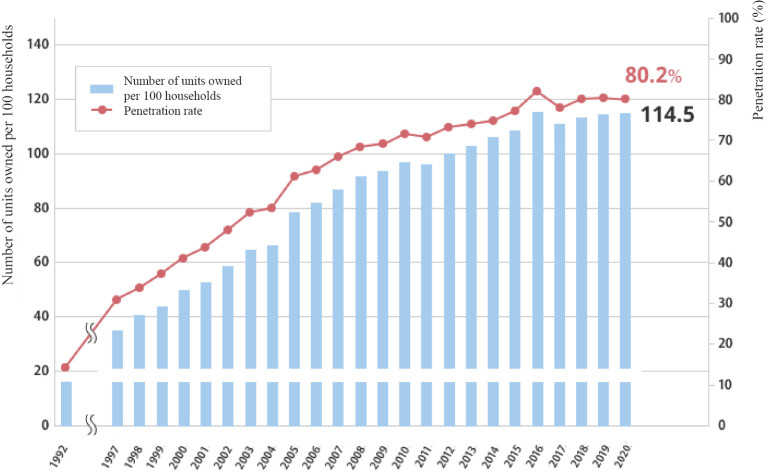
Electric bidet toilets are widely used in Japan and are sanitary devices, that are integral to daily life. Approximately, half of the population washed the anus before or after defecation. Cleaning the anus after defecation using the bidets contributes to hand hygiene and local comfort, and it may be effective against constipation. However, excessive bidet use potentially causes anal pruritus and anal incontinence (AI). Physicians are advised to instruct patients with anal pruritus to avoid excessive cleaning of the anus and those with AI to discontinue bidet use. For the estimation of the inherent severity of AI, physicians should instruct a bidet user with AI to discontinue bidet use and assess the severity of AI later. Additionally, the nozzle surface and splay water of bidet toilets may be contaminated with fecal indicator bacteria, such as and , as well as antimicrobial-resistant bacteria, rendering them a potential vehicle for cross-infection. In the hospital setting, compromised patients must be cautious regarding the shared use of bidet toilets to prevent infection by antimicrobial-resistant bacteria. Specifically, they should be provided with bidet toilets exclusive for them or may need to be instructed to not use a bidet.
电动坐浴盆马桶在日本广泛使用,是日常生活中不可或缺的卫生设备。大约一半的人口在排便前后会清洗肛门。使用坐浴盆在排便后清洁肛门有助于手部卫生和局部舒适,并且可能对便秘有效。然而,过度使用坐浴盆可能会导致肛门瘙痒和肛门失禁(AI)。建议医生告知患有肛门瘙痒的患者避免过度清洁肛门,告知患有肛门失禁的患者停止使用坐浴盆。为了评估肛门失禁的固有严重程度,医生应指示患有肛门失禁的坐浴盆使用者停止使用坐浴盆,随后评估肛门失禁的严重程度。此外,坐浴盆马桶的喷嘴表面和喷水可能会被粪便指示菌(如 和 )以及抗菌药物耐药菌污染,使其成为交叉感染的潜在媒介。在医院环境中,身体虚弱的患者必须谨慎使用共享的坐浴盆马桶,以防止被抗菌药物耐药菌感染。具体而言,应为他们提供专用的坐浴盆马桶,或者可能需要指示他们不要使用坐浴盆。