College of Agriculture and Human Sciences, Prairie View A&M University, Prairie View, TX 77446, USA.
Department of Biological and Agricultural Engineering, Texas A&M University, College Station, TX 77843, USA.
Sci Total Environ. 2022 Apr 10;816:151503. doi: 10.1016/j.scitotenv.2021.151503. Epub 2021 Nov 6.
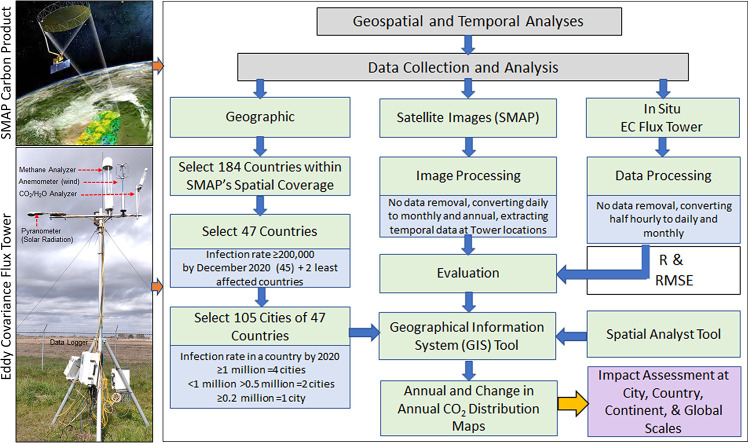
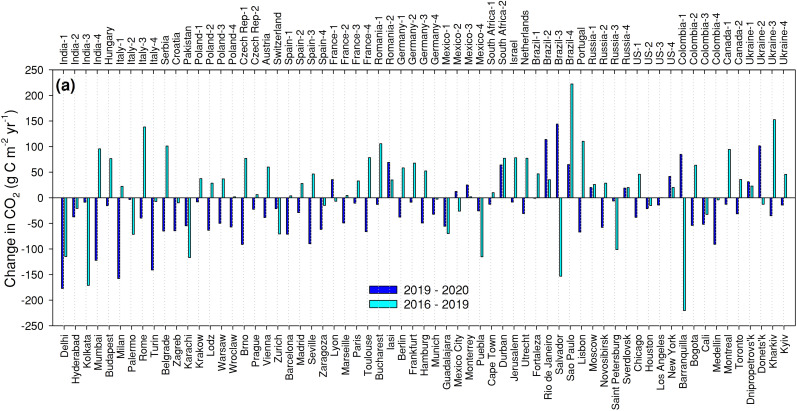
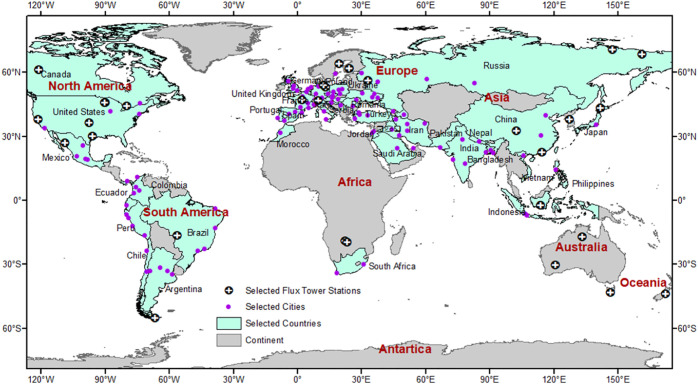
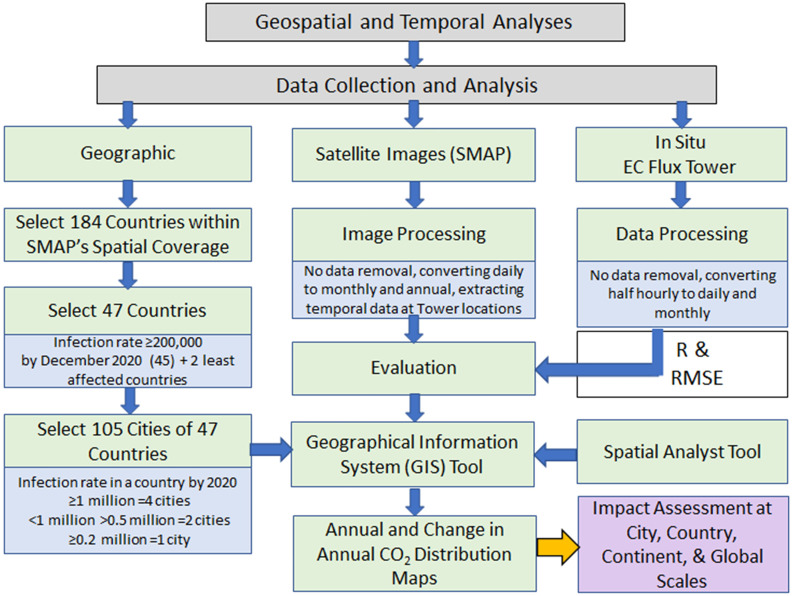
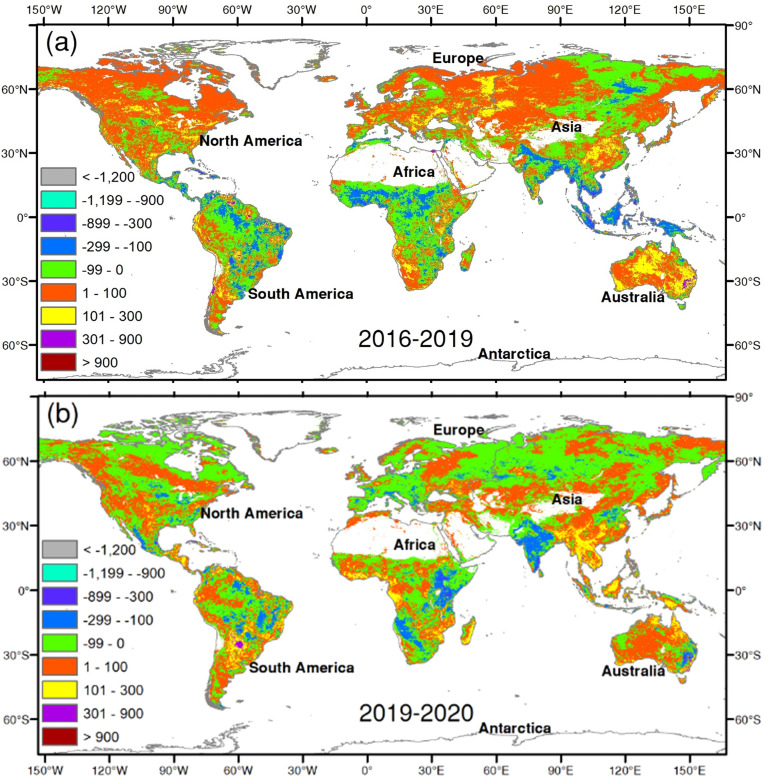
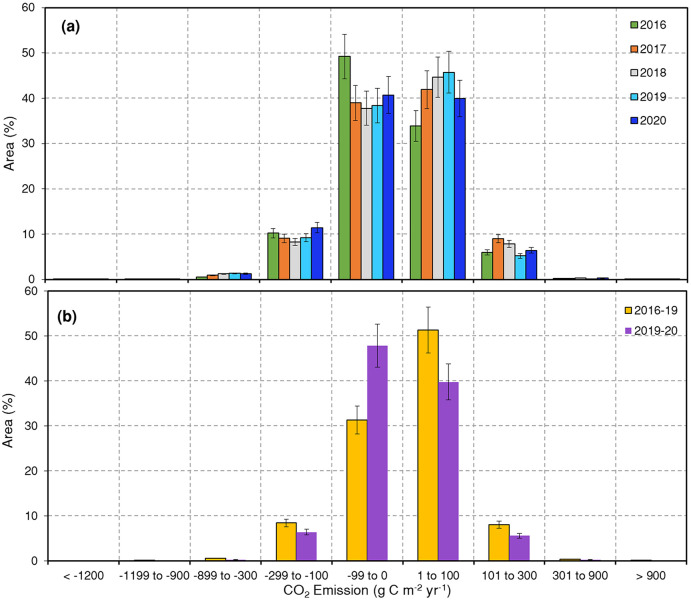
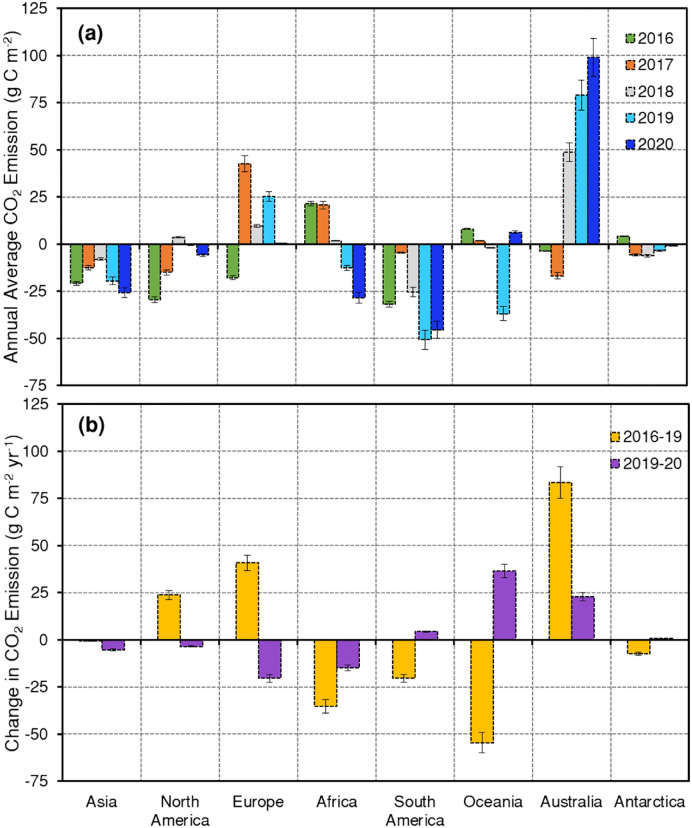
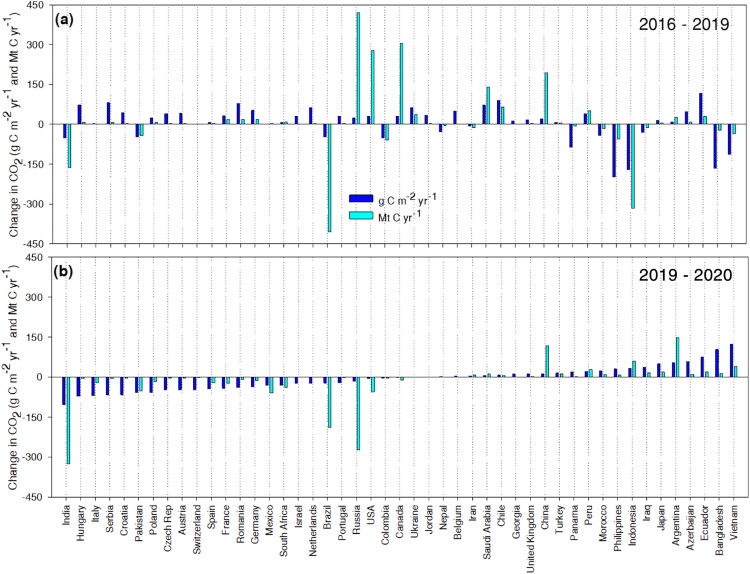
The coronavirus 2019 (COVID 19, or SARS-CoV-2) pandemic that started in December 2019 has caused an unprecedented impact in most countries globally and continues to threaten human lives worldwide. The COVID-19 and strict lockdown measures have had adverse effects on human health and national economies. These lockdown measures have played a critical role in improving air quality, water quality, and the ozone layer and reducing greenhouse gas emissions. Using Soil Moisture Active Passive (SMAP) Level 4 carbon (SMAP LC4) satellite products, this study investigated the impacts of COVID-19 lockdown measures on annual carbon emissions globally, focusing on 47 greatly affected countries and their 105 cities by December 2020. It is shown that while the lockdown measures significantly reduced carbon emissions globally, several countries and cities observed this reduction as temporary because strict lockdown measures were not imposed for extended periods in 2020. Overall, the total carbon emissions of select 184 countries reduced by 438 Mt in 2020 than in 2019. Since the global economic activities are slowly expected to return to the non-COVID-19 state, the reduction in carbon emissions during the pandemic will not be sustainable in the long run. For sustainability, concerned authorities have to put significant efforts to change transportation, climate, and environmental policies globally that fuel carbon emissions. Overall, the presented results provide directions to the stakeholders and policymakers to develop and implement measures to control carbon emissions for a sustainable environment.
2019 年 12 月开始的新型冠状病毒 2019(COVID-19,或 SARS-CoV-2)大流行在大多数国家造成了前所未有的影响,并继续威胁着全世界的人类生命。COVID-19 和严格的封锁措施对人类健康和国家经济产生了不利影响。这些封锁措施在改善空气质量、水质和臭氧层以及减少温室气体排放方面发挥了关键作用。本研究使用土壤湿度主动被动(SMAP)四级碳(SMAP LC4)卫星产品,调查了 COVID-19 封锁措施对全球年度碳排放的影响,重点关注了 2020 年 12 月受影响最大的 47 个国家及其 105 个城市。结果表明,尽管封锁措施显著减少了全球的碳排放,但一些国家和城市认为这种减少是暂时的,因为 2020 年并未长期实施严格的封锁措施。总体而言,2020 年选定的 184 个国家的总碳排放量比 2019 年减少了 438 Mt。由于全球经济活动预计将缓慢恢复到非 COVID-19 状态,因此大流行期间的碳排放减少在长期内是不可持续的。为了可持续性,有关当局必须做出重大努力,改变全球推动碳排放的交通、气候和环境政策。总体而言,所呈现的结果为利益相关者和政策制定者提供了方向,以制定和实施控制碳排放的措施,以实现可持续的环境。