Mertens Jonathan, De Block Christophe, Spinhoven Maarten, Driessen Ann, Francque Sven M, Kwanten Wilhelmus J
Department of Gastroenterology and Hepatology, Antwerp University Hospital, Edegem, Belgium.
Department of Endocrinology, Diabetology and Metabolism, Antwerp University Hospital, Edegem, Belgium.
Front Pharmacol. 2021 Oct 25;12:768576. doi: 10.3389/fphar.2021.768576. eCollection 2021.
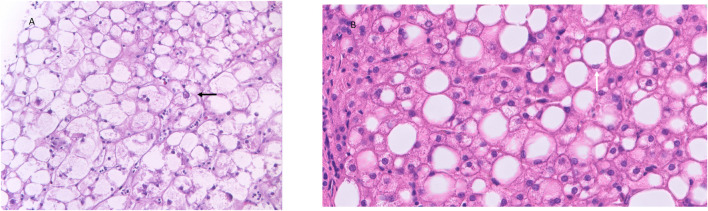
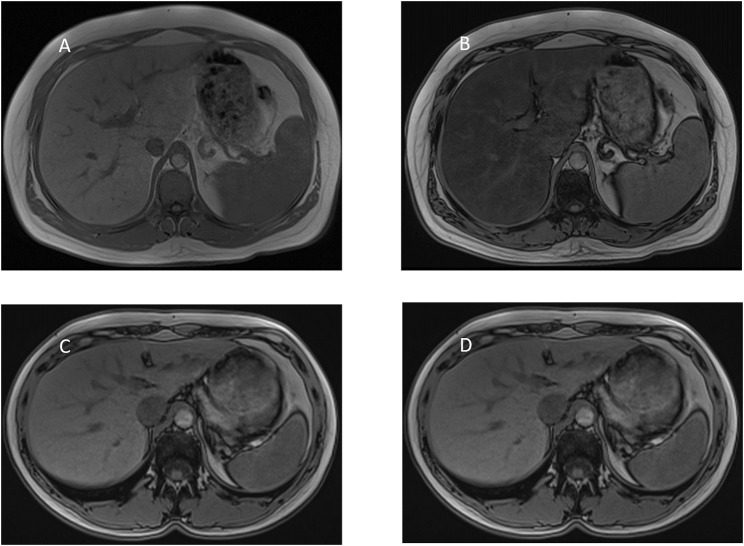
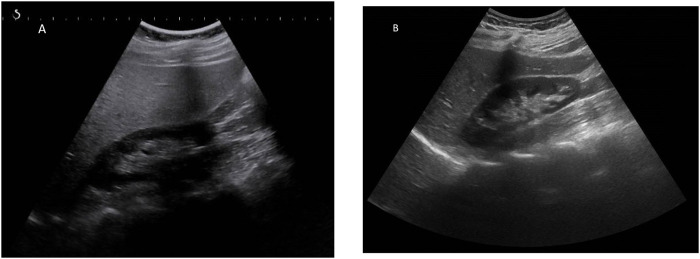
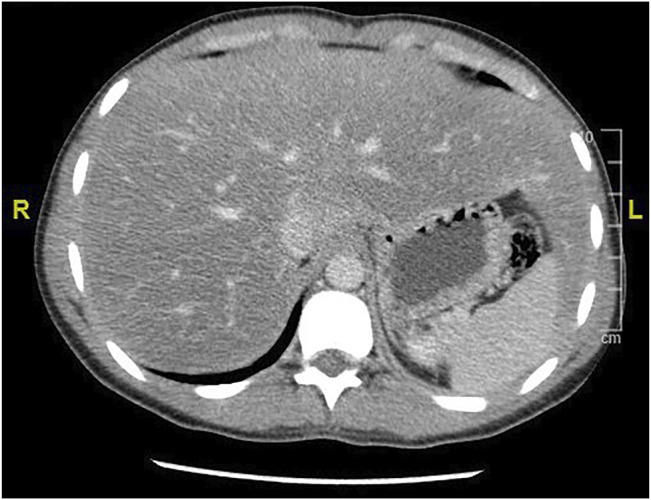
Autoimmune destruction of pancreatic β-cells results in the permanent loss of insulin production in type 1 diabetes (T1D). The daily necessity to inject exogenous insulin to treat hyperglycemia leads to a relative portal vein insulin deficiency and potentiates hypoglycemia which can induce weight gain, while daily fluctuations of blood sugar levels affect the hepatic glycogen storage and overall metabolic control. These, among others, fundamental characteristics of T1D are associated with the development of two distinct, but in part clinically similar hepatopathies, namely non-alcoholic fatty liver disease (NAFLD) and glycogen hepatopathy (GlyH). Recent studies suggest that NAFLD may be increasingly common in T1D because more people with T1D present with overweight and/or obesity, linked to the metabolic syndrome. GlyH is a rare but underdiagnosed complication hallmarked by extremely brittle metabolic control in, often young, individuals with T1D. Both hepatopathies share clinical similarities, troubling both diagnosis and differentiation. Since NAFLD is increasingly associated with cardiovascular and chronic kidney disease, whereas GlyH is considered self-limiting, awareness and differentiation between both condition is important in clinical care. The exact pathogenesis of both hepatopathies remains obscure, hence licensed pharmaceutical therapy is lacking and general awareness amongst physicians is low. This article aims to review the factors potentially contributing to fatty liver disease or glycogen storage disruption in T1D. It ends with a proposal for clinicians to approach patients with T1D and potential hepatopathy.
胰腺β细胞的自身免疫性破坏导致1型糖尿病(T1D)患者永久性丧失胰岛素分泌能力。每日注射外源性胰岛素来治疗高血糖会导致门静脉胰岛素相对缺乏,并加剧低血糖,进而引发体重增加,同时血糖水平的每日波动会影响肝糖原储存和整体代谢控制。T1D的这些基本特征,以及其他一些特征,与两种不同但在临床上部分相似的肝病的发展有关,即非酒精性脂肪性肝病(NAFLD)和糖原性肝病(GlyH)。最近的研究表明,NAFLD在T1D中可能越来越常见,因为越来越多的T1D患者超重和/或肥胖,这与代谢综合征有关。GlyH是一种罕见但诊断不足的并发症,其特征是在通常为年轻的T1D患者中代谢控制极其不稳定。这两种肝病在临床上有相似之处,给诊断和鉴别带来困扰。由于NAFLD越来越多地与心血管疾病和慢性肾脏病相关,而GlyH被认为是自限性的,因此在临床护理中了解这两种疾病并加以区分很重要。这两种肝病的确切发病机制仍不清楚,因此缺乏有许可证的药物治疗,医生对此的普遍认识也很低。本文旨在综述可能导致T1D患者发生脂肪性肝病或糖原储存紊乱的因素。文章最后为临床医生诊治患有T1D和潜在肝病的患者提出了建议。