Zheng Chun
Carnegie Mellon University, Pittsburgh, PA 15213 USA.
Socioecol Pract Res. 2020;2(3):243-251. doi: 10.1007/s42532-020-00062-3. Epub 2020 Aug 24.
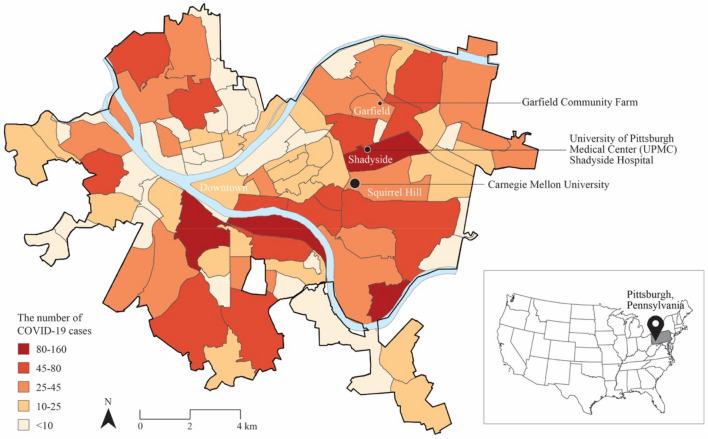
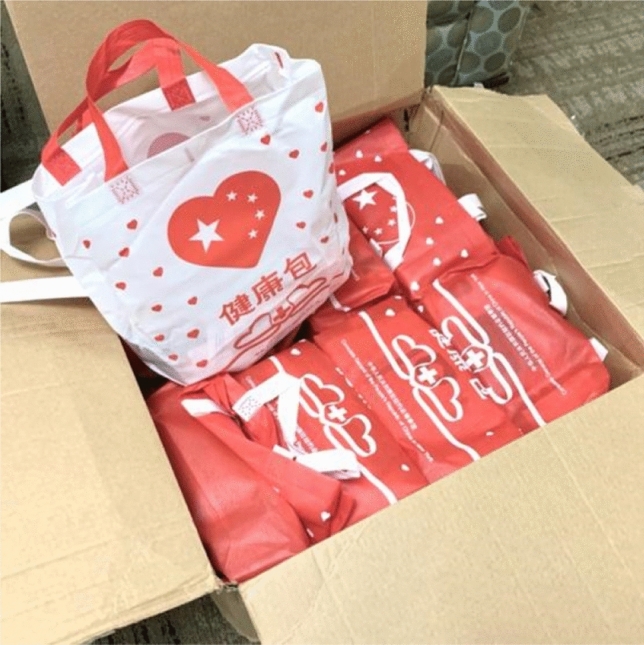
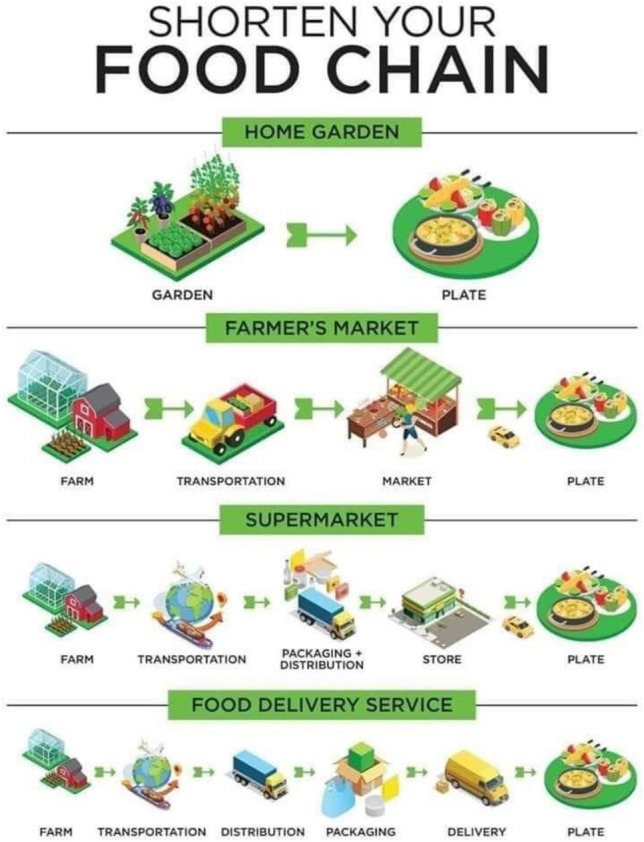
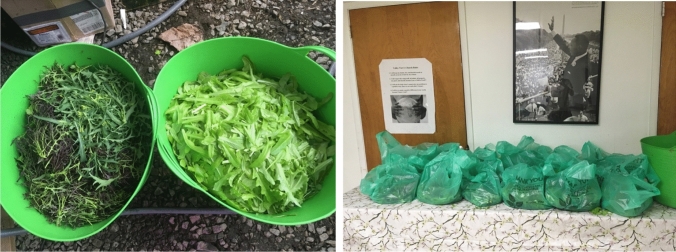
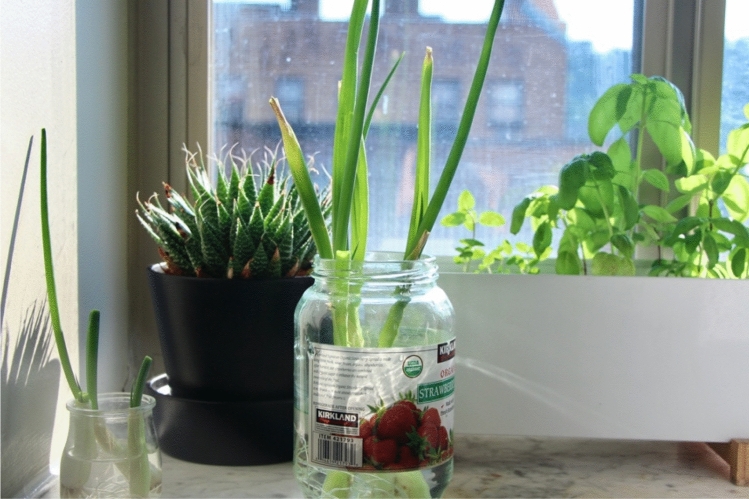
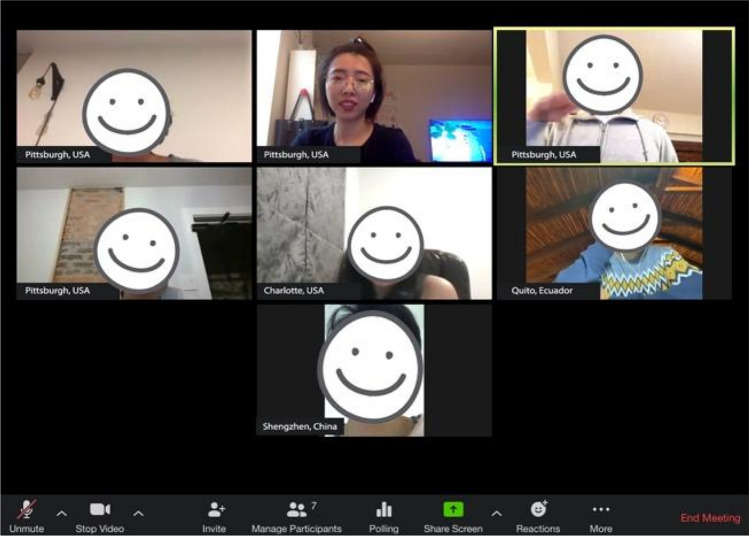
In this essay, I share my experiences and reflection on fighting the COVID-19 pandemic from the perspective of a Chinese student residing in Pittsburgh, USA. Three examples of "commoning"-acts of managing shared resources by a group of people-reveal the importance of care and collaboration in the time of uncertainty. First, when COVID-19 posed a threat to the food supply chain, community gardens and home gardening ensured food security and enhanced mutual support. Second, the emergence of online activities of teaching, learning, and collaborating presented an opportunity of having more collective, equitable, and diverse formats of virtual communities. Lastly, volunteering in the distribution of "Healthy Packs," I witnessed the nurture of a sense of belonging and a connection with home in the student community. These examples suggest that facing the crisis, care-driven commoning activities at the individual, everyday level lay the foundation for large-scale collaborative systems.
在这篇文章中,我将从一名居住在美国匹兹堡的中国学生的视角,分享我在抗击新冠疫情中的经历与思考。三个“共同行动”的例子——一群人管理共享资源的行为——揭示了在不确定时期关怀与协作的重要性。首先,当新冠疫情对食品供应链构成威胁时,社区花园和家庭园艺确保了食品安全并增强了相互支持。其次,教学、学习和协作的在线活动的出现,提供了一个拥有更具集体性、公平性和多样性的虚拟社区形式的机会。最后,在参与“健康包”分发的志愿活动中,我见证了学生社区中归属感的培养以及与家乡的联系。这些例子表明,面对危机,个人日常层面由关怀驱动的共同行动为大规模协作系统奠定了基础。