Shuai Huan, Wang Jiao, Wang Xianguang, Du Gaoxiang
School of Materials Science and Technology, China University of Geosciences, Beijing 100083, China.
School of Basic Education, Beijing Polytechnic College, Beijing 100042, China.
Materials (Basel). 2021 Oct 28;14(21):6474. doi: 10.3390/ma14216474.
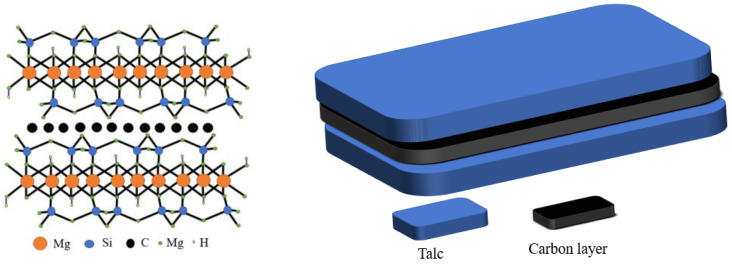
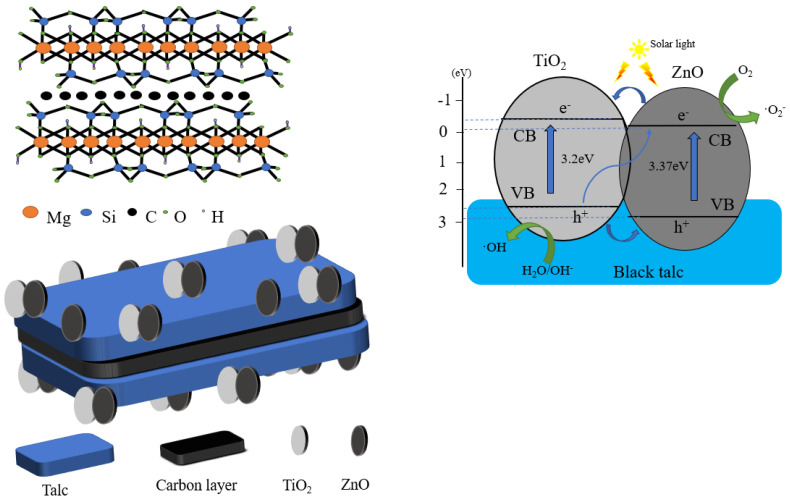
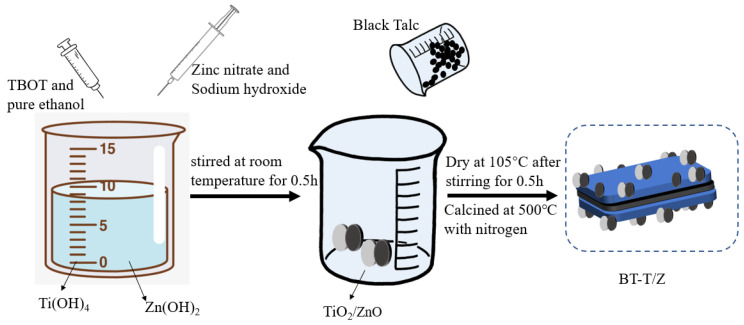
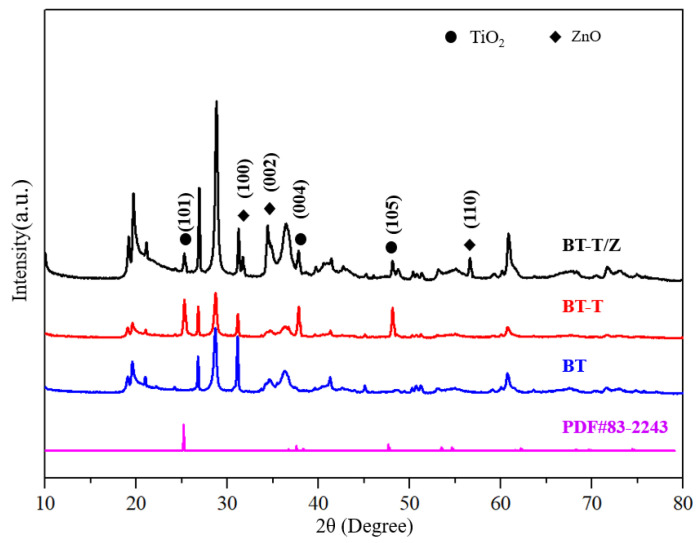
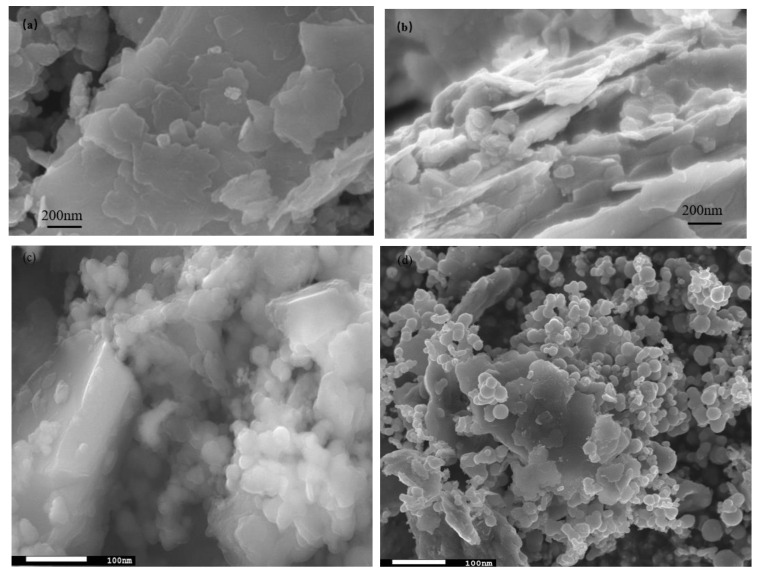
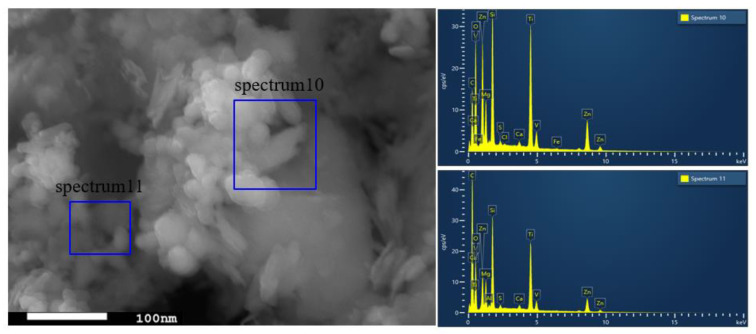
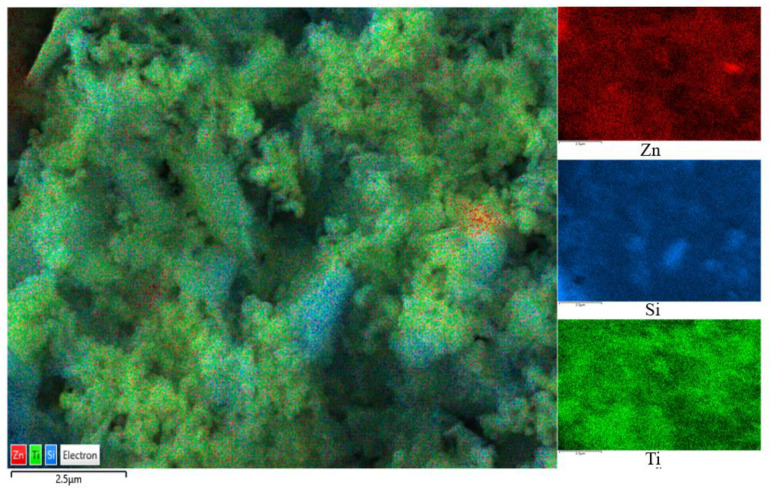
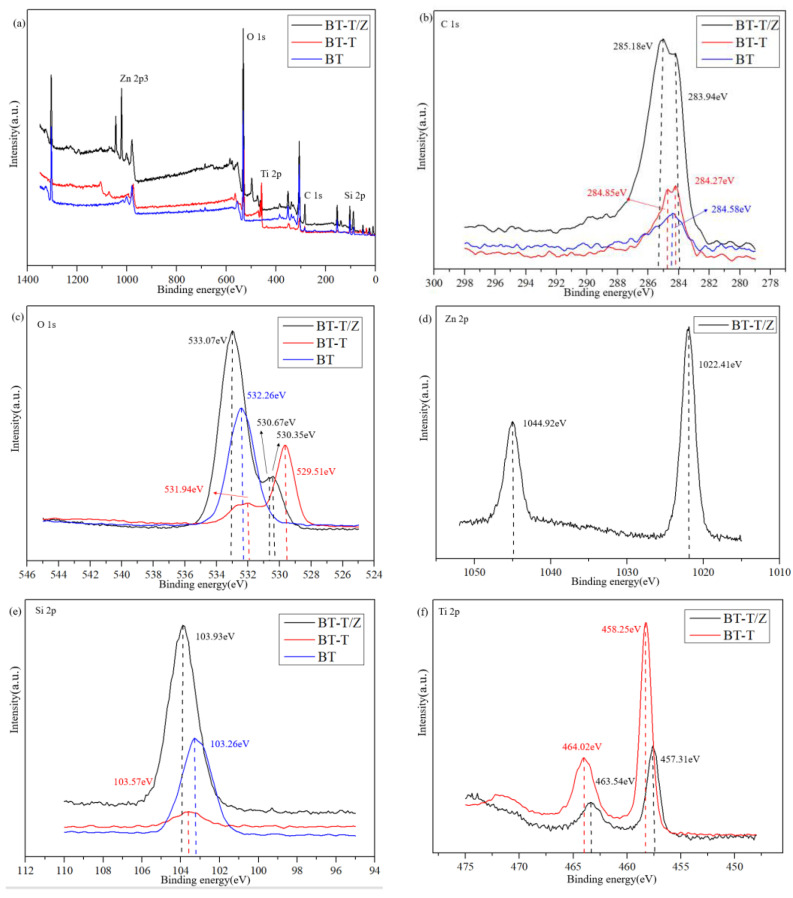
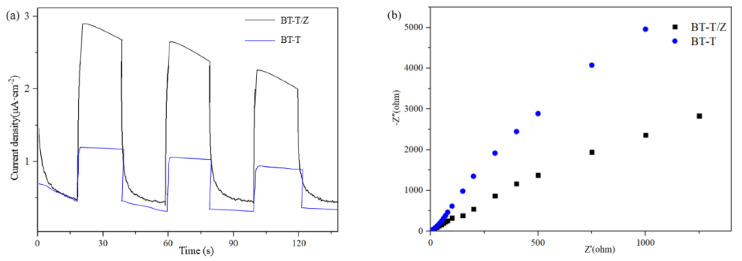
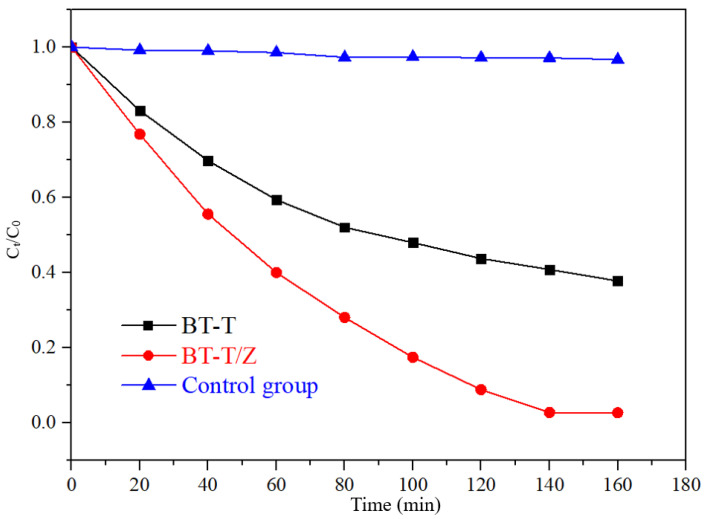
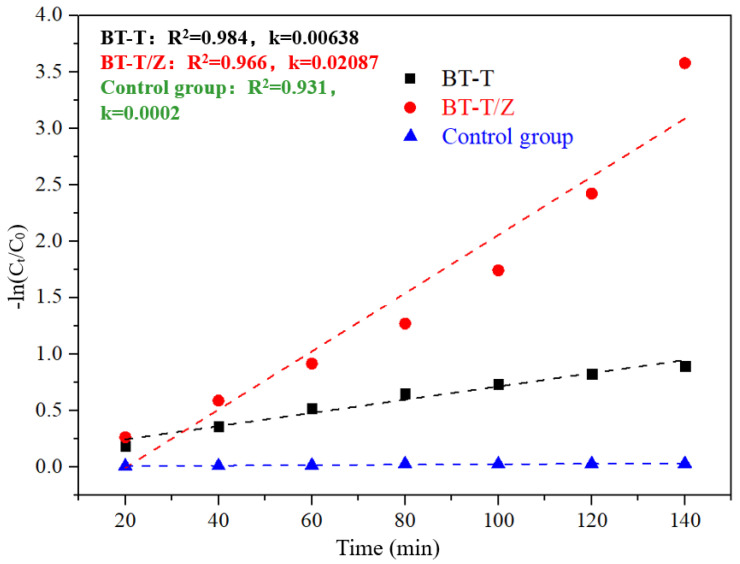
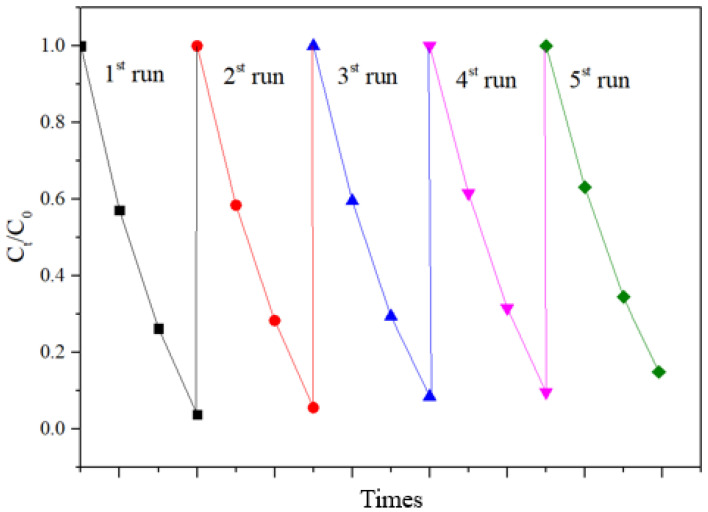
Herein, using black talc as a carrier, a ternary black talc-TiO/ZnO composite photocatalyst was prepared by the sol-gel method, and the effect of the black talc on the hetero-structure properties of the TiO and ZnO was systematically studied. The prepared composite photocatalyst showed an excellent degradation performance of the pollutant, where black talc plays an important role in promoting the interface interaction by enhancing the contact area between the TiO and ZnO. Moreover, the free carbon element doping in black talc favors the formation of more oxygen vacancies, thereby improving the response as a photocatalyst in visible light. In addition, the carbon in the black talc can also adsorb organic pollutants and enrich the surroundings of the photocatalyst with pollutants, so it further improves the catalytic efficiency of the photocatalyst. Under UV irradiation, the degradation rate of Rhodamine B on black talc-TiO/ZnO was found 3.3 times higher than that of black talc-TiO with good stability.
在此,以黑滑石为载体,采用溶胶-凝胶法制备了三元黑滑石-TiO/ZnO复合光催化剂,并系统研究了黑滑石对TiO和ZnO异质结构性能的影响。所制备的复合光催化剂对污染物表现出优异的降解性能,其中黑滑石通过增加TiO和ZnO之间的接触面积,在促进界面相互作用方面发挥着重要作用。此外,黑滑石中游离碳元素的掺杂有利于形成更多的氧空位,从而提高其作为光催化剂在可见光下的响应。此外,黑滑石中的碳还可以吸附有机污染物并使光催化剂周围富集污染物,因此进一步提高了光催化剂的催化效率。在紫外光照射下,发现黑滑石-TiO/ZnO上罗丹明B的降解速率比黑滑石-TiO高3.3倍,且稳定性良好。