Krembil Brain Institute, Toronto Western Hospital, University Health Network, Toronto, ON, Canada.
Donnelly Centre, University of Toronto, Toronto, ON, Canada.
Mol Neurodegener. 2021 Nov 12;16(1):77. doi: 10.1186/s13024-021-00497-6.
Parkinson's disease is a disabling neurodegenerative movement disorder characterized by dopaminergic neuron loss induced by α-synuclein oligomers. There is an urgent need for disease-modifying therapies for Parkinson's disease, but drug discovery is challenged by lack of in vivo models that recapitulate early stages of neurodegeneration. Invertebrate organisms, such as the nematode worm Caenorhabditis elegans, provide in vivo models of human disease processes that can be instrumental for initial pharmacological studies.
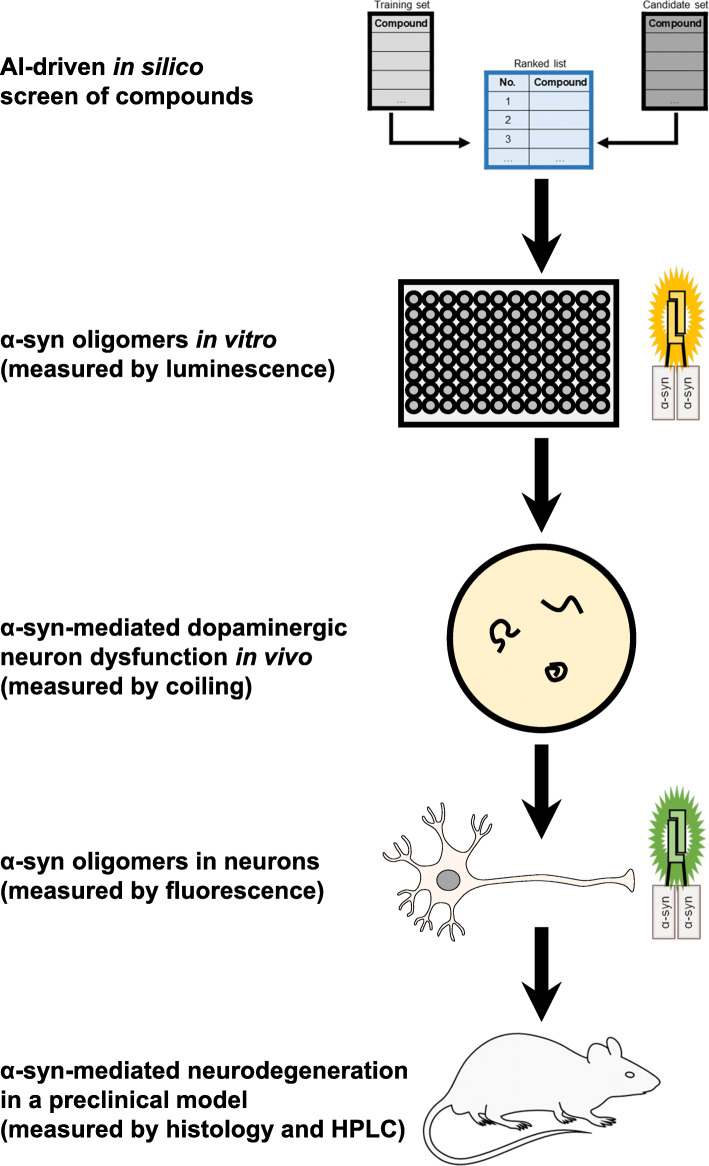
To identify early motor impairment of animals expressing α-synuclein in dopaminergic neurons, we first used a custom-built tracking microscope that captures locomotion of single C. elegans with high spatial and temporal resolution. Next, we devised a method for semi-automated and blinded quantification of motor impairment for a population of simultaneously recorded animals with multi-worm tracking and custom image processing. We then used genetic and pharmacological methods to define the features of early motor dysfunction of α-synuclein-expressing C. elegans. Finally, we applied the C. elegans model to a drug repurposing screen by combining it with an artificial intelligence platform and cell culture system to identify small molecules that inhibit α-synuclein oligomers. Screen hits were validated using in vitro and in vivo mammalian models.
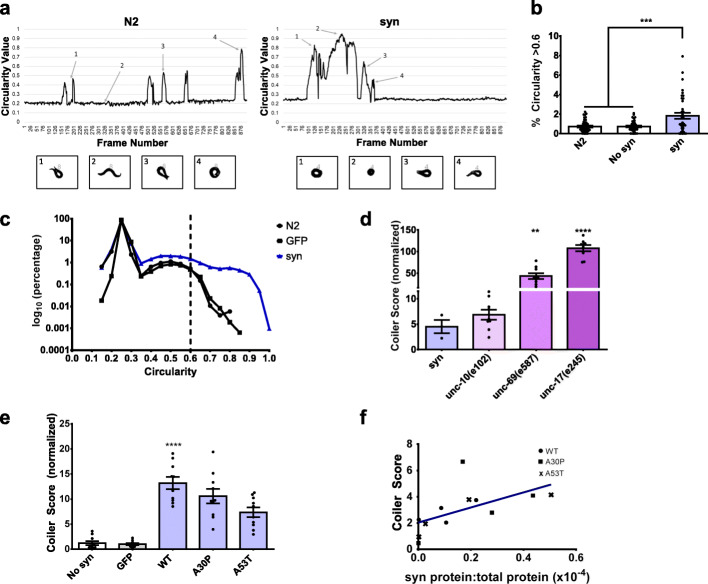
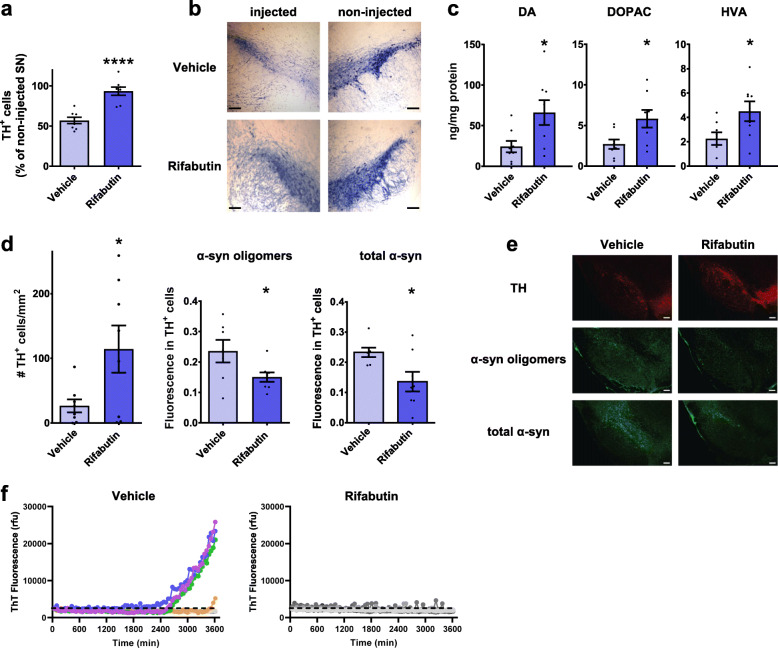
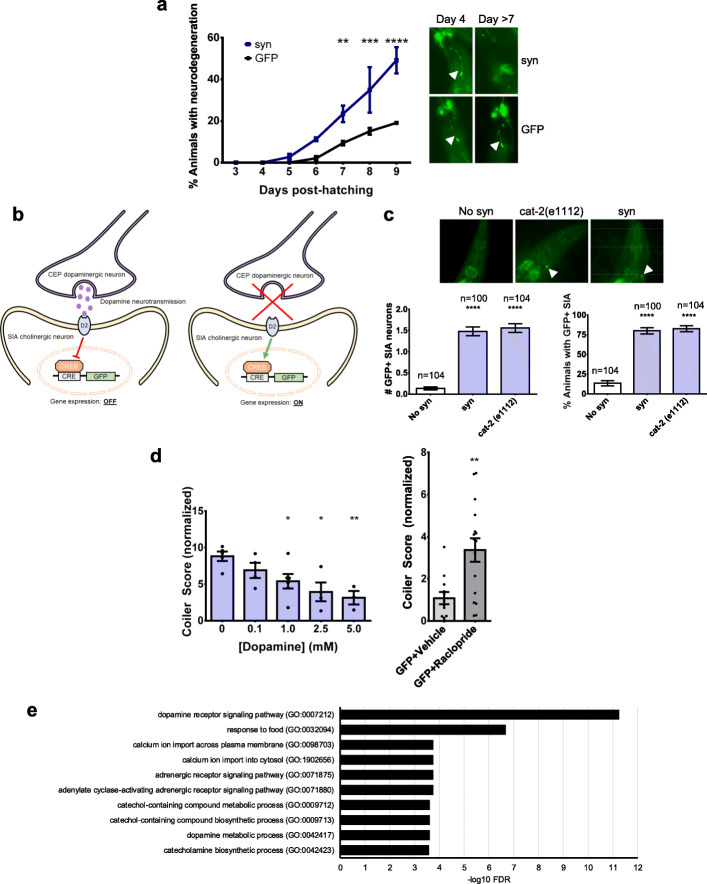
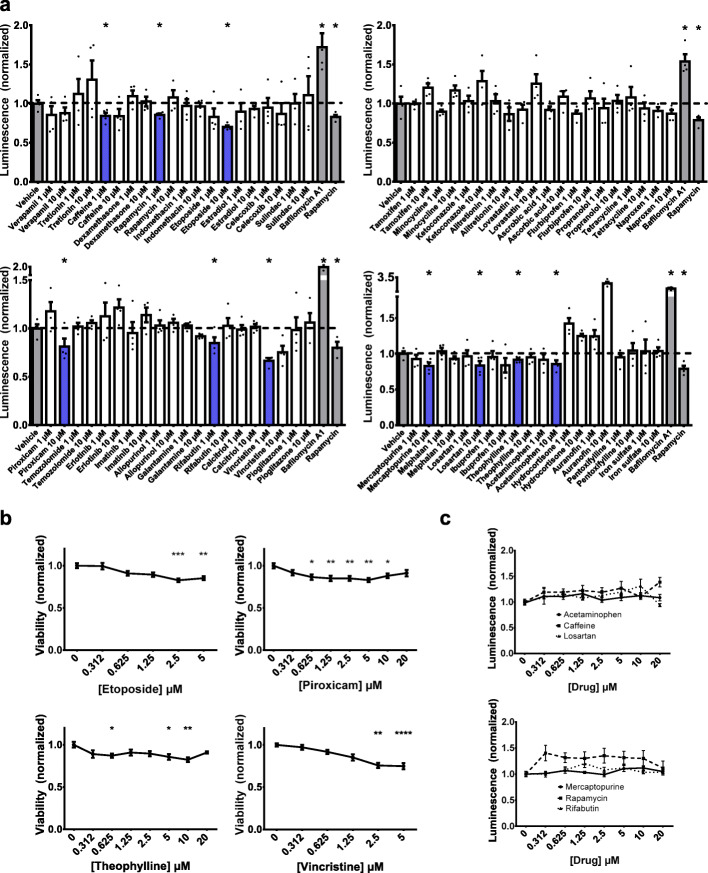
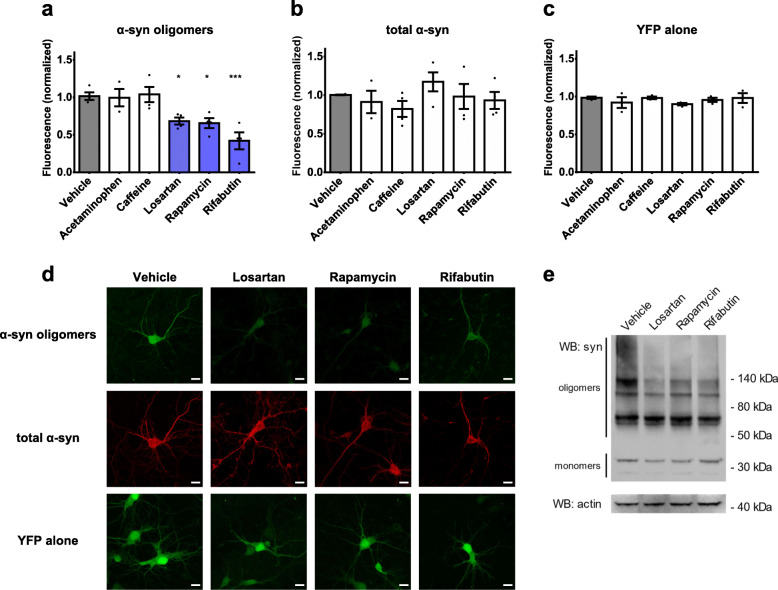
We found a previously undescribed motor phenotype in transgenic α-synuclein C. elegans that correlates with mutant or wild-type α-synuclein protein levels and results from dopaminergic neuron dysfunction, but precedes neuronal loss. Together with artificial intelligence-driven in silico and in vitro screening, this C. elegans model identified five compounds that reduced motor dysfunction induced by α-synuclein. Three of these compounds also decreased α-synuclein oligomers in mammalian neurons, including rifabutin which has not been previously investigated for Parkinson's disease. We found that treatment with rifabutin reduced nigrostriatal dopaminergic neurodegeneration due to α-synuclein in a rat model.
We identified a C. elegans locomotor abnormality due to dopaminergic neuron dysfunction that models early α-synuclein-mediated neurodegeneration. Our innovative approach applying this in vivo model to a multi-step drug repurposing screen, with artificial intelligence-driven in silico and in vitro methods, resulted in the discovery of at least one drug that may be repurposed as a disease-modifying therapy for Parkinson's disease.
帕金森病是一种致残的神经退行性运动障碍,其特征是多巴胺能神经元因α-突触核蛋白寡聚体而丧失。目前迫切需要帕金森病的治疗方法,但由于缺乏能够重现神经退行性早期阶段的体内模型,药物发现受到了挑战。无脊椎动物,如线虫秀丽隐杆线虫,为人类疾病过程提供了体内模型,这些模型对于初始药理学研究非常有帮助。
为了确定表达α-突触核蛋白的多巴胺能神经元动物的早期运动障碍,我们首先使用了一台定制的跟踪显微镜,该显微镜以高空间和时间分辨率捕获单个秀丽隐杆线虫的运动。接下来,我们设计了一种方法,用于通过多虫跟踪和自定义图像处理对半自动化和盲化对同时记录的动物群体的运动障碍进行定量。然后,我们使用遗传和药理学方法来定义表达α-突触核蛋白的秀丽隐杆线虫早期运动功能障碍的特征。最后,我们通过将秀丽隐杆线虫模型与人工智能平台和细胞培养系统相结合,应用于药物再利用筛选,以识别抑制α-突触核蛋白寡聚体的小分子。使用体外和体内哺乳动物模型验证筛选结果。
我们在转基因α-突触核蛋白秀丽隐杆线虫中发现了一种以前未描述的运动表型,该表型与突变型或野生型α-突触核蛋白蛋白水平相关,并且是多巴胺能神经元功能障碍的结果,但早于神经元丧失。与人工智能驱动的计算和体外筛选相结合,这种秀丽隐杆线虫模型鉴定出了五种可减少α-突触核蛋白诱导的运动功能障碍的化合物。其中三种化合物还减少了哺乳动物神经元中的α-突触核蛋白寡聚体,包括利福平,以前未被研究用于帕金森病。我们发现,利福平治疗可减少由于α-突触核蛋白引起的大鼠模型中的黑质纹状体多巴胺能神经退行性变。
我们确定了一种由于多巴胺能神经元功能障碍而导致的秀丽隐杆线虫运动异常,该异常模型模拟了早期的α-突触核蛋白介导的神经退行性变。我们应用这种体内模型进行多步骤药物再利用筛选的创新方法,结合人工智能驱动的计算和体外方法,发现了至少一种可能被重新用于治疗帕金森病的药物。