Department of Psychiatry and Behavioral Sciences, UC Davis, 2230 Stockton Blvd, Sacramento, CA 95817, USA; MIND Institute, UC Davis, 2825 50(th) Street, Sacramento, CA 95817, USA.
Department of Psychiatry and Behavioral Sciences, UC Davis, 2230 Stockton Blvd, Sacramento, CA 95817, USA; MIND Institute, UC Davis, 2825 50(th) Street, Sacramento, CA 95817, USA.
Neuroimage Clin. 2021;32:102877. doi: 10.1016/j.nicl.2021.102877. Epub 2021 Nov 9.
Youth with chromosome 22q11.2 deletion syndrome (22q) face one of the highest genetic risk factors for the development of schizophrenia. Previous research suggests impairments in attentional control and potential interactions with elevated anxiety and reduced adaptive functioning may increase the risk for developing psychosis in this population. Here, we examined how variations in attentional control relate to the presence or severity of psychosis-proneness symptoms in these individuals.
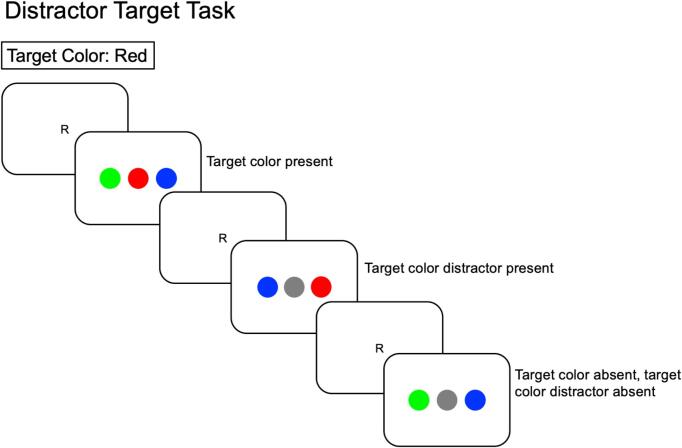
To achieve this, we measured attentional control in youth (12-18 years) with 22q (N = 35) compared to a typically developing group (N = 45), using a flanker task (the Distractor Target task) while measuring neural activity with event-related potentials.
Similar to previous findings observed in people with schizophrenia, greater attentional capture by, and reduced suppression of, non-target flanker stimuli characterized participants with 22q and was indexed by the N2pc (N2-posterior-contralateral) and P (distractor positivity) components. Although we observed no relationships between these components and measures of psychosis-proneness in youth with 22q, these individuals endorsed a relatively low incidence of positive symptoms overall.
Our results provide neural evidence of an attentional control impairment in youth with 22q that suggests these individuals experience sustained attentional focus on irrelevant information and reduced suppression of distracting stimuli in their environment. Impairments in attentional control might be a valid biomarker of the potential to develop attenuated positive symptoms or frank psychosis in high-risk individuals long before the age at which such symptoms typically arise. The evaluation of such a hypothesis, and the preventive potential for the putative biomarker, should be the focus of future studies.
患有 22 号染色体长臂 11.2 缺失综合征(22q)的年轻人面临着发展为精神分裂症的最高遗传风险因素之一。先前的研究表明,注意力控制受损以及潜在的焦虑升高和适应功能降低的相互作用可能会增加该人群发生精神病的风险。在这里,我们研究了注意力控制的变化如何与这些个体出现或严重程度的精神病倾向症状相关。
为了实现这一目标,我们使用侧翼任务(干扰目标任务)测量了 22q 中的青少年(12-18 岁,N=35)的注意力控制,同时使用事件相关电位测量神经活动。
与精神分裂症患者中观察到的先前发现相似,22q 患者对非目标侧翼刺激的注意力捕获更大,对非目标侧翼刺激的抑制作用降低,这由 N2pc(N2-后-对侧)和 P(干扰正性)成分来表示。尽管我们在 22q 青少年中没有观察到这些成分与精神病倾向测量之间的关系,但这些个体总体上报告了相对较低的阳性症状发生率。
我们的结果提供了 22q 青少年注意力控制受损的神经证据,表明这些个体对环境中的无关信息持续关注,并对干扰性刺激的抑制作用降低。注意力控制受损可能是高危个体在出现此类症状的典型年龄之前发展为轻度阳性症状或明显精神病的潜在生物标志物。应该是未来研究的重点。