School of Psychology, University of Derby, Derby, UK.
Nottingham University Hospitals NHS Trust, Nottingham, UK.
BMC Urol. 2021 Nov 15;21(1):157. doi: 10.1186/s12894-021-00921-5.
Theory-based intervention materials must be carefully adapted to meet the needs of users with specific physical conditions. Acceptance and Commitment Therapy (ACT) has been adapted successfully for cancer, chronic pain, diabetes, irritable bowel syndrome, multiple sclerosis, and a range of other conditions, but not so far for people receiving renal haemodialysis. This paper presents findings from a study to adapt ACT-based intervention materials specifically for renal dialysis.
Draft written materials consisting of four stories depicting fictitious individuals who used ACT-related techniques to help overcome different challenges and difficulties related to dialysis were adapted using a systematic patient consultation process. The participants were 18 people aged 19-80 years, with chronic kidney disease and receiving renal dialysis. Individual, semi-structured interviews were conducted to elicit participants' views about how the content of the draft materials should be adapted to make them more realistic and relevant for people receiving renal dialysis and about how the materials should be presented and delivered to people receiving renal dialysis. The interview transcripts were analysed using a qualitative adaptation of the Delphi method in which themes are used as a framework for translating feedback into proposals for modifications.
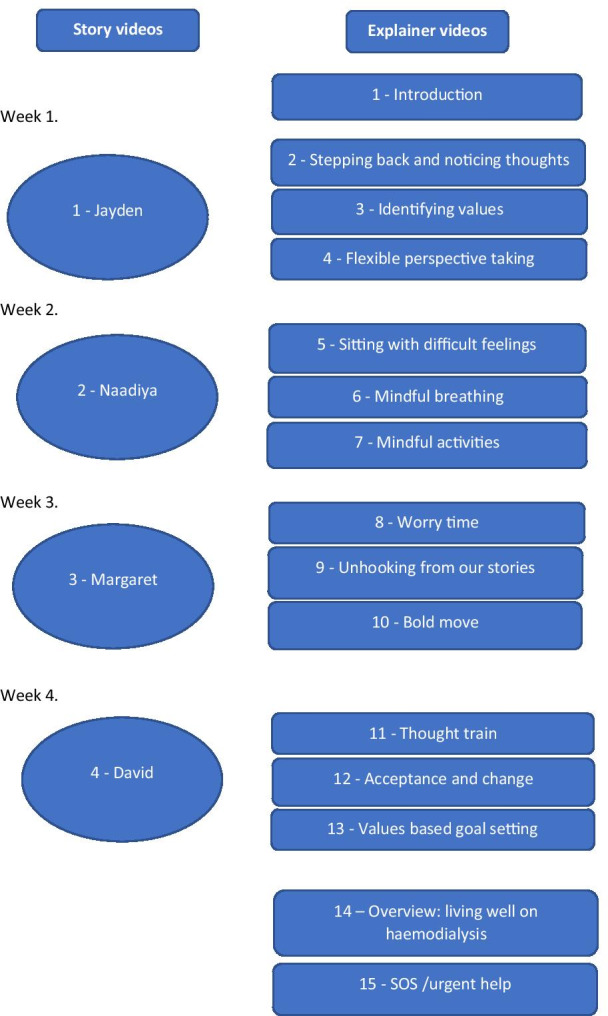
The analysis of patient feedback supported the use of patient stories but suggested they should be presented by video and narrated by real dialysis patients. They also indicated specific adaptations to make the stories more credible and realistic. Participant feedback was translated into proposals for change that were considered along with clinical, ethical and theoretical factors. The outcome was a design for a video-based intervention that separated the stories about individuals from the explanations of the specific ACT techniques and provided greater structure, with material organised into smaller chunks. This intervention is adapted specifically for people receiving renal dialysis while retaining the distinctive theoretical principles of ACT.
The study shows the value of consulting patients in the development of intervention materials and illustrates a process for integrating patient feedback with theoretical, clinical and practical considerations in intervention design.
基于理论的干预材料必须经过精心改编,以满足具有特定身体状况的用户的需求。接受和承诺疗法(ACT)已成功应用于癌症、慢性疼痛、糖尿病、肠易激综合征、多发性硬化症以及其他一系列疾病,但尚未应用于接受肾透析的人群。本文介绍了一项专门针对肾透析患者改编基于 ACT 的干预材料的研究结果。
使用系统的患者咨询过程改编了由四个描述虚构个体使用与 ACT 相关技术来帮助克服与透析相关的不同挑战和困难的故事组成的草案书面材料。参与者为 18 名年龄在 19-80 岁之间、患有慢性肾病并接受肾透析的患者。采用个体半结构化访谈的方式,了解参与者对如何改编草案材料使其更符合接受肾透析人群的实际情况和相关性的看法,以及如何向接受肾透析的人群呈现和传递材料的看法。采用 Delphi 方法的定性改编对访谈记录进行了分析,该方法将主题用作将反馈转化为修改建议的框架。
对患者反馈的分析支持使用患者故事,但建议通过视频呈现,并由真实的透析患者讲述。他们还指出了使故事更可信和更现实的具体改编。参与者的反馈被转化为变更提案,这些提案与临床、伦理和理论因素一起进行了审议。结果是设计了一个基于视频的干预措施,将个人故事与特定的 ACT 技术解释分开,并提供了更大的结构,将材料组织成更小的块。这种干预措施专门针对接受肾透析的人群,同时保留了 ACT 的独特理论原则。
该研究表明在干预材料的开发中咨询患者的价值,并说明了将患者反馈与理论、临床和实践考虑因素相结合的干预设计过程。