Department of Parasitology, Institute of Biological Sciences, Universidade Federal de Minas Gerais, Belo Horizonte, Brazil.
Centro de Ciências Biológicas e da Saúde, Universidade Federal de Sergipe, Aracajú, Brazil.
PLoS Pathog. 2021 Nov 16;17(11):e1010067. doi: 10.1371/journal.ppat.1010067. eCollection 2021 Nov.
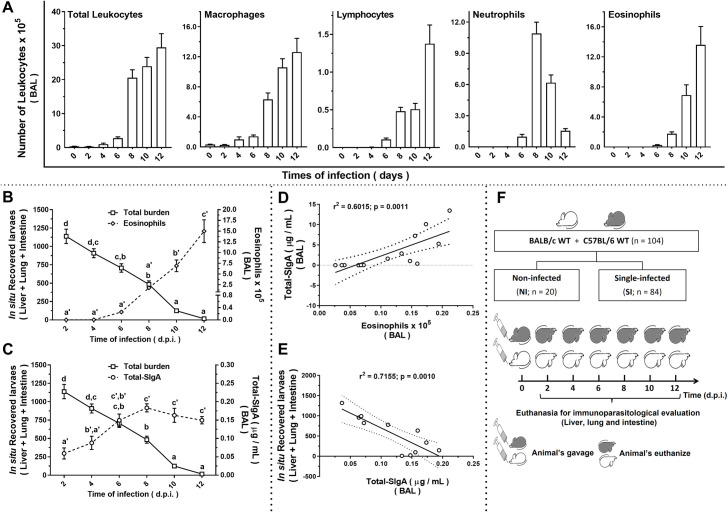
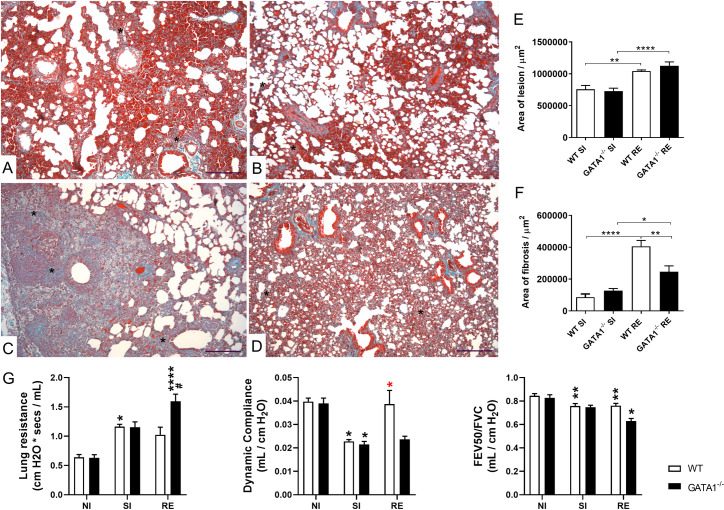
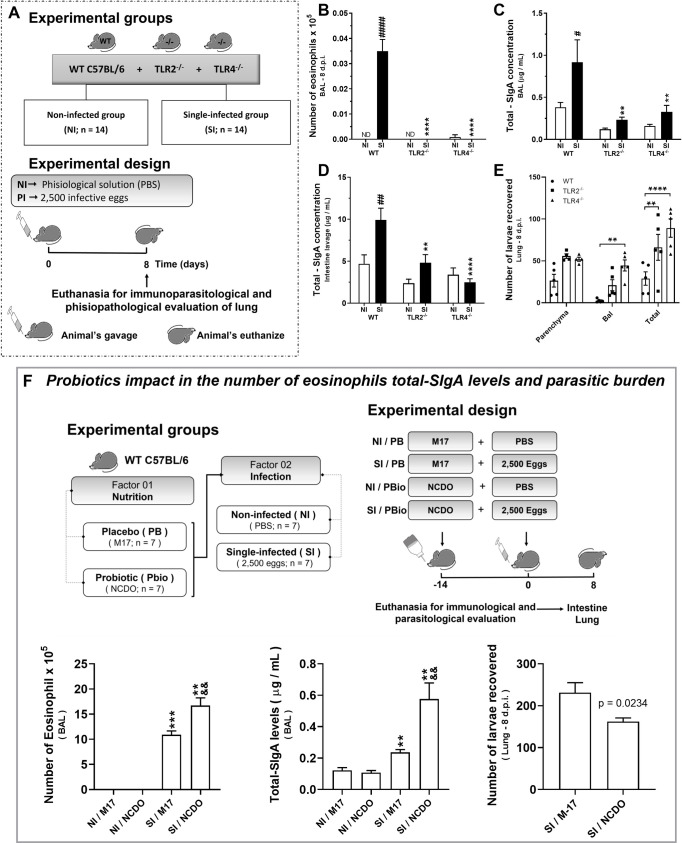
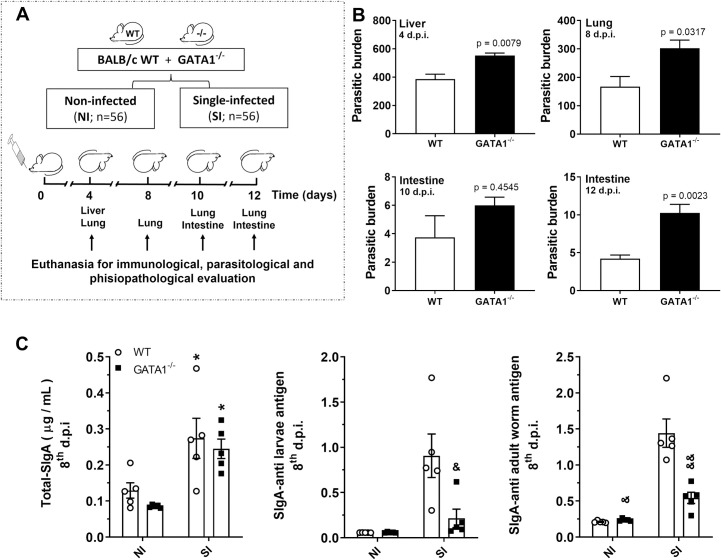
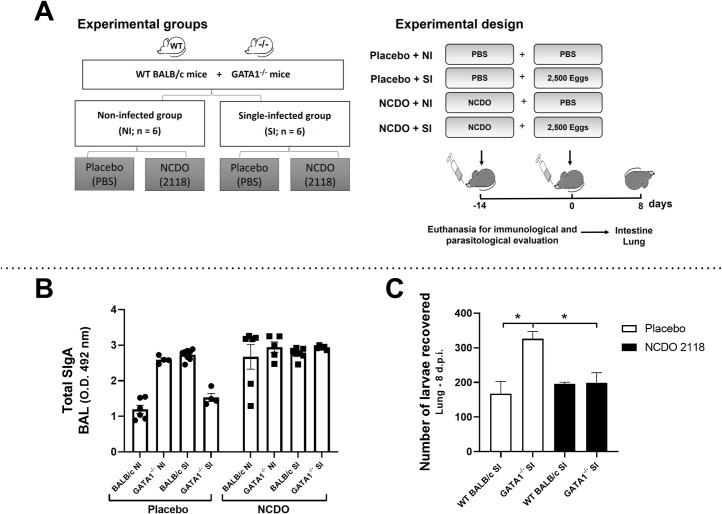
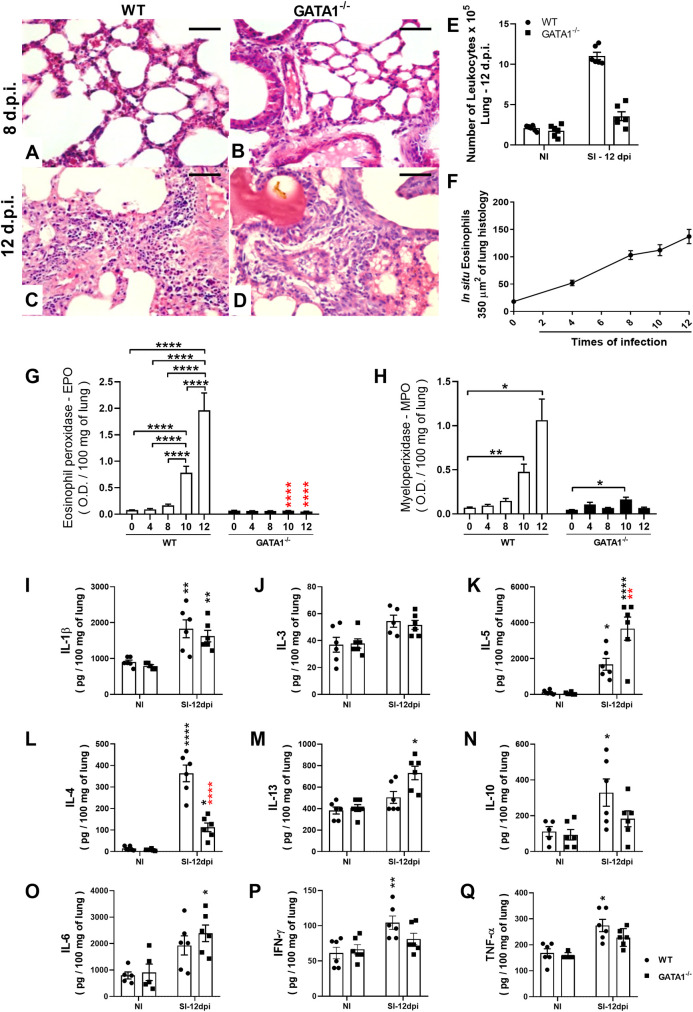
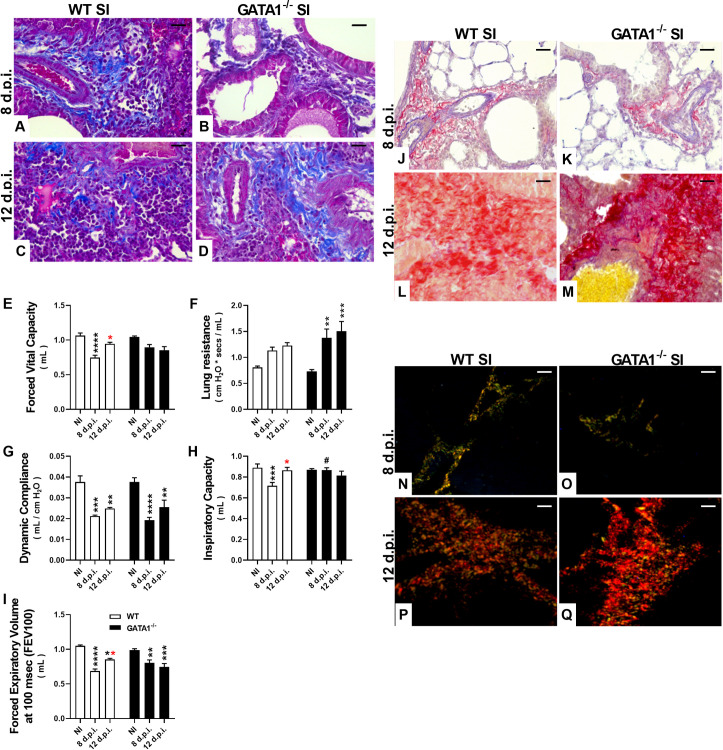
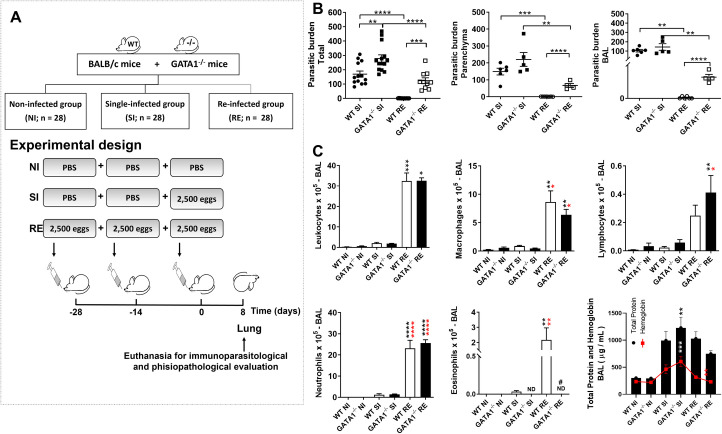
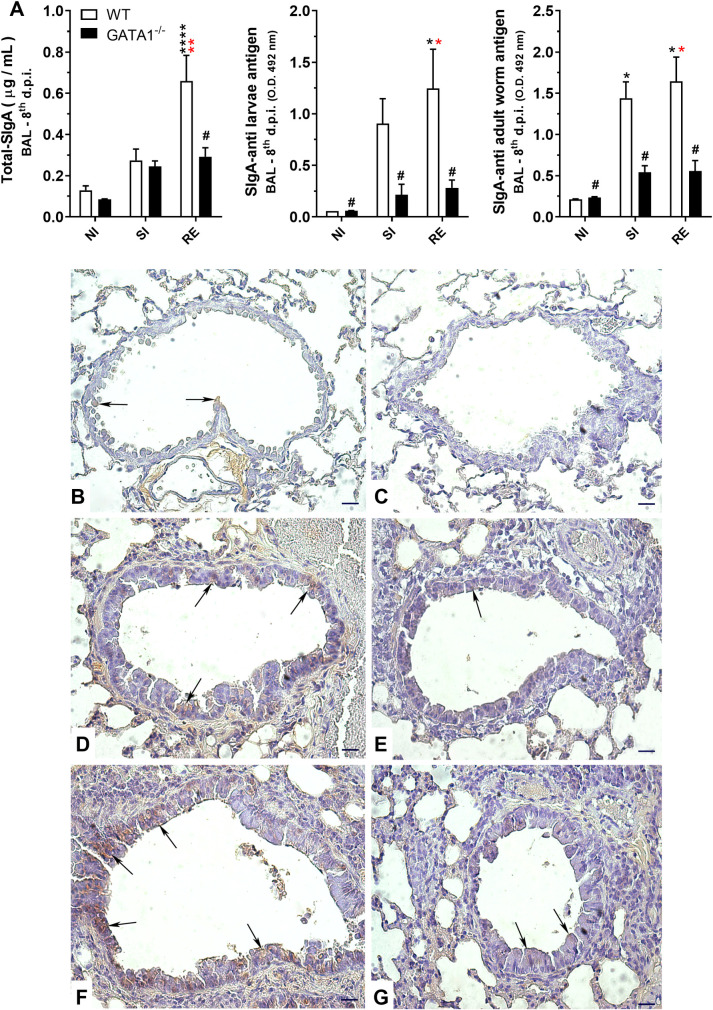
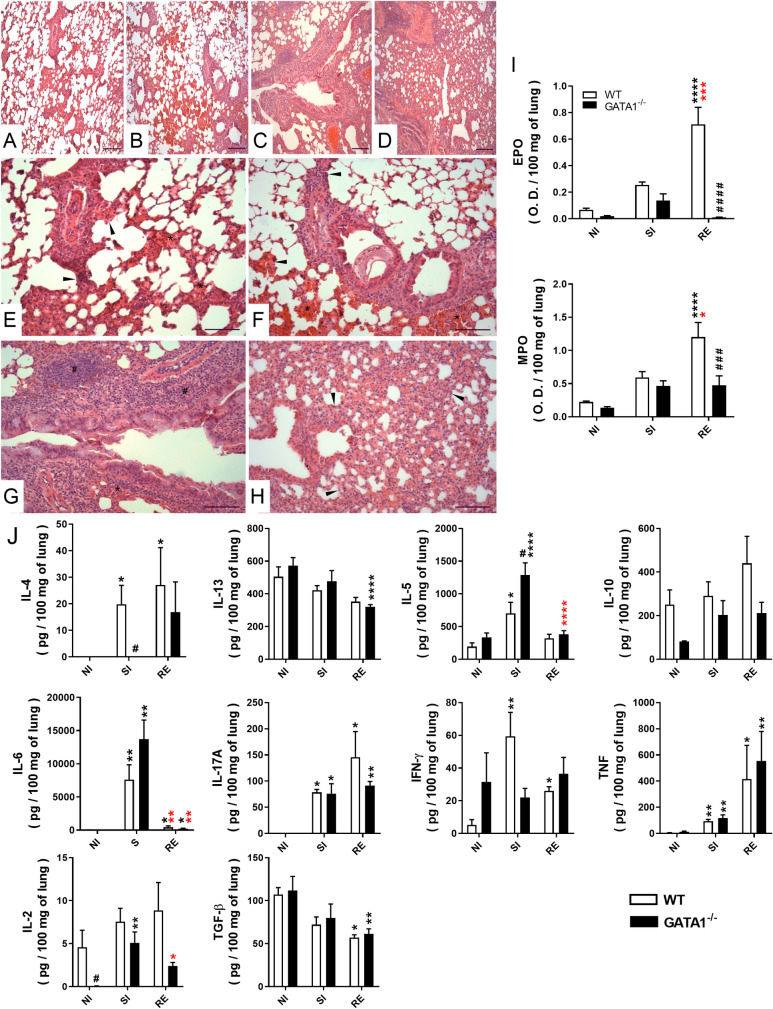
Human ascariasis is the most prevalent but neglected tropical disease in the world, affecting approximately 450 million people. The initial phase of Ascaris infection is marked by larval migration from the host's organs, causing mechanical injuries followed by an intense local inflammatory response, which is characterized mainly by neutrophil and eosinophil infiltration, especially in the lungs. During the pulmonary phase, the lesions induced by larval migration and excessive immune responses contribute to tissue remodeling marked by fibrosis and lung dysfunction. In this study, we investigated the relationship between SIgA levels and eosinophils. We found that TLR2 and TLR4 signaling induces eosinophils and promotes SIgA production during Ascaris suum infection. Therefore, control of parasite burden during the pulmonary phase of ascariasis involves eosinophil influx and subsequent promotion of SIgA levels. In addition, we also demonstrate that eosinophils also participate in the process of tissue remodeling after lung injury caused by larval migration, contributing to pulmonary fibrosis and dysfunction in re-infected mice. In conclusion, we postulate that eosinophils play a central role in mediating host innate and humoral immune responses by controlling parasite burden, tissue inflammation, and remodeling during Ascaris suum infection. Furthermore, we suggest that the use of probiotics can induce eosinophilia and SIgA production and contribute to controlling parasite burden and morbidity of helminthic diseases with pulmonary cycles.
人蛔虫病是世界上最普遍但被忽视的热带病,影响约 4.5 亿人。蛔虫感染的初始阶段是幼虫从宿主器官迁移,引起机械损伤,随后是强烈的局部炎症反应,主要特征是中性粒细胞和嗜酸性粒细胞浸润,特别是在肺部。在肺部阶段,幼虫迁移和过度免疫反应引起的病变导致组织重塑,表现为纤维化和肺功能障碍。在这项研究中,我们研究了 SIgA 水平和嗜酸性粒细胞之间的关系。我们发现 TLR2 和 TLR4 信号诱导嗜酸性粒细胞,并在猪蛔虫感染期间促进 SIgA 的产生。因此,在蛔虫病的肺部阶段控制寄生虫负担涉及嗜酸性粒细胞的流入和随后 SIgA 水平的促进。此外,我们还证明嗜酸性粒细胞也参与幼虫迁移引起的肺损伤后的组织重塑过程,导致再感染小鼠的肺纤维化和功能障碍。总之,我们假设嗜酸性粒细胞通过控制寄生虫负担、组织炎症和重塑,在介导宿主先天和体液免疫反应中发挥核心作用。此外,我们建议使用益生菌可以诱导嗜酸性粒细胞增多和 SIgA 产生,并有助于控制具有肺部周期的寄生虫病的寄生虫负担和发病率。