Department of Microbiology & Immunology, W. R. Hearst Microbiology Research Center, Weill Cornell Medicine, New York, NY, USA.
Department of Population Health Sciences, Weill Cornell Medicine, New York, NY, USA.
Commun Biol. 2021 Nov 19;4(1):1315. doi: 10.1038/s42003-021-02821-8.
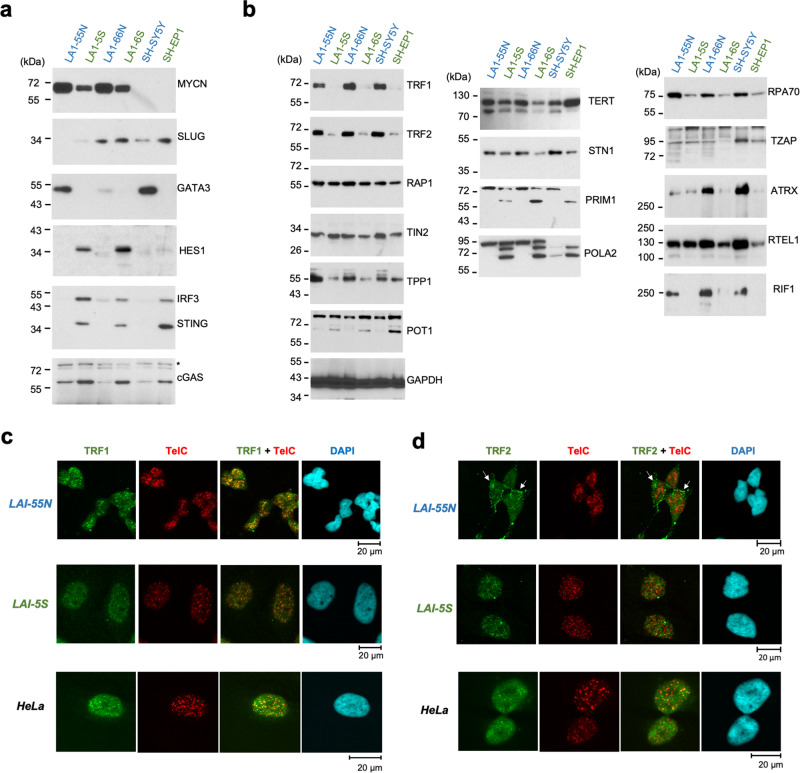
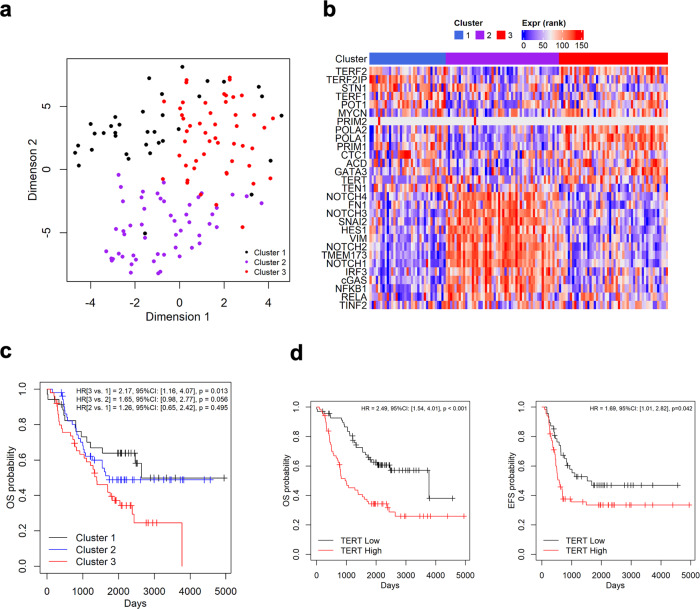
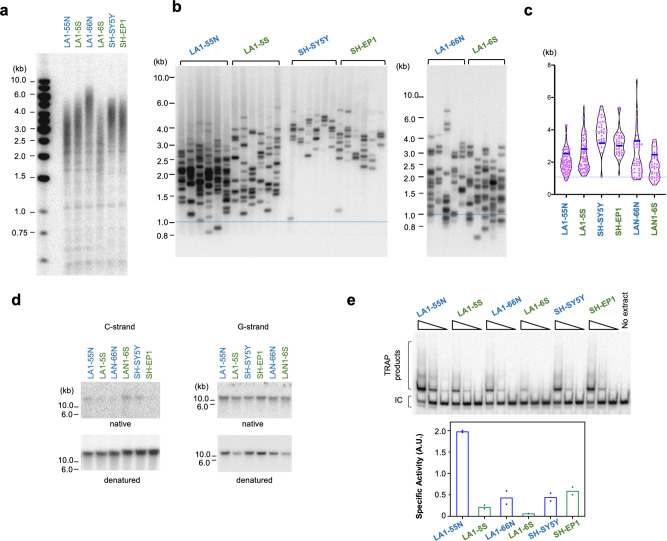
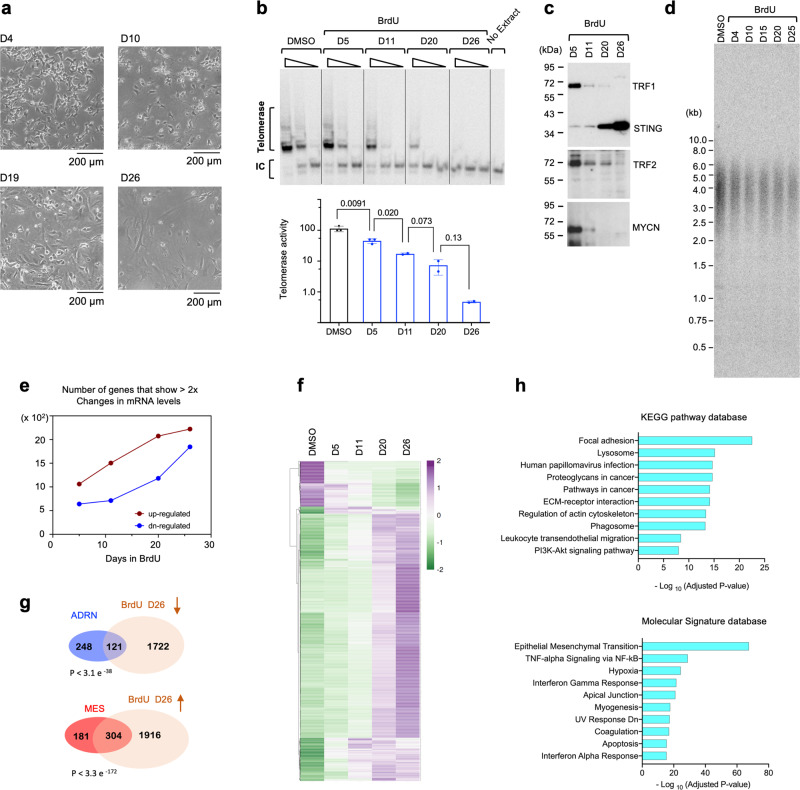
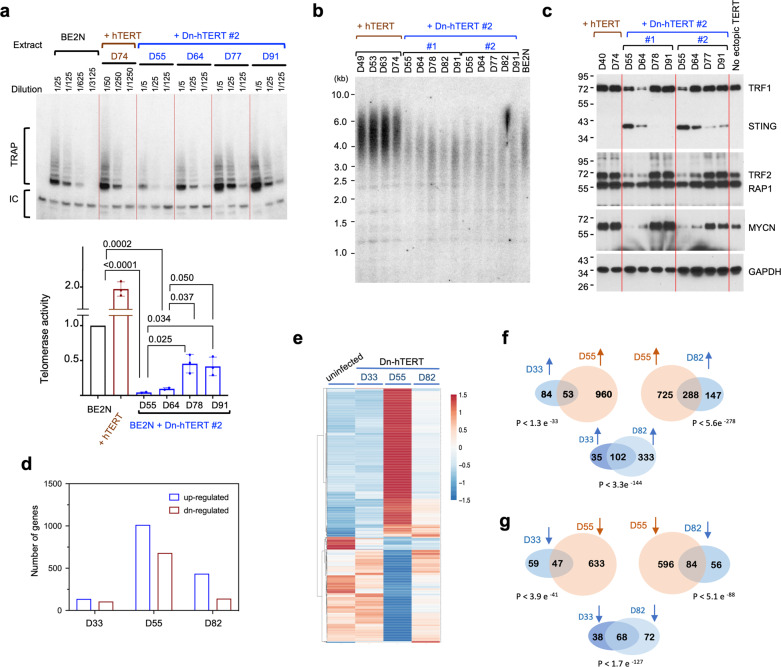
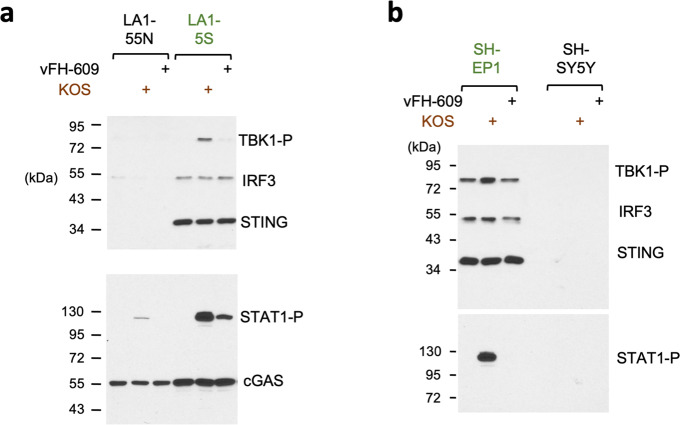
Telomere maintenance and tumor cell differentiation have been separately implicated in neuroblastoma malignancy. Their mechanistic connection is unclear. We analyzed neuroblastoma cell lines and morphologic subclones representing the adrenergic (ADRN) and mesenchymal (MES) differentiation states and uncovered sharp differences in their telomere protein and telomerase activity levels. Pharmacologic conversion of ADRN into MES cells elicited consistent and robust changes in the expression of telomere-related proteins. Conversely, stringent down-regulation of telomerase activity triggers the differentiation of ADRN into MES cells, which was reversible upon telomerase up-regulation. Interestingly, the MES differentiation state is associated with elevated levels of innate immunity factors, including key components of the DNA-sensing pathway. Accordingly, MES but not ADRN cells can mount a robust response to viral infections in vitro. A gene expression signature based on telomere and cell lineage-related factors can cluster neuroblastoma tumor samples into predominantly ADRN or MES-like groups, with distinct clinical outcomes. Our findings establish a strong mechanistic connection between telomere and differentiation and suggest that manipulating telomeres may suppress malignancy not only by limiting the tumor growth potential but also by inducing tumor cell differentiation and altering its immunogenicity.
端粒维持和肿瘤细胞分化分别与神经母细胞瘤的恶性程度有关。它们之间的机制联系尚不清楚。我们分析了神经母细胞瘤细胞系和代表肾上腺素能 (ADRN) 和间充质 (MES) 分化状态的形态亚克隆,发现它们的端粒蛋白和端粒酶活性水平存在明显差异。ADRN 向 MES 细胞的药理转化引起了与端粒相关蛋白表达的一致和强烈变化。相反,严格下调端粒酶活性会触发 ADRN 向 MES 细胞的分化,而端粒酶上调可使其逆转。有趣的是,MES 分化状态与先天免疫因子水平升高有关,包括 DNA 感应途径的关键组成部分。因此,MES 而非 ADRN 细胞可以在体外对病毒感染产生强烈反应。基于端粒和细胞谱系相关因素的基因表达特征可以将神经母细胞瘤肿瘤样本聚类为主要 ADRN 或 MES 样组,具有不同的临床结局。我们的发现确立了端粒与分化之间的紧密机制联系,并表明通过限制肿瘤生长潜力以及诱导肿瘤细胞分化和改变其免疫原性来操纵端粒可能不仅可以抑制恶性程度。