Wang Yanli, Huang Guohao, Jiang Tian, Han Xinwei
Department of Interventional Radiology, The First Affiliated Hospital of Zhengzhou University, Zhengzhou, Henan, 450052, China.
Department of Radiology, Henan Provincial People's Hospital, Department of Radiology of Central China Fuwai Hospital, Central China Fuwai Hospital of Zhengzhou University, Zhengzhou, Henan, 450003, China.
J Interv Med. 2019 Sep 14;2(3):113-117. doi: 10.1016/j.jimed.2019.09.010. eCollection 2019 Aug.
This study aimed to investigate the clinical effects of abdominal aortic balloon occlusion followed by uterine artery embolization for the treatment of pernicious placenta previa complicated with placenta accreta during cesarean section.
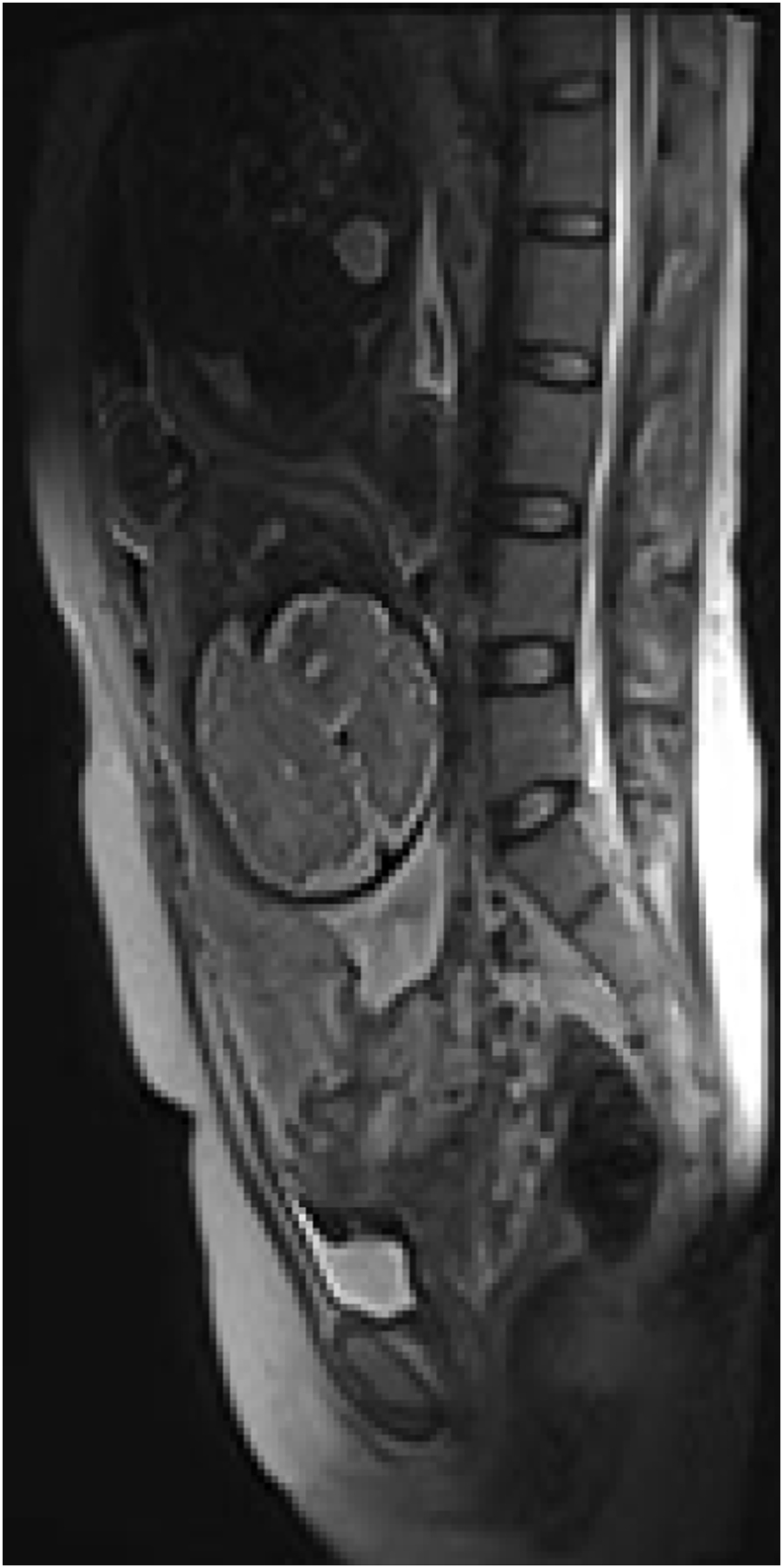
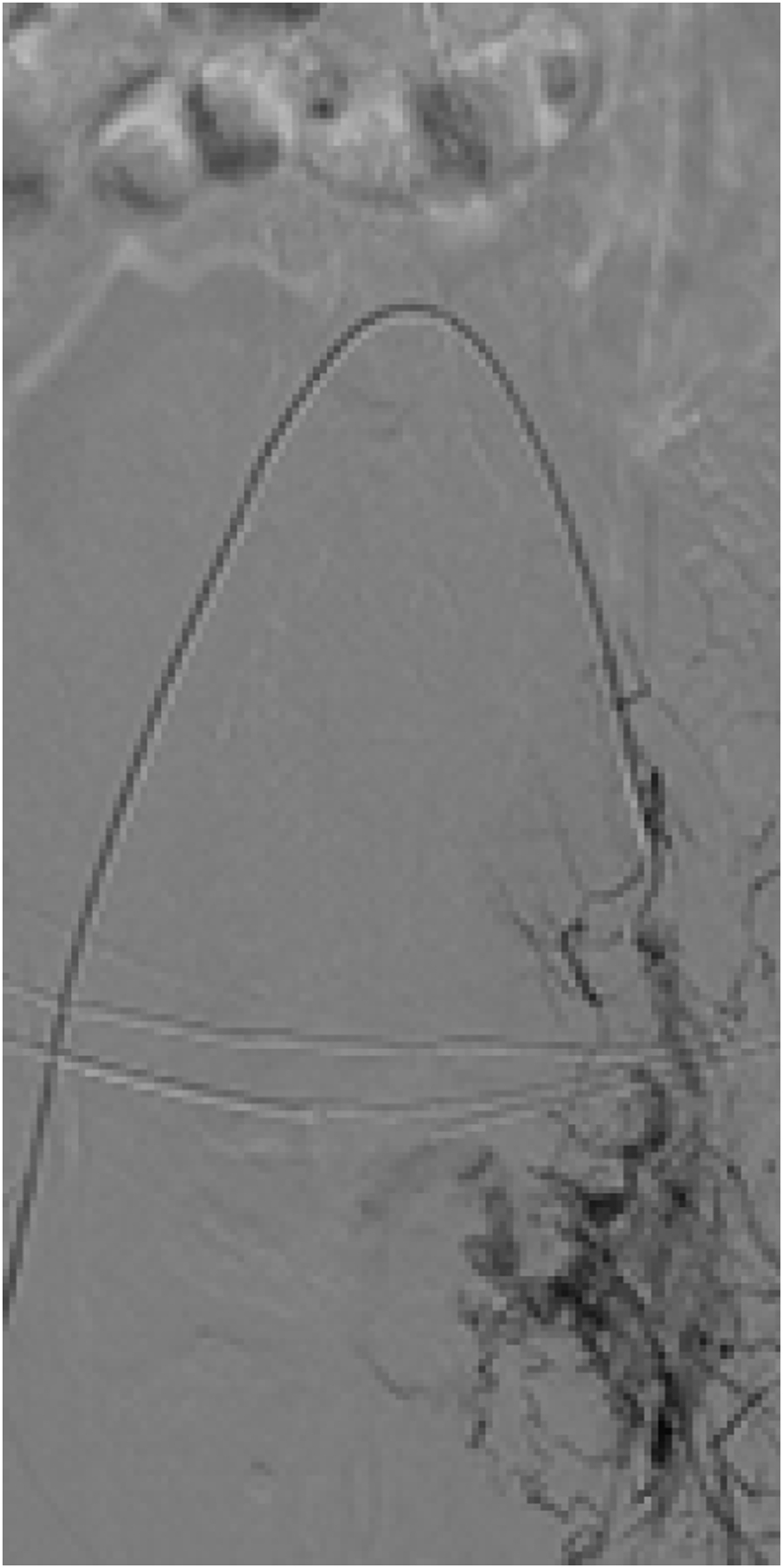
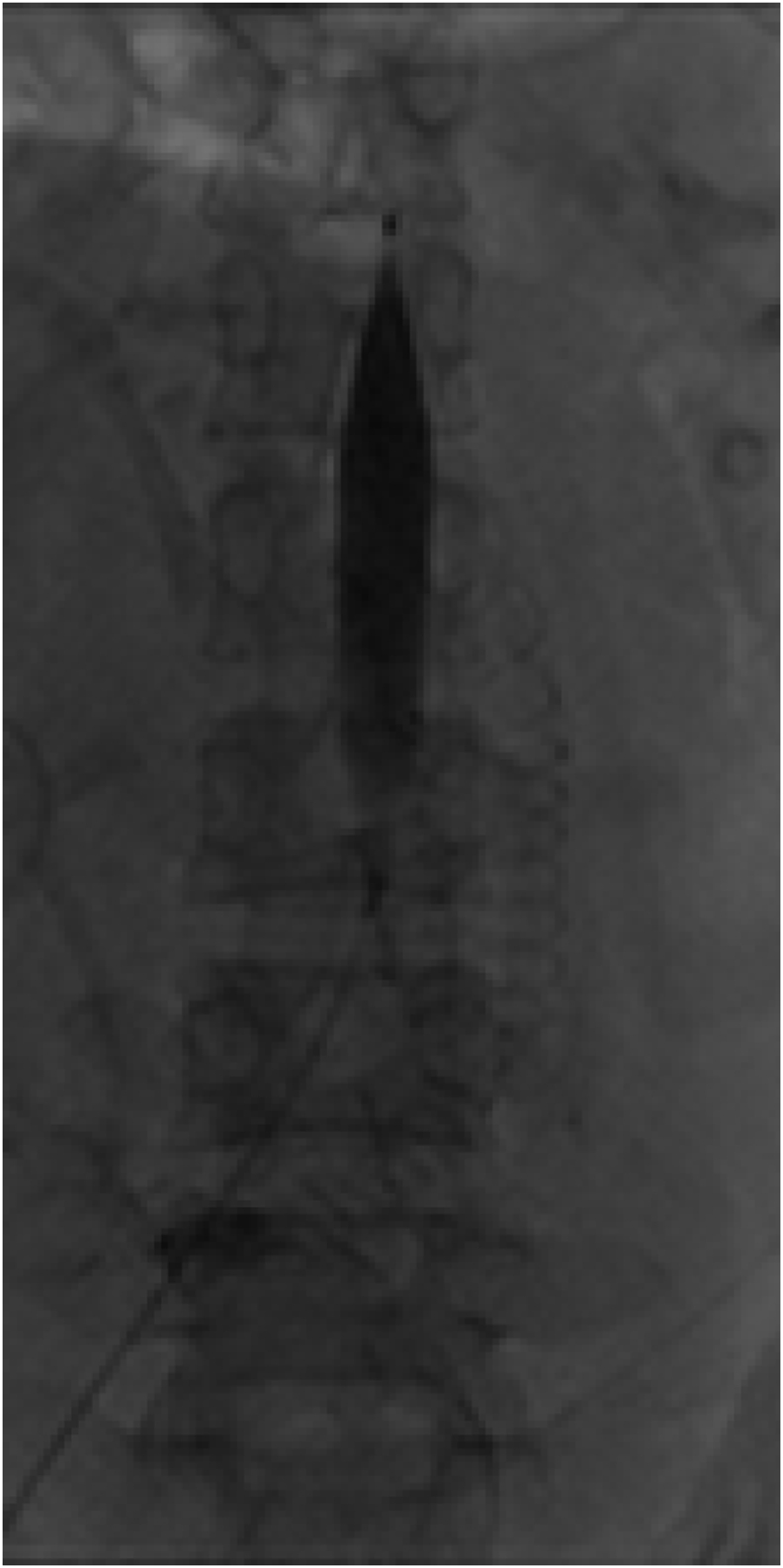
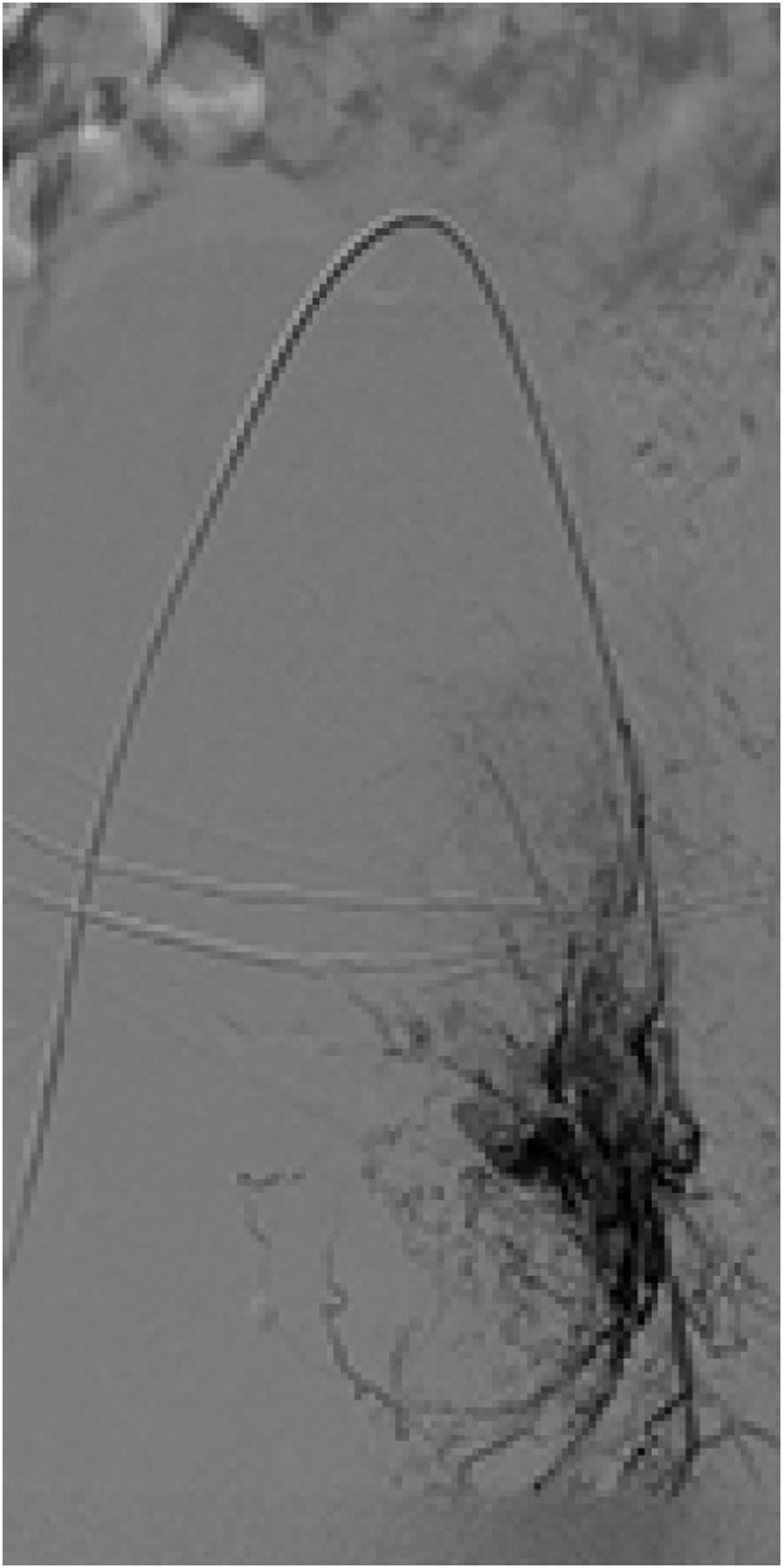
We performed a retrospective analysis of the clinical data for 623 patients who experienced pernicious placenta previa complicated with placenta accreta and received treatment in our hospital from January 2013 to January 2019. All patients underwent abdominal aortic balloon occlusion before their cesarean section. Seventy-eight patients received bilateral uterine artery embolization, and among them, placenta accreta was found at the opening of the cervix in 13 patients. Due to suturing difficulty after the removal of the placenta, gauze packing was used to temporarily compress the hemorrhage. As soon as the uterus was sutured, emergent bilateral uterine artery embolization was performed. Active bleeding was noted in the remaining 65 patients when the lower part of the uterus was pressed after the placenta was removed and the uterus was sutured, therefor, bilateral uterine artery embolization was performed urgently.
Of the 623 patients, 545 patients underwent only abdominal aortic balloon occlusion and 78 patients underwent additional emergent bilateral uterine artery embolization due to hemorrhaging during or after their cesarean section. No hysterectomies were performed. In the 78 patients, the amount of bleeding was 800-3,200 ml with an average of 1,650 ml during the operation; the volume of blood transfused was 360-1,750 ml (average: 960 ml). The fetal fluoroscopy time was 3-8 s (average: 5 s). The dose of radiation exposure was (4.2 ± 2.9) mGy. Fetal appearance, pulse, grimace, activity, and respiration (Apgar) score were normal. No serious complications were observed during or after the operation in the follow-up visits. Conclusion: For patients with pernicious placenta previa complicated with placenta accreta who experience active bleeding after cesarean section and abdominal aortic balloon occlusion, bilateral uterine artery embolization can effectively reduce blood loss and requirement of blood transfusion during the operation, and lowers the risk of hysterectomy.
本研究旨在探讨剖宫产术中腹主动脉球囊阻断联合子宫动脉栓塞术治疗凶险性前置胎盘合并胎盘植入的临床效果。
对2013年1月至2019年1月在我院接受治疗的623例凶险性前置胎盘合并胎盘植入患者的临床资料进行回顾性分析。所有患者在剖宫产术前均行腹主动脉球囊阻断术。78例患者接受双侧子宫动脉栓塞术,其中13例患者宫颈开口处发现胎盘植入。因胎盘取出后缝合困难,采用纱布填塞临时压迫止血。子宫缝合后,立即行双侧子宫动脉栓塞术。其余65例患者在胎盘取出及子宫缝合后压迫子宫下段时出现活动性出血,因此紧急行双侧子宫动脉栓塞术。
623例患者中,545例仅行腹主动脉球囊阻断术,78例因剖宫产术中或术后出血而行额外的紧急双侧子宫动脉栓塞术。均未行子宫切除术。78例患者术中出血量为800~3200ml,平均1650ml;输血量为360~1750ml(平均960ml)。胎儿透视时间为3~8s(平均5s)。辐射暴露剂量为(4.2±2.9)mGy。胎儿外观、脉搏、皱眉、活动及呼吸(Apgar)评分均正常。随访期间手术中及术后均未观察到严重并发症。结论:对于剖宫产术及腹主动脉球囊阻断术后出现活动性出血的凶险性前置胎盘合并胎盘植入患者,双侧子宫动脉栓塞术可有效减少术中出血量及输血量,并降低子宫切除风险。