• 文献检索
  • 文档翻译
  • 深度研究
  • 学术资讯
  • Suppr Zotero 插件Zotero 插件
  • 邀请有礼
  • 套餐&价格
  • 历史记录
应用&插件
Suppr Zotero 插件Zotero 插件浏览器插件Mac 客户端Windows 客户端微信小程序
定价
高级版会员购买积分包购买API积分包
服务
文献检索文档翻译深度研究API 文档MCP 服务
关于我们
关于 Suppr公司介绍联系我们用户协议隐私条款
关注我们

Suppr 超能文献

核心技术专利:CN118964589B侵权必究
粤ICP备2023148730 号-1Suppr @ 2026

文献检索

告别复杂PubMed语法,用中文像聊天一样搜索,搜遍4000万医学文献。AI智能推荐,让科研检索更轻松。

立即免费搜索

文件翻译

保留排版,准确专业,支持PDF/Word/PPT等文件格式,支持 12+语言互译。

免费翻译文档

深度研究

AI帮你快速写综述,25分钟生成高质量综述,智能提取关键信息,辅助科研写作。

立即免费体验

代谢酶改变和反应性星形胶质细胞功能障碍在严重反应性神经胶质增生的亚历山大病小鼠模型中。

Metabolic Enzyme Alterations and Astrocyte Dysfunction in a Murine Model of Alexander Disease With Severe Reactive Gliosis.

机构信息

Vulcan Biosciences, Birmingham, Alabama, USA.

University of California at Davis Proteomics Core, Davis, California, USA.

出版信息

Mol Cell Proteomics. 2022 Jan;21(1):100180. doi: 10.1016/j.mcpro.2021.100180. Epub 2021 Nov 20.

DOI:10.1016/j.mcpro.2021.100180
PMID:34808356
原文链接:https://pmc.ncbi.nlm.nih.gov/articles/PMC8717607/
Abstract

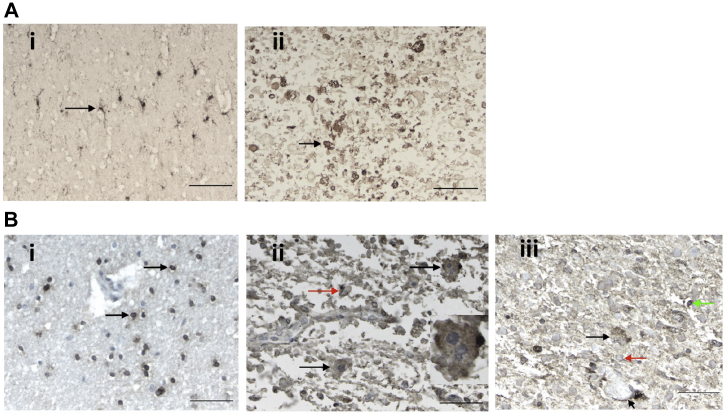
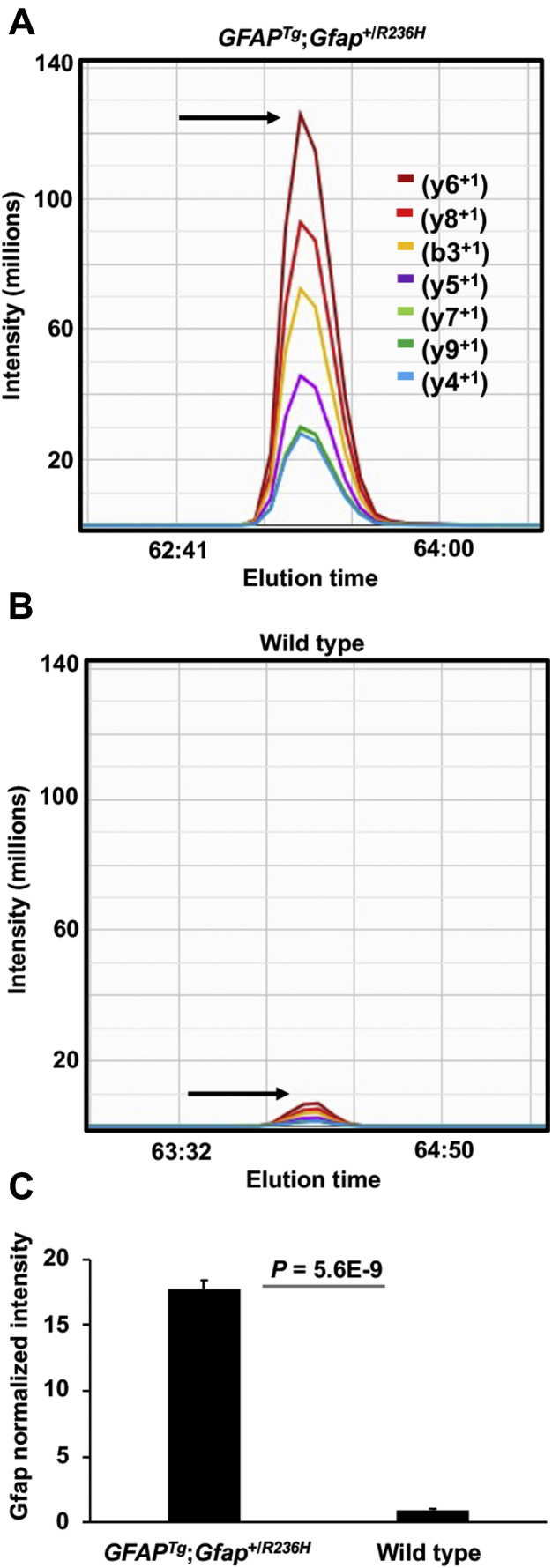
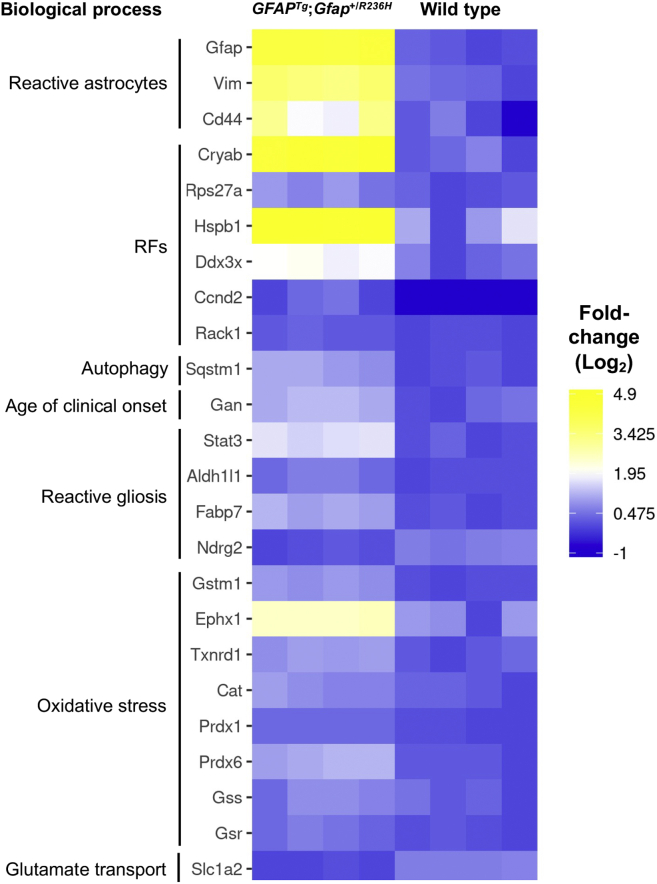
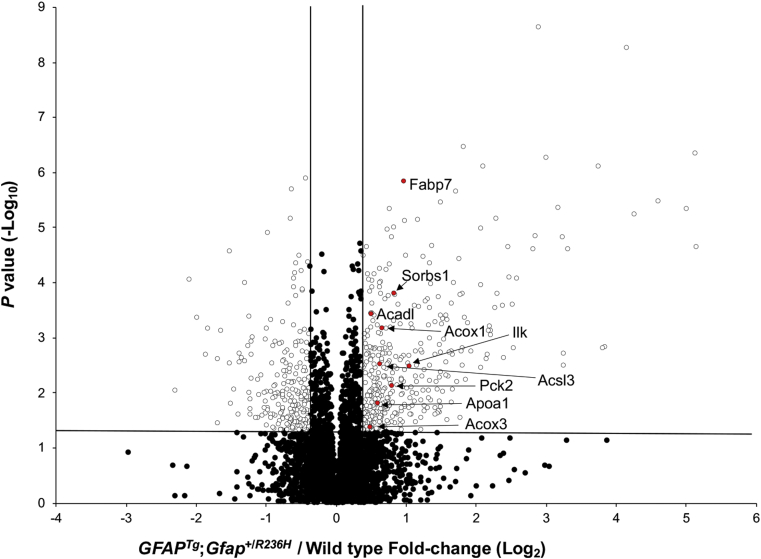
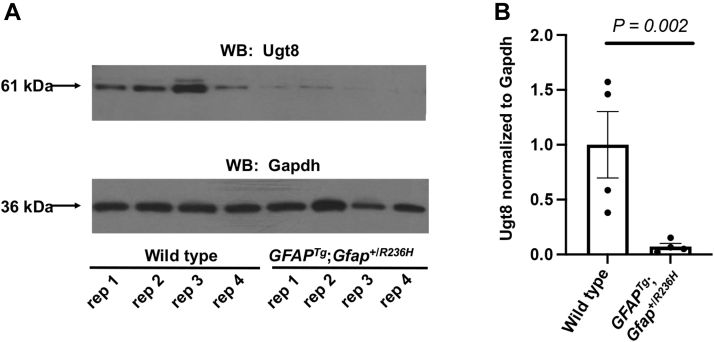
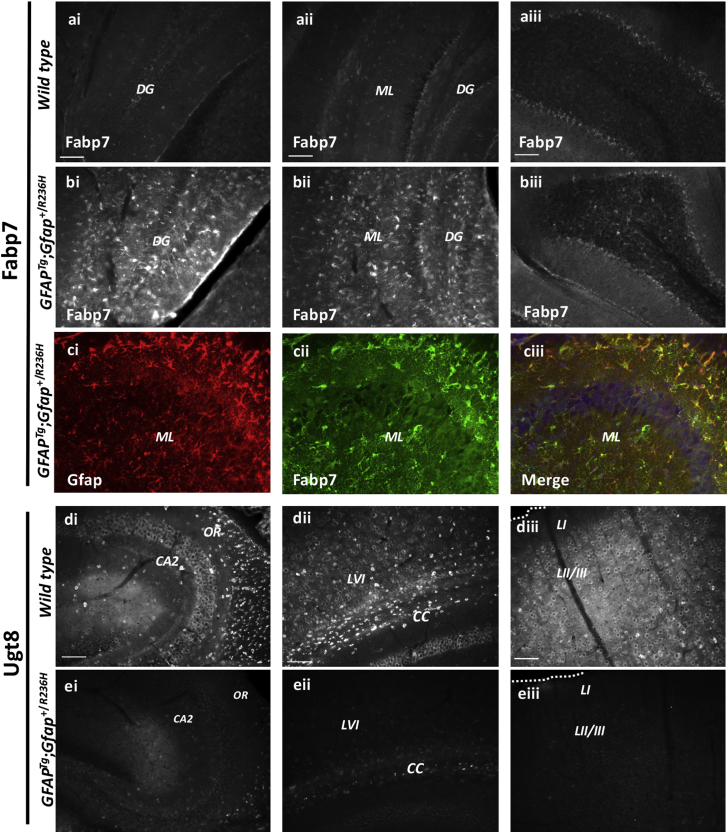
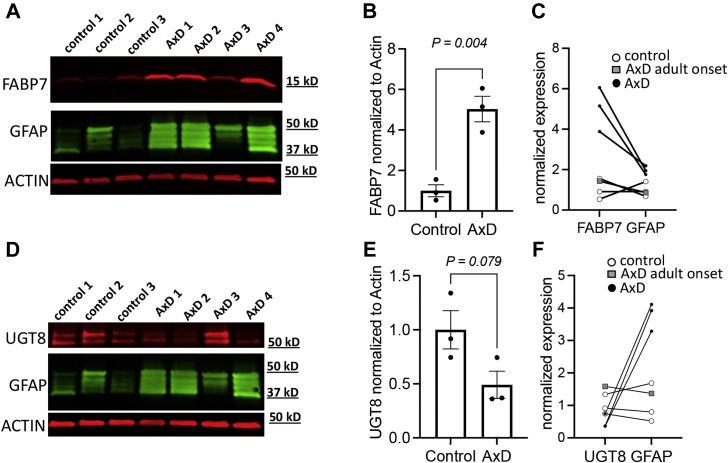
Alexander disease (AxD) is a rare and fatal neurodegenerative disorder caused by mutations in the gene encoding glial fibrillary acidic protein (GFAP). In this report, a mouse model of AxD (GFAP;Gfap) was analyzed that contains a heterozygous R236H point mutation in murine Gfap as well as a transgene with a GFAP promoter to overexpress human GFAP. Using label-free quantitative proteomic comparisons of brain tissue from GFAP;Gfap versus wild-type mice confirmed upregulation of the glutathione metabolism pathway and indicated proteins were elevated in the peroxisome proliferator-activated receptor (PPAR) signaling pathway, which had not been reported previously in AxD. Relative protein-level differences were confirmed by a targeted proteomics assay, including proteins related to astrocytes and oligodendrocytes. Of particular interest was the decreased level of the oligodendrocyte protein, 2-hydroxyacylsphingosine 1-beta-galactosyltransferase (Ugt8), since Ugt8-deficient mice exhibit a phenotype similar to GFAP;Gfap mice (e.g., tremors, ataxia, hind-limb paralysis). In addition, decreased levels of myelin-associated proteins were found in the GFAP;Gfap mice, consistent with the role of Ugt8 in myelin synthesis. Fabp7 upregulation in GFAP;Gfap mice was also selected for further investigation due to its uncharacterized association to AxD, critical function in astrocyte proliferation, and functional ability to inhibit the anti-inflammatory PPAR signaling pathway in models of amyotrophic lateral sclerosis (ALS). Within Gfap astrocytes, Fabp7 was markedly increased in the hippocampus, a brain region subjected to extensive pathology and chronic reactive gliosis in GFAP;Gfap mice. Last, to determine whether the findings in GFAP;Gfap mice are present in the human condition, AxD patient and control samples were analyzed by Western blot, which indicated that Type I AxD patients have a significant fourfold upregulation of FABP7. However, immunohistochemistry analysis showed that UGT8 accumulates in AxD patient subpial brain regions where abundant amounts of Rosenthal fibers are located, which was not observed in the GFAP;Gfap mice.

摘要

亚历山大病(AxD)是一种罕见且致命的神经退行性疾病,由编码神经胶质纤维酸性蛋白(GFAP)的基因突变引起。在本报告中,分析了一种 AxD 的小鼠模型(GFAP; Gfap),该模型在小鼠 Gfap 中含有杂合 R236H 点突变,以及一个带有 GFAP 启动子的转基因,以过表达人 GFAP。使用来自 GFAP; Gfap 与野生型小鼠的脑组织的无标记定量蛋白质组学比较证实了谷胱甘肽代谢途径的上调,并表明蛋白质在过氧化物酶体增殖物激活受体(PPAR)信号通路中升高,这在以前的 AxD 中尚未报道过。通过靶向蛋白质组学测定法证实了相对蛋白质水平的差异,包括与星形胶质细胞和少突胶质细胞相关的蛋白质。特别有趣的是少突胶质细胞蛋白 2-羟基酰基鞘氨醇 1-β-半乳糖基转移酶(Ugt8)的水平降低,因为 Ugt8 缺陷型小鼠表现出与 GFAP; Gfap 小鼠相似的表型(例如,震颤,共济失调,后肢瘫痪)。此外,在 GFAP; Gfap 小鼠中发现髓鞘相关蛋白水平降低,这与 Ugt8 在髓鞘合成中的作用一致。由于 Fabp7 在星形胶质细胞增殖中的重要作用及其在肌萎缩侧索硬化症(ALS)模型中抑制抗炎性 PPAR 信号通路的功能能力,GFAP; Gfap 小鼠中 Fabp7 的上调也被选择进行进一步研究。在 Gfap 星形胶质细胞中,Fabp7 在海马体中显著增加,海马体是 GFAP; Gfap 小鼠中广泛发生病理学和慢性反应性神经胶质增生的脑区。最后,为了确定 GFAP; Gfap 小鼠中的发现是否存在于人类疾病中,通过 Western blot 分析了 AxD 患者和对照样本,这表明 I 型 AxD 患者的 FABP7 显著上调了四倍。但是,免疫组织化学分析表明,UGT8 在 AxD 患者软脑膜脑区积聚,在那里大量存在 Rosenthal 纤维,而在 GFAP; Gfap 小鼠中未观察到。
https://cdn.ncbi.nlm.nih.gov/pmc/blobs/8dd3/8717607/2b32b78f937f/gr7.jpg
https://cdn.ncbi.nlm.nih.gov/pmc/blobs/8dd3/8717607/93eaba68d9a2/fx1.jpg
https://cdn.ncbi.nlm.nih.gov/pmc/blobs/8dd3/8717607/bd65487cda65/gr1.jpg
https://cdn.ncbi.nlm.nih.gov/pmc/blobs/8dd3/8717607/712176001d71/gr2.jpg
https://cdn.ncbi.nlm.nih.gov/pmc/blobs/8dd3/8717607/b902e507afc1/gr3.jpg
https://cdn.ncbi.nlm.nih.gov/pmc/blobs/8dd3/8717607/83bb0cba2ae9/gr4.jpg
https://cdn.ncbi.nlm.nih.gov/pmc/blobs/8dd3/8717607/f974227e0157/gr5.jpg
https://cdn.ncbi.nlm.nih.gov/pmc/blobs/8dd3/8717607/e3dbd7d3e9c1/gr6.jpg
https://cdn.ncbi.nlm.nih.gov/pmc/blobs/8dd3/8717607/2b32b78f937f/gr7.jpg
https://cdn.ncbi.nlm.nih.gov/pmc/blobs/8dd3/8717607/93eaba68d9a2/fx1.jpg
https://cdn.ncbi.nlm.nih.gov/pmc/blobs/8dd3/8717607/bd65487cda65/gr1.jpg
https://cdn.ncbi.nlm.nih.gov/pmc/blobs/8dd3/8717607/712176001d71/gr2.jpg
https://cdn.ncbi.nlm.nih.gov/pmc/blobs/8dd3/8717607/b902e507afc1/gr3.jpg
https://cdn.ncbi.nlm.nih.gov/pmc/blobs/8dd3/8717607/83bb0cba2ae9/gr4.jpg
https://cdn.ncbi.nlm.nih.gov/pmc/blobs/8dd3/8717607/f974227e0157/gr5.jpg
https://cdn.ncbi.nlm.nih.gov/pmc/blobs/8dd3/8717607/e3dbd7d3e9c1/gr6.jpg
https://cdn.ncbi.nlm.nih.gov/pmc/blobs/8dd3/8717607/2b32b78f937f/gr7.jpg

相似文献

1
Metabolic Enzyme Alterations and Astrocyte Dysfunction in a Murine Model of Alexander Disease With Severe Reactive Gliosis.代谢酶改变和反应性星形胶质细胞功能障碍在严重反应性神经胶质增生的亚历山大病小鼠模型中。
Mol Cell Proteomics. 2022 Jan;21(1):100180. doi: 10.1016/j.mcpro.2021.100180. Epub 2021 Nov 20.
2
Phenotypic conversions of "protoplasmic" to "reactive" astrocytes in Alexander disease.亚历山大病中“原浆型”向“反应型”星形胶质细胞的表型转化。
J Neurosci. 2013 Apr 24;33(17):7439-50. doi: 10.1523/JNEUROSCI.4506-12.2013.
3
Synemin is expressed in reactive astrocytes and Rosenthal fibers in Alexander disease.Synemin 在亚历山大病中的反应性星形胶质细胞和 Rosenthal 纤维中表达。
APMIS. 2014 Jan;122(1):76-80. doi: 10.1111/apm.12088. Epub 2013 Apr 18.
4
Alexander disease-associated glial fibrillary acidic protein mutations in mice induce Rosenthal fiber formation and a white matter stress response.小鼠中与亚历山大病相关的胶质纤维酸性蛋白突变会诱导罗斯enthal纤维形成和白质应激反应。
J Neurosci. 2006 Oct 25;26(43):11162-73. doi: 10.1523/JNEUROSCI.3260-06.2006.
5
Astrocytic TDP-43 pathology in Alexander disease.星形胶质细胞 TDP-43 病理学在亚历山大病中的作用。
J Neurosci. 2014 May 7;34(19):6448-58. doi: 10.1523/JNEUROSCI.0248-14.2014.
6
Glial fibrillary acidic protein exhibits altered turnover kinetics in a mouse model of Alexander disease.在亚历山大病小鼠模型中,胶质纤维酸性蛋白的周转动力学发生改变。
J Biol Chem. 2017 Apr 7;292(14):5814-5824. doi: 10.1074/jbc.M116.772020. Epub 2017 Feb 21.
7
Beneficial effects of Nrf2 overexpression in a mouse model of Alexander disease.Nrf2 过表达对亚历山大病小鼠模型的有益作用。
J Neurosci. 2012 Aug 1;32(31):10507-15. doi: 10.1523/JNEUROSCI.1494-12.2012.
8
STAT3 Drives GFAP Accumulation and Astrocyte Pathology in a Mouse Model of Alexander Disease.STAT3 驱动胶质纤维酸性蛋白(GFAP)在亚历山大病小鼠模型中的积累和星形胶质细胞病变。
Cells. 2023 Mar 23;12(7):978. doi: 10.3390/cells12070978.
9
Suppression of GFAP toxicity by alphaB-crystallin in mouse models of Alexander disease.在亚历山大病小鼠模型中,αB-晶状体蛋白对胶质纤维酸性蛋白毒性的抑制作用。
Hum Mol Genet. 2009 Apr 1;18(7):1190-9. doi: 10.1093/hmg/ddp013. Epub 2009 Jan 7.
10
Aberrant astrocyte Ca signals "AxCa signals" exacerbate pathological alterations in an Alexander disease model.异常星形胶质细胞 Ca 信号(AxCa 信号)加剧了亚历山大病模型中的病理性改变。
Glia. 2018 May;66(5):1053-1067. doi: 10.1002/glia.23300. Epub 2018 Jan 31.

引用本文的文献

1
Retinal Inflammation and Reactive Müller Cells: Neurotrophins' Release and Neuroprotective Strategies.视网膜炎症与反应性米勒细胞:神经营养因子的释放及神经保护策略
Biology (Basel). 2024 Dec 9;13(12):1030. doi: 10.3390/biology13121030.
2
Aberrant neurodevelopment in human iPS cell-derived models of Alexander disease.亚历山大病的人诱导多能干细胞衍生模型中的异常神经发育。
Glia. 2025 Jan;73(1):57-79. doi: 10.1002/glia.24618. Epub 2024 Sep 23.
3
FABP7: a glial integrator of sleep, circadian rhythms, plasticity, and metabolic function.脂肪酸结合蛋白7:睡眠、昼夜节律、可塑性和代谢功能的神经胶质整合因子
Front Syst Neurosci. 2023 Jun 19;17:1212213. doi: 10.3389/fnsys.2023.1212213. eCollection 2023.
4
Human iPSC-Derived Astrocytes: A Powerful Tool to Study Primary Astrocyte Dysfunction in the Pathogenesis of Rare Leukodystrophies.人诱导多能干细胞源性星形胶质细胞:研究罕见白质营养不良发病机制中初级星形胶质细胞功能障碍的有力工具。
Int J Mol Sci. 2021 Dec 27;23(1):274. doi: 10.3390/ijms23010274.