Nash Family Department of Neuroscience, Friedman Brain Institute, Icahn School of Medicine at Mount Sinai, New York, NY, USA.
Department of Biological Sciences, St. Francis College, Brooklyn, NY, USA.
Sci Rep. 2021 Nov 22;11(1):22638. doi: 10.1038/s41598-021-02157-7.
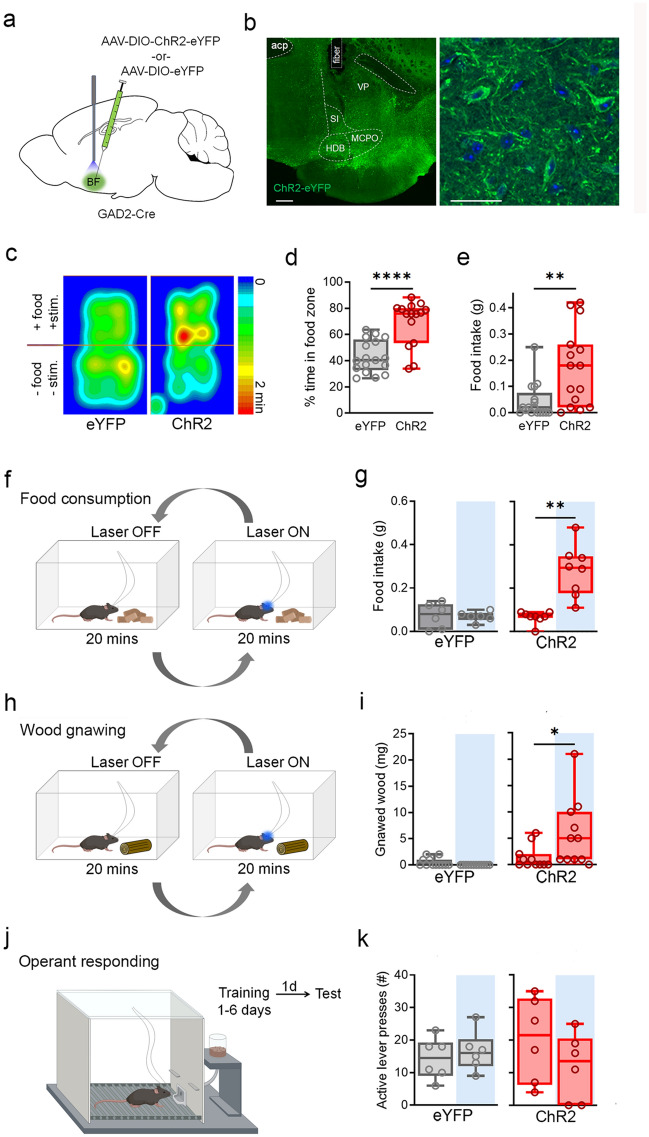
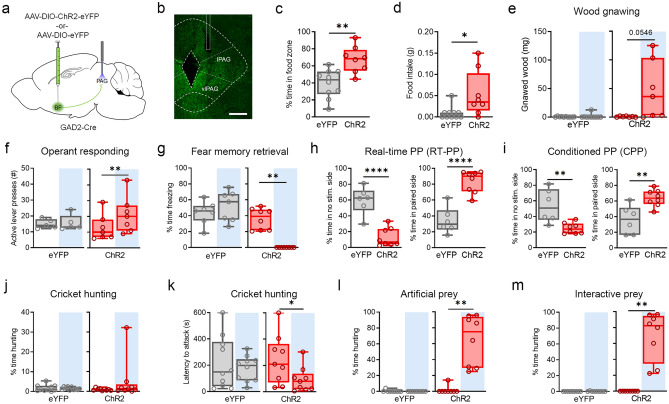
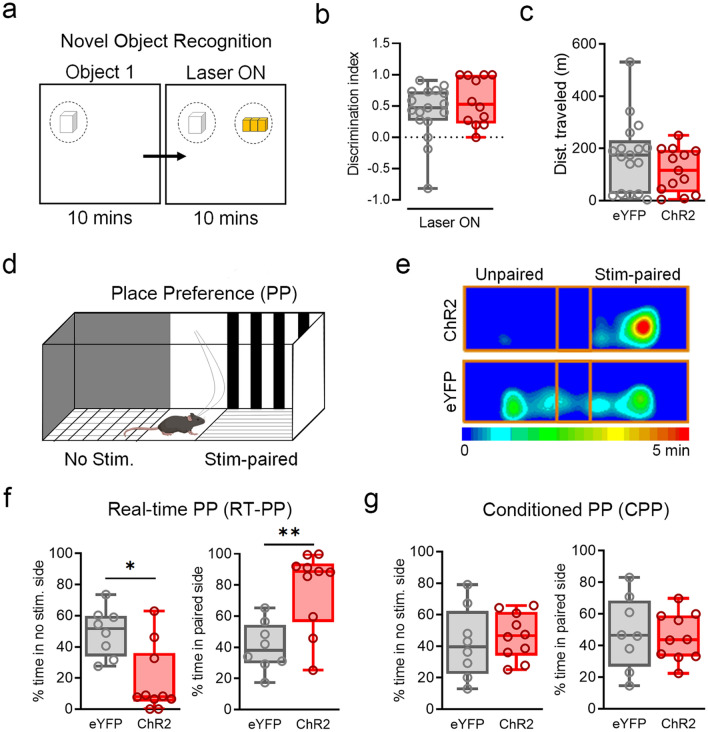
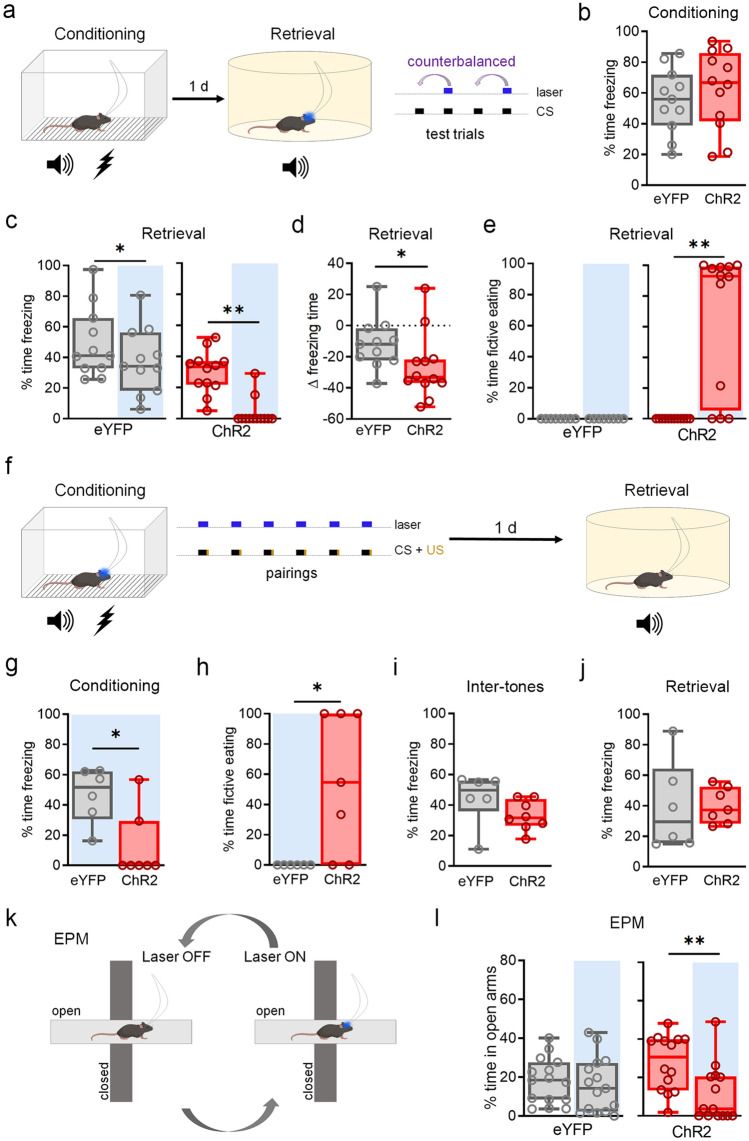
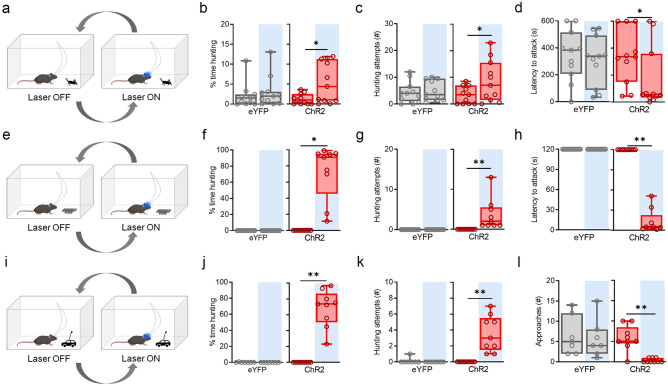
Behaviors central to the procurement and consumption of food are among those most fundamental to survival, but their inappropriate expression can lead to overeating and obesity. Nevertheless, we have a poor understanding of circuits that promote feeding independent of physiological demand. Here we demonstrate that activation of basal forebrain (BF) GABAergic neurons results in consumption of food as well as non-food items in well-fed mice, and performance of fictive eating in the absence of ingestible materials. In addition, stimulation of these cells disrupts defensive threat responses and elicits reward-like motivational effects. Finally, BF GABAergic activity triggers skilled predatory attacks of live prey and prey-like objects, but not social targets. These effects were entirely recapitulated by selective stimulation of BF GABAergic projections to the periaqueductal gray (PAG). Our results outline a potent circuit mechanism for increased feeding through recruitment of distinct but synergistic behaviors, and add to growing evidence that PAG is an important integrator of feeding-related activity.
促进食物获取和消费的行为是生存最基本的行为之一,但它们的不适当表达可能导致暴饮暴食和肥胖。然而,我们对促进进食的回路知之甚少,而这些回路与生理需求无关。在这里,我们证明基底前脑 (BF) GABA 能神经元的激活会导致已吃饱的老鼠进食以及非食物物品,并在没有可摄取材料的情况下进行虚构的进食。此外,刺激这些细胞会破坏防御性威胁反应,并引起类似奖励的动机效应。最后,BF GABA 能活动引发对活体猎物和类似猎物物体的熟练捕食攻击,但不会引发对社交目标的攻击。通过选择性刺激 BF GABA 能投射到导水管周围灰质 (PAG) 的投射,完全再现了这些效应。我们的研究结果概述了通过招募不同但协同的行为来增加进食的有效回路机制,并为越来越多的证据表明 PAG 是与进食相关活动的重要整合者提供了补充。