Department of Biomedical Engineering, University of Virginia, Charlottesville, VA.
Department of Radiology & Medical Imaging, University of Virginia, Charlottesville, VA.
Theranostics. 2021 Oct 11;11(20):9847-9858. doi: 10.7150/thno.65064. eCollection 2021.
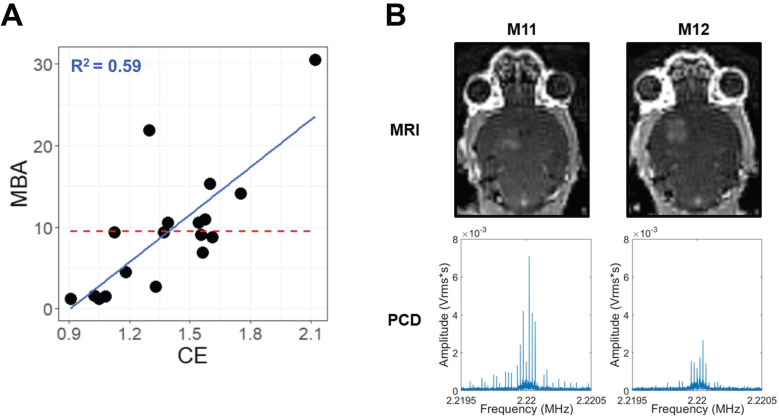
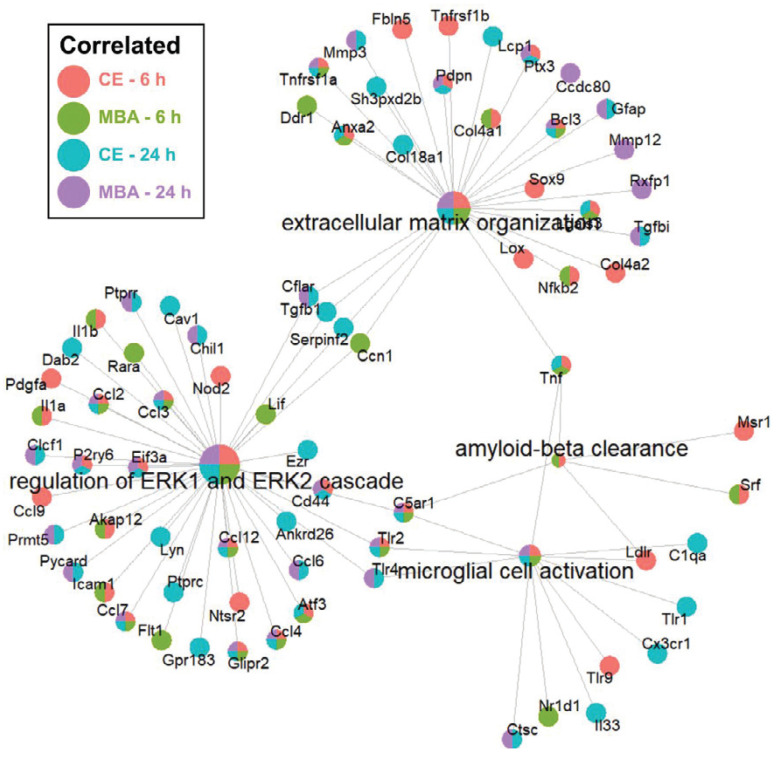
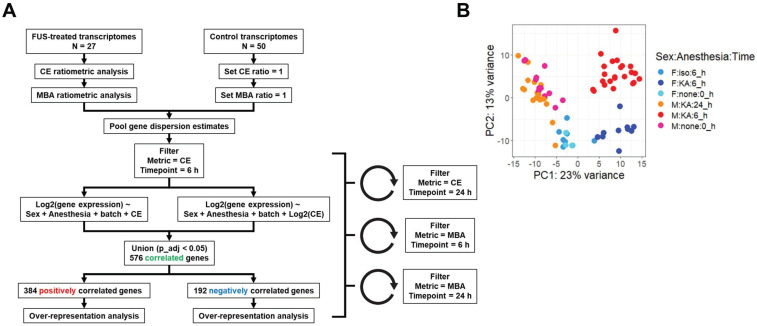
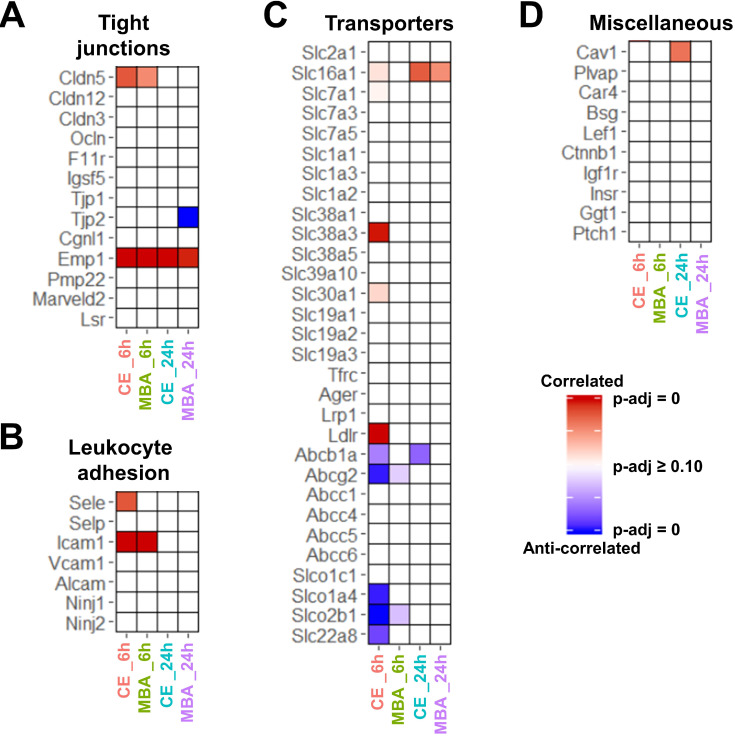
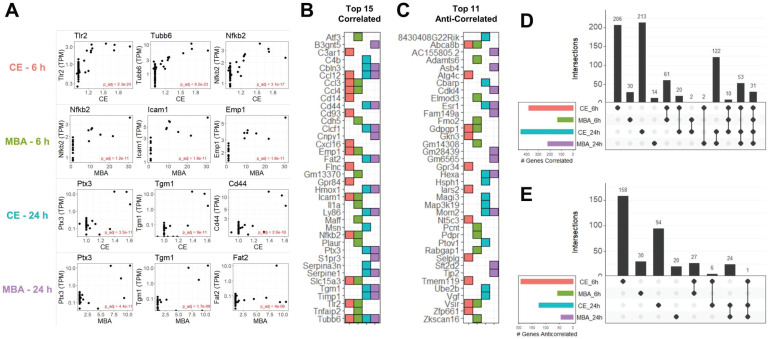
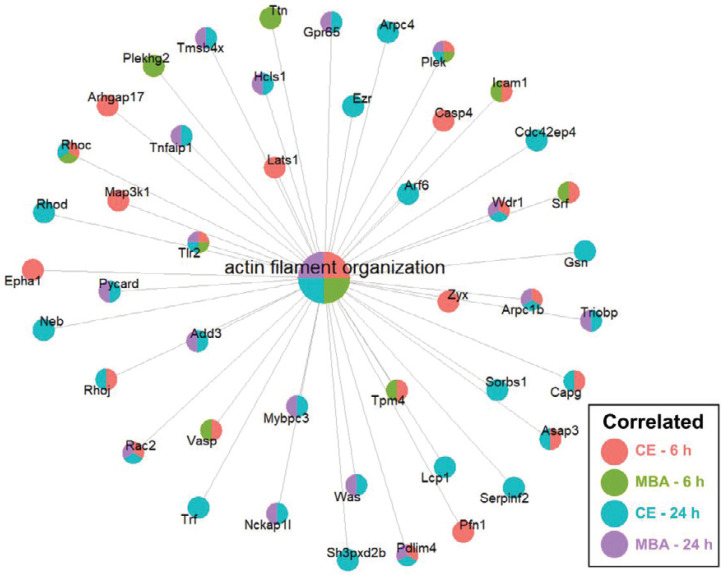
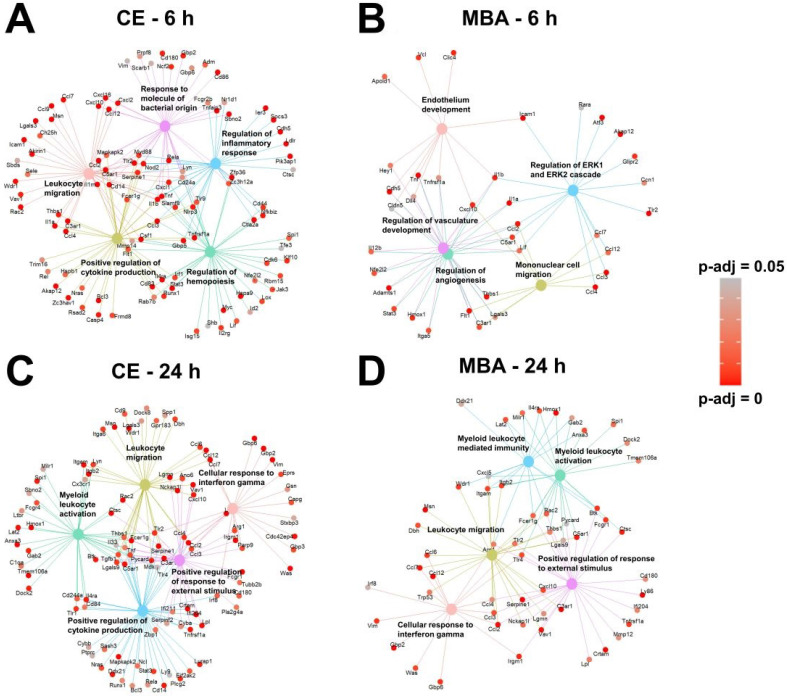
Focused ultrasound (FUS) blood brain barrier disruption (BBBD) permits the noninvasive, targeted, and repeatable delivery of drugs to the brain. FUS BBBD also elicits secondary responses capable of augmenting immunotherapies, clearing amyloid-β and hyperphosphorylated tau, and driving neurogenesis. Leveraging these secondary effects will benefit from an understanding of how they correlate to the magnitude of FUS BBBD and are differentially affected by the mechanical and biochemical stimuli imparted during FUS BBBD. We aggregated 75 murine transcriptomes in a multiple regression framework to identify genes expressed in proportion to biochemical (i.e. contrast MR image enhancement (CE)) or mechanical (i.e. harmonic acoustic emissions from MB-activation (MBA)) stimuli associated with FUS BBBD. Models were constructed to control for potential confounders, such as sex, anesthesia, and sequencing batch. MBA and CE differentially predicted expression of 1,124 genes 6 h or 24 h later. While there existed overlap in the transcripts correlated with MBA vs CE, MBA was principally predictive of expression of genes associated with endothelial reactivity while CE chiefly predicted sterile inflammation gene sets. Over-representation analysis identified transcripts not previously linked to BBBD, including actin filament organization, which is likely important for BBB recovery. Transcripts and pathways associated with neurogenesis, microglial activation, and amyloid-β clearance were significantly correlated to BBBD metrics. The secondary effects of BBBD may have the potential to be tuned by modulating FUS parameters during BBBD, and MBA and CE may serve as independent predictors of transcriptional reactions in the brain.
聚焦超声(FUS)血脑屏障破坏(BBBD)允许非侵入性、靶向和可重复地将药物递送到大脑。FUS BBBD 还引发了次级反应,能够增强免疫疗法、清除淀粉样蛋白-β和过度磷酸化的 tau,并促进神经发生。利用这些次级效应将受益于了解它们与 FUS BBBD 的幅度的相关性,以及它们如何受到 FUS BBBD 期间施加的机械和生化刺激的不同影响。我们在多个回归框架中汇总了 75 个小鼠转录组,以确定与 FUS BBBD 相关的生化(即对比磁共振成像增强(CE))或机械(即 MB 激活的谐波声发射(MBA))刺激成比例表达的基因。构建了模型来控制潜在的混杂因素,如性别、麻醉和测序批次。MBA 和 CE 分别预测了 6 小时或 24 小时后 1124 个基因的表达。虽然与 MBA 相比,CE 相关的转录本存在重叠,但 MBA 主要预测与内皮反应性相关的基因表达,而 CE 主要预测无菌炎症基因集。过度表达分析确定了与 BBBD 无关的以前未链接的转录本,包括肌动蛋白丝组织,这对于 BBB 恢复可能很重要。与神经发生、小胶质细胞激活和淀粉样蛋白-β清除相关的转录本和途径与 BBBD 指标显著相关。BBBD 的次级效应可能具有通过在 BBBD 期间调节 FUS 参数进行调整的潜力,而 MBA 和 CE 可能作为大脑转录反应的独立预测因子。