Sailer Gregor, Eichermüller Johanna, Poetsch Jens, Paczkowski Sebastian, Pelz Stefan, Oechsner Hans, Müller Joachim
University of Applied Forest Sciences Rottenburg, Schadenweilerhof, Rottenburg 72108, Germany.
Faculty of Forest Sciences and Forest Ecology, Department of Forest Work Science and Engineering, University of Göttingen, Büsgenweg 4, Göttingen 37077, Germany.
Data Brief. 2021 Nov 7;39:107543. doi: 10.1016/j.dib.2021.107543. eCollection 2021 Dec.
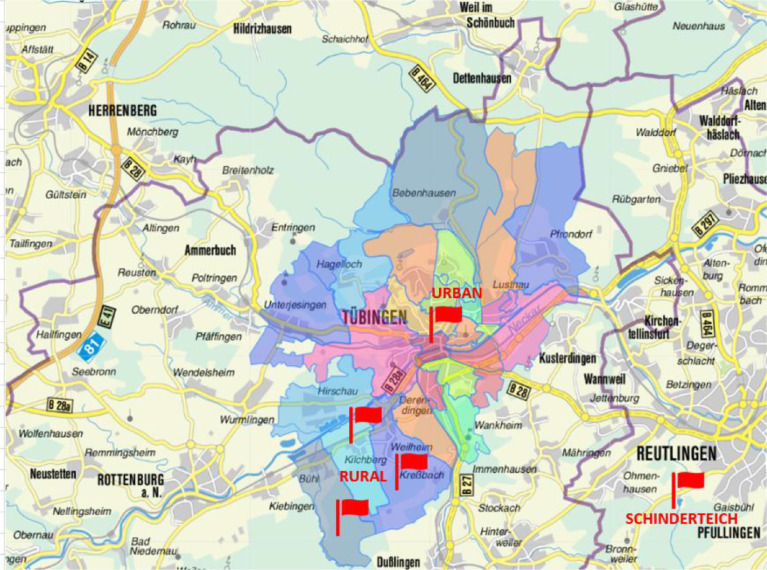
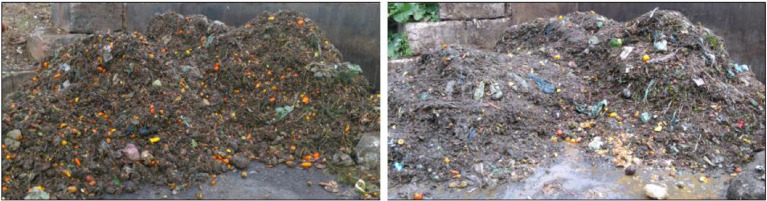
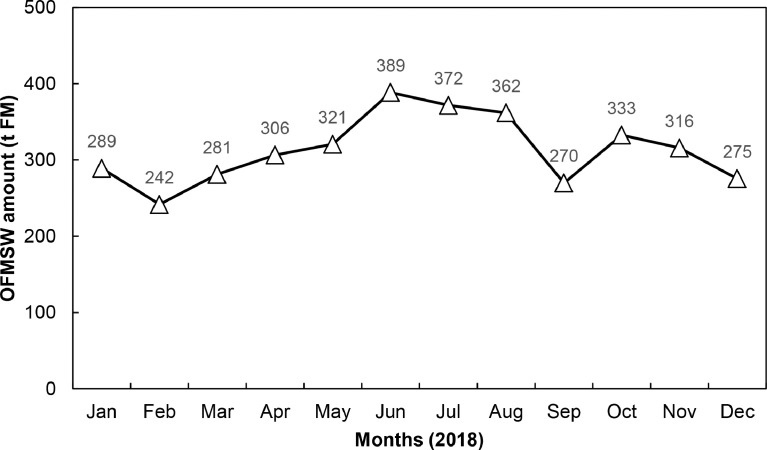
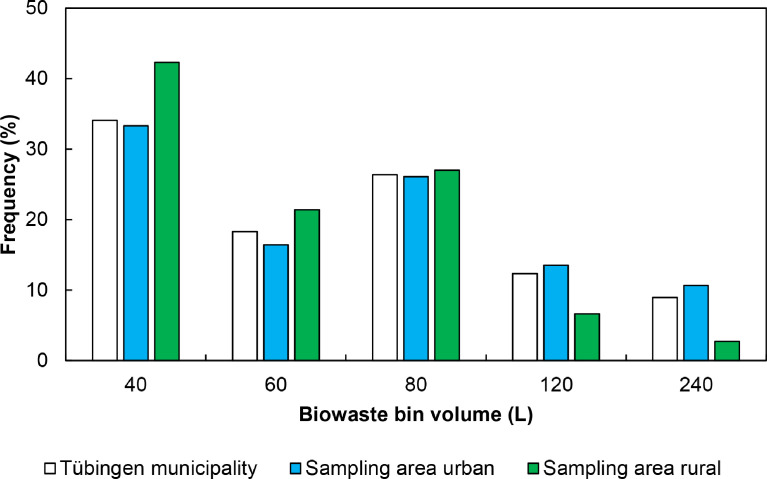
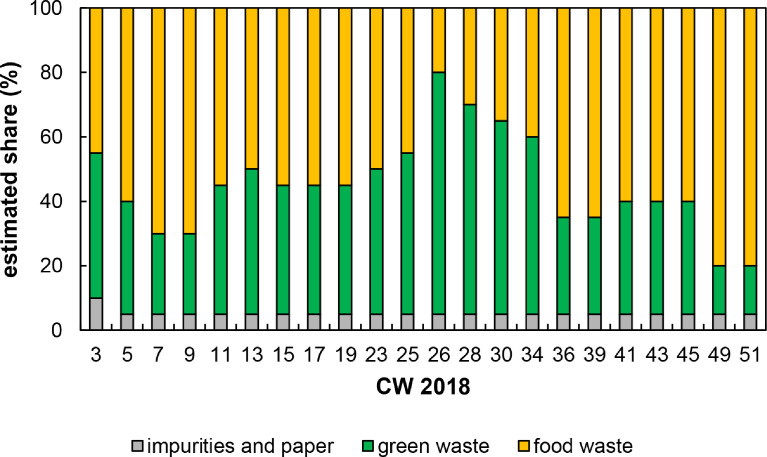
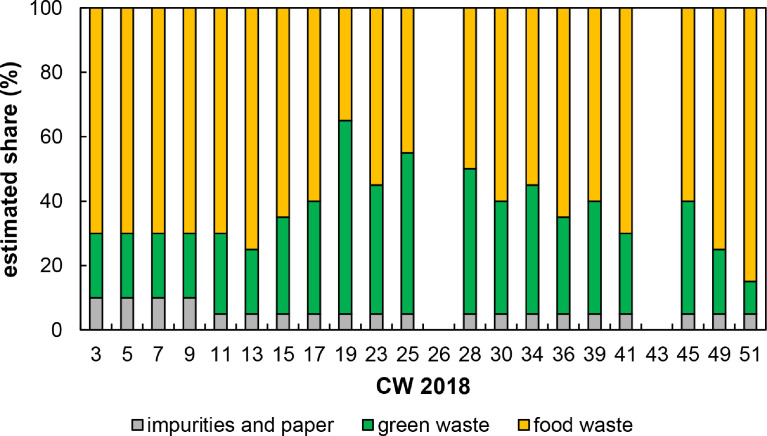
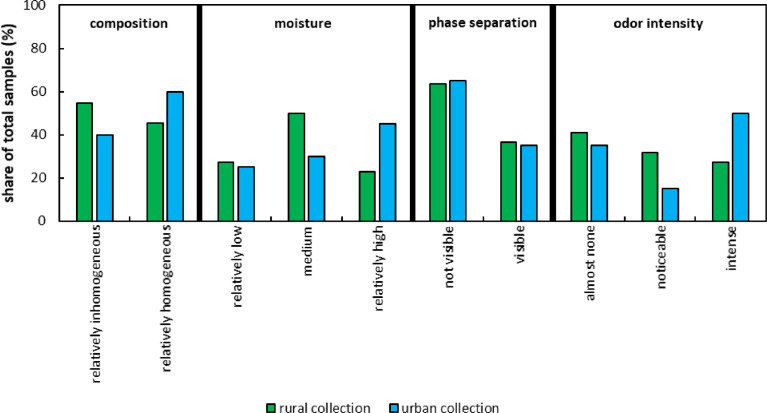
In the municipal context and depending on the collection scheme, different waste streams are of relevance. This article contains year-round data on the chemical composition of organic fractions of municipal solid waste (OFMSW) of rural and urban origins. All samples were collected in the municipality of Tübingen, which is located in southern Germany. The sampling procedure was executed in accordance with standard procedures mentioned in the German Biowaste Ordinance. The data presented in this article include (1) sampling area and process specifications (2) organoleptic examinations (3) dry matter and organic dry matter contents (4) impurity concentrations and (5) elemental compositions (major, minor and trace elements). All datasets are presented as a time series for the year 2018. Thus, this article especially presents the influence of season and settlement structure on the physico-chemical characteristics of OFMSW. Researchers, waste management companies and municipalities can compare and expand their own OFMSW data with those presented in this article. The dataset can also be used to calculate energy yields of OFMSW when utilized in anaerobic digestion. Based on the data, it is also possible to discuss and to evaluate the material utilization of OFMSW-based digestates and compost products, especially with regard to concentrations of major, minor and trace elements. For further discussion, please refer to the original scientific article Sailer et al. (2021).
在城市环境中,根据收集方案的不同,不同的废物流具有相关性。本文包含了来自农村和城市的城市固体废物有机组分(OFMSW)化学成分的全年数据。所有样本均采集于德国南部的图宾根市。采样过程按照德国生物废弃物条例中提及的标准程序执行。本文呈现的数据包括:(1)采样区域和过程规范;(2)感官检查;(3)干物质和有机干物质含量;(4)杂质浓度;(5)元素组成(主要、次要和微量元素)。所有数据集均以2018年的时间序列呈现。因此,本文特别呈现了季节和聚落结构对OFMSW物理化学特性的影响。研究人员、废物管理公司和城市可以将自己的OFMSW数据与本文中的数据进行比较和扩展。该数据集还可用于计算OFMSW在厌氧消化中利用时的能源产量。基于这些数据,还可以讨论和评估基于OFMSW的沼渣和堆肥产品的材料利用情况,特别是关于主要、次要和微量元素的浓度。如需进一步讨论,请参考原始科学文章Sailer等人(2021年)。