• 文献检索
  • 文档翻译
  • 深度研究
  • 学术资讯
  • Suppr Zotero 插件Zotero 插件
  • 邀请有礼
  • 套餐&价格
  • 历史记录
应用&插件
Suppr Zotero 插件Zotero 插件浏览器插件Mac 客户端Windows 客户端微信小程序
定价
高级版会员购买积分包购买API积分包
服务
文献检索文档翻译深度研究API 文档MCP 服务
关于我们
关于 Suppr公司介绍联系我们用户协议隐私条款
关注我们

Suppr 超能文献

核心技术专利:CN118964589B侵权必究
粤ICP备2023148730 号-1Suppr @ 2026

文献检索

告别复杂PubMed语法,用中文像聊天一样搜索,搜遍4000万医学文献。AI智能推荐,让科研检索更轻松。

立即免费搜索

文件翻译

保留排版,准确专业,支持PDF/Word/PPT等文件格式,支持 12+语言互译。

免费翻译文档

深度研究

AI帮你快速写综述,25分钟生成高质量综述,智能提取关键信息,辅助科研写作。

立即免费体验

高内源性 CCL2 表达促进人炎性乳腺癌的侵袭表型。

High endogenous CCL2 expression promotes the aggressive phenotype of human inflammatory breast cancer.

机构信息

Laboratory of Cancer Lymphangiogenesis, Department of Oncological Sciences, Icahn School of Medicine at Mount Sinai, New York, New York, USA.

Tisch Cancer Institute, Icahn School of Medicine at Mount Sinai, New York, New York, USA.

出版信息

Nat Commun. 2021 Nov 25;12(1):6889. doi: 10.1038/s41467-021-27108-8.

DOI:10.1038/s41467-021-27108-8
PMID:34824220
原文链接:https://pmc.ncbi.nlm.nih.gov/articles/PMC8617270/
Abstract

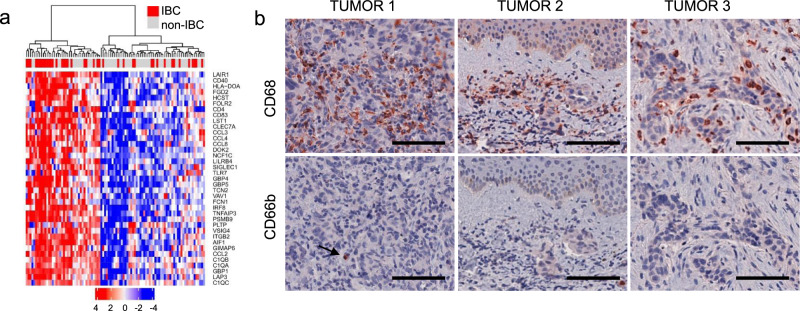
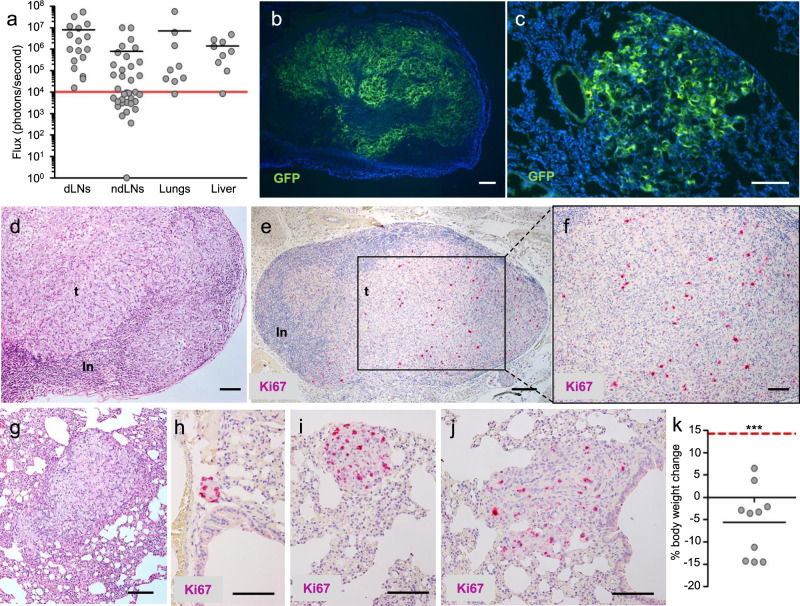
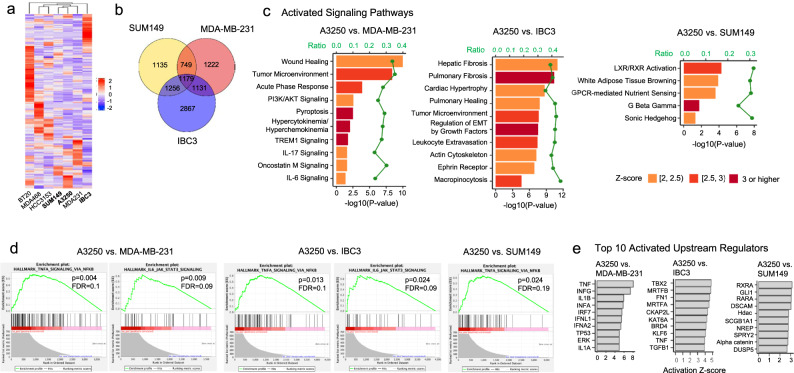
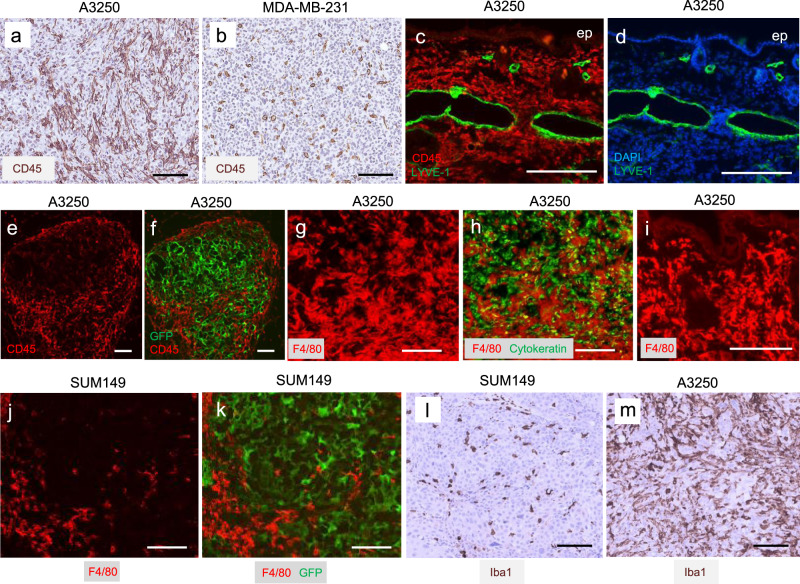
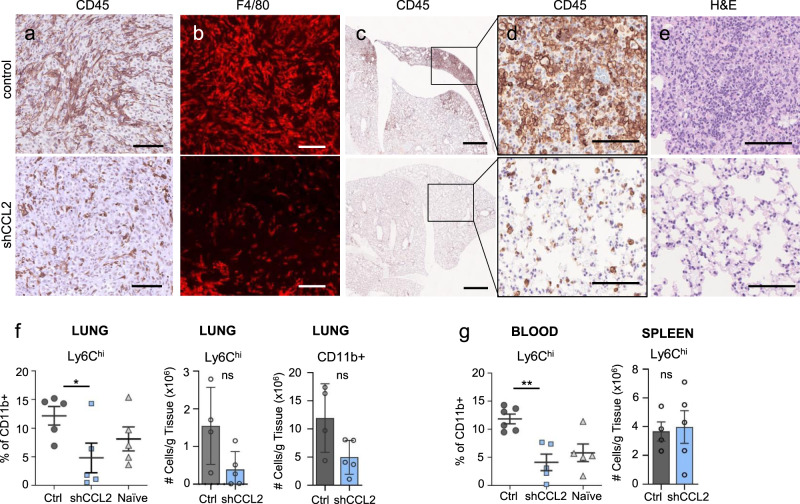
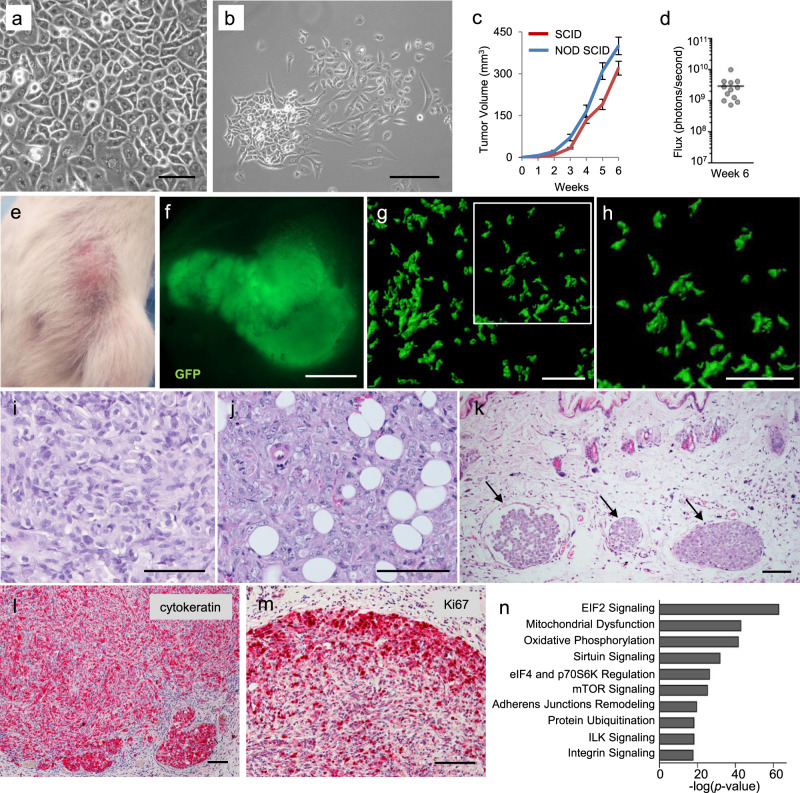
Inflammatory Breast Cancer (IBC) is a highly aggressive malignancy with distinct clinical and histopathological features whose molecular basis is unresolved. Here we describe a human IBC cell line, A3250, that recapitulates key IBC features in a mouse xenograft model, including skin erythema, diffuse tumor growth, dermal lymphatic invasion, and extensive metastases. A3250 cells express very high levels of the CCL2 chemokine and induce tumors enriched in macrophages. CCL2 knockdown leads to a striking reduction in macrophage densities, tumor proliferation, skin erythema, and metastasis. These results establish IBC-derived CCL2 as a key factor driving macrophage expansion, and indirectly tumor growth, with transcriptomic analysis demonstrating the activation of multiple inflammatory pathways. Finally, primary human IBCs exhibit macrophage infiltration and an enriched macrophage RNA signature. Thus, this human IBC model provides insight into the distinctive biology of IBC, and highlights potential therapeutic approaches to this deadly disease.

摘要

炎性乳腺癌(IBC)是一种具有独特临床和组织病理学特征的高度侵袭性恶性肿瘤,其分子基础尚未阐明。在这里,我们描述了一种人 IBC 细胞系 A3250,它在小鼠异种移植模型中再现了关键的 IBC 特征,包括皮肤红斑、弥漫性肿瘤生长、真皮淋巴管浸润和广泛转移。A3250 细胞表达非常高水平的趋化因子 CCL2,并诱导富含巨噬细胞的肿瘤。CCL2 敲低导致巨噬细胞密度、肿瘤增殖、皮肤红斑和转移的显著减少。这些结果确立了 IBC 衍生的 CCL2 作为驱动巨噬细胞扩张的关键因素,并且间接驱动肿瘤生长,转录组分析表明多个炎症途径的激活。最后,原发性人 IBC 表现出巨噬细胞浸润和丰富的巨噬细胞 RNA 特征。因此,这种人 IBC 模型提供了对 IBC 独特生物学的深入了解,并强调了针对这种致命疾病的潜在治疗方法。
https://cdn.ncbi.nlm.nih.gov/pmc/blobs/ff1e/8617270/e95c6de7ed03/41467_2021_27108_Fig10_HTML.jpg
https://cdn.ncbi.nlm.nih.gov/pmc/blobs/ff1e/8617270/d20a8923a862/41467_2021_27108_Fig1_HTML.jpg
https://cdn.ncbi.nlm.nih.gov/pmc/blobs/ff1e/8617270/d1da0196a804/41467_2021_27108_Fig2_HTML.jpg
https://cdn.ncbi.nlm.nih.gov/pmc/blobs/ff1e/8617270/cee2533664cd/41467_2021_27108_Fig3_HTML.jpg
https://cdn.ncbi.nlm.nih.gov/pmc/blobs/ff1e/8617270/883673ecf77b/41467_2021_27108_Fig4_HTML.jpg
https://cdn.ncbi.nlm.nih.gov/pmc/blobs/ff1e/8617270/04be08d07473/41467_2021_27108_Fig5_HTML.jpg
https://cdn.ncbi.nlm.nih.gov/pmc/blobs/ff1e/8617270/f2aee70d19b2/41467_2021_27108_Fig6_HTML.jpg
https://cdn.ncbi.nlm.nih.gov/pmc/blobs/ff1e/8617270/15a51bae2c2a/41467_2021_27108_Fig7_HTML.jpg
https://cdn.ncbi.nlm.nih.gov/pmc/blobs/ff1e/8617270/a4ec4ce3499c/41467_2021_27108_Fig8_HTML.jpg
https://cdn.ncbi.nlm.nih.gov/pmc/blobs/ff1e/8617270/8d8ac5bf1867/41467_2021_27108_Fig9_HTML.jpg
https://cdn.ncbi.nlm.nih.gov/pmc/blobs/ff1e/8617270/e95c6de7ed03/41467_2021_27108_Fig10_HTML.jpg
https://cdn.ncbi.nlm.nih.gov/pmc/blobs/ff1e/8617270/d20a8923a862/41467_2021_27108_Fig1_HTML.jpg
https://cdn.ncbi.nlm.nih.gov/pmc/blobs/ff1e/8617270/d1da0196a804/41467_2021_27108_Fig2_HTML.jpg
https://cdn.ncbi.nlm.nih.gov/pmc/blobs/ff1e/8617270/cee2533664cd/41467_2021_27108_Fig3_HTML.jpg
https://cdn.ncbi.nlm.nih.gov/pmc/blobs/ff1e/8617270/883673ecf77b/41467_2021_27108_Fig4_HTML.jpg
https://cdn.ncbi.nlm.nih.gov/pmc/blobs/ff1e/8617270/04be08d07473/41467_2021_27108_Fig5_HTML.jpg
https://cdn.ncbi.nlm.nih.gov/pmc/blobs/ff1e/8617270/f2aee70d19b2/41467_2021_27108_Fig6_HTML.jpg
https://cdn.ncbi.nlm.nih.gov/pmc/blobs/ff1e/8617270/15a51bae2c2a/41467_2021_27108_Fig7_HTML.jpg
https://cdn.ncbi.nlm.nih.gov/pmc/blobs/ff1e/8617270/a4ec4ce3499c/41467_2021_27108_Fig8_HTML.jpg
https://cdn.ncbi.nlm.nih.gov/pmc/blobs/ff1e/8617270/8d8ac5bf1867/41467_2021_27108_Fig9_HTML.jpg
https://cdn.ncbi.nlm.nih.gov/pmc/blobs/ff1e/8617270/e95c6de7ed03/41467_2021_27108_Fig10_HTML.jpg

相似文献

1
High endogenous CCL2 expression promotes the aggressive phenotype of human inflammatory breast cancer.高内源性 CCL2 表达促进人炎性乳腺癌的侵袭表型。
Nat Commun. 2021 Nov 25;12(1):6889. doi: 10.1038/s41467-021-27108-8.
2
IL-8 and MCP-1/CCL2 regulate proteolytic activity in triple negative inflammatory breast cancer a mechanism that might be modulated by Src and Erk1/2.IL-8 和 MCP-1/CCL2 调节三阴性炎症性乳腺癌的蛋白水解活性,Src 和 Erk1/2 可能调节这种活性。
Toxicol Appl Pharmacol. 2020 Aug 15;401:115092. doi: 10.1016/j.taap.2020.115092. Epub 2020 Jun 5.
3
CCL2-CCR2 axis recruits tumor associated macrophages to induce immune evasion through PD-1 signaling in esophageal carcinogenesis.CCL2-CCR2 轴通过 PD-1 信号招募肿瘤相关巨噬细胞诱导免疫逃逸在食管癌变中。
Mol Cancer. 2020 Feb 27;19(1):41. doi: 10.1186/s12943-020-01165-x.
4
Inflammatory Breast Cancer Promotes Development of M2 Tumor-Associated Macrophages and Cancer Mesenchymal Cells through a Complex Chemokine Network.炎性乳腺癌通过复杂的趋化因子网络促进 M2 肿瘤相关巨噬细胞和癌症间质细胞的发展。
Cancer Res. 2019 Jul 1;79(13):3360-3371. doi: 10.1158/0008-5472.CAN-17-2158. Epub 2019 May 1.
5
Mesenchymal stem cells mediate the clinical phenotype of inflammatory breast cancer in a preclinical model.在临床前模型中,间充质干细胞介导炎性乳腺癌的临床表型。
Breast Cancer Res. 2015 Mar 20;17(1):42. doi: 10.1186/s13058-015-0549-4.
6
TCF4 enhances hepatic metastasis of colorectal cancer by regulating tumor-associated macrophage via CCL2/CCR2 signaling.TCF4 通过调节肿瘤相关巨噬细胞中 CCL2/CCR2 信号促进结直肠癌肝转移。
Cell Death Dis. 2021 Sep 27;12(10):882. doi: 10.1038/s41419-021-04166-w.
7
Inflammatory breast cancer biology: the tumour microenvironment is key.炎性乳腺癌生物学:肿瘤微环境是关键。
Nat Rev Cancer. 2018 Aug;18(8):485-499. doi: 10.1038/s41568-018-0010-y.
8
Mammary stem cell and macrophage markers are enriched in normal tissue adjacent to inflammatory breast cancer.乳腺干细胞和巨噬细胞标志物在炎性乳腺癌相邻的正常组织中富集。
Breast Cancer Res Treat. 2018 Sep;171(2):283-293. doi: 10.1007/s10549-018-4835-6. Epub 2018 Jun 1.
9
CCL2 recruits inflammatory monocytes to facilitate breast-tumour metastasis.CCL2 招募炎症性单核细胞以促进乳腺癌转移。
Nature. 2011 Jun 8;475(7355):222-5. doi: 10.1038/nature10138.
10
IL-10 correlates with the expression of carboxypeptidase B2 and lymphovascular invasion in inflammatory breast cancer: The potential role of tumor infiltrated macrophages.白细胞介素-10与炎性乳腺癌中羧肽酶B2的表达及淋巴管浸润相关:肿瘤浸润巨噬细胞的潜在作用
Curr Probl Cancer. 2018 Mar-Apr;42(2):215-230. doi: 10.1016/j.currproblcancer.2018.01.009. Epub 2018 Jan 10.

引用本文的文献

1
Targeting the Tumor Immune Microenvironment in Triple-Negative Breast Cancer: The Promise of Polyphenols.靶向三阴性乳腺癌的肿瘤免疫微环境:多酚类物质的前景
Cancers (Basel). 2025 Aug 27;17(17):2794. doi: 10.3390/cancers17172794.
2
Human iPSC-derived NK cells armed with CCL19, CCR2B, high-affinity CD16, IL-15, and NKG2D complex enhance anti-solid tumor activity.携带CCL19、CCR2B、高亲和力CD16、IL-15和NKG2D复合物的人诱导多能干细胞衍生的自然杀伤细胞增强抗实体瘤活性。
Stem Cell Res Ther. 2025 Jul 15;16(1):373. doi: 10.1186/s13287-025-04461-9.
3
Silibinin Anticancer Effects Through the Modulation of the Tumor Immune Microenvironment in Triple-Negative Breast Cancer.

本文引用的文献

1
Multiplexed Immunohistochemical Consecutive Staining on Single Slide (MICSSS): Multiplexed Chromogenic IHC Assay for High-Dimensional Tissue Analysis.单玻片多重免疫组化连续染色(MICSSS):用于高维组织分析的多重显色免疫组化检测法
Methods Mol Biol. 2020;2055:497-519. doi: 10.1007/978-1-4939-9773-2_23.
2
Immuno-subtyping of breast cancer reveals distinct myeloid cell profiles and immunotherapy resistance mechanisms.乳腺癌的免疫亚型揭示了不同的髓系细胞特征和免疫治疗耐药机制。
Nat Cell Biol. 2019 Sep;21(9):1113-1126. doi: 10.1038/s41556-019-0373-7. Epub 2019 Aug 26.
3
Inflammatory Breast Cancer: a Separate Entity.
水飞蓟宾通过调节三阴性乳腺癌肿瘤免疫微环境发挥抗癌作用。
Int J Mol Sci. 2025 Jun 28;26(13):6265. doi: 10.3390/ijms26136265.
4
PI3Kγ in Tumour Inflammation: Bridging Immune Response and Cancer Progression-A Mini-Review.肿瘤炎症中的PI3Kγ:连接免疫反应与癌症进展——一篇综述短文
Immunology. 2025 Oct;176(2):215-223. doi: 10.1111/imm.13959. Epub 2025 May 28.
5
Cancer-specific innate and adaptive immune rewiring drives resistance to PD-1 blockade in classic Hodgkin lymphoma.癌症特异性先天和适应性免疫重塑驱动经典型霍奇金淋巴瘤对程序性死亡受体1(PD-1)阻断治疗产生耐药。
Nat Commun. 2024 Dec 30;15(1):10740. doi: 10.1038/s41467-024-54512-7.
6
Surface Markers and Chemokines/Cytokines of Tumor-Associated Macrophages in Osteosarcoma and Other Carcinoma Microenviornments-Contradictions and Comparisons.骨肉瘤及其他癌微环境中肿瘤相关巨噬细胞的表面标志物与趋化因子/细胞因子——矛盾与比较
Cancers (Basel). 2024 Aug 8;16(16):2801. doi: 10.3390/cancers16162801.
7
C-C motif chemokine ligand 2/C-C motif chemokine receptor 2 pathway as a therapeutic target and regulatory mechanism for spinal cord injury.C-C基序趋化因子配体2/C-C基序趋化因子受体2通路作为脊髓损伤的治疗靶点和调控机制
Neural Regen Res. 2025 Aug 1;20(8):2231-2244. doi: 10.4103/NRR.NRR-D-24-00119. Epub 2024 Jul 29.
8
The obese inflammatory microenvironment may promote breast DCIS progression.肥胖的炎症微环境可能促进乳腺 DCIS 的进展。
Front Immunol. 2024 Jul 12;15:1384354. doi: 10.3389/fimmu.2024.1384354. eCollection 2024.
9
Coordinated inflammation and immune response transcriptional regulation in breast cancer molecular subtypes.乳腺癌分子亚型中协调的炎症和免疫反应转录调控。
Front Immunol. 2024 Jun 25;15:1357726. doi: 10.3389/fimmu.2024.1357726. eCollection 2024.
10
Evaluating the immunologically "cold" tumor microenvironment after treatment with immune checkpoint inhibitors utilizing PET imaging of CD4 + and CD8 + T cells in breast cancer mouse models.利用 PET 成像评估乳腺癌小鼠模型中免疫检查点抑制剂治疗后 CD4+和 CD8+T 细胞的免疫“冷”肿瘤微环境。
Breast Cancer Res. 2024 Jun 25;26(1):104. doi: 10.1186/s13058-024-01844-3.
炎性乳腺癌:一种独立的实体。
Curr Oncol Rep. 2019 Aug 15;21(10):86. doi: 10.1007/s11912-019-0842-y.
4
Perspectives on Inflammatory Breast Cancer (IBC) Research, Clinical Management and Community Engagement from the Duke IBC Consortium.杜克炎性乳腺癌联盟对炎性乳腺癌(IBC)研究、临床管理及社区参与的见解
J Cancer. 2019 Jun 4;10(15):3344-3351. doi: 10.7150/jca.31176. eCollection 2019.
5
Emerging Role of Lymphocyte Antigen-6 Family of Genes in Cancer and Immune Cells.淋巴细胞抗原-6 家族基因在癌症和免疫细胞中的新作用。
Front Immunol. 2019 Apr 24;10:819. doi: 10.3389/fimmu.2019.00819. eCollection 2019.
6
Inflammatory Breast Cancer Promotes Development of M2 Tumor-Associated Macrophages and Cancer Mesenchymal Cells through a Complex Chemokine Network.炎性乳腺癌通过复杂的趋化因子网络促进 M2 肿瘤相关巨噬细胞和癌症间质细胞的发展。
Cancer Res. 2019 Jul 1;79(13):3360-3371. doi: 10.1158/0008-5472.CAN-17-2158. Epub 2019 May 1.
7
Human Tumor-Associated Macrophage and Monocyte Transcriptional Landscapes Reveal Cancer-Specific Reprogramming, Biomarkers, and Therapeutic Targets.人类肿瘤相关巨噬细胞和单核细胞转录图谱揭示了癌症特异性重编程、生物标志物和治疗靶点。
Cancer Cell. 2019 Apr 15;35(4):588-602.e10. doi: 10.1016/j.ccell.2019.02.009. Epub 2019 Mar 28.
8
Targeting Tumor-Associated Macrophages in Cancer.靶向肿瘤相关巨噬细胞治疗癌症。
Trends Immunol. 2019 Apr;40(4):310-327. doi: 10.1016/j.it.2019.02.003. Epub 2019 Mar 17.
9
Chemotherapy elicits pro-metastatic extracellular vesicles in breast cancer models.化疗在乳腺癌模型中诱导促转移细胞外囊泡。
Nat Cell Biol. 2019 Feb;21(2):190-202. doi: 10.1038/s41556-018-0256-3. Epub 2018 Dec 31.
10
Rates of immune cell infiltration in patients with triple-negative breast cancer by molecular subtype.三阴性乳腺癌患者不同分子亚型的免疫细胞浸润率。
PLoS One. 2018 Oct 12;13(10):e0204513. doi: 10.1371/journal.pone.0204513. eCollection 2018.