Marchowski Dominik
Ornithological Station, Museum and Institute of Zoology Polish Academy of Sciences Gdańsk Poland.
Ecol Evol. 2021 Nov 3;11(22):16214-16227. doi: 10.1002/ece3.8302. eCollection 2021 Nov.
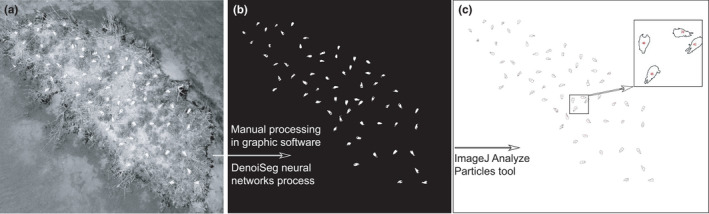
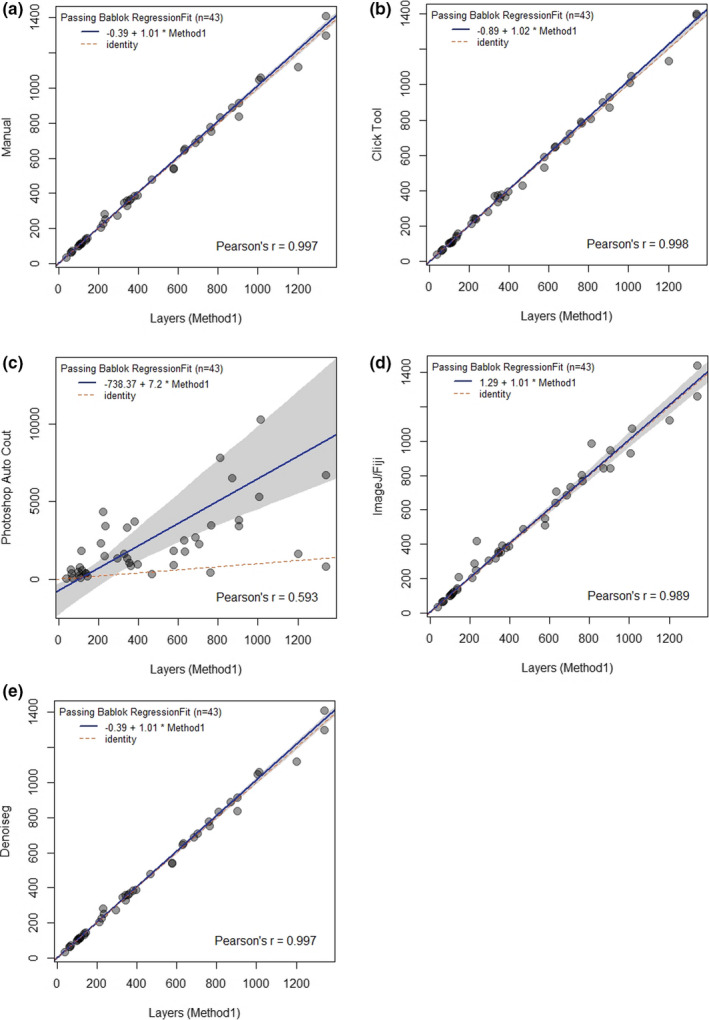
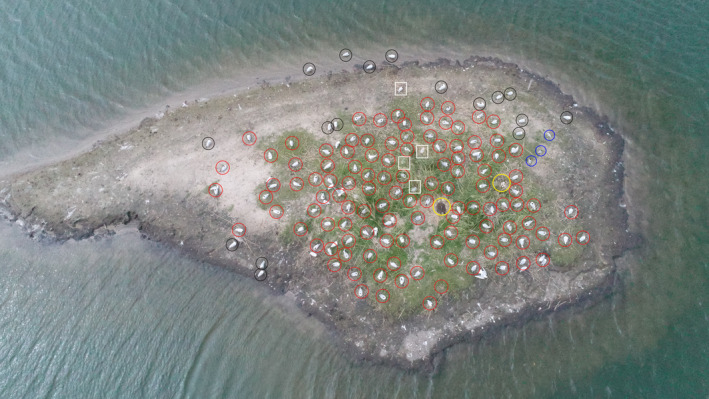
The use of a drone to count the flock sizes of 33 species of waterbirds during the breeding and non-breeding periods was investigated.In 96% of 343 cases, drone counting was successful. 18.8% of non-breeding birds and 3.6% of breeding birds exhibited adverse reactions: the former birds were flushed, whereas the latter attempted to attack the drone.The automatic counting of birds was best done with ImageJ/Fiji microbiology software - the average counting rate was 100 birds in 64 s.Machine learning using neural network algorithms proved to be an effective and quick way of counting birds - 100 birds in 7 s. However, the preparation of images and machine learning time is time-consuming, so this method is recommended only for large data sets and large bird assemblages.The responsible study of wildlife using a drone should only be carried out by persons experienced in the biology and behavior of the target animals.
研究了使用无人机在繁殖期和非繁殖期统计33种水鸟种群数量的情况。在343次统计中,96%的情况下无人机计数成功。18.8%的非繁殖期鸟类和3.6%的繁殖期鸟类出现不良反应:前者受到惊扰飞走,而后者试图攻击无人机。使用ImageJ/Fiji微生物学软件自动计数鸟类效果最佳——平均计数速度为64秒统计100只鸟。事实证明,使用神经网络算法的机器学习是一种有效且快速的鸟类计数方法——7秒统计100只鸟。然而,图像准备和机器学习时间都很耗时,因此该方法仅推荐用于大数据集和大型鸟类群体。使用无人机对野生动物进行负责任的研究应由熟悉目标动物生物学和行为的人员进行。